
Africa’s Living Cultures Unite at Ngorongoro Lengai Geopark to Celebrate World Heritage Day 2026
Karatu, Tanzania – May 5, 2026:
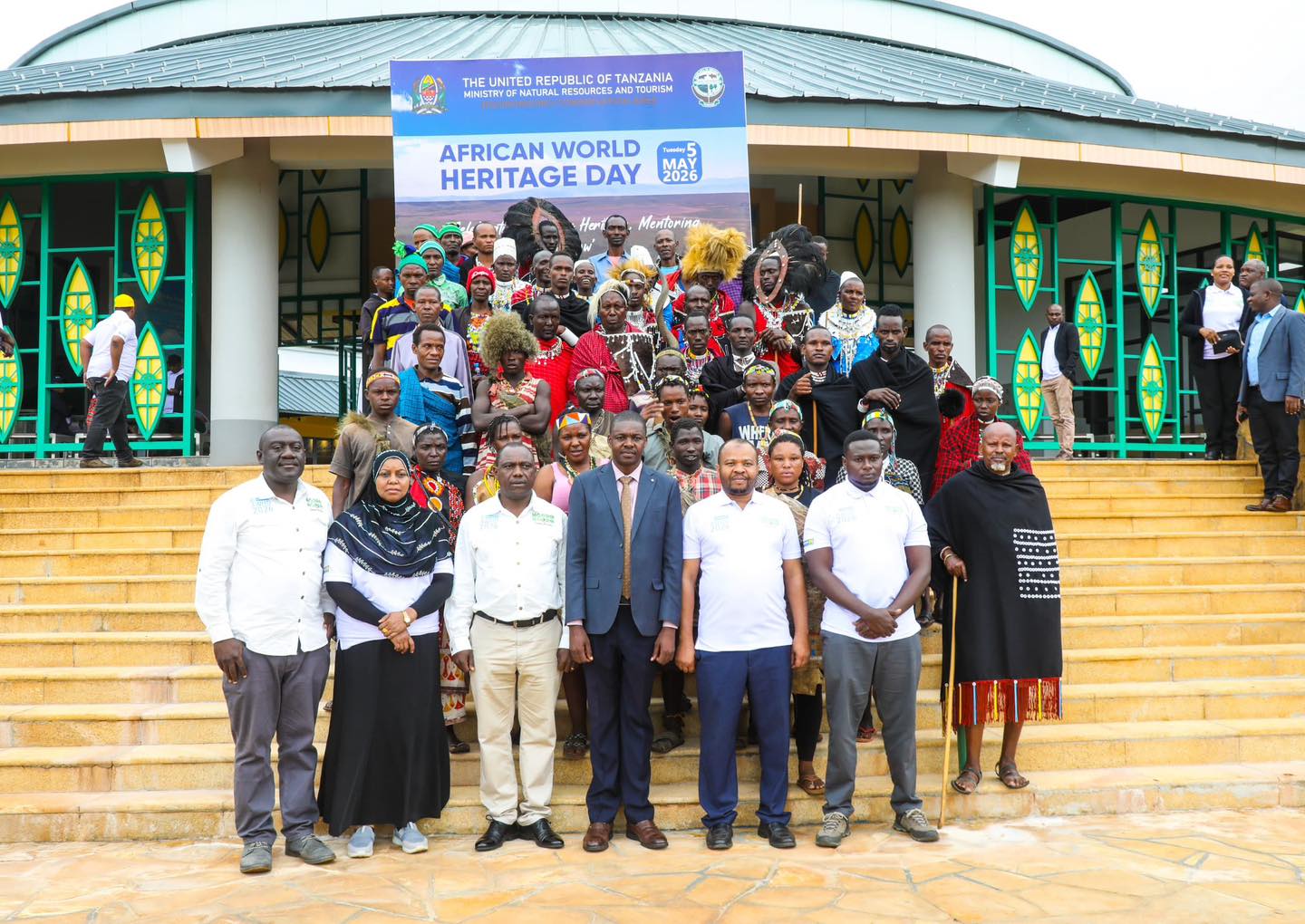
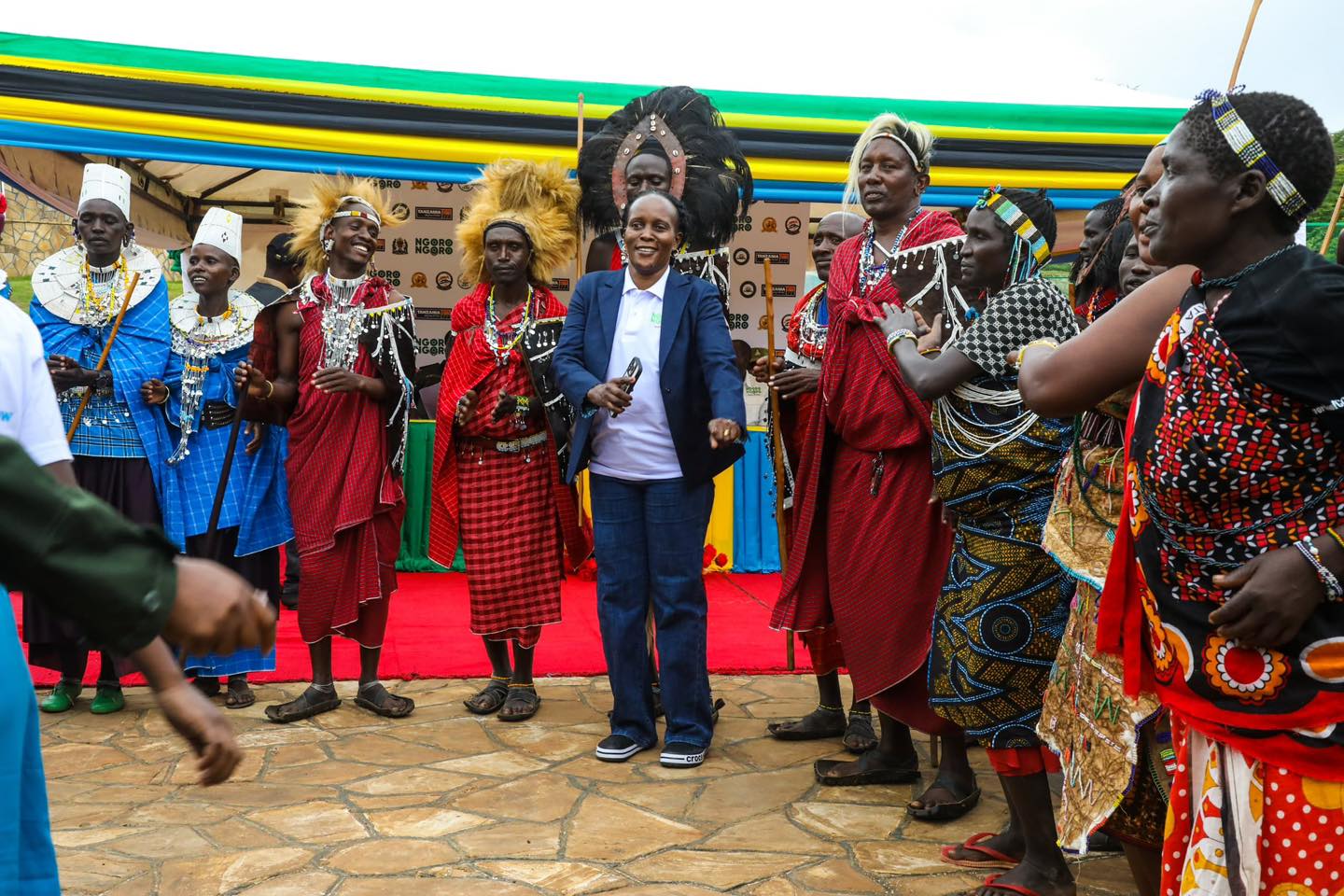
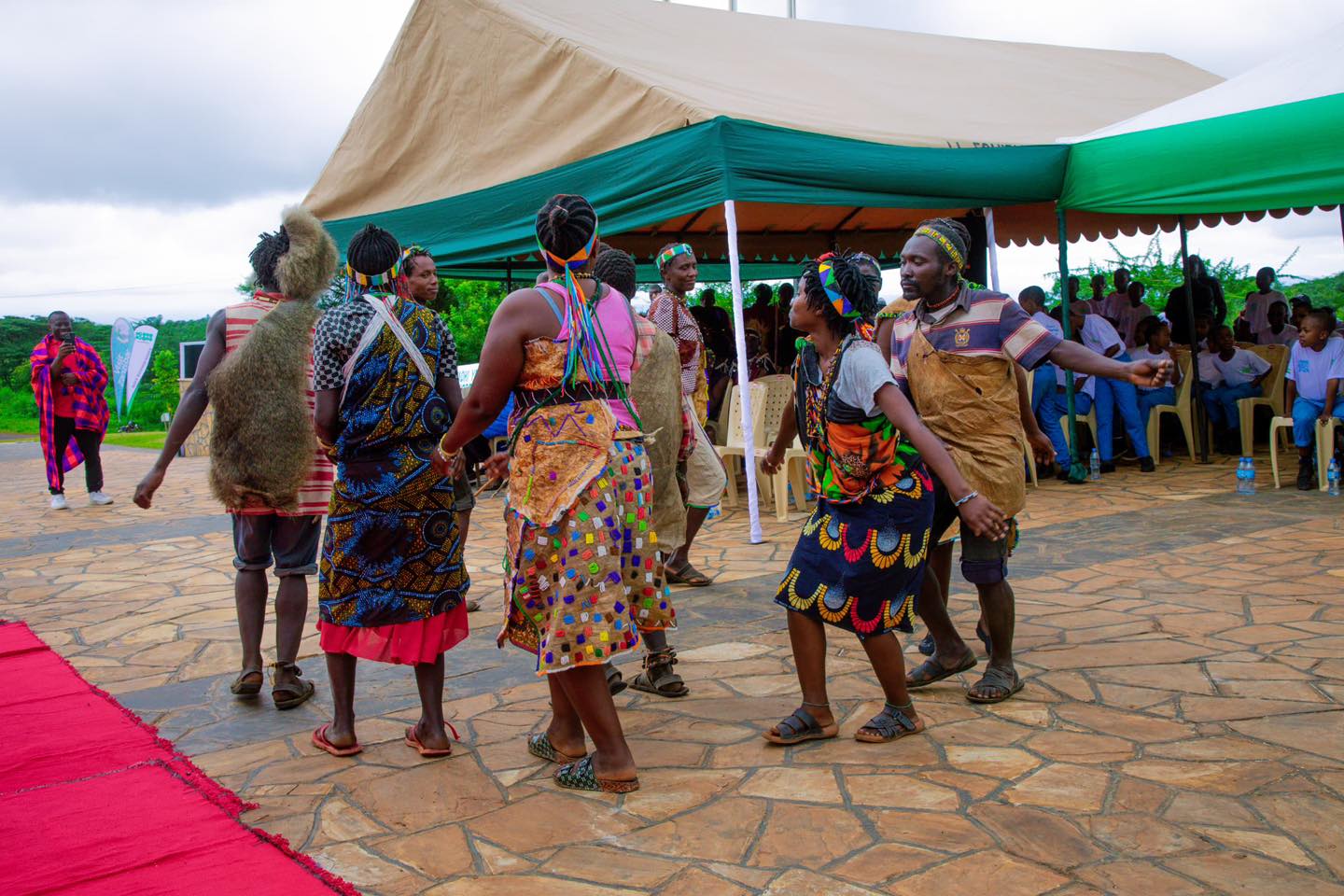
The celebration of African World Heritage Day held at the Geopark Heritage Museum in Karatu City turned into a historic cultural gathering, bringing together four of Tanzania’s most iconic indigenous communities — the Maasai, Hadzabe, Datoga, and Iraqw. The event marked one of the largest and most significant World Heritage assemblies in the East African region, highlighting the deep connection between living cultures and globally recognized heritage landscapes.
Hosted at the heart of the Ngorongoro Lengai Geopark, the celebration showcased not only cultural diversity but also the shared responsibility of safeguarding heritage for future generations.
A MEETING OF LIVING HERITAGE AND WORLD HERITAGE
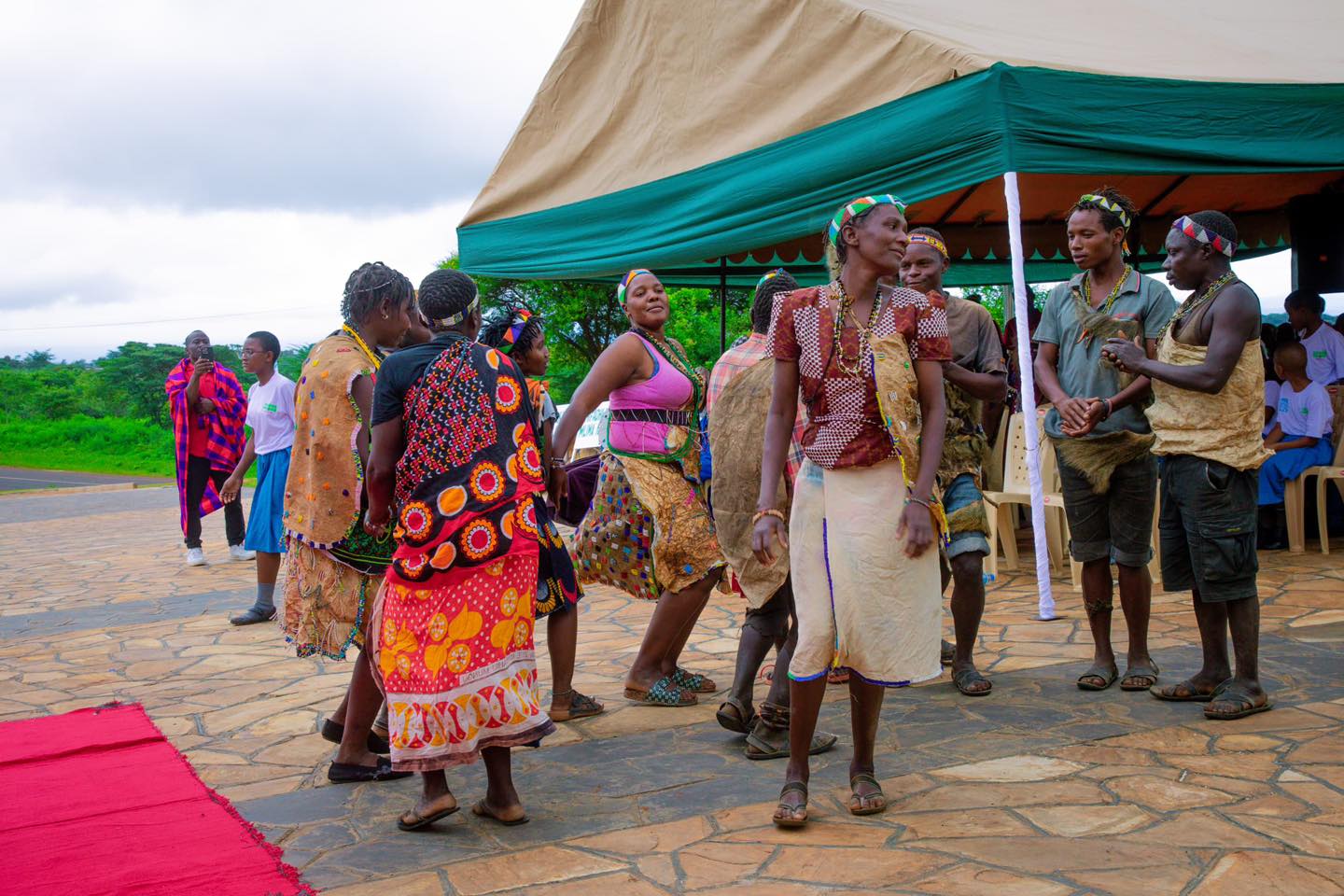
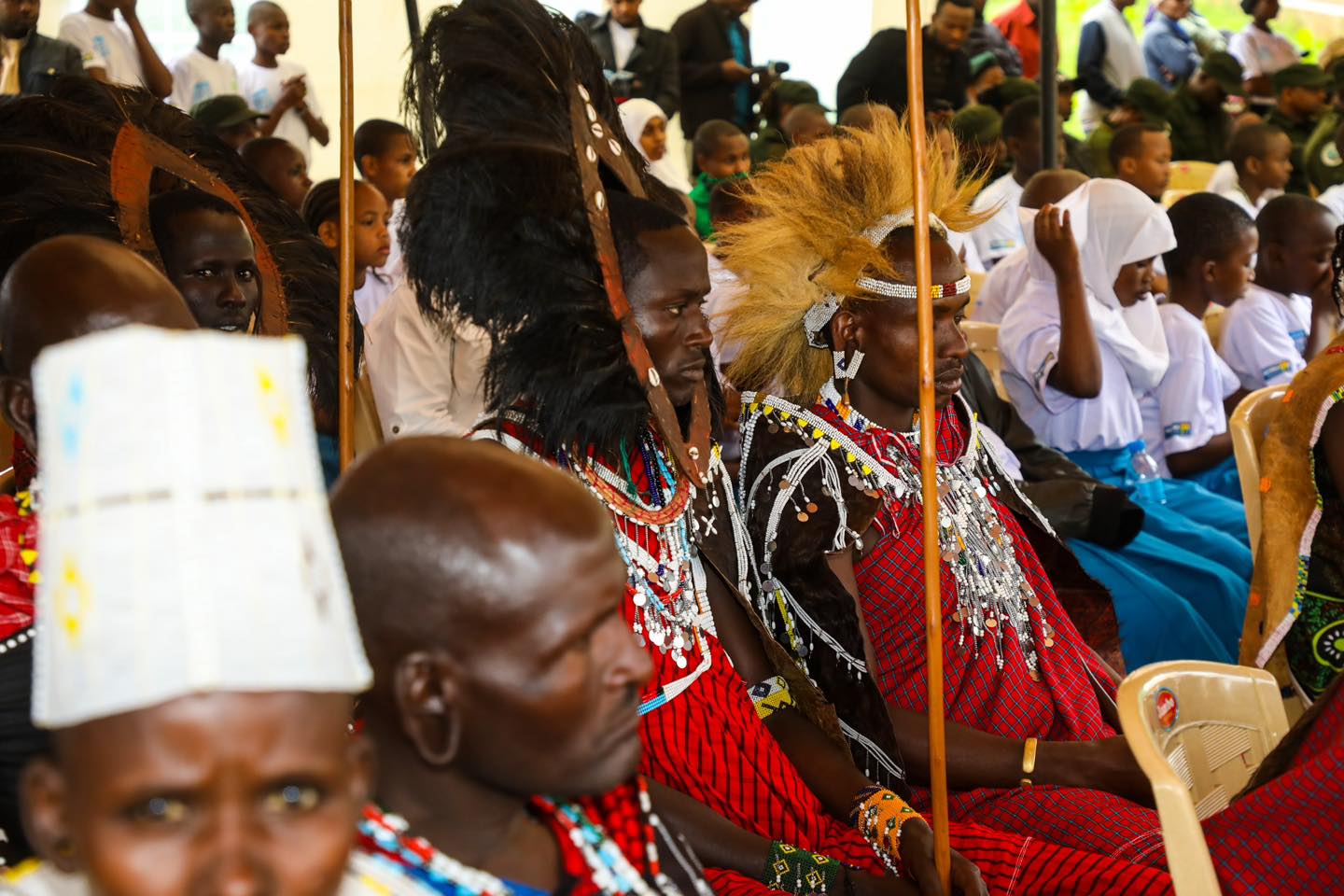
The four tribes that form the cultural identity of the Ngorongoro Lengai landscape demonstrated traditional dances, storytelling, hunting practices, crafts, and pastoral heritage, each reflecting centuries of coexistence with nature.
- The Maasai presented their iconic warrior traditions and pastoral lifestyle
- The Hadzabe shared ancient hunter-gatherer practices still preserved today
- The Datoga displayed blacksmithing skills and traditional ironwork
- The Iraqw highlighted their agricultural heritage and ancestral architecture
Together, they illustrated how cultural diversity remains a vital component of Tanzania’s World Heritage identity.
CALL TO PROTECT AND EXPAND WORLD HERITAGE SITES
Speaking during the celebration, Karatu District Commissioner Hon. Dr. Lameck Karanga emphasized that the existence of these indigenous communities is a national treasure.
He noted that their history, knowledge systems, and cultural continuity represent immense value to Tanzania and the world.
“The existence of these tribes and the respect for their culture is a great wealth for Tanzania. We must continue protecting our World Heritage sites and also identify new areas with Outstanding Universal Value so that Tanzania continues to attract more visitors and global recognition,” he said.
NGORONGORO’S GLOBAL SCIENTIFIC SIGNIFICANCE
The Deputy Commissioner for Conservation, Tourism and Social Development at Ngorongoro, Joas Makwati, reaffirmed the authority’s commitment to preserving the Ngorongoro area, which is recognized as a UNESCO World Heritage Site.
He highlighted Ngorongoro’s unique scientific importance, especially its contribution to understanding human origins.
According to him, the Olduvai Gorge area provides unmatched archaeological evidence of early human life, including ancient tools and artifacts that shape global understanding of human evolution.
“Ngorongoro is not only a heritage site but a living laboratory of human history. The discoveries in Olduvai Valley make this area one of the most important places in the world for understanding human origins,” he explained.
TANZANIA’S UNESCO MILESTONES
Adding a continental perspective, the Deputy Secretary of the National Commission for UNESCO Tanzania, Dr. Khamis Said, highlighted Tanzania’s achievements within the UNESCO framework.
He stated that since joining UNESCO, Tanzania has made significant progress in global heritage conservation, including:
- Approval of 10 UNESCO international conventions
- Establishment of 6 human and environmental reserves
- Recognition of 7 World Heritage Sites
He emphasized that these achievements reflect Tanzania’s growing role in global heritage preservation and environmental stewards
THEME: CELEBRATING HERITAGE AND SHAPING FUTURE LEADERS
This year’s theme,
“Celebrating World Heritage Day and Nurturing Tomorrow’s Leaders”
also framed the event’s broader vision.
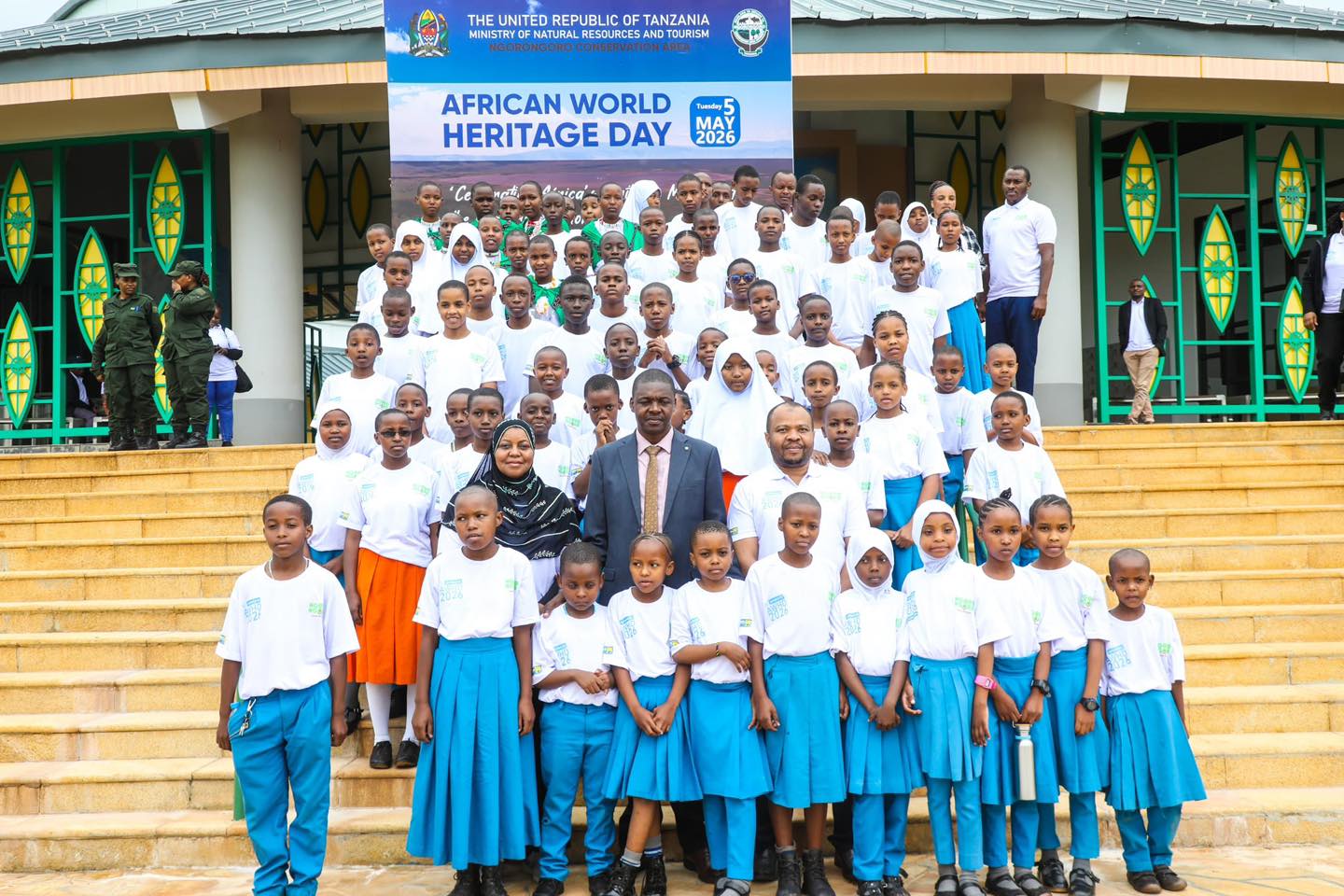
The celebration underscored that heritage is not only about preservation but also about education, youth empowerment, and passing knowledge to the next generation.
Through cultural exchange, storytelling, and community dialogue, the event aimed to inspire young people to become custodians of Africa’s rich heritage.
A SYMBOL OF UNITY AND GLOBAL SIGNIFICANCE
The gathering at Ngorongoro Lengai Geopark stands as a powerful reminder that Tanzania’s cultural diversity and natural heritage are inseparable.
By uniting the Maasai, Hadzabe, Datoga, and Iraqw communities under the global framework of World Heritage, the celebration reaffirmed Tanzania’s position as a key guardian of both cultural and natural treasures of humanity.
As the sun set over Karatu, the message was clear:
Africa’s heritage is alive, diverse, and globally significant — and its protection is a shared responsibility for the world.