
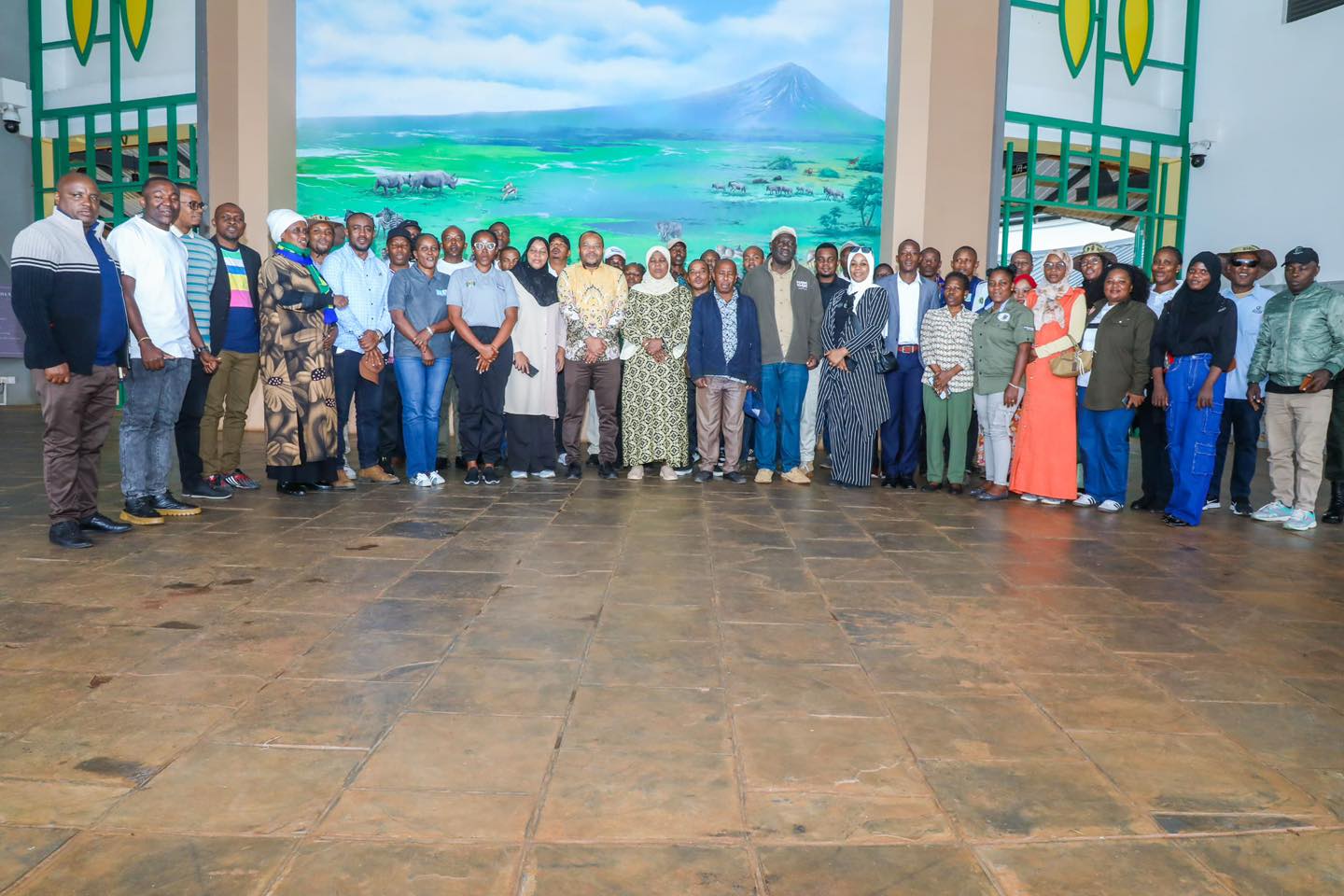
KARATU, Arusha — Tanzania has once again taken center stage in global heritage conservation as Ngorongoro Conservation Area hosts the World Heritage in Africa celebrations from May 4–5, 2026, bringing together stakeholders from across the country and beyond.
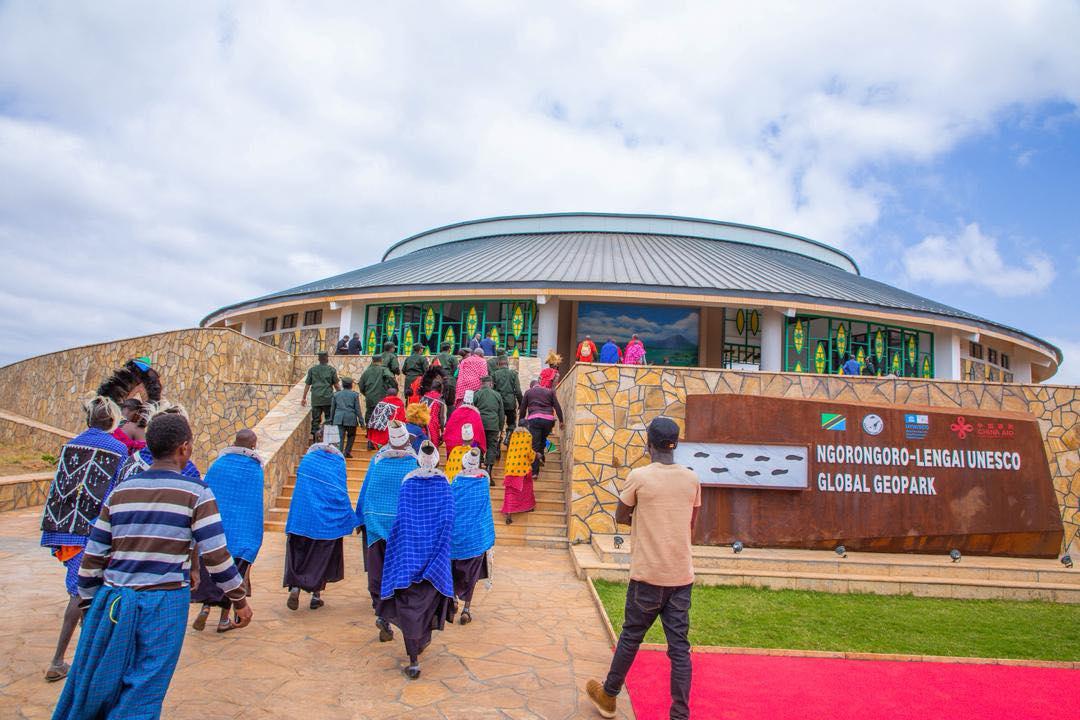
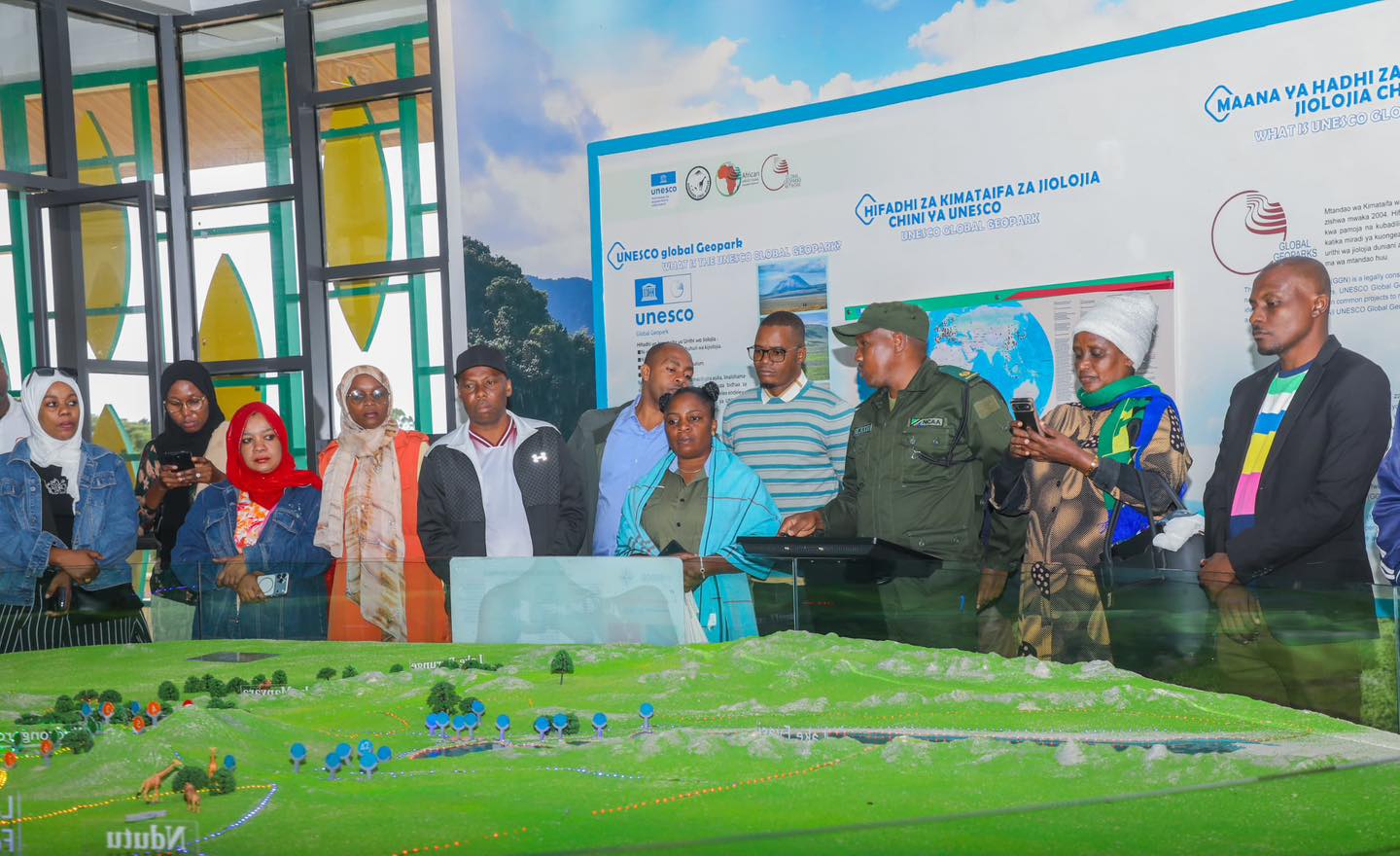
The landmark event is being held at the Heritage Geopark Museum in Karatu, a key facility managed by the Ngorongoro Conservation Area Authority, and has attracted participants from iconic heritage locations including Pemba, Unguja, Stone Town, Bagamoyo, Kondoa Rock Art Sites, Kilwa Kisiwani, and even the slopes of Mount Kilimanjaro.
Ngorongoro: A Natural and Cultural Wonder
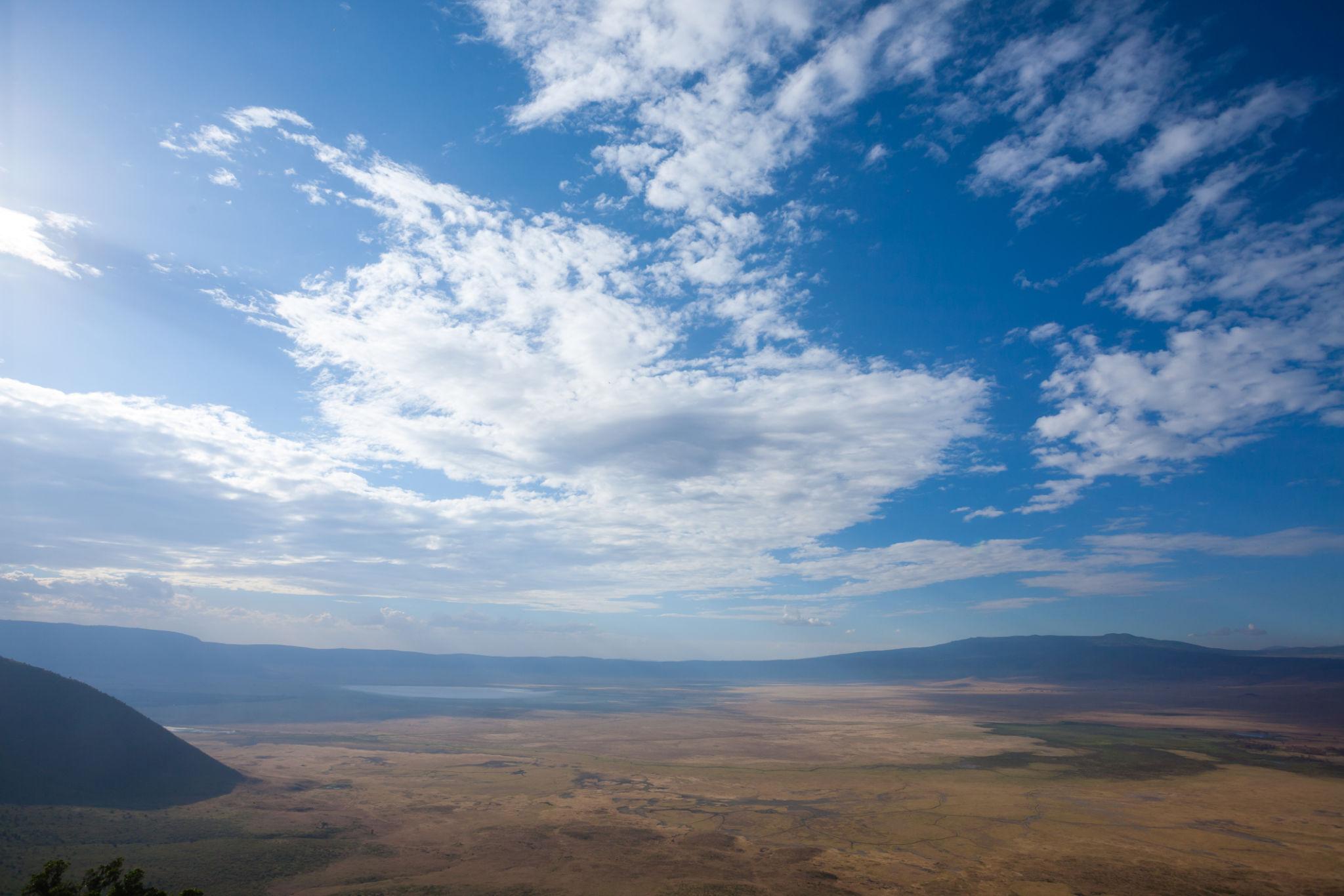
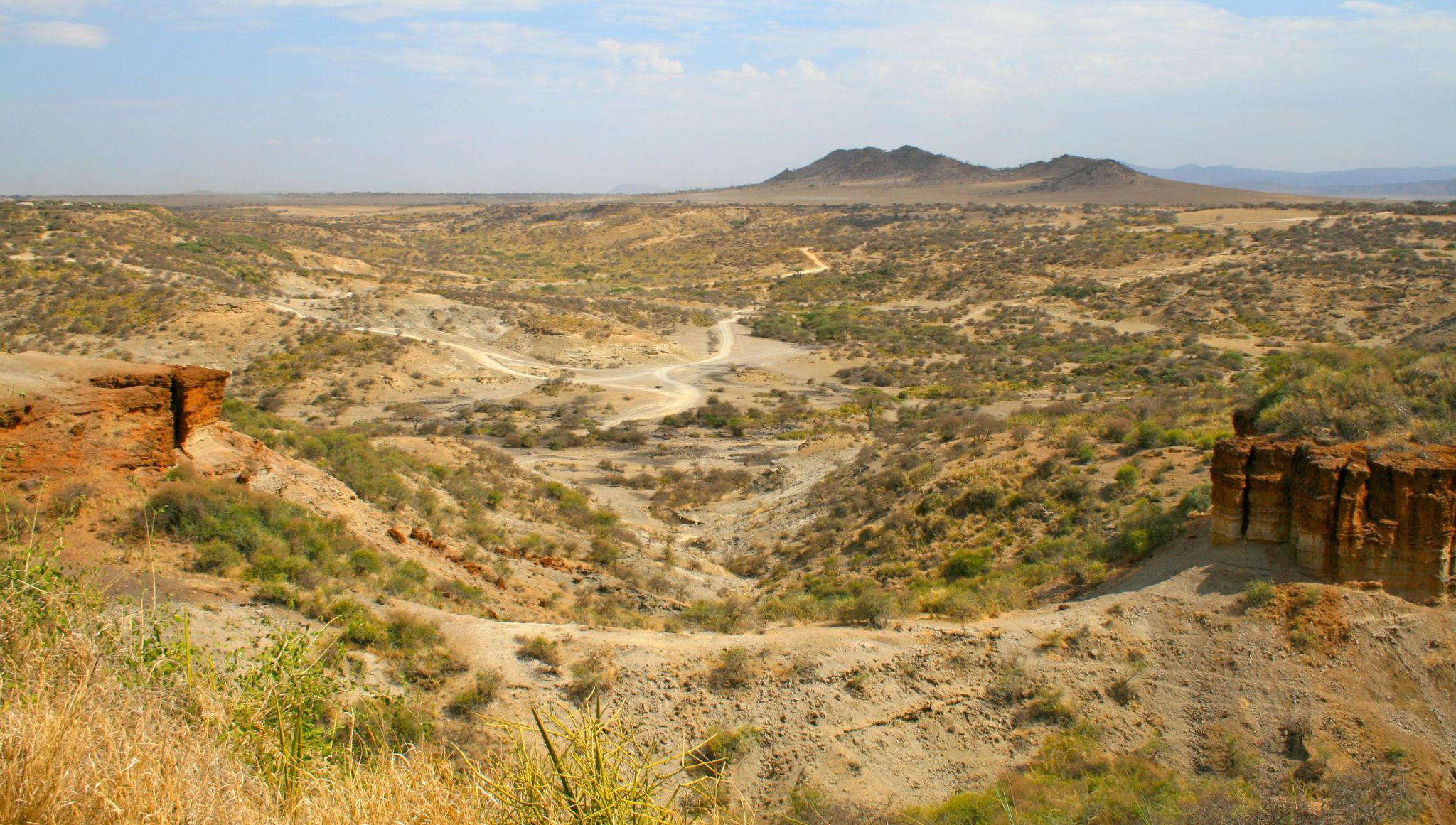
Often referred to as one of the greatest natural wonders of the world, Ngorongoro stands out as a unique convergence of wildlife, human history, and ecological systems. Formed more than two million years ago following a massive volcanic eruption, the crater has evolved into a self-sustaining ecosystem supporting thousands of animals and human communities.
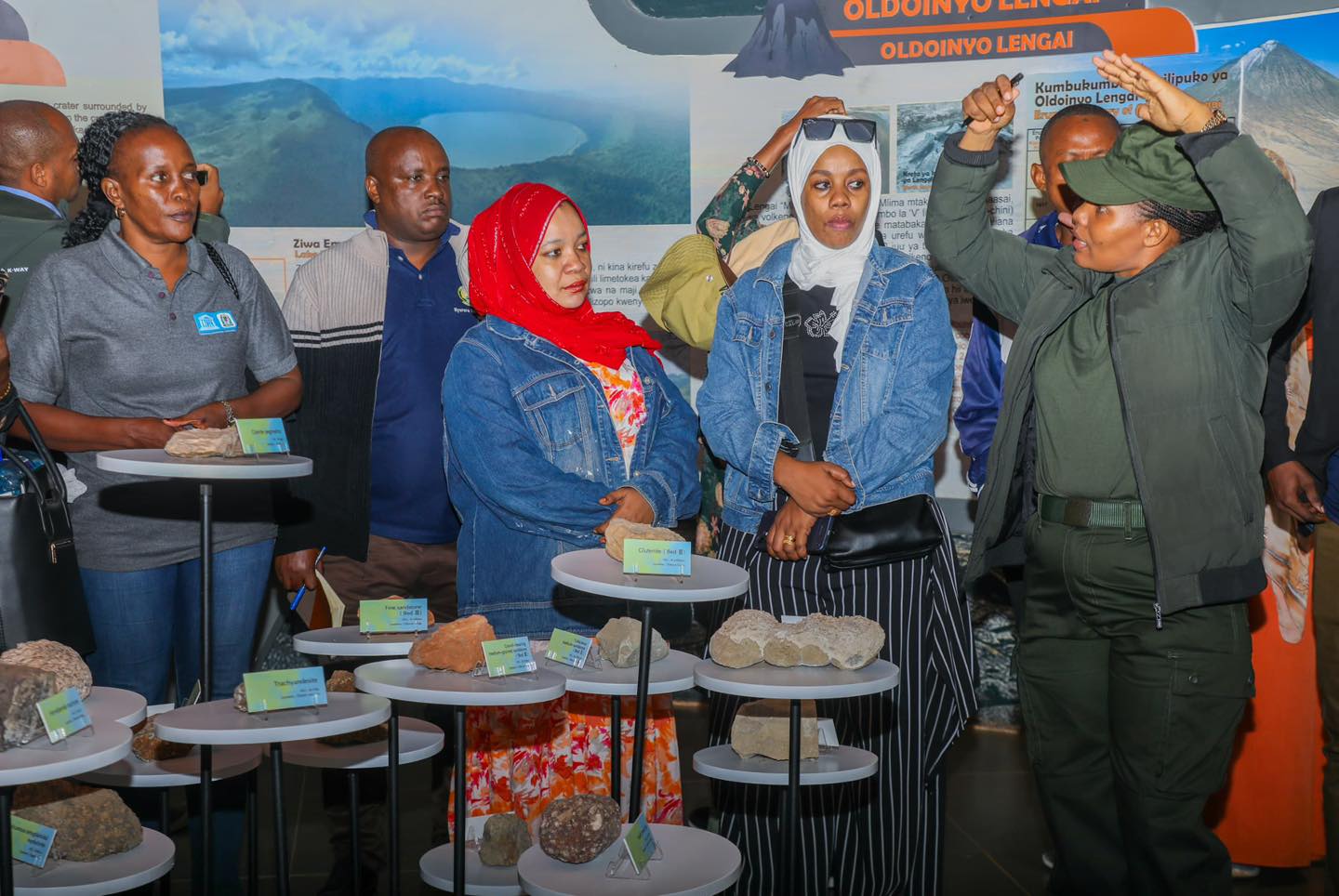
Stakeholders attending the event were taken through detailed geological and ecological briefings, highlighting how the area has become a living laboratory where nature, conservation, and human development coexist.
A Global Stage for Heritage Conservation
Speaking to the media, the Commissioner for Conservation at the Ngorongoro Conservation Area Authority, Abdul-Razaq Badru, expressed appreciation to partners, particularly UNESCO, for entrusting Tanzania with hosting this year’s celebrations.
“We are honored to host this important continental event that highlights Africa’s rich heritage and reinforces the need for its preservation for future generations,” he said.
The event underscores Ngorongoro’s global importance not only as a conservation area but also as a symbol of Africa’s shared heritage and identity.
Tracing the Origins of Humanity
Participants also visited and received briefings on some of the most গুরুত্বপূর্ণ archaeological discoveries in the world:
- Olduvai Gorge — often referred to as the “Cradle of Mankind,” where evidence of early human existence dating back about 2 million years has been discovered.
- Laetoli — home to the famous fossilized footprints showing that early humans walked upright over 3.6 million years ago.
These globally significant findings continue to attract researchers, historians, and tourists, reinforcing Tanzania’s position in the story of human evolution.
Strong Institutional Collaboration
The celebrations have brought together key conservation and heritage institutions, including:
- Ngorongoro Conservation Area Authority
- Tanzania National Parks Authority
- Tanzania Wildlife Management Authority
- Tanzania Forest Services Agency
Representatives from heritage sites across Tanzania, including Zanzibar, are also participating, highlighting a unified national approach to heritage preservation and promotion.
Boosting Cultural Tourism in Tanzania
The event is expected to significantly enhance Tanzania’s profile as a leading heritage tourism destination in Africa, complementing its already strong reputation in wildlife and beach tourism.
By showcasing its diverse heritage—from coastal ruins and ancient trade towns to early human archaeological sites—Tanzania is expanding its tourism offering into high-value cultural and educational travel.
Ngorongoro: The Giant of African Heritage
As the celebrations unfold, Ngorongoro reaffirms its status as a “Giant of African Heritage”—a place where the story of Earth, humanity, and biodiversity comes together in one extraordinary landscape.
With increasing global attention, the conservation area is poised to attract even more visitors seeking authentic, educational, and transformative travel experiences in Tanzania.