
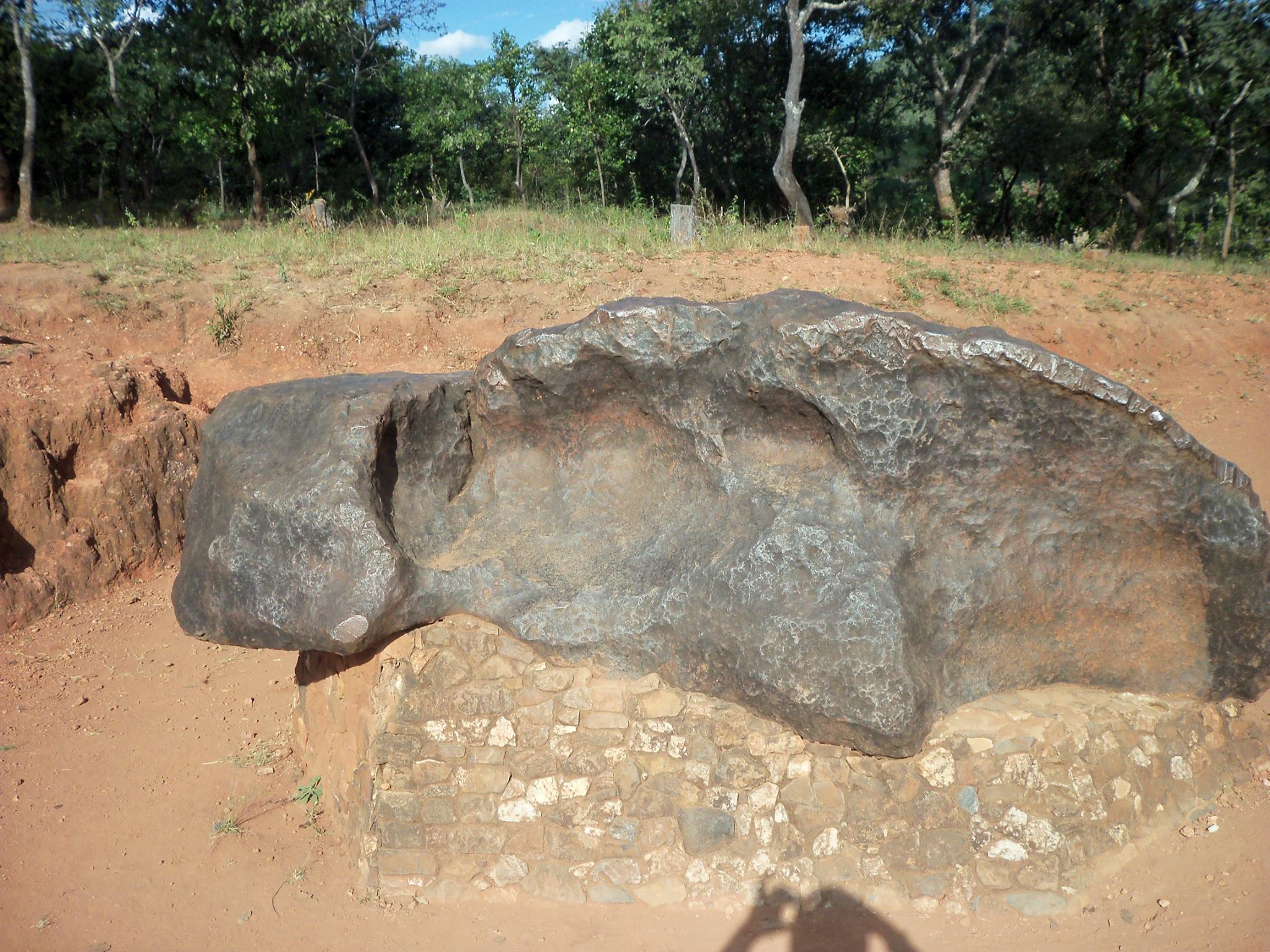
Mbozi Meteorite (Kimondo): Tanzania’s Giant from Space Among the World’s Largest
In the quiet landscapes of southern Tanzania lies a global geological treasure that connects Earth to the mysteries of space—the Mbozi Meteorite, famously known by locals as Kimondo. Recognized as one of the largest meteorites in the world, this massive iron rock has become a key scientific landmark and an emerging tourism attraction in Tanzania.
A Giant Among World Meteorites
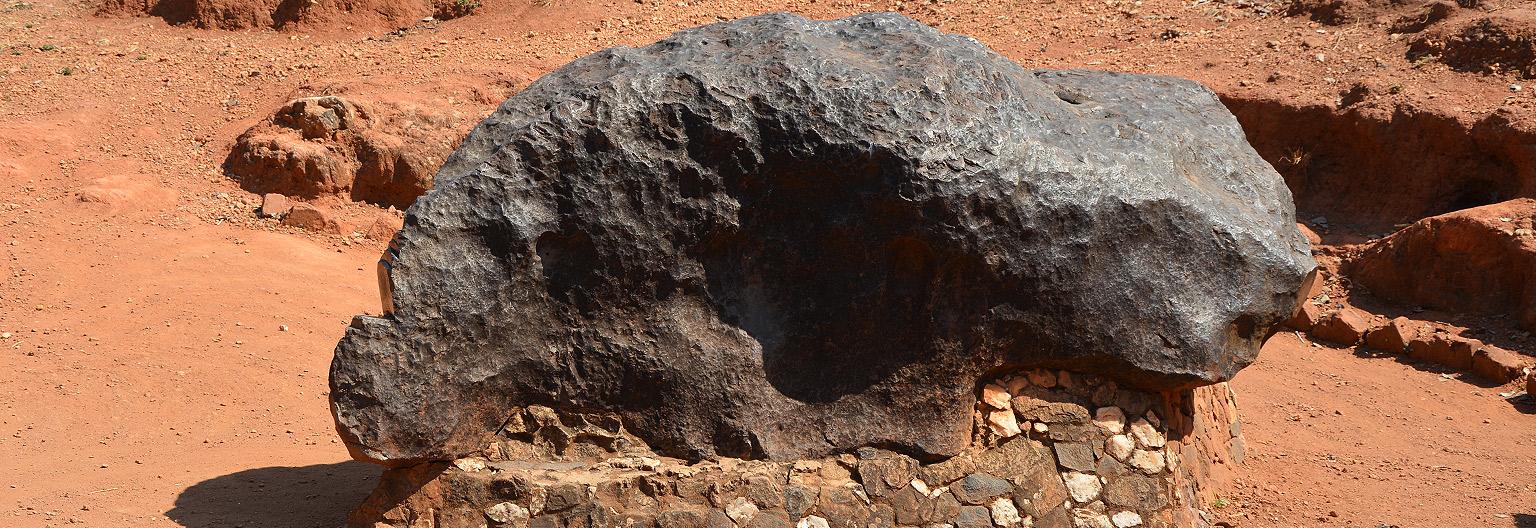
The Mbozi Meteorite is estimated to weigh about 16 tons, placing it among the top largest meteorites ever discovered on Earth. Unlike many meteorites that fragmented upon impact, Kimondo remained largely intact, making it exceptionally rare.
Global Context
Across the world, only a few meteorites rival its size, including:
- The Hoba Meteorite in Namibia (the largest known meteorite on Earth)
- Cape York Meteorites in Greenland
- Ahnighito Meteorite (part of Cape York)
Within this elite category, the Mbozi Meteorite stands as Africa’s second-largest known meteorite, reinforcing Tanzania’s place on the global scientific map.
Scientific Significance
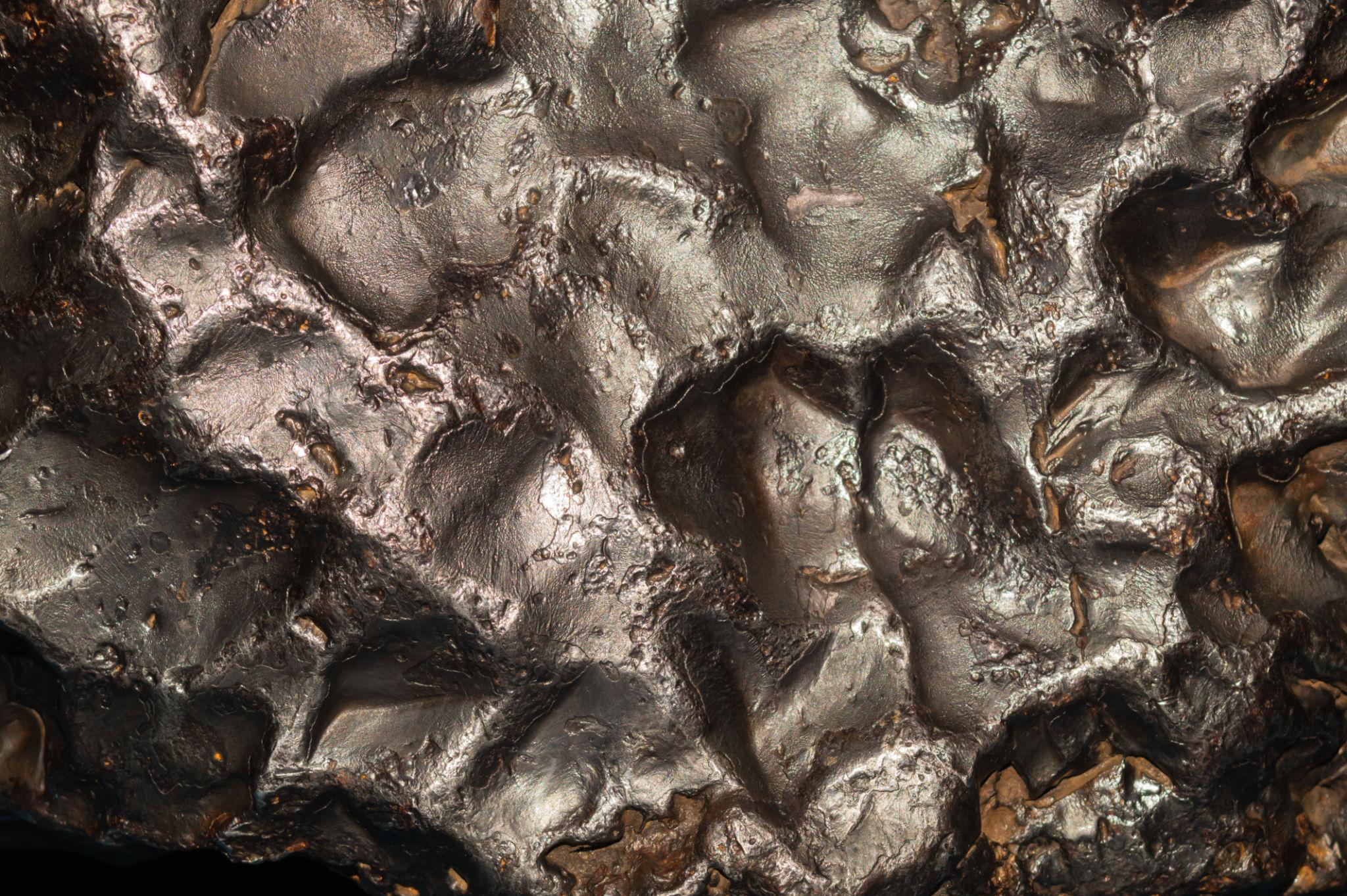
Scientists classify the Mbozi Meteorite as an iron meteorite, composed mainly of:
- Iron (Fe)
- Nickel (Ni)
This composition provides valuable insights into:
- The formation of planetary cores
- Early solar system processes
- The history of extraterrestrial materials interacting with Earth
What makes Kimondo even more fascinating is that it shows no visible crater, suggesting it may have landed thousands—possibly millions—of years ago and settled gently or eroded over time.
Cultural and Local Importance
For generations, local communities in Mbozi District have regarded the meteorite with awe and mystery.
- The name “Kimondo” reflects something extraordinary or unexplainable from the sky
- It has long been a subject of storytelling and traditional beliefs
- Today, it stands as a symbol of pride and identity for the local community
The Tanzanian government has since protected the site, fencing it to preserve its integrity and promote it as a heritage attraction.
Tourism Potential and Accessibility
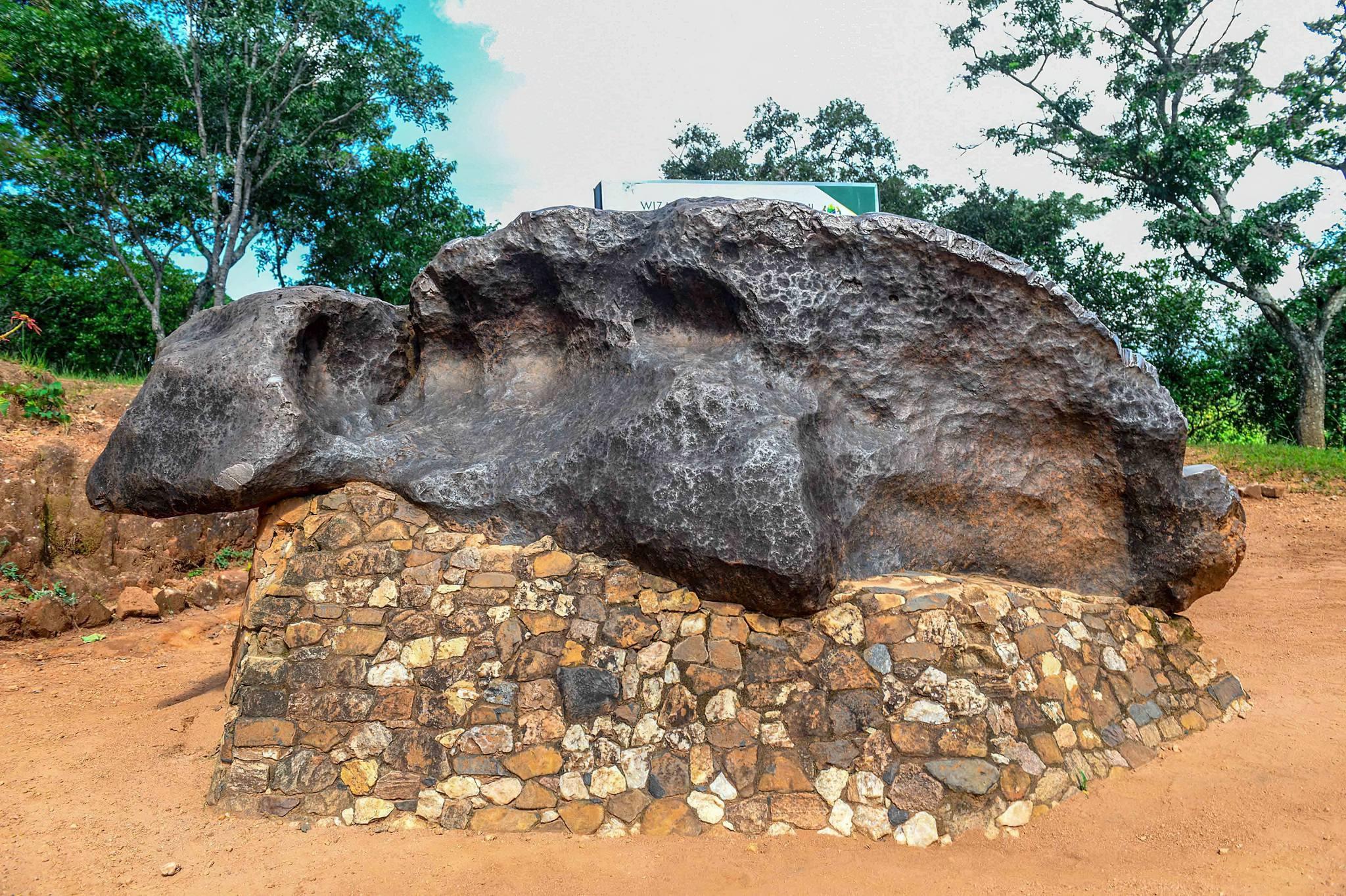


The Mbozi Meteorite is increasingly becoming a must-visit destination for:
- Geotourism enthusiasts
- Researchers and students
- Adventure travelers exploring Southern Tanzania
Location Advantage
The meteorite is located approximately:
- 3 hours’ drive from Kitulo National Park
- Near Mbeya, a key gateway to the southern circuit
This proximity allows visitors to combine:
- A visit to one of the world’s largest meteorites
- Exploration of Tanzania’s only floral national park
Why the Mbozi Meteorite Matters Globally
The Mbozi Meteorite is more than just a rock—it is:
- A scientific archive of the universe
- A rare natural monument of global importance
- A tourism asset capable of attracting niche global markets
As global travel trends shift toward unique, educational, and off-the-beaten-path experiences, destinations like Mbozi are gaining relevance.
The Mbozi Meteorite (Kimondo) stands as one of the world’s largest meteorites, quietly resting in southern Tanzania while holding stories that span across the universe. Its scale, mystery, and scientific value make it not only a national treasure but also a site of international significance.
With strategic promotion and integration into Tanzania’s tourism circuits, Kimondo has the potential to become one of Africa’s leading geotourism attractions.