
Dar es Salaam, Tanzania – April 2026
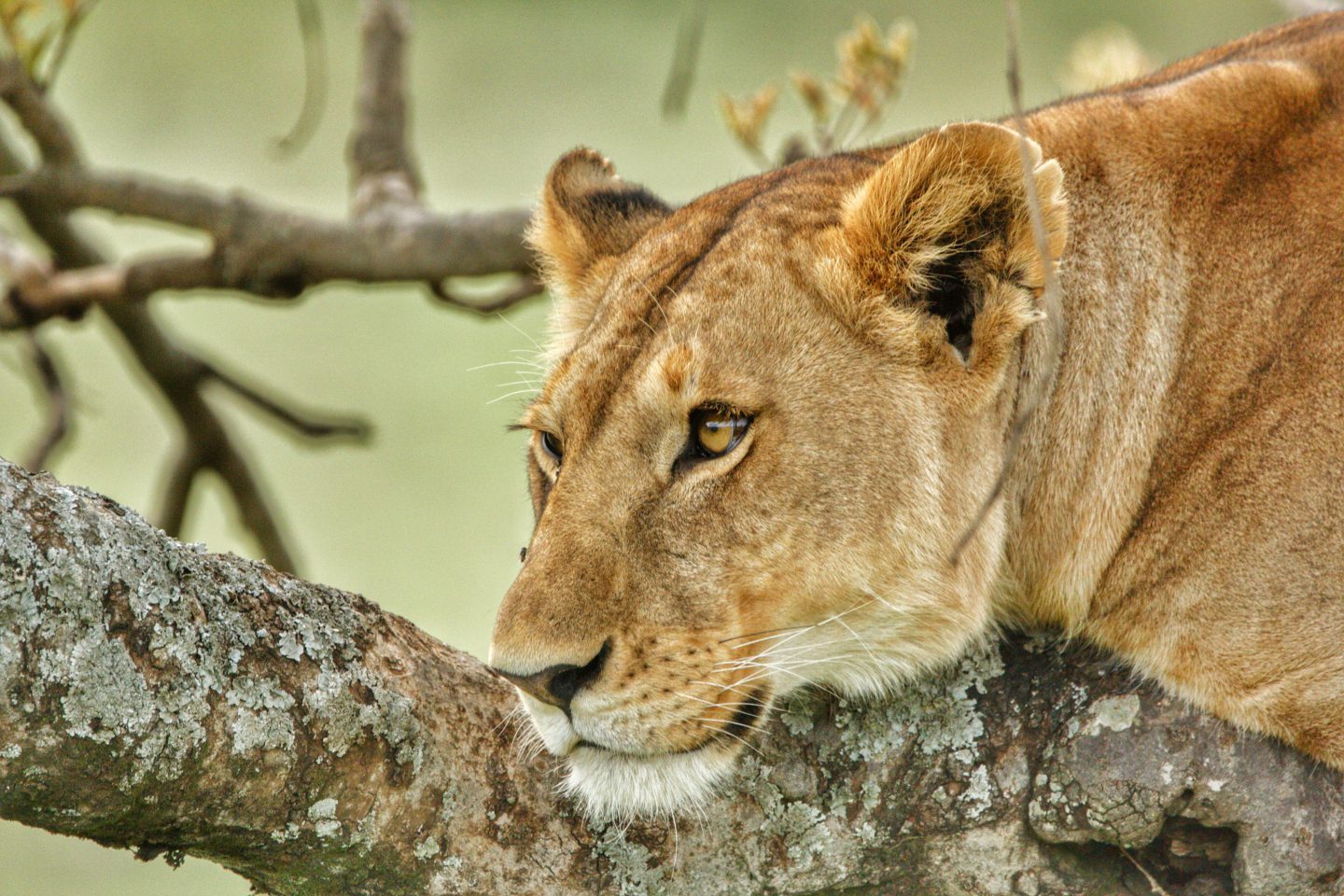
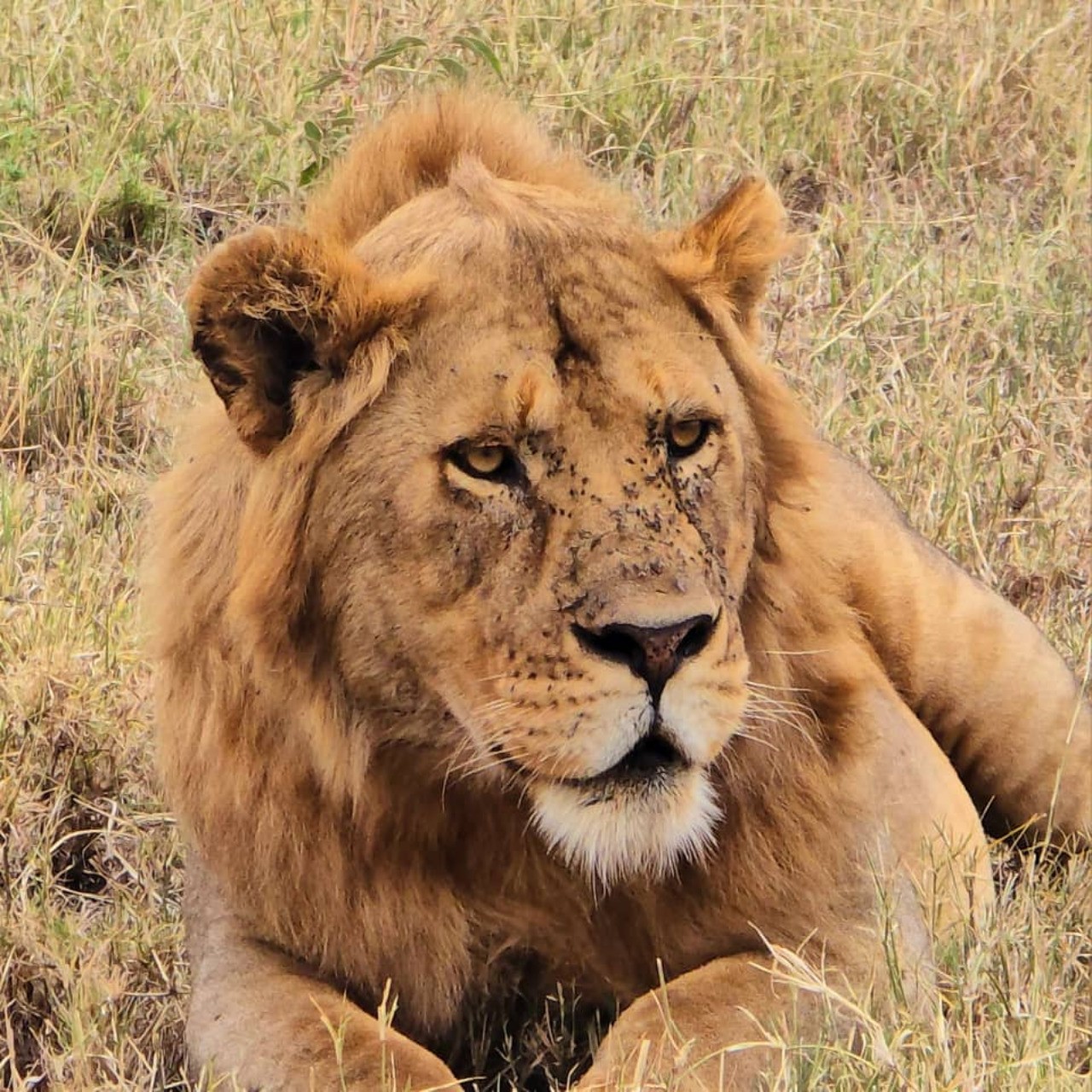
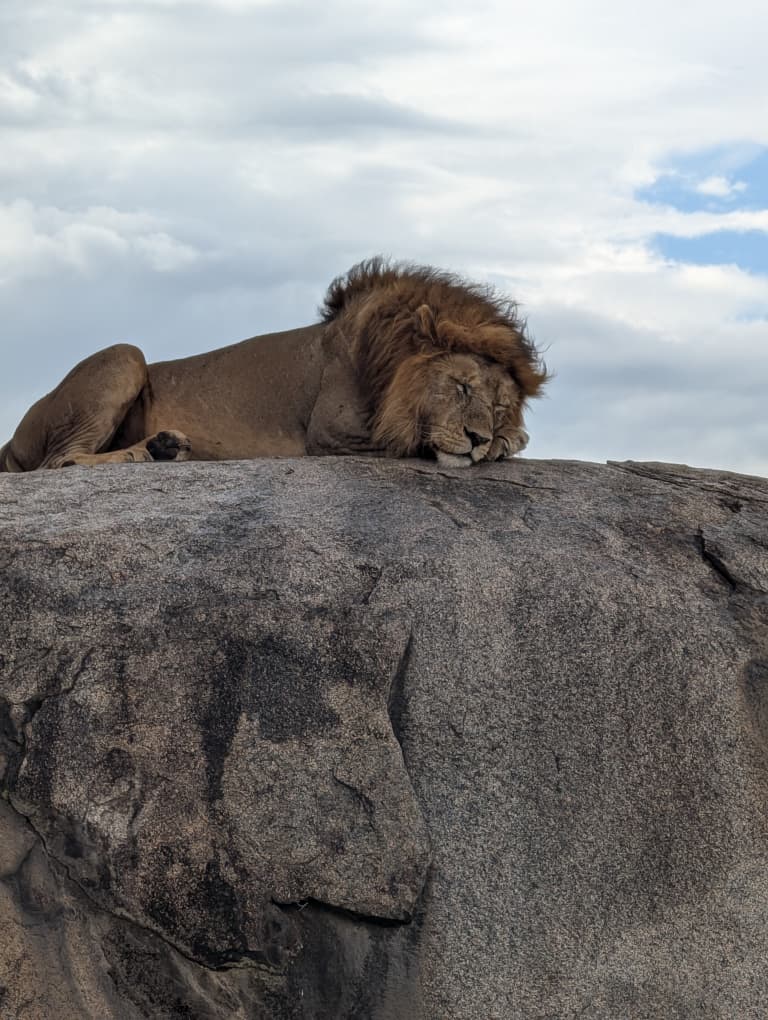
Tanzania has firmly positioned itself at the heart of Africa’s wildlife narrative, emerging as the “Lion Capital of Africa” with an estimated 17,000 lions roaming its protected ecosystems. This remarkable figure represents the largest lion population in the world, reinforcing the country’s global leadership in conservation and its unmatched appeal as a premier safari destination.
At a time when lion populations across Africa face increasing pressure from habitat loss and human-wildlife conflict, Tanzania stands out as a stronghold for the survival of the African lion, offering vast, connected landscapes where nature continues to thrive.
A Sanctuary for the King of the Savanna
The African lion (Panthera leo) is more than a wildlife icon—it is a symbol of Africa’s ecological identity and a key driver of global tourism. Tanzania’s success in sustaining such a significant population is rooted in the scale and diversity of its protected areas.
World-renowned ecosystems such as Serengeti National Park and the Ngorongoro Conservation Area provide ideal conditions for lion populations to flourish. These areas are supported by abundant prey, minimal human encroachment, and long-standing conservation frameworks.
Further south, parks like Ruaha National Park and Nyerere National Park are gaining recognition for their large prides and raw, untouched wilderness, offering visitors a more exclusive and less crowded safari experience.
Conservation That Delivers Results
Tanzania’s rise as Africa’s lion capital is no coincidence—it is the outcome of decades of deliberate conservation policy and collaboration. The Tanzania National Parks Authority, in partnership with local and international stakeholders, has implemented robust anti-poaching strategies, strengthened park management systems, and expanded conservation zones.
Equally important is the role of communities living near wildlife areas. Through revenue-sharing models, employment in tourism, and conservation education, local populations have become active partners in protecting wildlife, helping to reduce conflict and ensure long-term sustainability.
The strategic direction provided by the Ministry of Natural Resources and Tourism Tanzania continues to align conservation with economic development—positioning wildlife as a national asset that drives growth.
A Powerful Asset for Tourism Growth
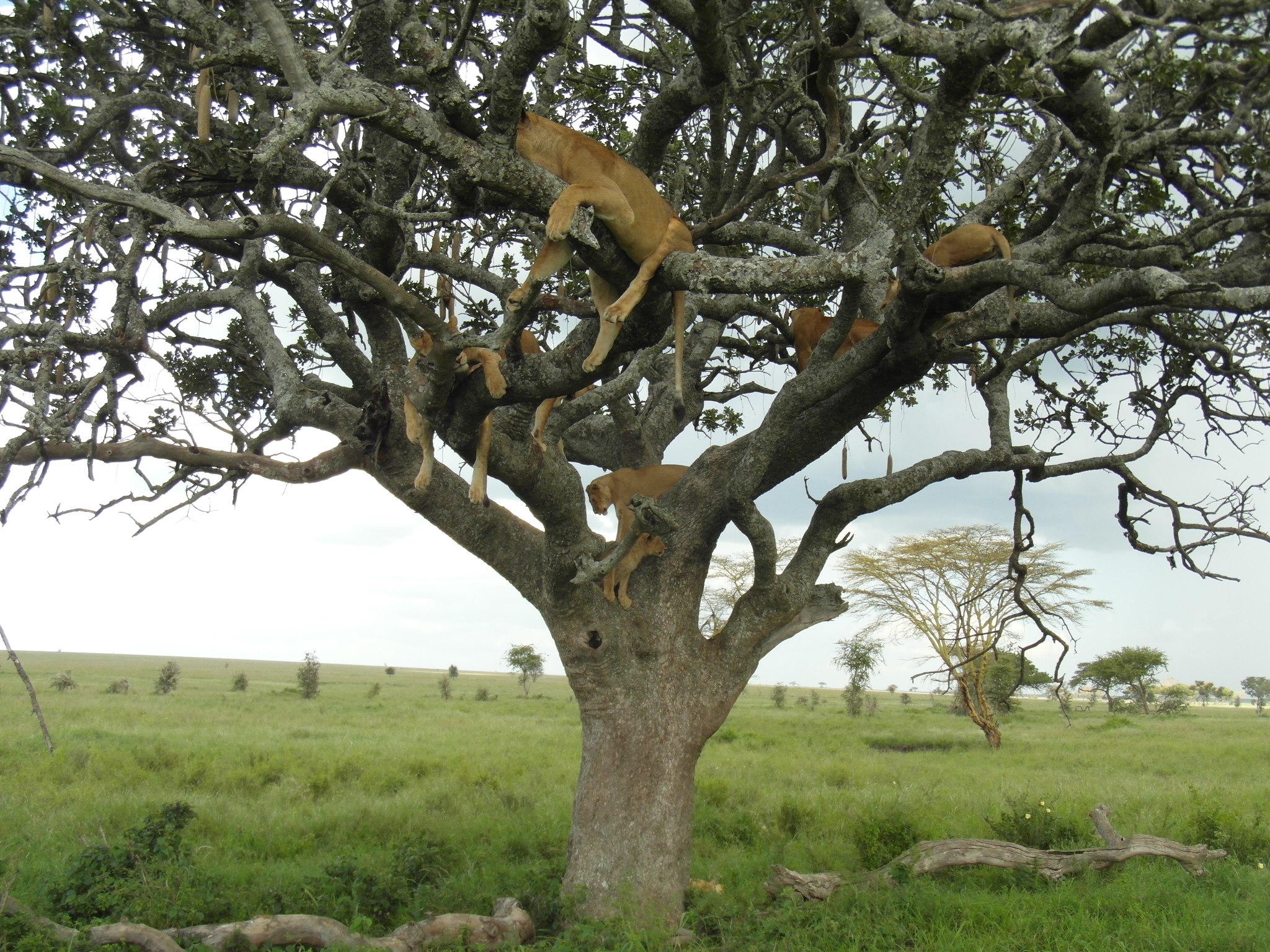
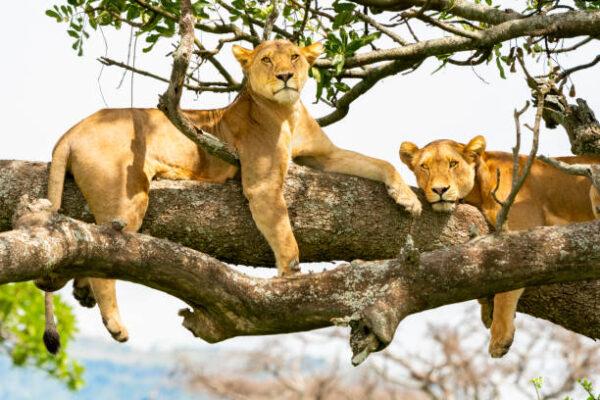
The confirmation of Tanzania as the largest lion habitat globally presents a compelling advantage for the tourism sector. As international travelers increasingly seek authentic, high-impact experiences, the opportunity to witness lions in large numbers within natural settings is a powerful draw.
Key tourism implications include:
- Global Brand Strengthening: Tanzania solidifies its identity as the ultimate destination for big cat safaris.
- Premium Market Attraction: High-value travelers prioritize destinations with strong wildlife density and exclusivity.
- Expanded Safari Circuits: Growth in southern parks encourages diversification beyond traditional routes.
- Content-Led Promotion: The lion population milestone provides a strong narrative for digital campaigns, media features, and storytelling.
For platforms like GoTanzania, this is a defining moment to position the country not just as a destination—but as the global capital of lion-based safari experiences.
Beyond the Northern Circuit: Unlocking New Frontiers
While the northern circuit remains iconic, Tanzania’s lion population extends across lesser-explored regions, opening new opportunities for tourism investment and product development.
The southern and western circuits—particularly Ruaha and Nyerere—offer:
- Vast, uncrowded landscapes
- High predator density
- Authentic wilderness experiences
This geographic distribution supports sustainable tourism growth, reducing pressure on flagship parks while ensuring broader economic benefits across regions.
Sustaining the Lion Capital Legacy
Maintaining Tanzania’s leadership as Africa’s lion capital will require continued focus on sustainability and innovation. Key priorities moving forward include:
- Protecting wildlife corridors and migration routes
- Enhancing anti-poaching technologies and surveillance
- Strengthening community-based conservation models
- Leveraging data and digital tools for wildlife monitoring
Balancing conservation with tourism expansion will be critical to preserving this natural advantage for future generations.
A Defining Narrative for Global Promotion
Tanzania’s recognition as the Lion Capital of Africa is more than a conservation milestone—it is a strategic branding opportunity with global resonance. It tells a story of resilience, scale, and authenticity that few destinations can match.
For international travelers, it represents the promise of witnessing one of nature’s most powerful predators in its true habitat. For the tourism industry, it provides a platform to elevate Tanzania’s positioning in an increasingly competitive global market.
Explore the Lion Capital of Africa
From the endless plains of Serengeti National Park to the remote wilderness of Ruaha National Park, Tanzania invites the world to experience the unmatched reality of Africa’s lion kingdom—where the wild still rules.