
Tanzania Moves to Promote Tabora’s Rich Cultural and Historical Heritage Globally
The Tanzanian government has announced major plans to position Tabora as one of the country’s leading historical tourism destinations by promoting its unique archaeological and cultural heritage sites to international travelers.
Through the Ministry of Natural Resources and Tourism and the Department of Antiquities, the government is working to officially identify, preserve, and globally market historical attractions found in the region, including the famous Dr. David Livingstone Museum.
Speaking during a visit to Tabora, Ashatu Kijaji said the initiative aims to ensure the region’s rich history becomes internationally recognized while creating economic opportunities for local communities through tourism growth.
“Our Department of Antiquities will continue working to promote these historical sites globally so they can become key tourism attractions for Tabora and Tanzania,” said Minister Kijaji.

Tabora’s Historic Sites Offer a Journey into East African History
Tabora is one of Tanzania’s most historically significant regions, once serving as a major center for ancient trade caravans connecting the East African coast with the interior of the continent.
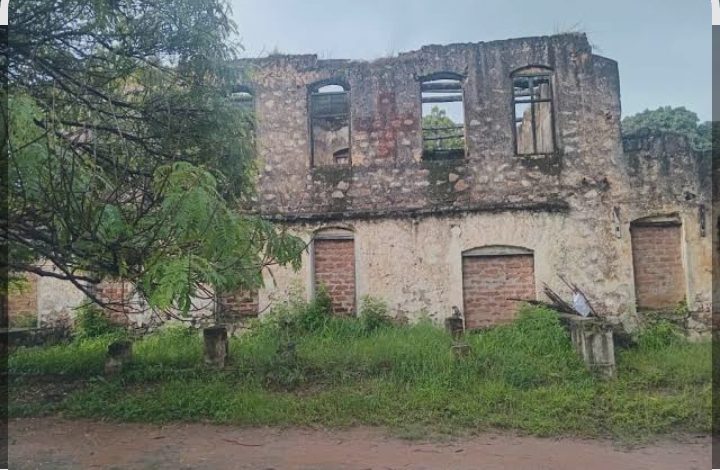
Among the heritage attractions expected to gain stronger international visibility are the historic Old Town of Tabora, the Livingstone’s Well, former German colonial buildings, ancient Arab residences, historic caravan routes, and the famous Kazeh Historic Site.
The area is closely linked to the travels of renowned explorer David Livingstone, whose expeditions through East Africa remain part of global historical narratives.
Tourism experts believe these sites have the potential to attract international cultural tourists, researchers, historians, and educational travelers interested in Africa’s pre-colonial and colonial history.
Igombe Forest Eco-Tourism Project to Boost Nature Tourism
In addition to historical tourism, authorities are also investing in eco-tourism development within the region.
The Tanzania Forest Services Agency (TFS) has announced plans to establish a new eco-tourism attraction inside the Igombe Forest Reserve.
According to Tabora District Forest Conservator Aloyce Kilemwa, approximately 77 million Tanzanian shillings have been allocated for the 2026/2027 financial year to develop tourism infrastructure around the forest reserve and its scenic dam.
The project follows earlier preparations funded during the 2025/2026 financial year.
New Tourism Activities Planned at Igombe Forest
Officials say the eco-tourism site will feature environmentally friendly visitor facilities, walking trails, and viewing points surrounding the forest’s picturesque water reservoir and hills.
Tourists visiting the reserve are expected to enjoy activities including canoe boating, sport fishing, birdwatching, nature walks, and viewing small wildlife species such as monkeys and dik-diks.
The project will also introduce beekeeping tourism experiences and traditional bee therapy wellness activities aimed at promoting natural healing and relaxation experiences within the forest environment.
Historic Igombe Dam Adds Tourism Value
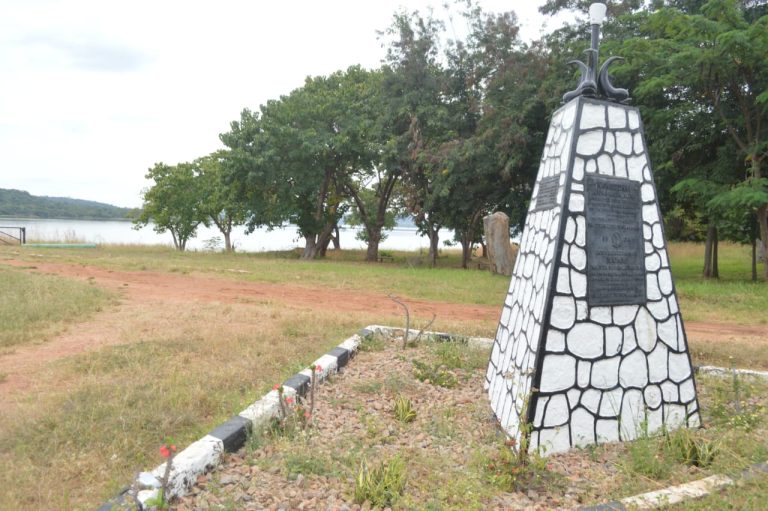
Tourism specialists from TFS explained that the approximately 12-kilometer-long Igombe Dam was originally established in 1958 by British Governor Sir Edward Twining to supply water to Tabora Municipality.
Today, the reservoir is emerging as a potential tourism attraction combining history, nature, and recreation.
Tabora Emerging as a New Tourism Frontier
The government’s latest initiatives reflect Tanzania’s broader strategy to diversify tourism beyond traditional wildlife safaris by promoting cultural heritage, eco-tourism, and historical experiences across different regions.
While Tanzania remains globally famous for attractions such as Serengeti National Park, Mount Kilimanjaro, and Zanzibar, destinations like Tabora are increasingly gaining attention for offering authentic historical and cultural tourism experiences.
With ongoing conservation and tourism investments, Tabora is expected to become one of Tanzania’s emerging heritage tourism destinations for both domestic and international visitors.