GOVERNMENT WARNS KRTO OVER LEGAL LIMITS IN KILIMANJARO MOUNTAIN TOURISM
KILIMANJARO: The Government, through the Ministry of Natural Resources and Tourism, has directed the Kilimanjaro Responsible Trekking Organisation (KRTO) to operate strictly within its legally established mandate and refrain from undertaking functions reserved for government authorities in the management and regulation of mountain tourism.
The directive comes amid growing efforts to strengthen compliance, accountability and service standards in Tanzania’s mountain tourism sector, particularly around Mount Kilimanjaro, one of the country’s most internationally recognised tourism attractions.
According to a statement issued by the Government Communication Unit, all tourism companies, organisations and associations operating in Tanzania are required to comply fully with the Tourism Act, Cap. 65, including provisions relating to registration, licensing, service standards and the lawful operation of tourism activities.
The Ministry stressed that organisations or institutions that do not have statutory authority cannot lawfully assume responsibilities assigned by law to the Government or other competent authorities.
Government clarifies authority over tourism licensing
The Ministry has specifically directed KRTO to stop presenting itself as an institution with authority to certify, approve or declare tourism companies or agents legally authorised to conduct mountain tourism activities in Tanzania.
The Government explained that the authority to determine whether a tourism company or agent is legally permitted to operate rests with the relevant government institutions established under the law.
Similarly, private organisations, associations or other bodies without statutory powers cannot declare a tourism operator legally or illegally authorised to conduct tourism activities on behalf of the Government.
The Ministry has also cautioned KRTO against presenting compliance with its own “responsible tour operator” criteria in a manner that could be interpreted by the public, tourists or international partners as an official Government certification or legal operating licence.
Concern over information shared internationally
The Government further raised concern over information disseminated through KRTO's website and international networks where such communication could create the impression that the organisation is the final authority in determining which companies are legally authorised to operate mountain tourism activities.
According to the Ministry, such representations could create confusion among tourists, international partners and tourism stakeholders and potentially affect companies that are operating under valid licences issued by the competent government authorities.
The clarification is therefore aimed at ensuring that visitors and tourism businesses can clearly distinguish between private-sector standards, industry initiatives and official Government licensing and regulatory decisions.
Porters' welfare remains important
The Ministry also addressed KRTO's role in relation to mountain porters, noting that while the welfare and working conditions of porters remain important components of responsible mountain tourism, organisations must operate within their legally defined mandates.
KRTO has consequently been warned against assuming responsibilities to protect or represent the interests of mountain porters in ways that exceed its legal authority.
The Government further stated that KRTO must not obstruct, interfere with or otherwise disrupt legitimate activities of tourism operators and companies that have been properly licensed by the relevant authorities unless there is a lawful basis for such action.
TANAPA to continue enforcement inside Kilimanjaro National Park
Meanwhile, the Tanzania National Parks Authority (TANAPA), through Kilimanjaro National Park (KINAPA), will continue monitoring tourism operations within the park to ensure that companies and agents comply with applicable laws, regulations, licence conditions, conservation requirements and operational procedures.
The Government emphasised that tourism activities within protected areas will continue to be managed by institutions legally mandated to perform those responsibilities.
This includes ensuring that tourism operators meet required standards while protecting visitor safety, maintaining service quality and safeguarding the ecological integrity of Mount Kilimanjaro.
Balancing tourism growth with regulation
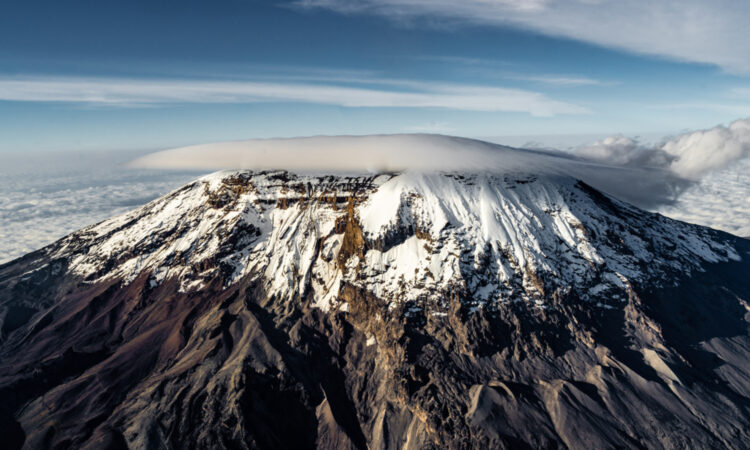
Mount Kilimanjaro remains one of Tanzania's most important tourism assets, attracting visitors from across the world who come to experience Africa's highest mountain.
The Government's position highlights the importance of maintaining a clear regulatory framework as mountain tourism continues to grow. Effective regulation is critical not only for protecting the mountain's fragile environment but also for ensuring that tourists receive quality and safe services and that tourism businesses compete under clear and transparent rules.
At the same time, the Ministry acknowledged the important role played by non-governmental organisations, tourism associations and private-sector stakeholders in promoting Tanzania's tourism industry and supporting responsible tourism practices.
However, it stressed that cooperation between Government and private-sector actors must remain within the boundaries established by laws, regulations and official government procedures.
Commitment to transparency and fairness
The Ministry assured tourism stakeholders, mountain operators and the public that the Government will continue managing Tanzania's tourism sector on the principles of lawfulness, transparency, fairness and accountability.
It said the approach is intended to protect the interests of Tanzania while creating a predictable operating environment for legitimate tourism businesses and ensuring that the country's natural and cultural resources are sustainably managed.
For Mount Kilimanjaro, the clarification reinforces the principle that the growth of mountain tourism must go hand in hand with strong conservation, visitor safety, professional service standards, lawful licensing and responsible participation by all stakeholders.