
Dar es Salaam, Tanzania
The National Museum of Tanzania has commemorated Africa Day by honoring the remarkable legacy of renowned Tanzanian diplomat Salim Ahmed Salim, whose contributions to leadership, diplomacy, African unity, and global development continue to inspire generations across the continent and beyond.
The event, held on May 25, 2026 at the National Museum and House of Culture, formed part of annual Africa Day celebrations observed across the continent to mark the founding of the Organization of African Unity (OAU), now the African Union (AU).
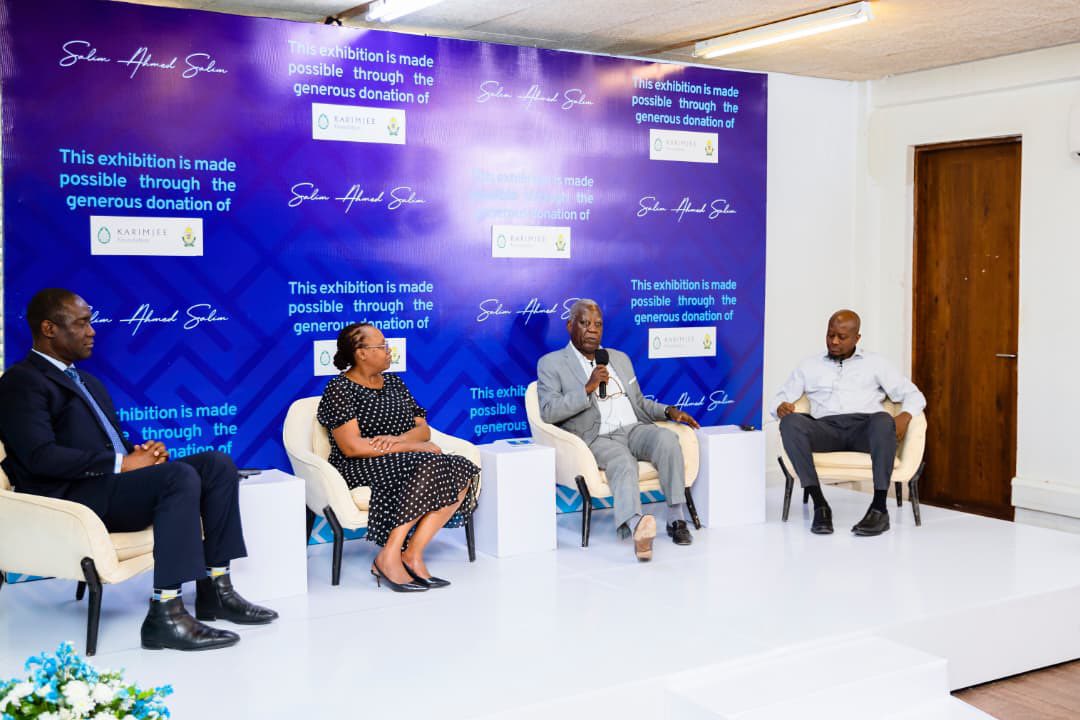
Organized by the National Museum through the Museum and House of Culture Centre in collaboration with Kengo Ltd, the celebrations featured a high-level public discussion focusing on leadership, entrepreneurship, and diplomacy in shaping a united and sustainable Africa.
Celebrating One of Africa’s Most Respected Diplomats
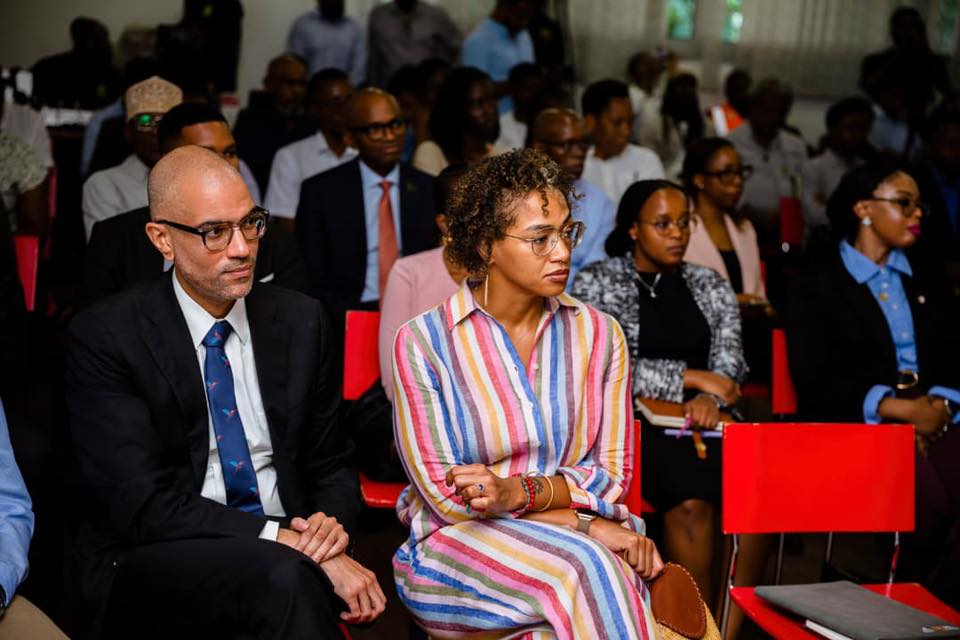
The special forum brought together leaders, scholars, stakeholders, students, and members of the public who gathered to reflect on the life, vision, and achievements of Dr. Salim Ahmed Salim, one of Africa’s most respected diplomats and statesmen.
Participants explored his influential role in Tanzania’s development, African diplomacy, peacebuilding initiatives, and international relations throughout his distinguished career.
Dr. Salim Ahmed Salim is widely recognized for his leadership as former Secretary-General of the Organization of African Unity and for representing Tanzania in key international diplomatic platforms for several decades.
Speakers at the event highlighted his dedication to African unity, conflict resolution, good governance, and inclusive development, describing him as a symbol of visionary African leadership.
Dialogue on Africa’s Future
The Africa Day discussion also focused on the importance of empowering young Africans through leadership development, innovation, entrepreneurship, and regional cooperation.
Panelists emphasized that Africa’s future depends on preserving the values of integrity, diplomacy, unity, and self-reliance championed by leaders such as Dr. Salim Ahmed Salim.
Attendees were encouraged to learn from historical African figures whose contributions continue to shape the continent’s identity and global influence.
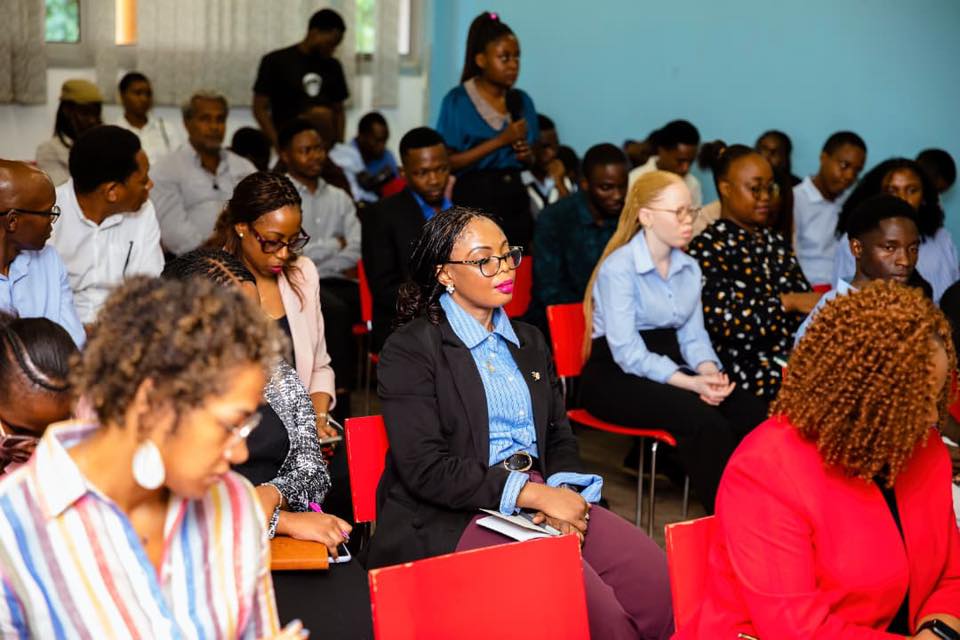
The event created an important platform for intergenerational dialogue, allowing young people to engage with experienced leaders and gain deeper understanding of Africa’s diplomatic and political history.
Preserving Tanzania’s Historical Legacy
Among the distinguished guests attending the event was John Ulanga, alongside cultural stakeholders and government representatives.
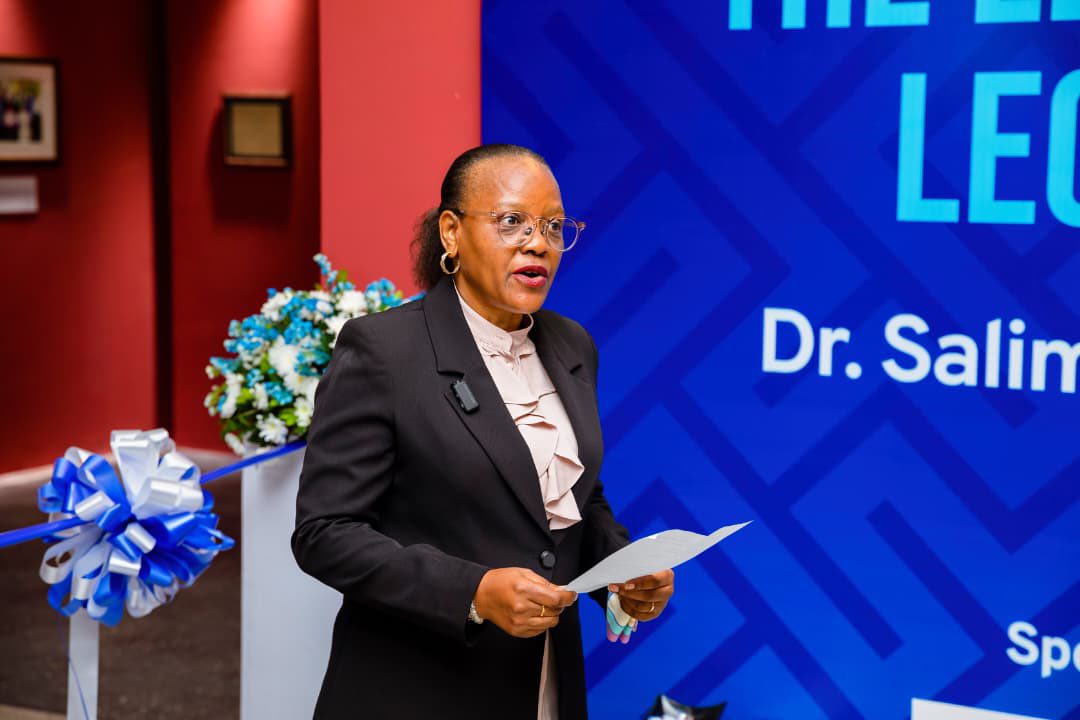
Representing the National Museum of Tanzania, Museum and Antiquities Director Ms. Adelaide Sallema stressed the importance of preserving the history and legacy of leaders who have made significant contributions to Tanzania and Africa.
She noted that museums and cultural institutions play a critical role in educating society, protecting national heritage, and inspiring future generations through historical learning.
According to museum officials, documenting and showcasing the achievements of influential African leaders helps strengthen national identity and promotes cultural tourism in Tanzania.
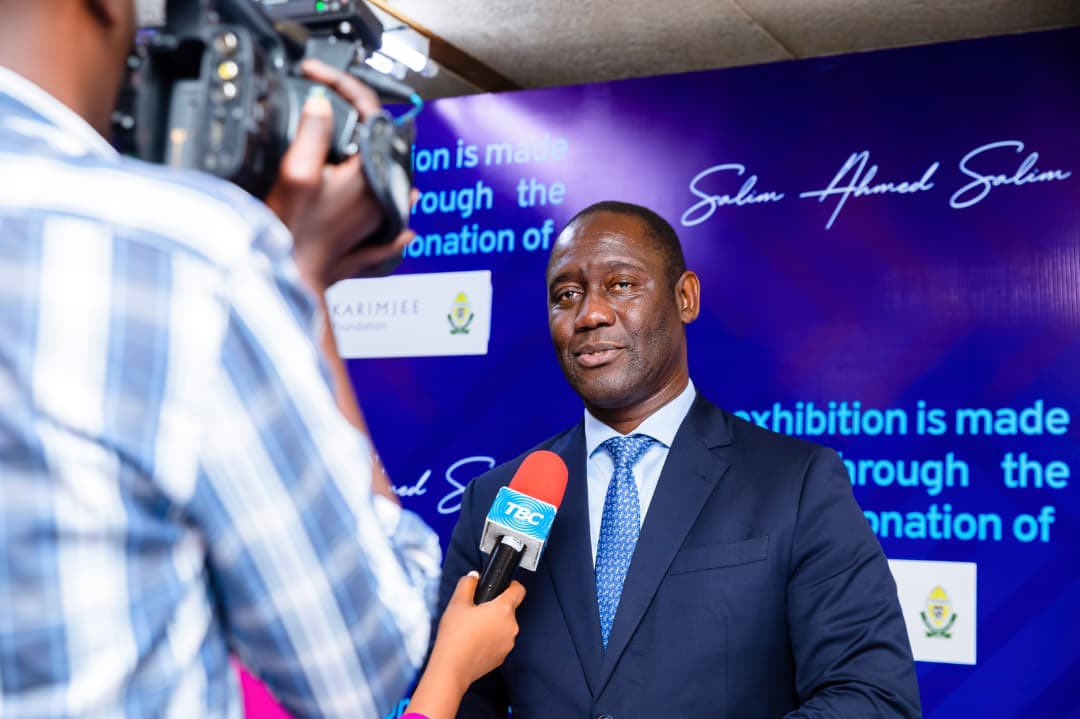
Special Exhibition Open to the Public
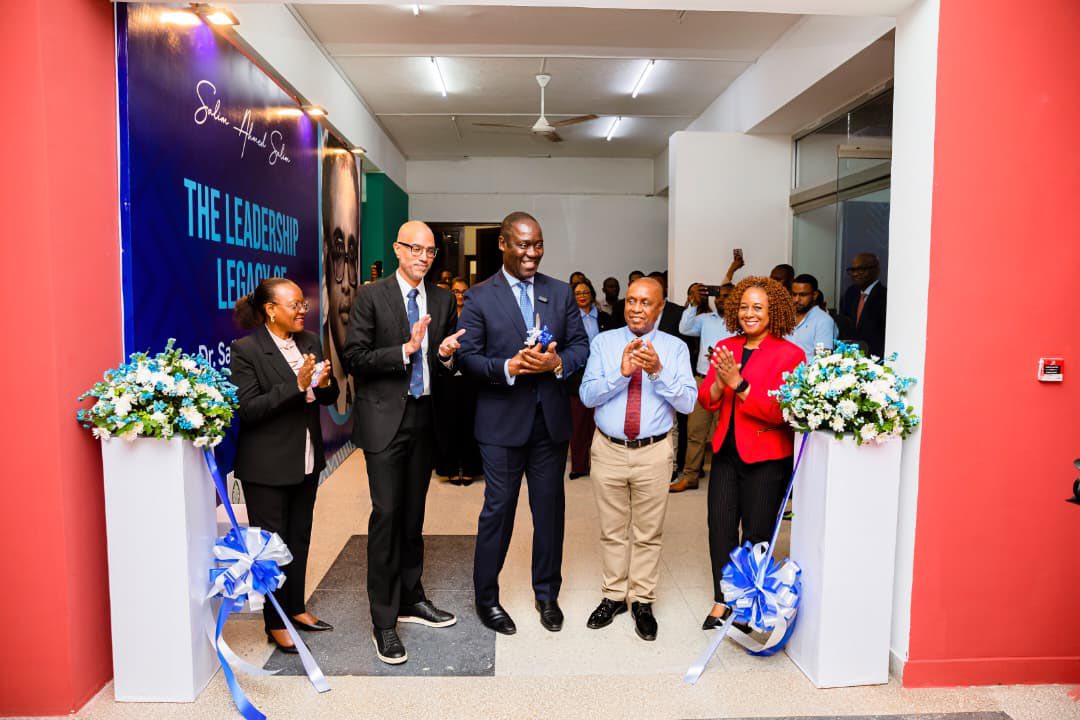
As part of the commemorations, organizers unveiled a special exhibition dedicated to the life and diplomatic journey of Dr. Salim Ahmed Salim.
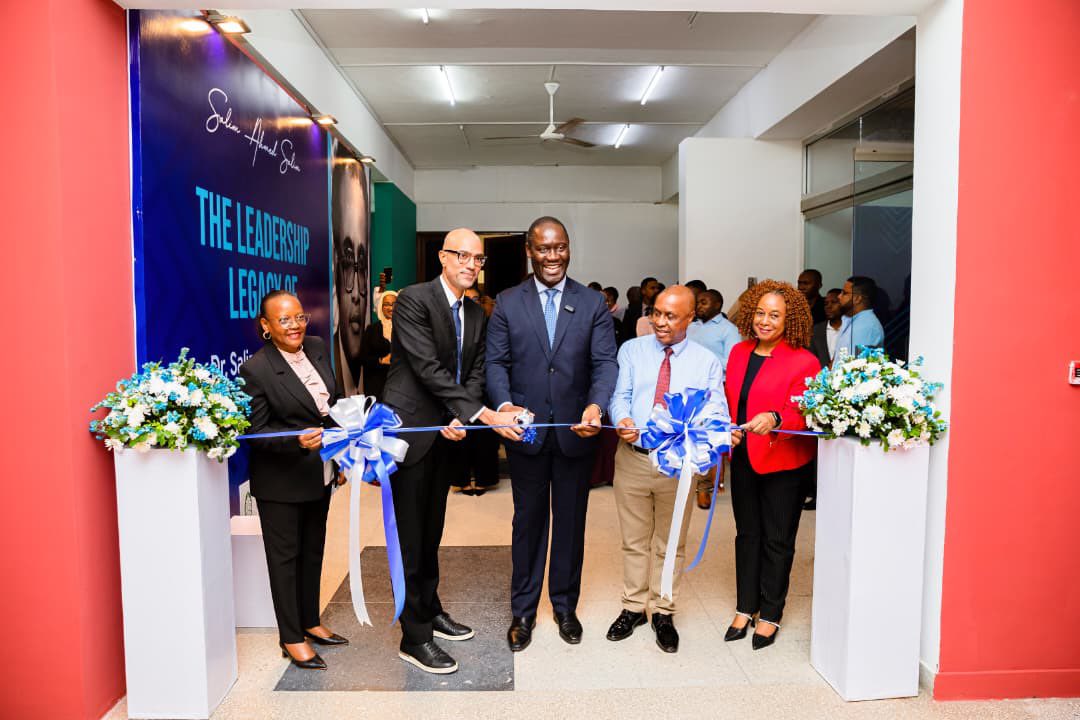
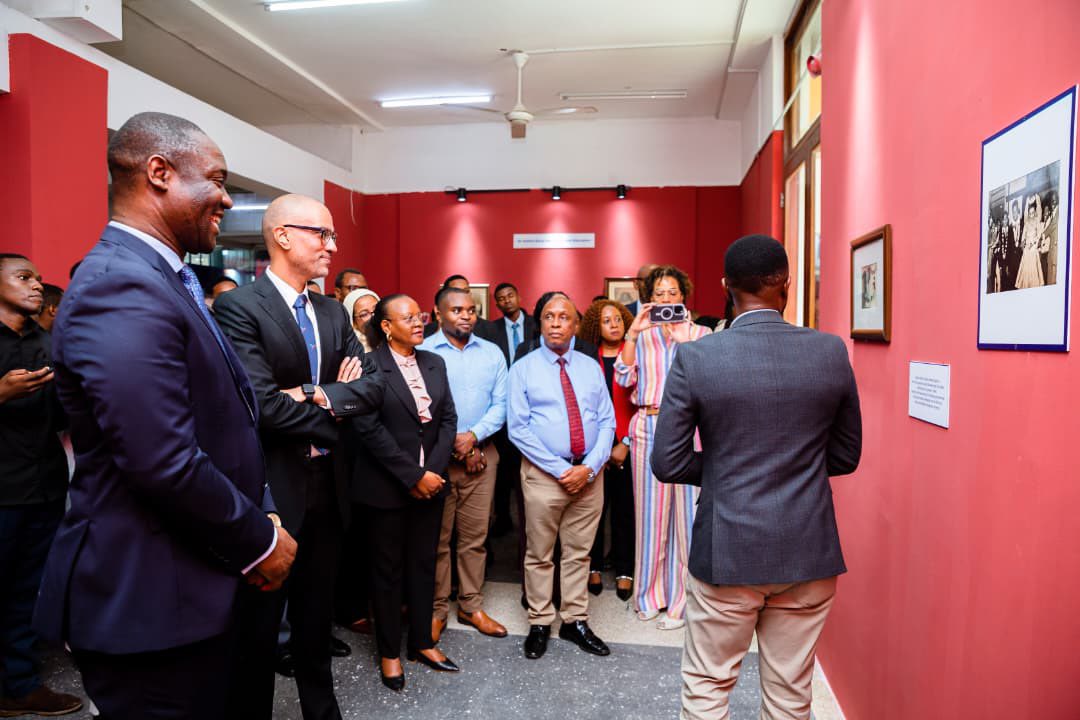
The exhibition features historical photographs, archival materials, diplomatic records, and educational displays highlighting his contribution to African diplomacy, international cooperation, and Tanzania’s global engagement.
Officials confirmed that the exhibition will remain open to the public for one month at the Museum and House of Culture Centre to allow citizens, students, researchers, and tourists to learn more about his legacy.
The initiative is expected to attract both local and international visitors interested in African political history, diplomacy, and cultural heritage.
Museums Supporting Cultural and Educational Tourism
Tourism stakeholders say cultural exhibitions and historical events such as Africa Day celebrations continue to strengthen Tanzania’s growing cultural tourism sector.
The National Museum and House of Culture remains one of Dar es Salaam’s leading cultural attractions, offering visitors educational experiences linked to Tanzania’s history, archaeology, liberation struggles, and artistic heritage.
Experts believe promoting historical tourism can help diversify Tanzania’s tourism industry while preserving important national narratives for future generations.
Click here for Tanzania cultural tours, museum experiences, and heritage travel packages.