
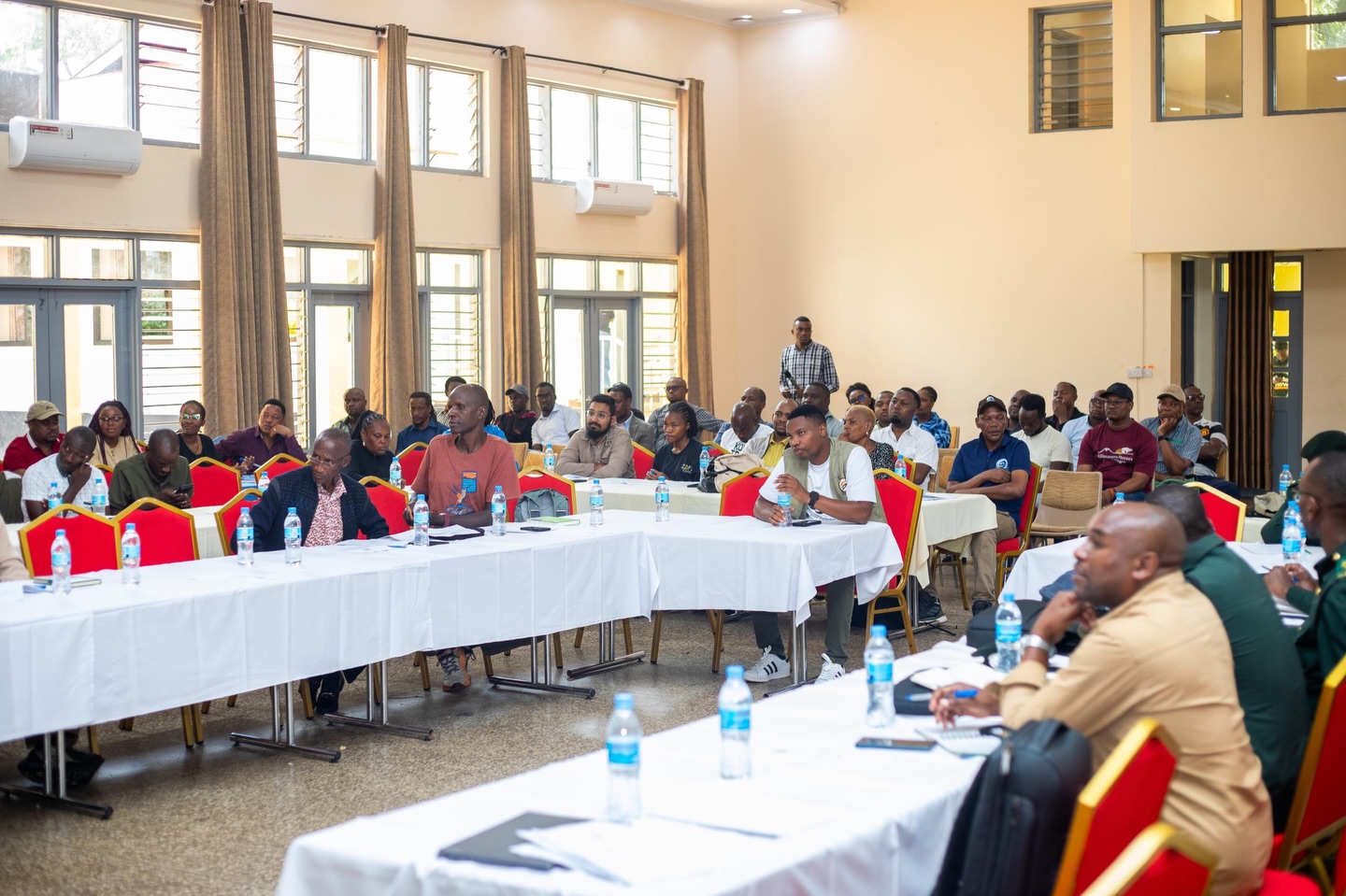
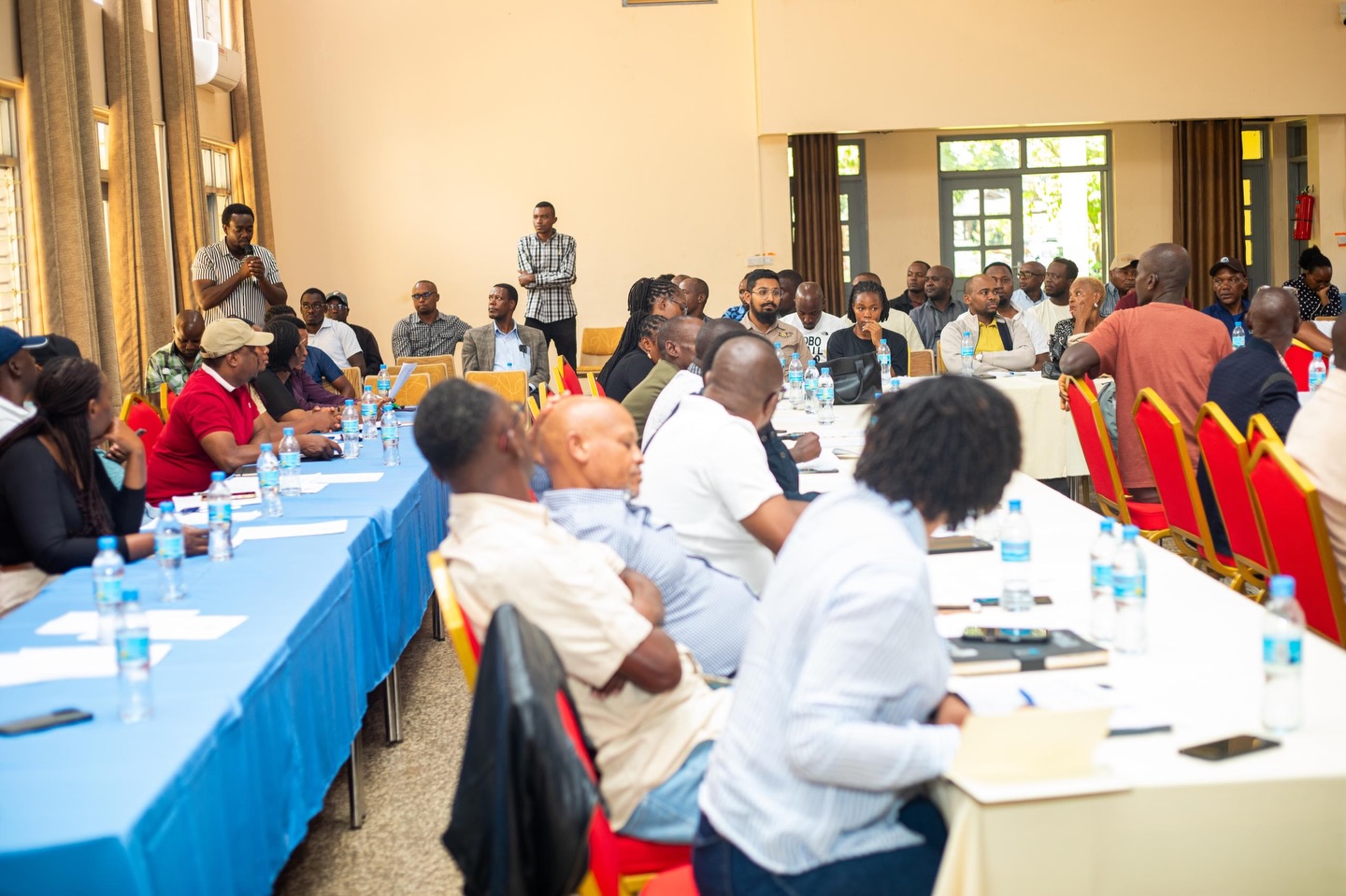
Moshi, Tanzania | April 15, 2026 — A renewed national commitment to protect Africa’s highest peak is gaining momentum, as key tourism stakeholders unite behind a bold vision: a cleaner, pollution-free Mount Kilimanjaro.
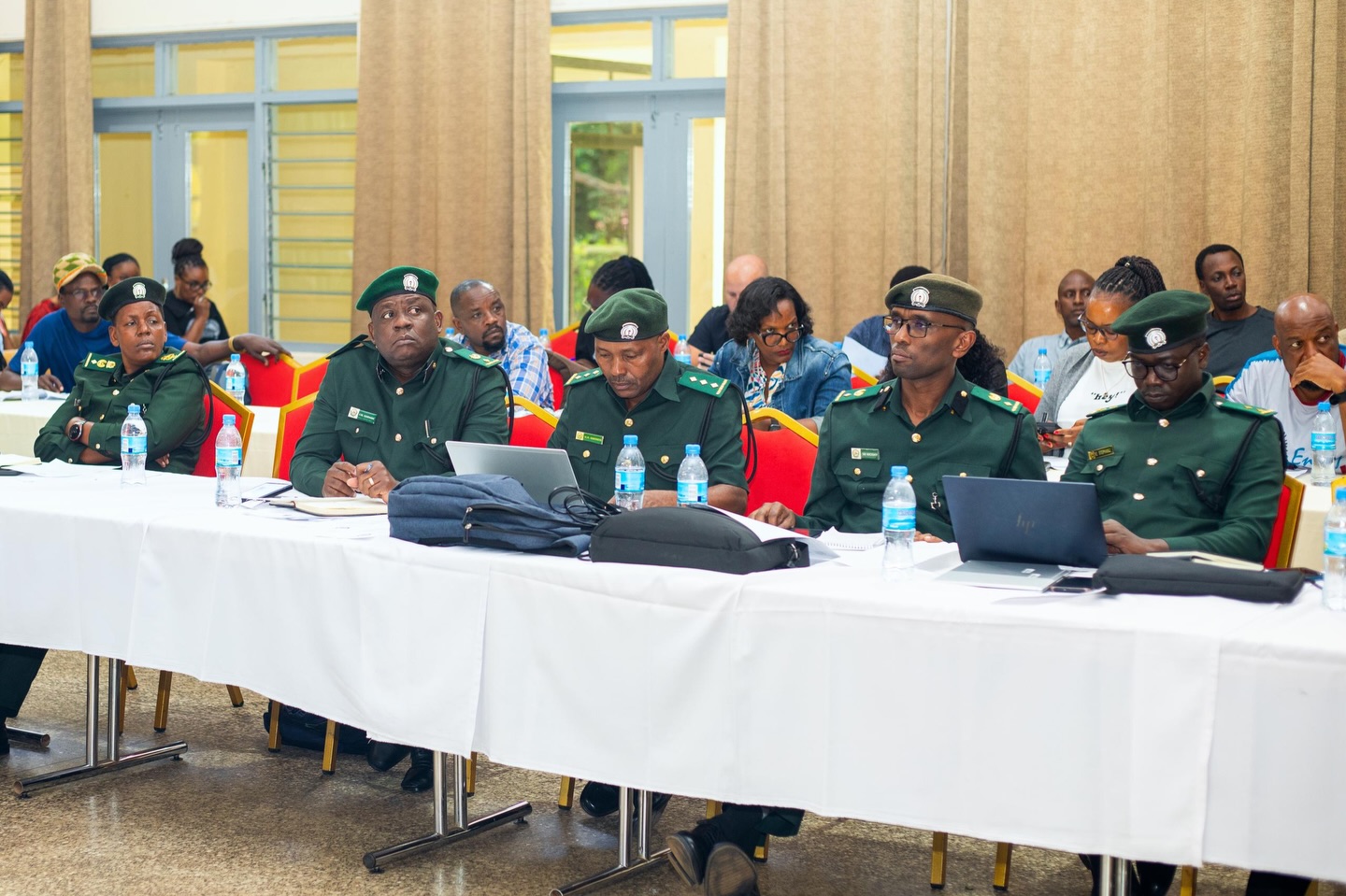
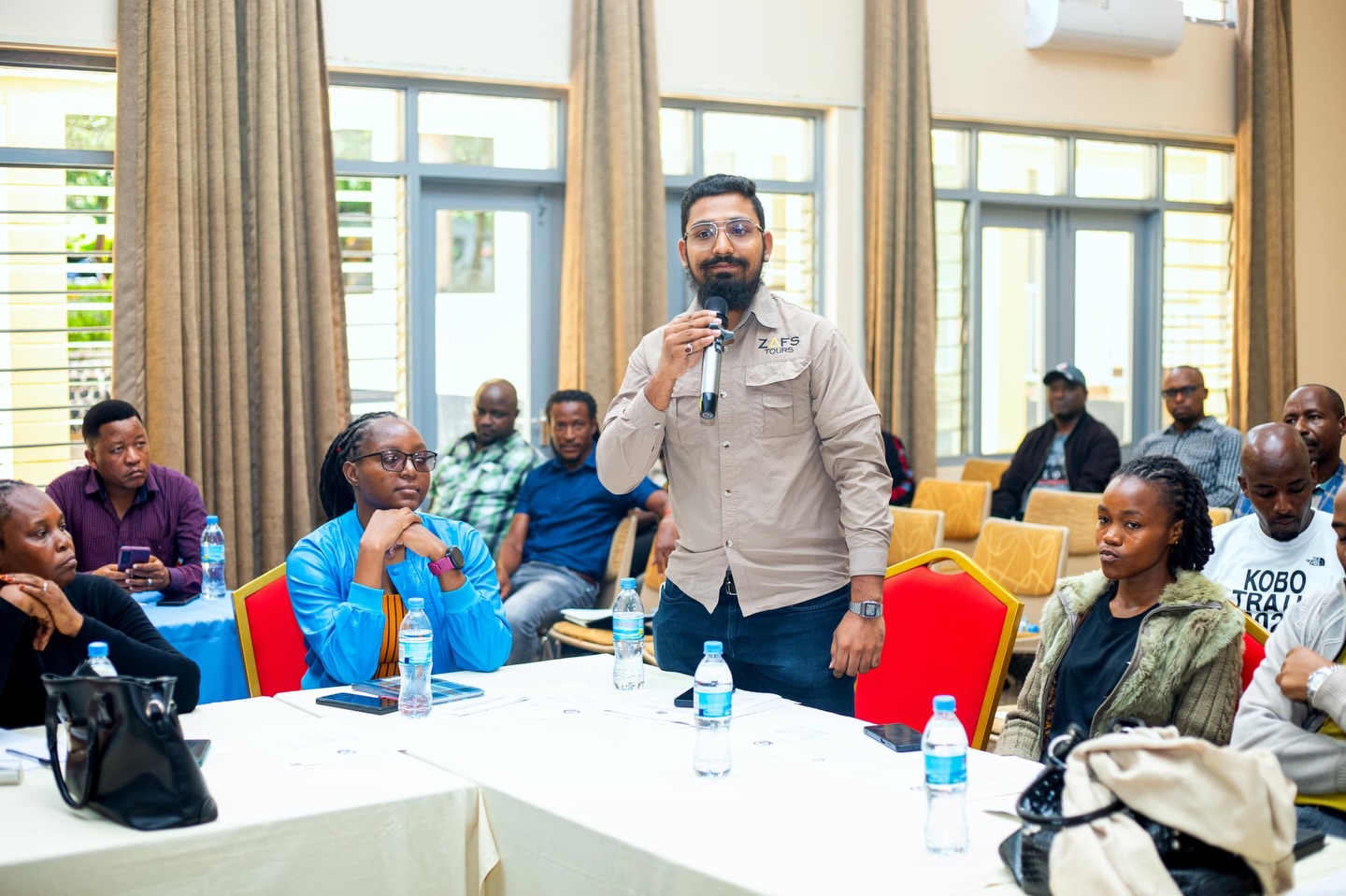
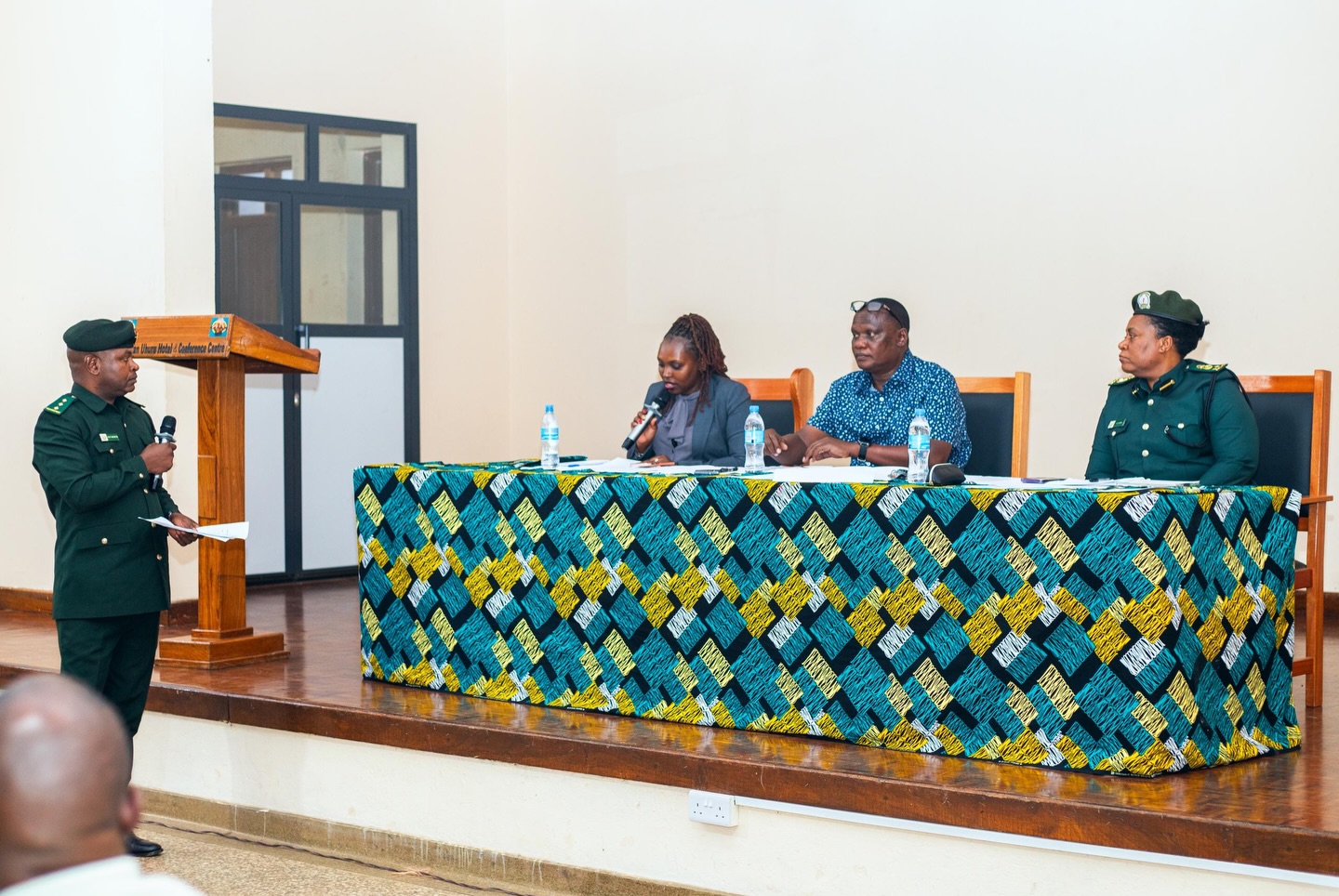
The initiative was reinforced during a high-level meeting in Moshi bringing together representatives from the Ministry of Natural Resources and Tourism, the Tanzania National Parks Authority (TANAPA), and private tourism operators. The message was clear—restoring Kilimanjaro’s natural purity is not only possible, but urgent.
A Shared Responsibility for Conservation
With nearly 65,000 climbers visiting Kilimanjaro annually, the mountain remains one of Tanzania’s most valuable tourism assets. However, increasing foot traffic has also led to rising concerns over waste accumulation along climbing routes.
Stakeholders emphasized that:
- Waste generated on the mountain must be collected and carried down responsibly
- Tour operators, guides, porters, and climbers must act collectively
- Environmental stewardship must become part of the Kilimanjaro experience
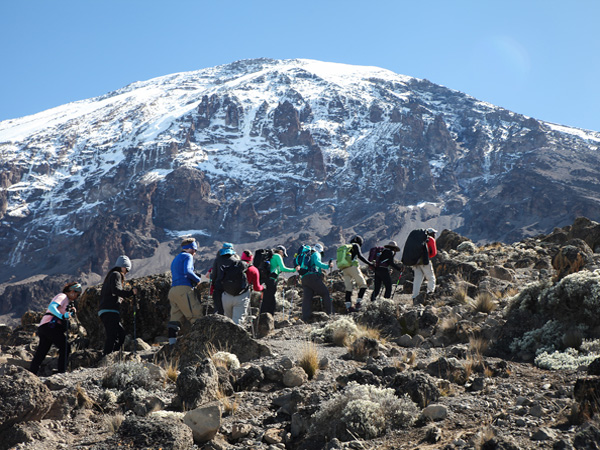
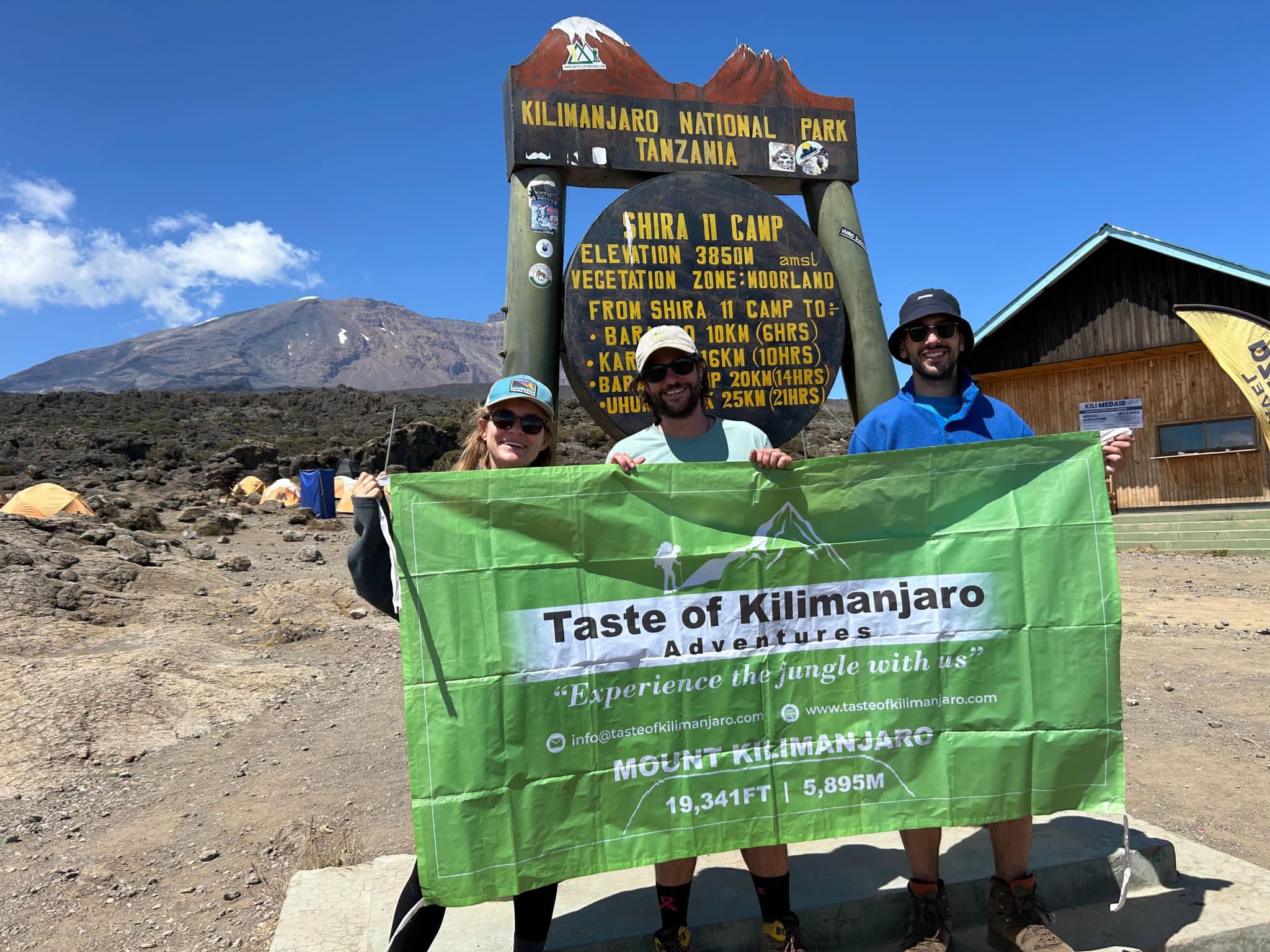
Industry leaders acknowledged that those benefiting from the mountain also carry the responsibility to protect it.
Tourism Industry Steps Forward
During the discussions, tourism company owners openly recognized their role in addressing the issue, calling for stronger collaboration with park authorities.
The sector is now pushing for:
- Greater accountability among tour operators
- Stronger environmental practices during expeditions
- Collective clean-up efforts ahead of peak climbing seasons
The message from stakeholders was direct:
“The mountain is our workplace—keeping it clean is our duty.”

Government Reinforces Conservation Efforts
Authorities from Tanzania National Parks Authority reiterated that while ongoing measures are in place, waste generation continues to rise—making collective action essential.
Officials highlighted a critical concern:
- Mount Kilimanjaro is a key water source for surrounding communities, including Moshi
- Pollution on the mountain directly impacts water quality and public health
This reinforces the need to view conservation not only as a tourism issue, but as a national environmental priority.
New Proposals to Strengthen Clean-Up Efforts
Several practical solutions emerged from the meeting:
- Organizing pre-season clean-up campaigns before peak climbing periods
- Encouraging climbers to actively participate in waste collection
- Introducing stricter environmental expectations for tour operators
- Proposing that new guides undergo clean-up climbs as part of certification
These measures aim to embed sustainability into every level of the tourism value chain.
Toward a Cleaner Kilimanjaro
The initiative reflects a broader shift in Tanzania’s tourism strategy—ensuring that growth is aligned with sustainability and environmental protection.
For Mount Kilimanjaro, the goal is clear:
Preserve its beauty, protect its ecosystems, and secure its future for generations to come.
Outlook
As the next climbing season approaches, stakeholders are optimistic that coordinated efforts will begin to yield visible results.
The vision of a clean, pristine Kilimanjaro is no longer distant—it is becoming a shared national mission.