

Tanzania continues to solidify its reputation as one of Africa’s premier safari tourism destinations, attracting thousands of international visitors seeking authentic wildlife experiences. With its vast protected areas, diverse ecosystems, and world-renowned national parks, the country remains a top choice for travelers looking to experience nature at its most spectacular.

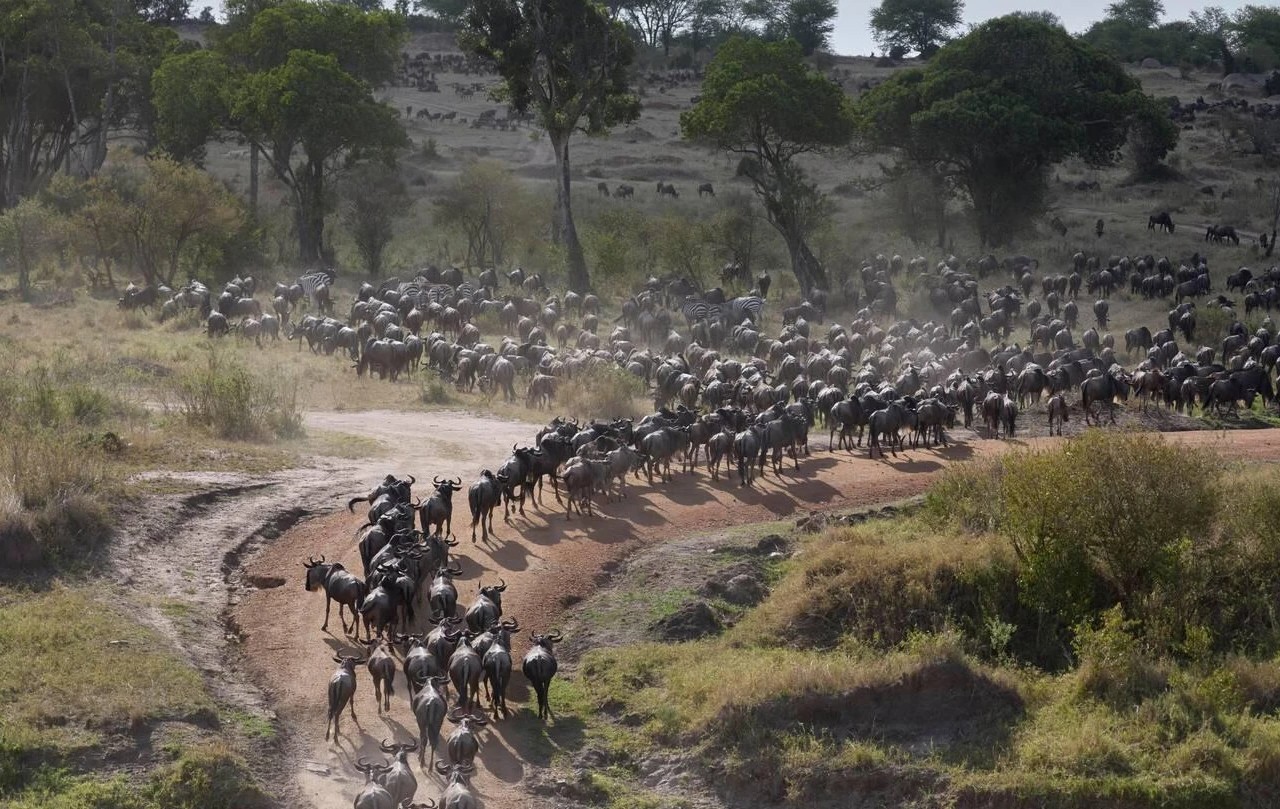
Leading the country’s tourism appeal is Serengeti National Park, famous for the Great Wildebeest Migration — a natural phenomenon that sees millions of wildebeest, zebras, and gazelles move across the plains in search of greener pastures. This annual event continues to draw global attention, reinforcing Tanzania’s position as a safari powerhouse.
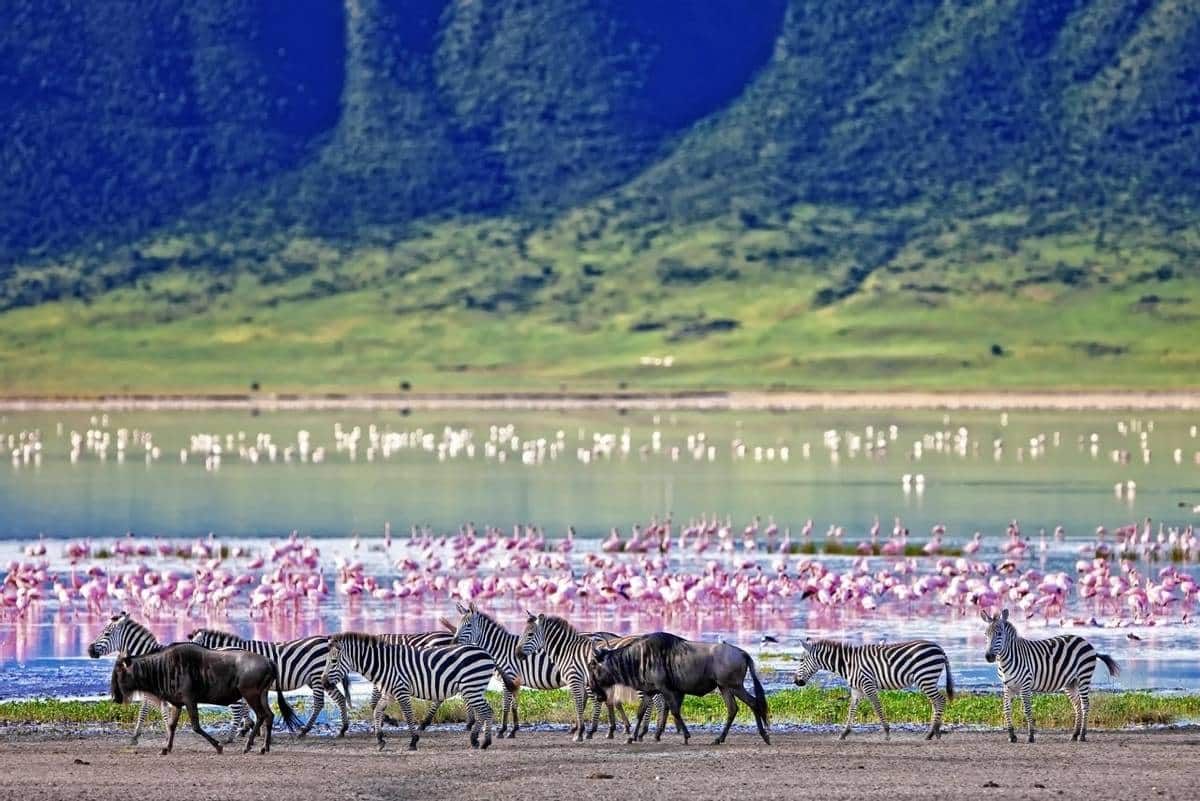
Another major attraction is the Ngorongoro Crater, often described as one of Africa’s natural wonders. The crater’s unique ecosystem supports an extraordinary density of wildlife, including lions, elephants, buffaloes, and the endangered black rhino. Its breathtaking scenery and abundant wildlife make it a must-visit location for safari enthusiasts.
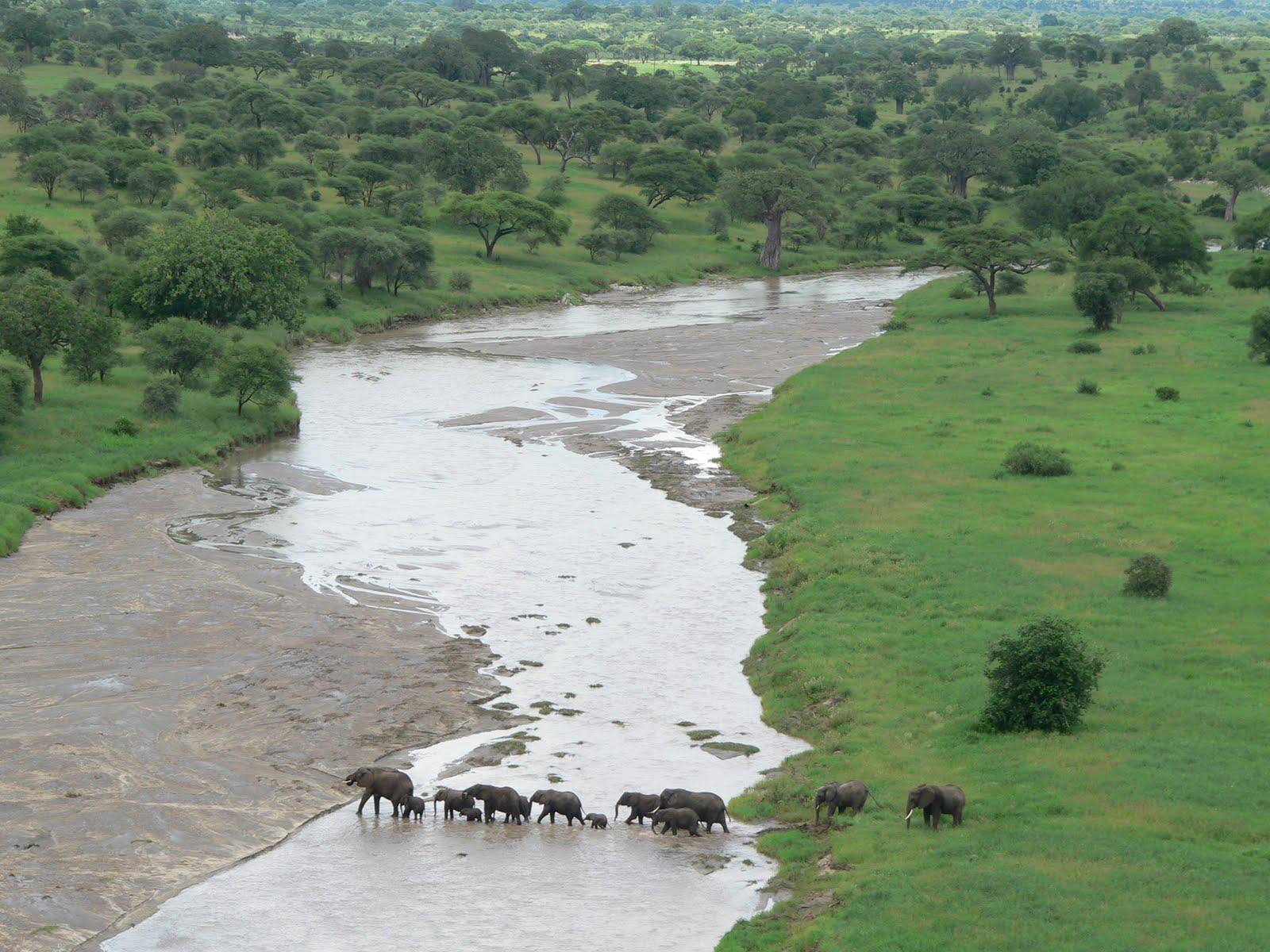
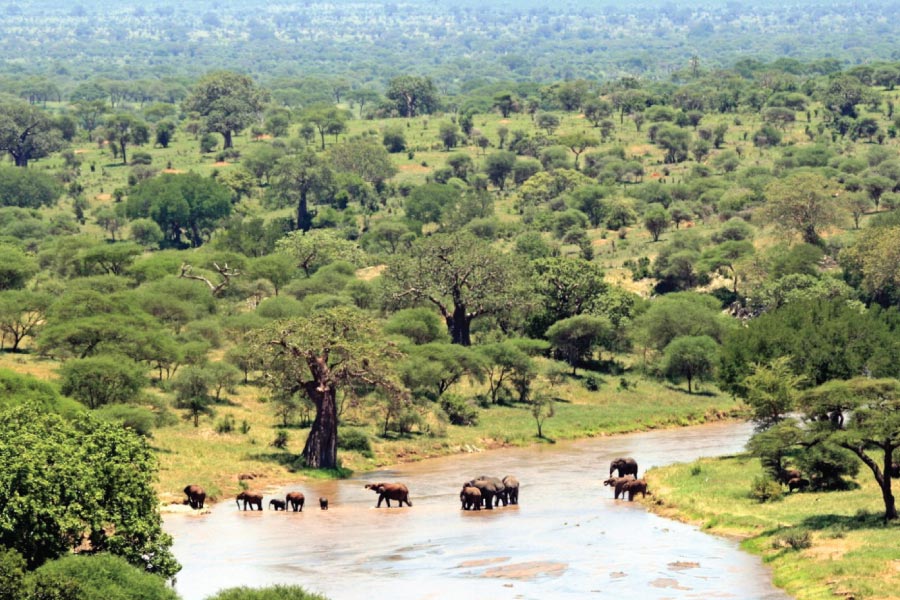
In northern Tanzania, Tarangire National Park is gaining popularity for its large elephant herds and iconic baobab trees, while the remote wilderness of Ruaha National Park offers a quieter and more exclusive safari experience. In the southern circuit, Nyerere National Park continues to attract visitors with its unique boat safaris along the Rufiji River.
Tourism stakeholders highlight that continued investments in infrastructure, conservation initiatives, and community engagement are strengthening the sector. Improved road networks, enhanced visitor facilities, and eco-friendly lodges are contributing to sustainable growth while protecting wildlife habitats.
The dry seasons, from June to October and January to March, remain the most favorable times for wildlife viewing, as animals gather around water sources, making sightings easier. However, the green season also offers lush landscapes and excellent birdwatching opportunities.
Safari tourism plays a significant role in Tanzania’s economy, supporting conservation programs and creating employment opportunities for local communities. As global travel demand continues to rise, Tanzania is well positioned to maintain its leadership in Africa’s safari tourism market.
Picture courtesy of Daily News (TSN)