
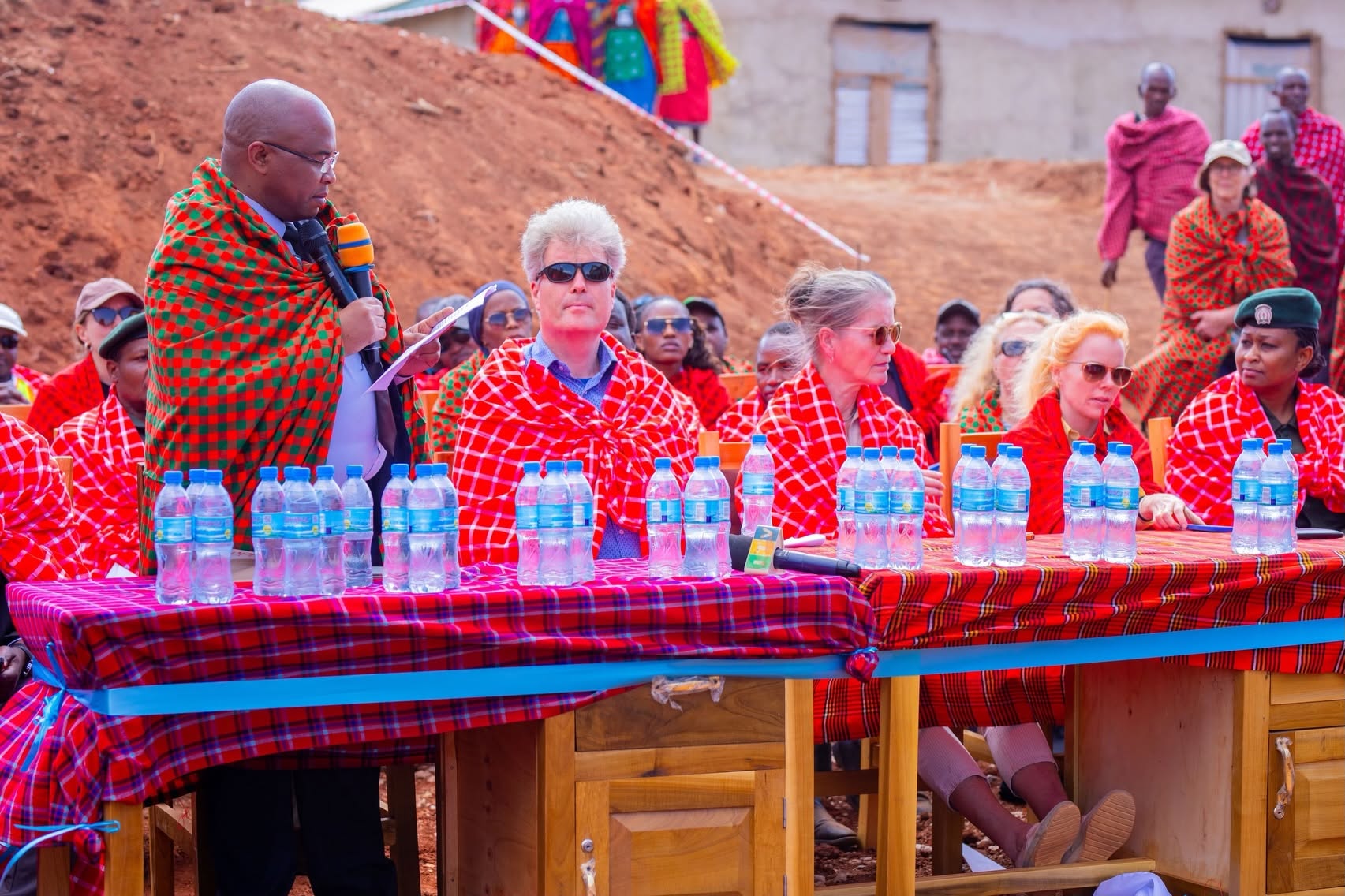
NGORONGORO: Tanzania National Parks (TANAPA), in partnership with German development agencies, is implementing community development and conservation projects valued at approximately €6.3 million (about Sh19 billion) in Ngorongoro District, Arusha Region, under the Serengeti Ecosystem Development and Conservation Project (SEDCP).
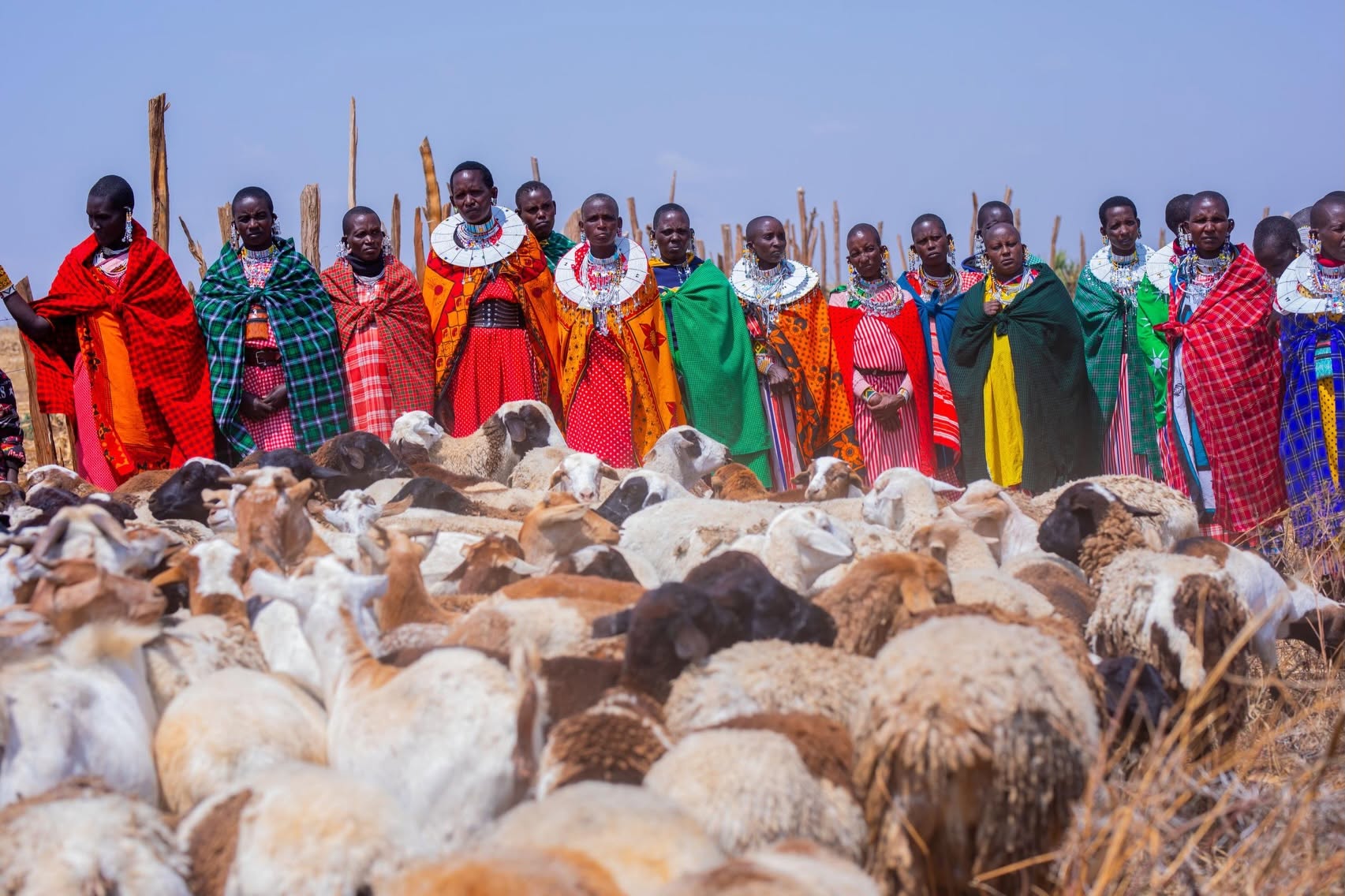
The programme is designed to strengthen the connection between wildlife conservation, sustainable tourism and community development, ensuring that communities living around the Serengeti ecosystem benefit from conservation while playing an active role in protecting natural resources.
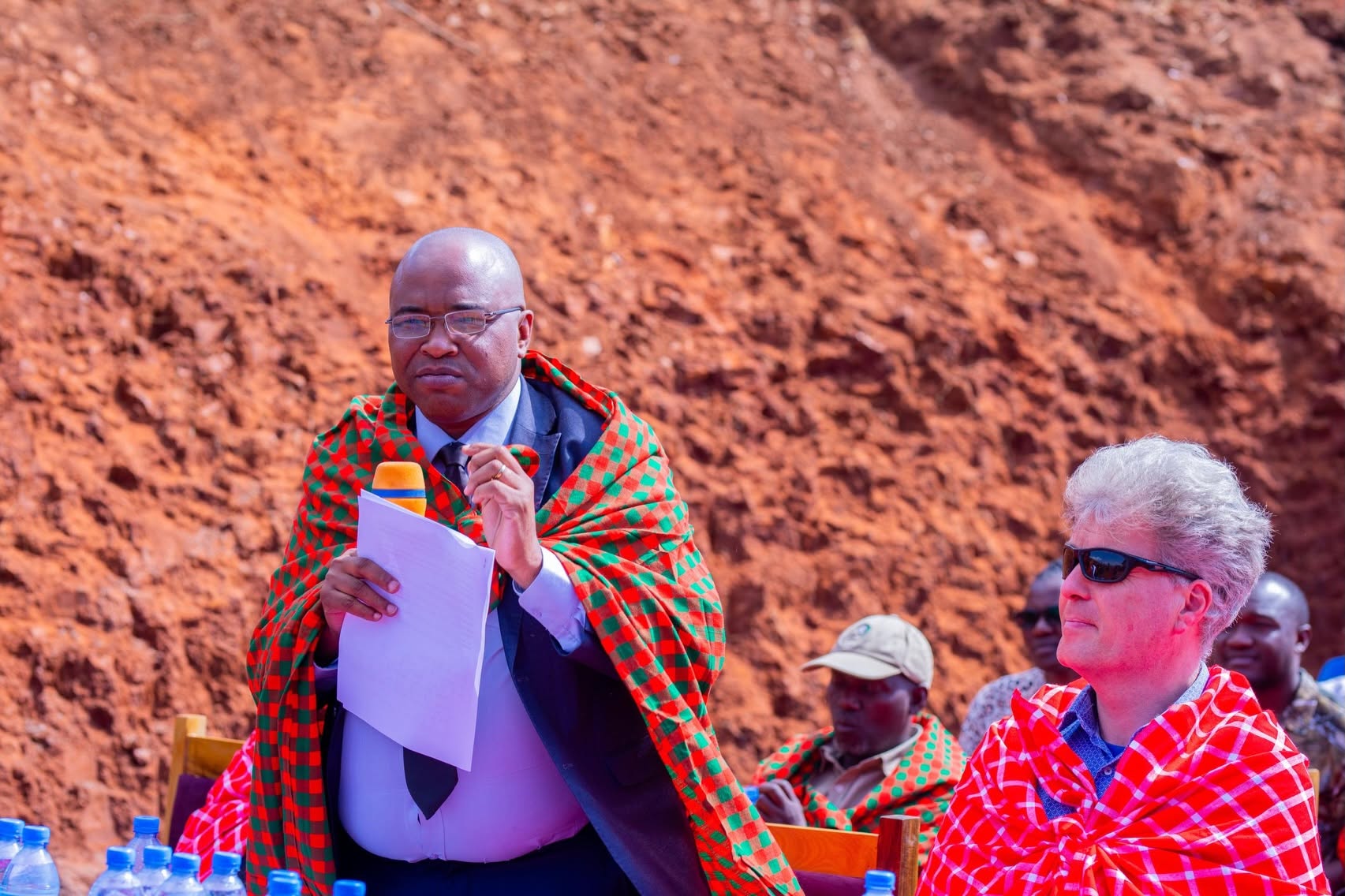
The initiative is financed by the German Government through KfW Development Bank, with technical and implementation support from the Frankfurt Zoological Society (FZS). It focuses on improving essential social services, supporting livelihoods and strengthening community participation in the conservation of the wider Serengeti ecosystem.
Improving Community Services
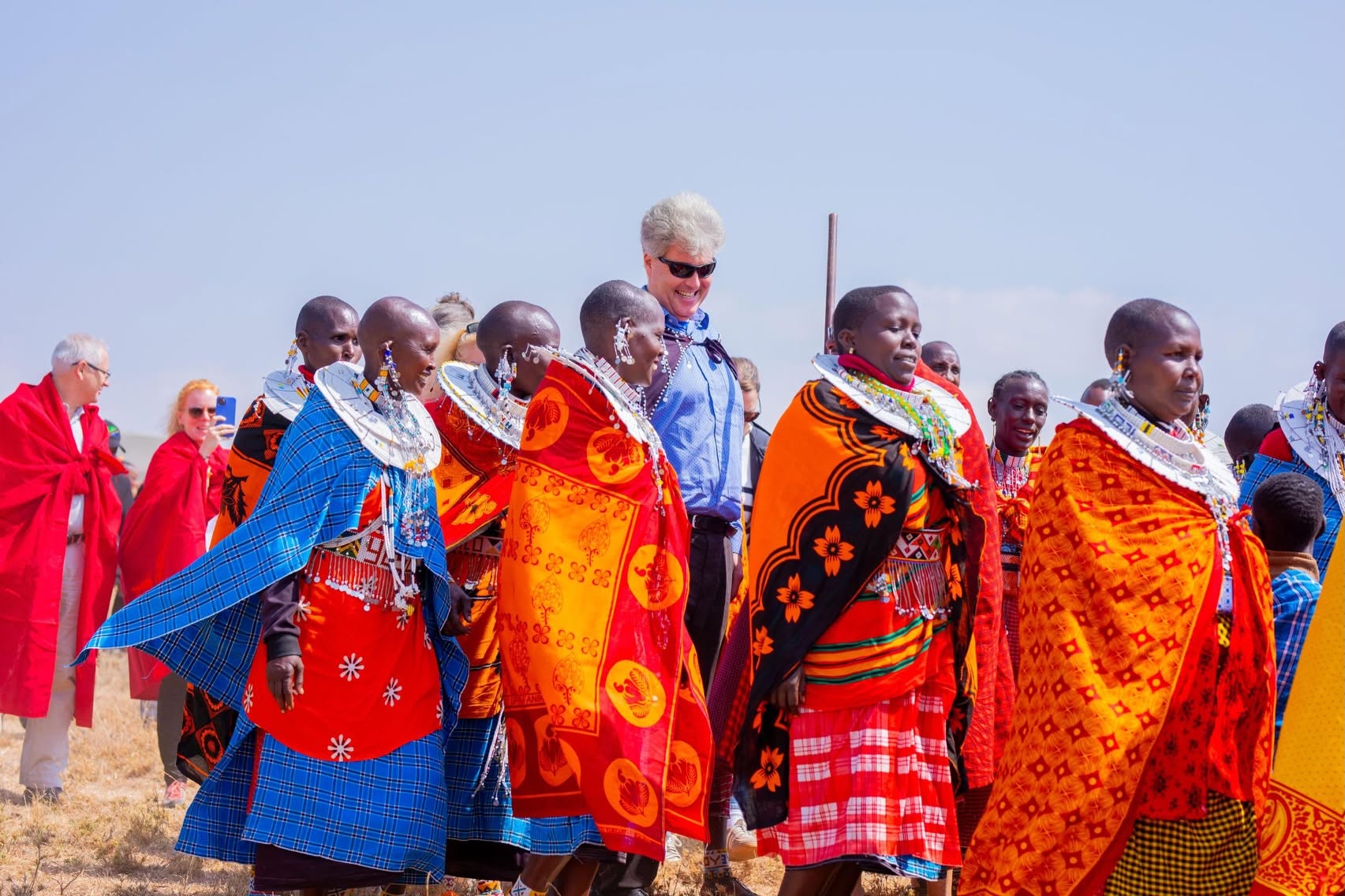
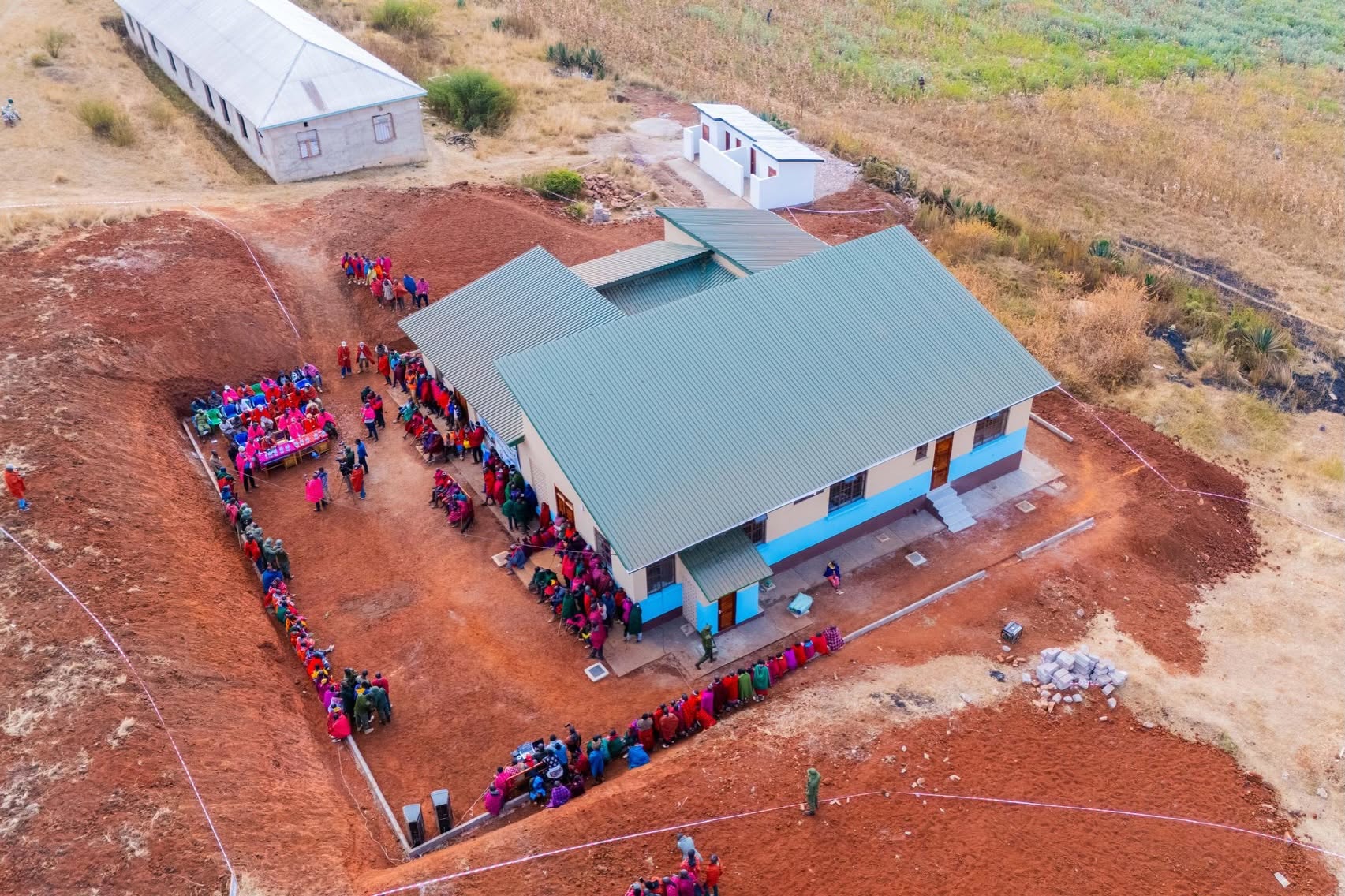
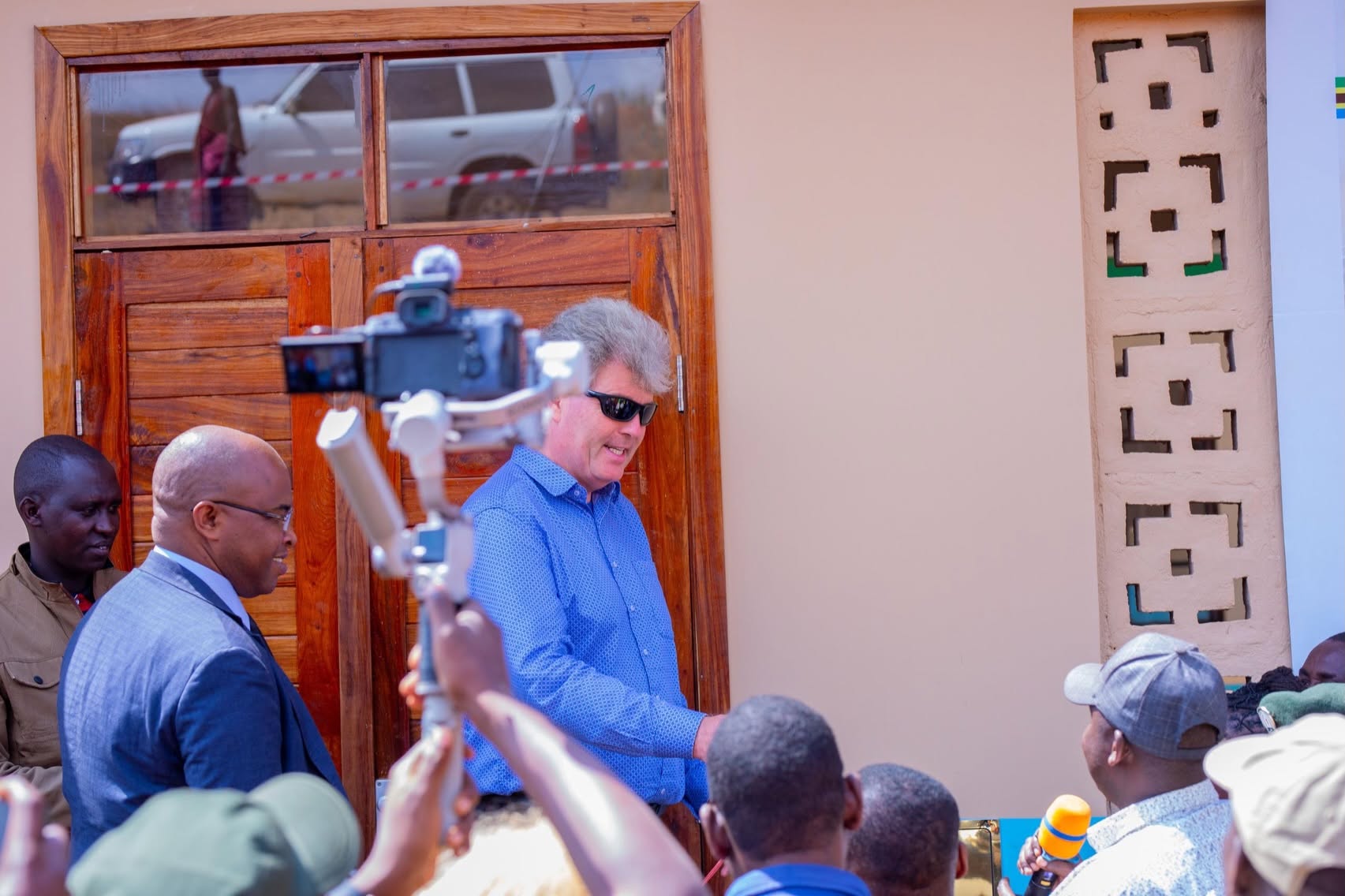
One of the key investments is the Enguserosambu Dispensary, constructed at a cost of approximately Sh504 million. The health facility is expected to serve around 5,000 people, improving access to essential healthcare services for communities in the area.
Across Serengeti and Ngorongoro districts, the programme has supported 69 social infrastructure projects, including health facilities, classrooms, staff houses, roads and water infrastructure.
These investments are intended to address some of the basic needs of communities while creating stronger support for conservation and sustainable tourism.
36 Projects in Ngorongoro
In Ngorongoro District alone, 36 community development projects are being implemented under the programme.
Of these, 15 projects have already been completed and handed over to communities, while 21 projects are at various stages of completion.
The projects are expected to improve access to essential services while strengthening the relationship between conservation authorities and communities living within the wider Serengeti ecosystem.
Supporting Community Enterprises
Beyond physical infrastructure, the programme is also supporting communities to develop sustainable sources of income.
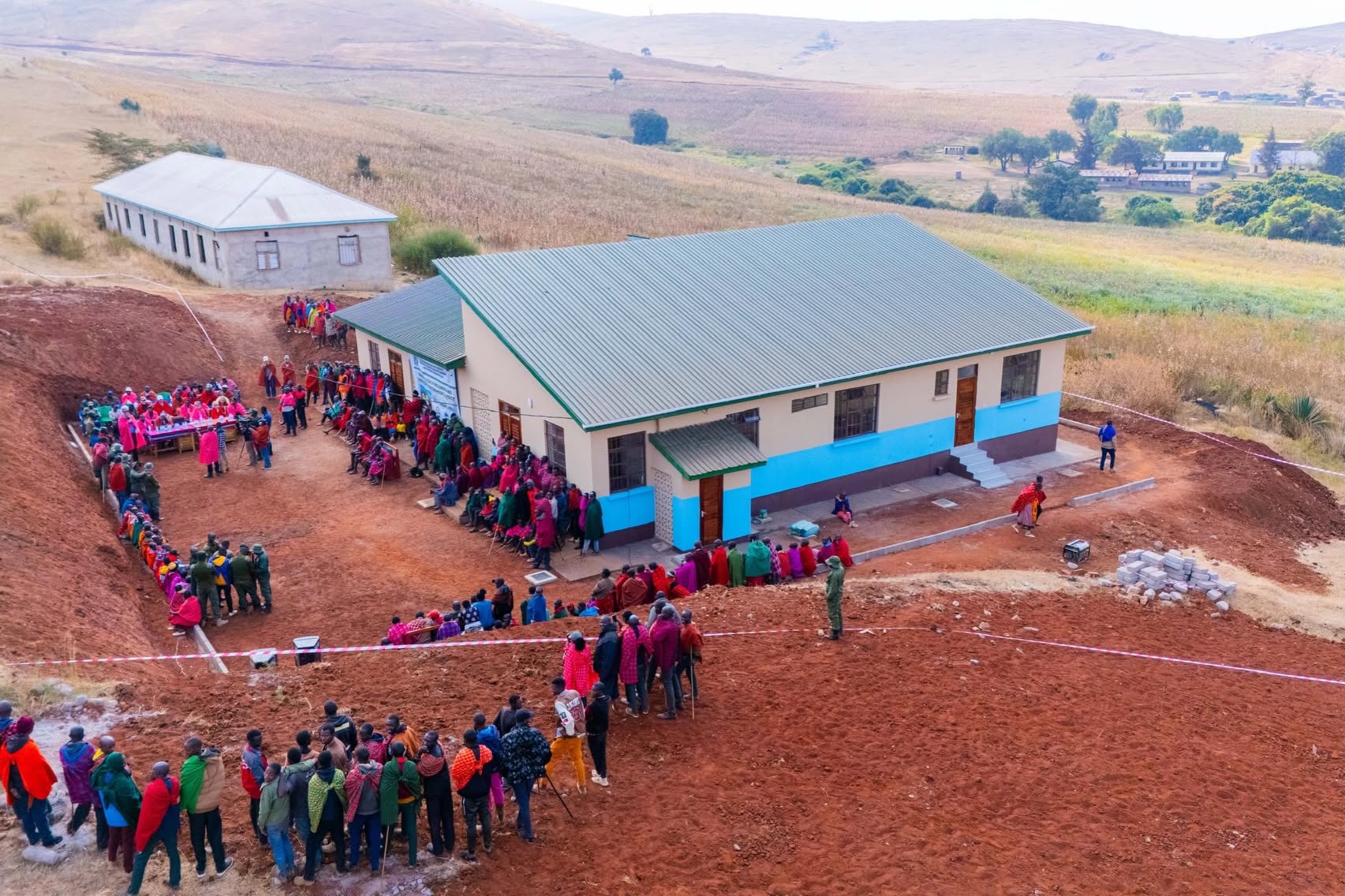
A total of 23 Community Conservation Banks (COCOBAs) have been supported, benefiting approximately 835 people through self-employment and income-generating activities.
The initiative provides communities with opportunities to participate in economic activities while reducing dependence on natural resources in ways that could negatively affect conservation.
The programme has also supported village land-use planning, issuance of Certificates of Customary Rights of Occupancy (CCROs) and community-based protection of forests and grazing areas.
Water and Livestock Development
Water access is another important component of the programme, particularly for communities whose livelihoods depend heavily on livestock.
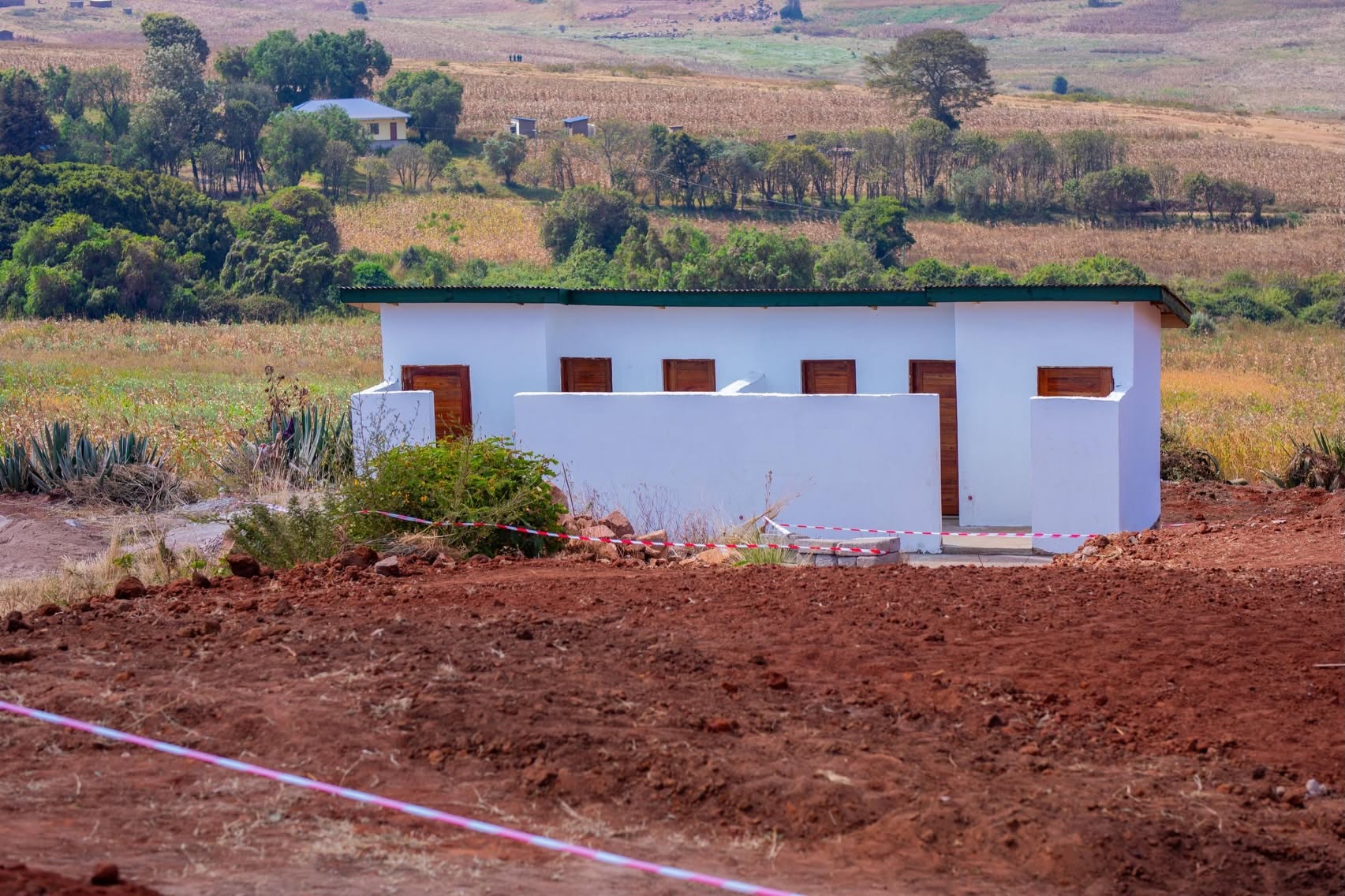
The Olorien Charco Dam, constructed at a cost of approximately Sh1.1 billion, is benefiting an estimated 5,011 people and 109,838 livestock.
The water infrastructure is expected to improve access to water for both communities and livestock while contributing to better management of grazing areas and reducing pressure on other natural water sources.
Conservation and Community Development Working Together
The SEDCP demonstrates how investment in community development can complement conservation and tourism objectives.
By improving access to healthcare, education, water and livelihood opportunities, the programme seeks to strengthen community participation in protecting wildlife, forests and other natural resources.
For Tanzania's tourism sector, such initiatives are particularly important because the long-term success of destinations such as the Serengeti and Ngorongoro ecosystems depends not only on protecting wildlife but also on ensuring that surrounding communities see tangible benefits from conservation.
The partnership between TANAPA, German development partners and local communities therefore represents a broader approach to sustainable tourism—one that links conservation, community empowerment, infrastructure development and responsible tourism.
TANAPA and its partners are expected to continue monitoring the implementation of the projects to ensure they meet the required standards, are completed on schedule and deliver lasting social, economic and conservation benefits.
Why It Matters for Tourism
Strong community development around protected areas can help create a more sustainable tourism environment by improving local livelihoods, strengthening conservation awareness and encouraging communities to become active partners in protecting Tanzania's natural heritage.
For visitors exploring Tanzania's northern tourism circuit, these investments contribute to the long-term sustainability of the landscapes, wildlife and communities that make Serengeti and Ngorongoro among Africa's most important tourism destinations.
Discover Our Ngorongoro Safari Packages — Explore & Book Your Experience