
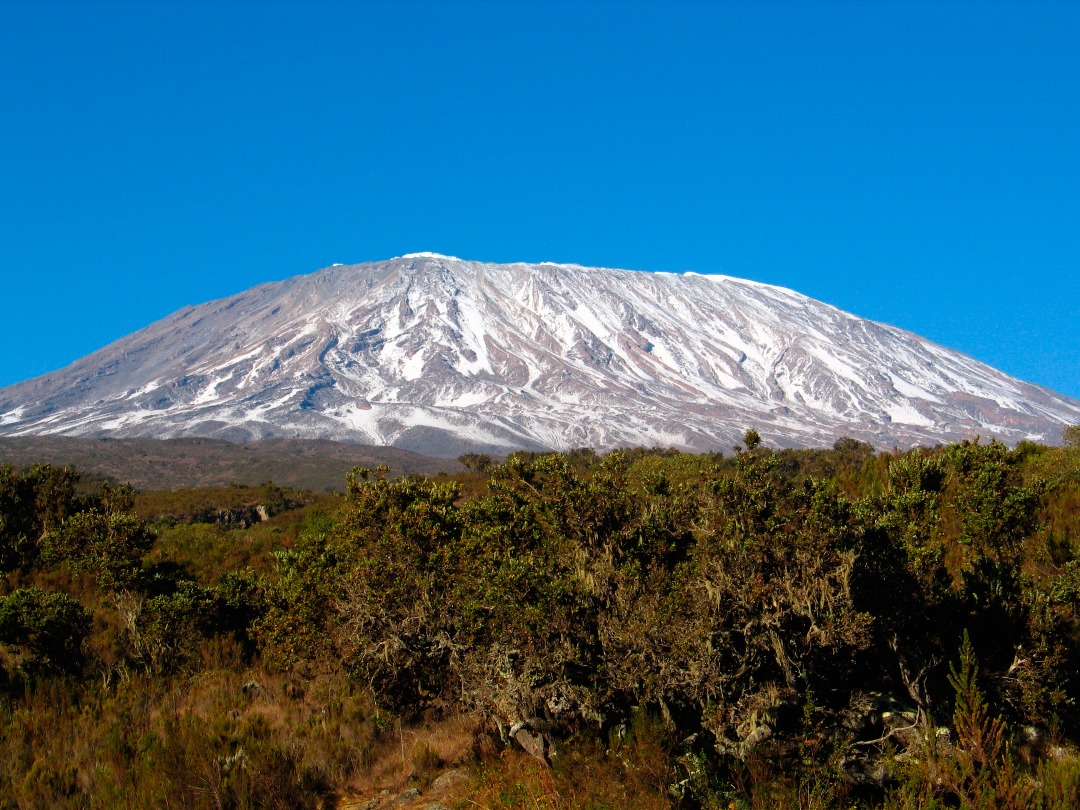
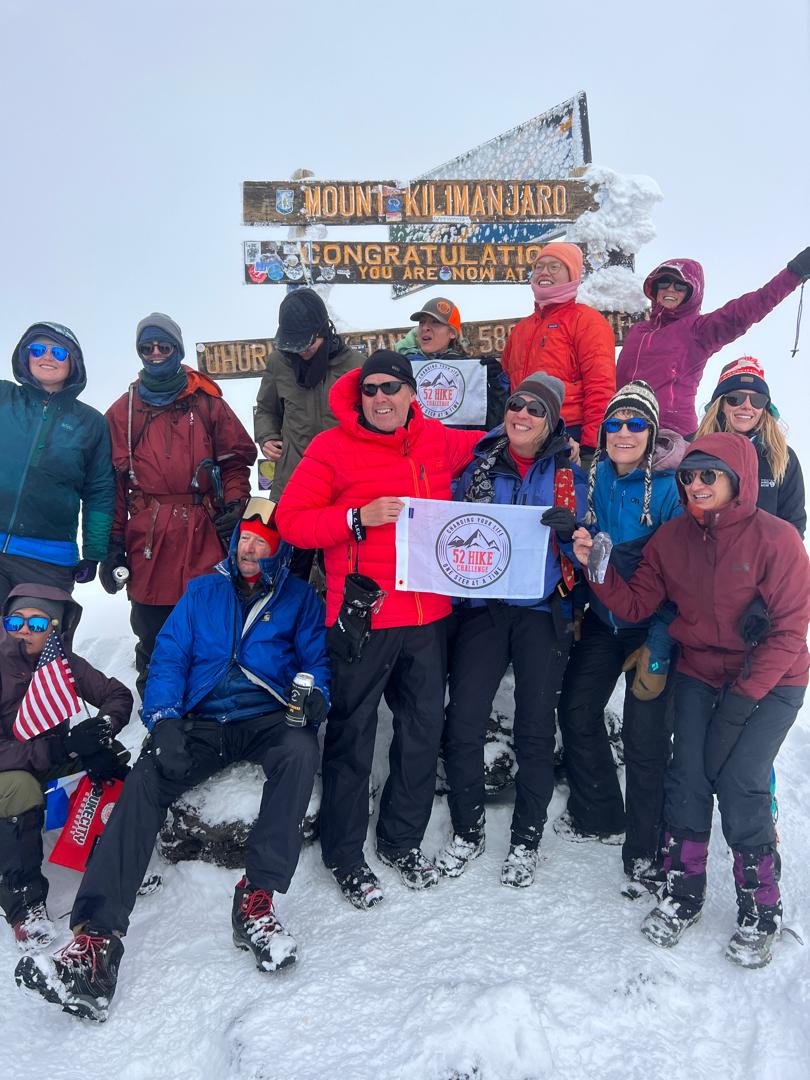
KILIMANJARO REGION, TANZANIA — Rising proudly above the African plains, Mount Kilimanjaro stands as the highest mountain in Africa and one of the world’s most iconic trekking destinations. At 5,895 meters above sea level, the mountain attracts thousands of climbers each year seeking to reach the legendary Uhuru Peak, often called the “Roof of Africa.”
Unlike many high mountains, Kilimanjaro can be climbed without technical mountaineering equipment, making it accessible to adventure travelers, hikers, and nature enthusiasts from around the world.
Several official trekking routes lead to the summit, each offering different scenery, difficulty levels, and climbing experiences.
Major Kilimanjaro Climbing Routes
1. Marangu Route (Coca-Cola Route)
The Marangu Route is one of the oldest and most established paths on Mount Kilimanjaro. It is often considered the easiest route due to its gradual slopes and the presence of permanent huts along the trail.
Key Features:
-
Hut accommodation instead of camping
-
Well-established trail
-
Shorter itinerary options (5–6 days)
This route is popular among first-time climbers but has slightly lower summit success rates because of the shorter acclimatization period.
2. Machame Route (Whiskey Route)
The Machame Route is one of the most scenic and popular Kilimanjaro trekking routes. Known as the “Whiskey Route,” it offers spectacular landscapes and better acclimatization opportunities.
Highlights include:
-
Diverse ecosystems and scenery
-
Higher summit success rate
-
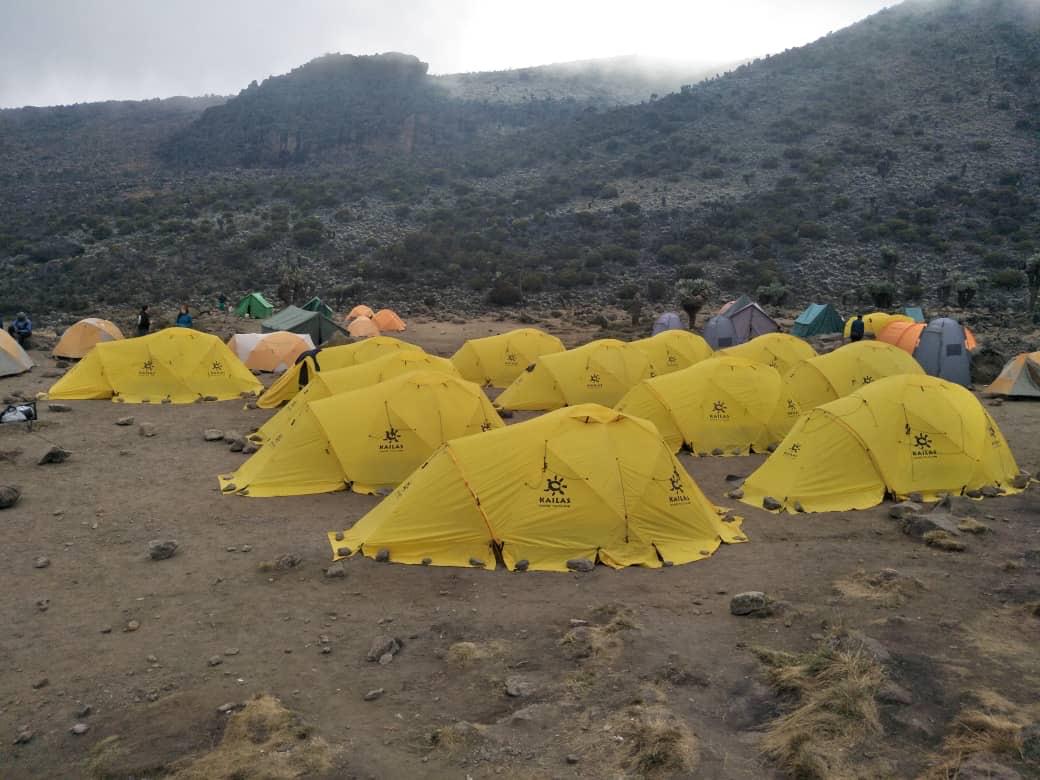
Camping-based expedition
Typical duration ranges from 6 to 7 days.
3. Lemosho Route
The Lemosho Route is widely regarded as one of the most beautiful approaches to Kilimanjaro. Starting from the western side of the mountain, it provides excellent acclimatization and relatively high summit success rates.
Advantages:
-
Less crowded trails
-
Spectacular panoramic views
-
Excellent acclimatization profile
Climbs usually take 7–8 days.
4. Rongai Route
The Rongai Route approaches Kilimanjaro from the northern side near the Kenya border. It is one of the quieter routes and offers a unique perspective of the mountain.
Key characteristics:
-
Drier climate conditions
-
Fewer crowds
-
Gradual ascent
Most treks take 6–7 days.
5. Northern Circuit Route
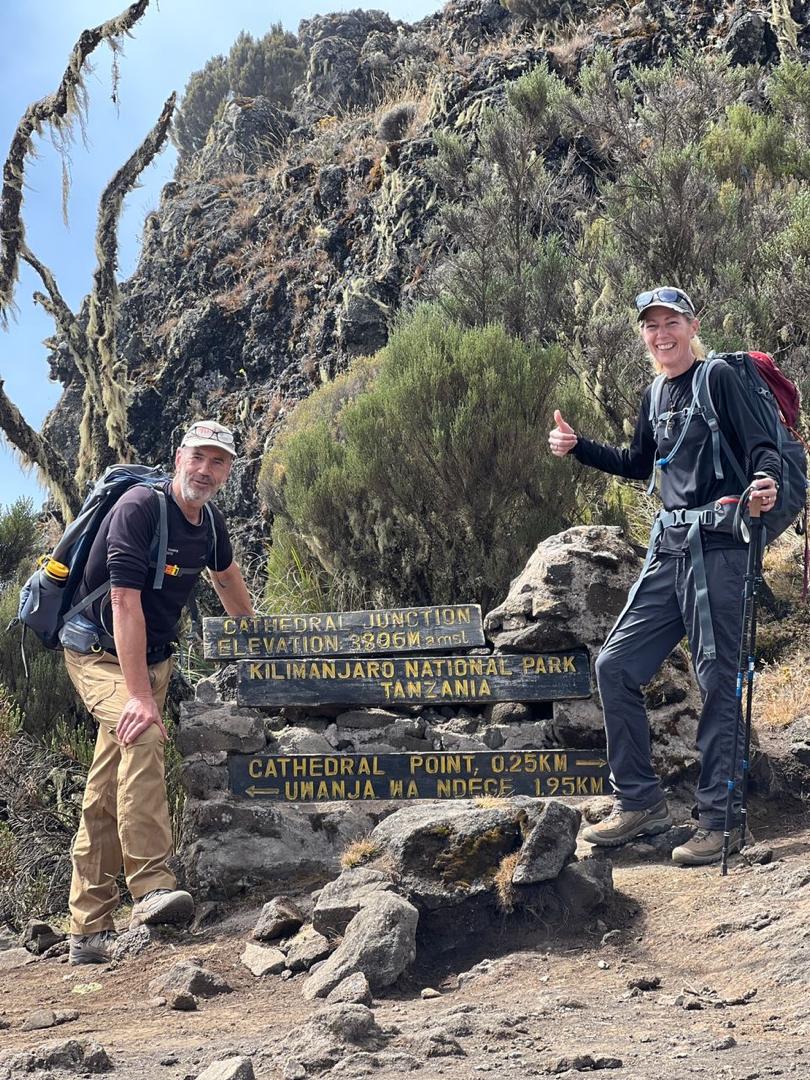
The Northern Circuit Route is the newest and longest route on Mount Kilimanjaro. It circles the mountain from the western side and offers exceptional acclimatization and scenery.
Highlights:
-
Highest summit success rate
-
Remote and less crowded
-
8–9 day trekking itinerary
This route is ideal for climbers seeking a slower, more immersive experience.
6. Umbwe Route
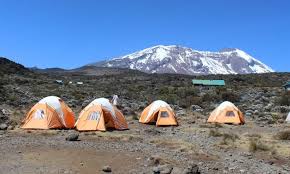
The Umbwe Route is the most challenging route to the summit due to its steep and direct ascent. It is best suited for experienced hikers.
Features include:
-
Short but very steep climb
-
Dramatic landscapes
-
Lower success rate due to rapid altitude gain
Kilimanjaro’s Unique Ecosystems
Climbing Kilimanjaro means traveling through multiple ecological zones in a single expedition. These zones include:
-
Cultivated farmland at the base
-
Dense rainforest
-
Moorland and alpine desert
-
Arctic summit environment
This ecological diversity makes Kilimanjaro one of the most unique trekking experiences in the world.
Best Time to Climb Kilimanjaro
The most favorable seasons for climbing Mount Kilimanjaro are:
-
January to March – Cooler and quieter climbing period
-
June to October – Peak trekking season with clearer skies
During these months, climbers enjoy better weather conditions and improved summit success rates.
Combining Kilimanjaro with Safari
Many travelers combine their Kilimanjaro adventure with a safari in nearby wildlife destinations such as:
-
Serengeti National Park
-
Ngorongoro Crater
-
Tarangire National Park
After the climb, visitors often relax on the beaches of Zanzibar, creating a complete Tanzania adventure that combines trekking, wildlife, and coastal relaxation.
A World-Class Adventure Destination
Mount Kilimanjaro remains one of the world’s most accessible high-altitude climbs and a dream destination for adventure travelers. With several route options, breathtaking landscapes, and professional guiding services, Tanzania continues to welcome climbers from across the globe seeking the challenge and reward of reaching Africa’s highest summit.