
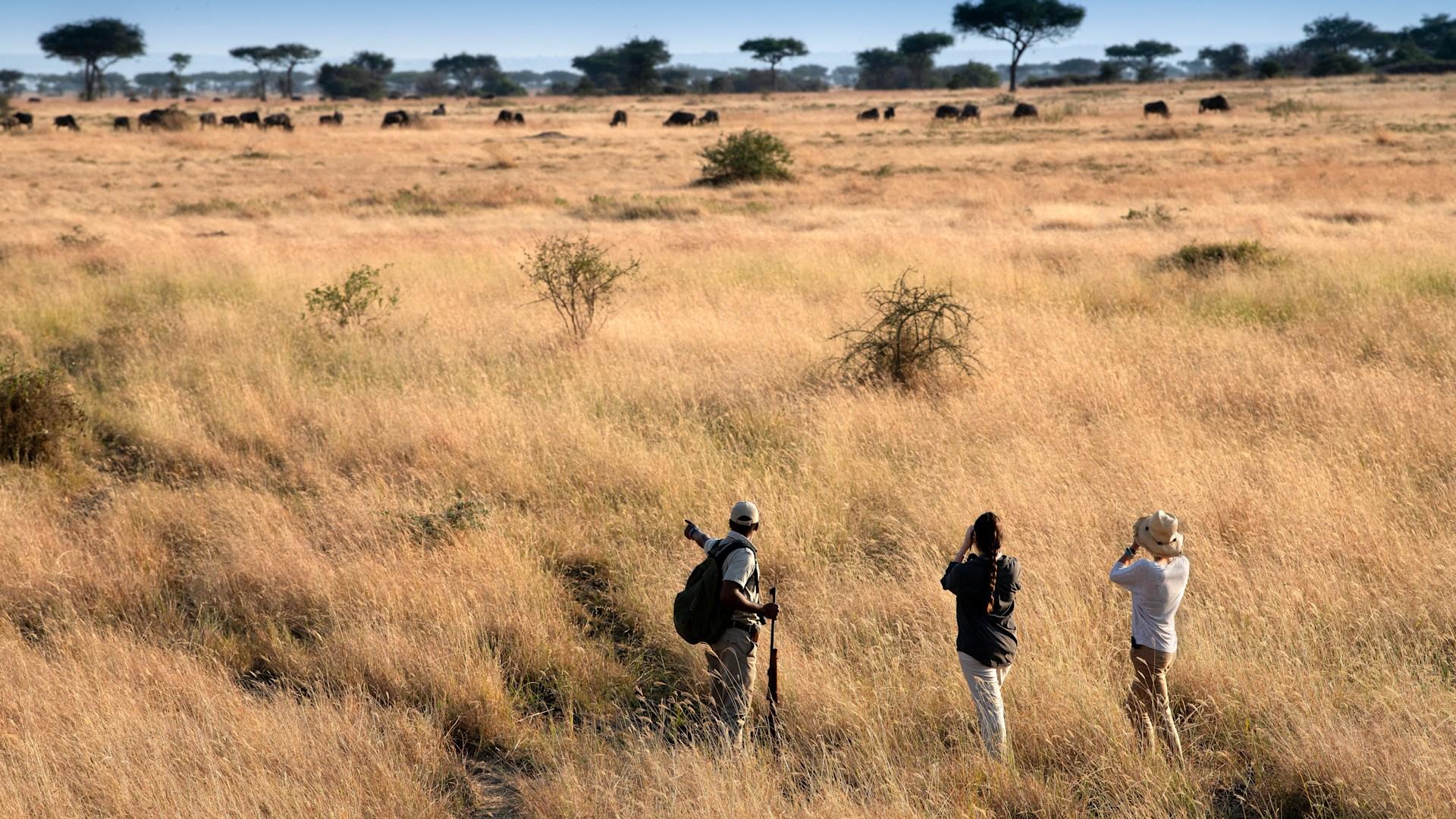
TANZANIA — While game drives dominate Tanzania’s tourism landscape, a quieter, more immersive experience is gaining attention among conservationists and industry insiders: walking safaris.
Unlike traditional vehicle-based tours, walking safaris place visitors directly into the ecosystem, offering a ground-level understanding of nature that many experts argue is missing from mainstream tourism.
A Hidden Gem in Tanzania’s Tourism Portfolio
According to conservation guides operating in the Ngorongoro Conservation Area, walking safaris provide a deeper connection to the environment—yet remain under-promoted compared to flagship experiences in the Serengeti National Park.
“Most tourists come for the Big Five, but they leave without understanding the ecosystem itself,” said one senior guide. “On foot, every track, every sound becomes a story.”
Reading the Language of the Wild
During these guided walks, visitors are trained to interpret subtle signs of nature—animal footprints, broken vegetation, scents, and insect activity—offering insights into wildlife behavior that are often overlooked during game drives.
Experts describe this as “learning the language of the bush,” where even the smallest detail, from beetle movement to bird calls, signals ecological interactions.
Safety, Skills, and Regulation
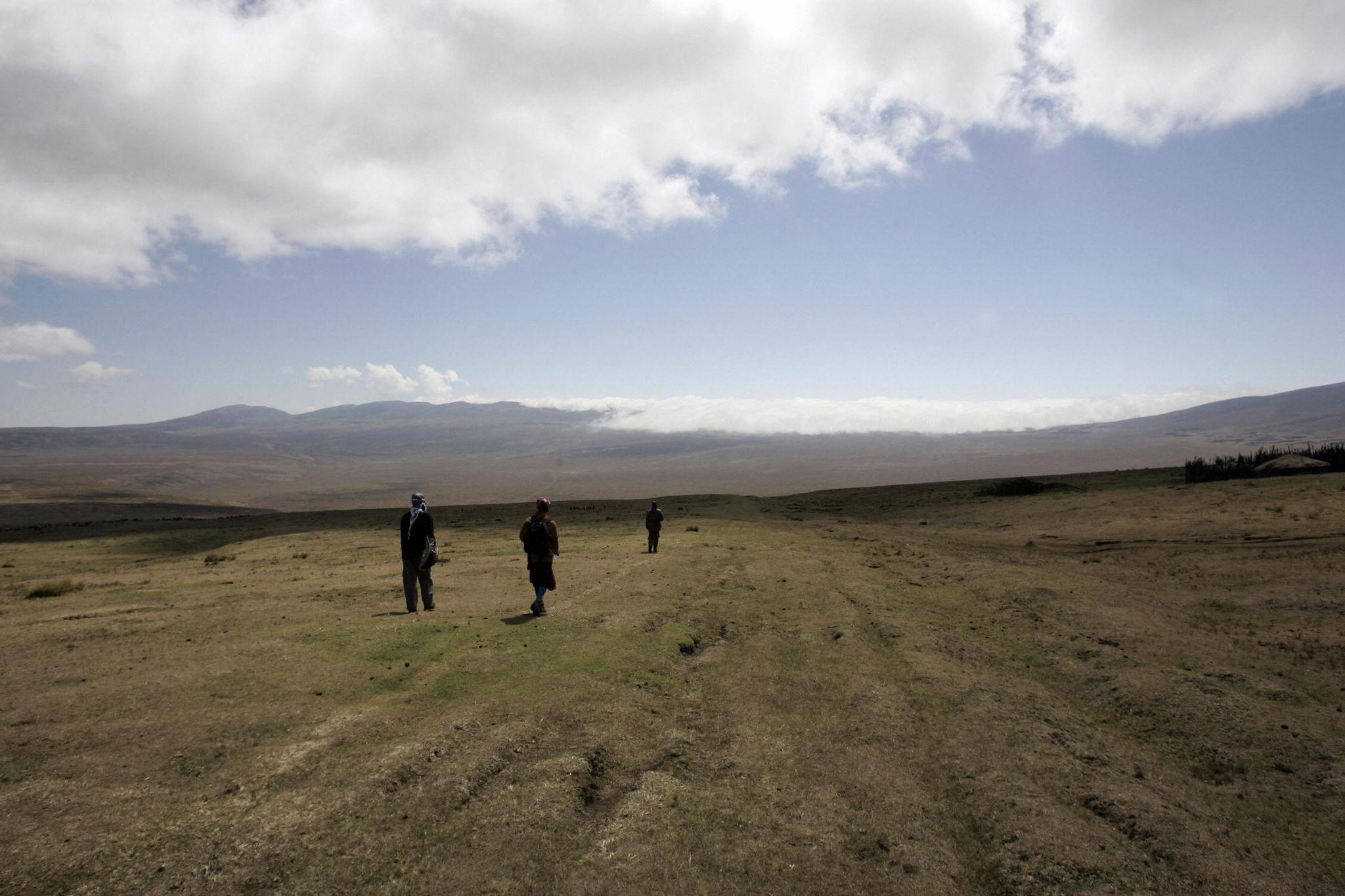
Despite its appeal, walking safaris raise important questions about safety and regulation. Armed rangers and certified guides are mandatory, and routes are carefully selected to minimize risk.
Industry stakeholders note that scaling this experience requires:
- More trained guides
- Stronger awareness campaigns
- Clear safety communication for international tourists
Economic and Conservation Impact
Tourism analysts suggest that expanding walking safaris could:
- Diversify Tanzania’s tourism products
- Increase visitor stay duration
- Create specialized jobs for trained guides
- Strengthen conservation awareness among tourists
The Experience Beyond Sight
For those who have experienced it, walking safaris offer something beyond visual tourism—an immersive, sensory journey.
From the crunch of dry grass underfoot to the distant movement of wildlife, the experience reconnects visitors with nature in its rawest form.
👉 Explore a walking safari day trip itinerary in Arusha National Park
Photo Courtesy