
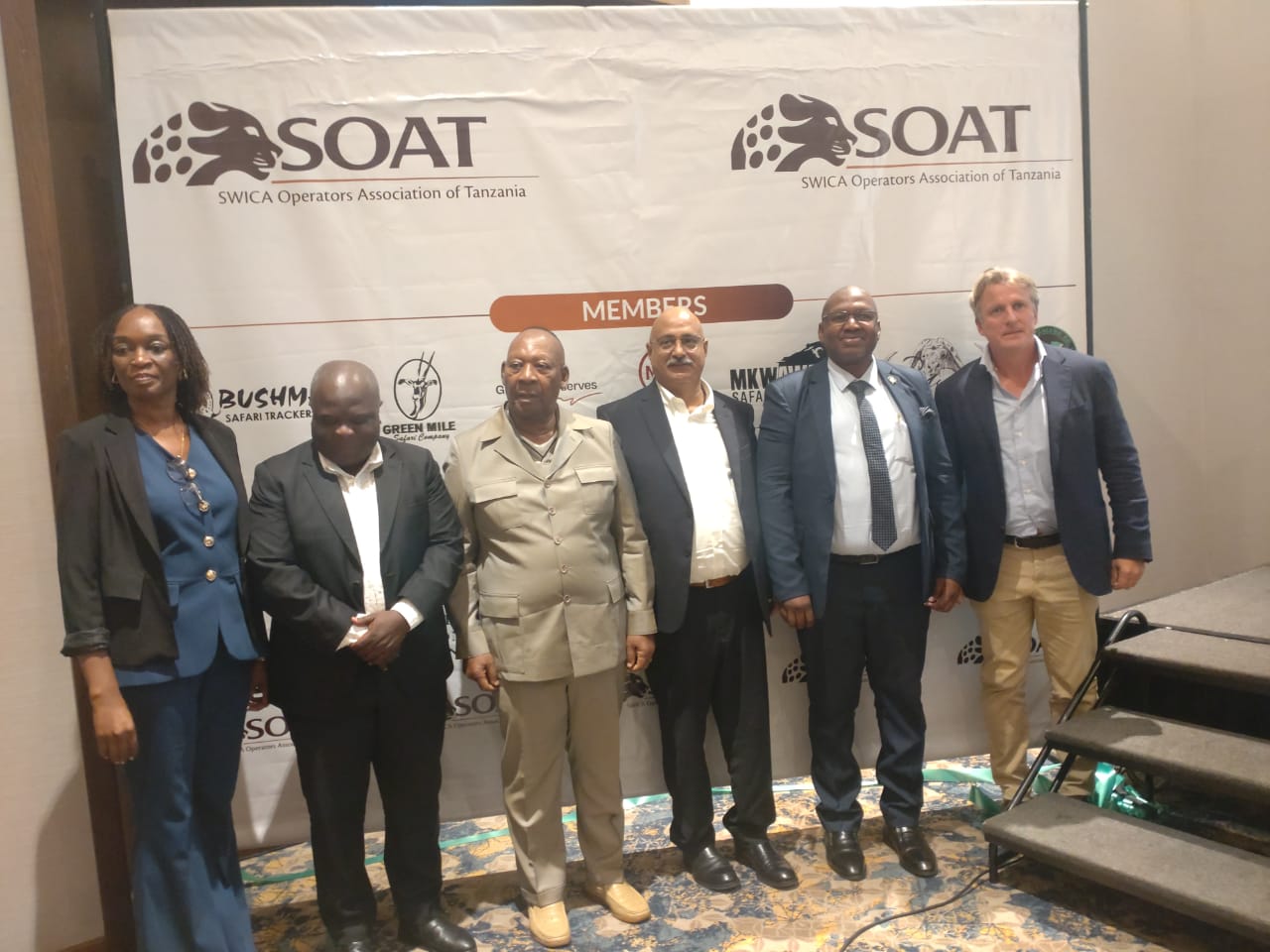
Tanzania Unveils SOAT to Unlock $470M Wildlife Tourism Investment and Conservation Revolution
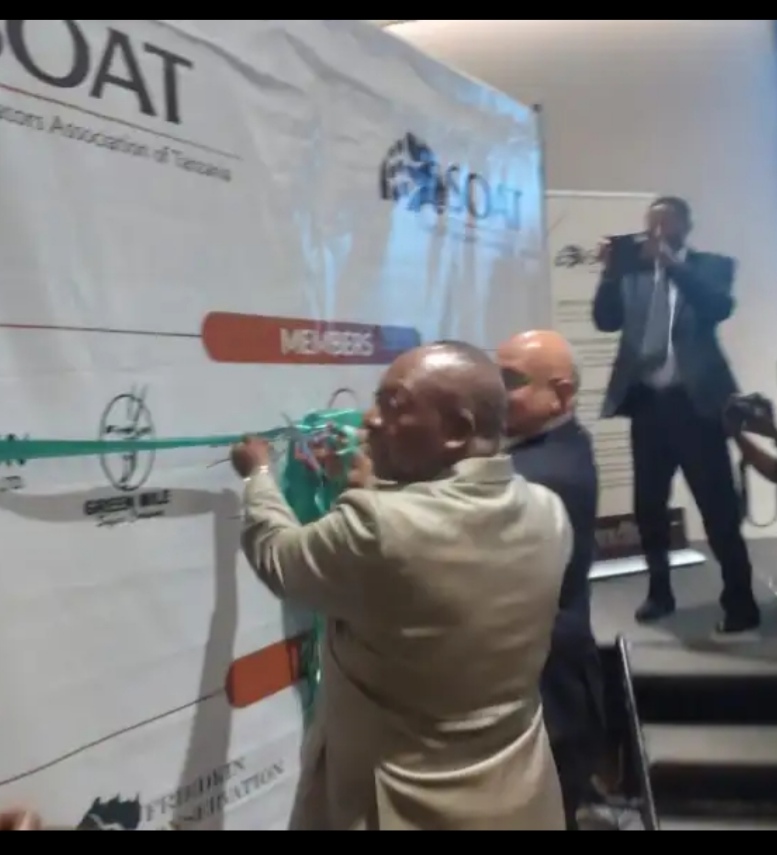
Tanzania has taken a transformative leap in its tourism and conservation sector with the launch of the Special Wildlife Investment Concession Areas Operators Association of Tanzania, a unified private-sector platform set to reshape how wildlife tourism is funded, managed, and sustained.
The launch marks a strategic shift from fragmented investment efforts to a coordinated, high-impact model, bringing together investors operating within Special Wildlife Investment Concession Areas (SWICA) under one powerful voice.
A Multi-Billion Tourism & Conservation Investment Vision
At the heart of SOAT is a bold financial commitment:
- USD 50 million (TSh 125 billion) direct investment by members
- Projected TSh 790 billion economic output over 20 years
- USD 470+ million total SWICA ecosystem investment potential
According to SOAT Executive Secretary, Mr. Erasmus Tarimo, the model is designed to create a self-sustaining ecosystem where tourism finances conservation and community development.
“Our vision is to align wildlife conservation, tourism, and community development into a sustainable engine for national growth,” he stated.
🎯 Targeted Investment Areas:
- USD 20 million → Anti-poaching operations
- USD 7 million → Research & wildlife monitoring
- Billions of shillings → Community infrastructure and services
The SWICA Model: A Game-Changer for Africa
The SOAT initiative is anchored in the SWICA framework, a uniquely Tanzanian model developed through years of policy innovation.
Led by Tanzania Wildlife Authority and explained by Hamis Semfuko, the model introduces:
- 20-year investment security (vs short-term concessions)
- Integration of photographic tourism, conservation, and controlled hunting
- Long-term infrastructure development in protected areas
👉 The result:
A high-value, low-impact tourism model that maximizes revenue while preserving ecosystems.
Critical Ecosystems Targeted
The investment focuses on strategically important wildlife corridors and buffer zones, including:
- Ikorongo–Grumeti ecosystem
- Maswa (Kimali & Mbono)
- Mkungunero Game Reserve
- Lake Natron
- Selous Game Reserve
These areas are essential for:
- Wildlife migration routes
- Biodiversity protection
- Expanding premium safari tourism
Investor Confidence Surges
Investor participation has more than doubled:
- From 6 investors → 13 investors today
- Previous investments exceeded USD 278 million
This rapid growth signals rising confidence in Tanzania’s conservation-led tourism economy.
Government Alignment & National Tourism Targets
The initiative is fully aligned with Tanzania’s national ambition to attract 8 million tourists annually by 2030, as reaffirmed by Mlage Yussuf Kabange.
Government officials emphasized that SOAT will:
- Strengthen public-private partnerships
- Improve policy coordination
- Accelerate tourism sector growth
Community Transformation at the Core
Unlike traditional tourism models, SOAT places communities at the center:
- Over TSh 134 billion committed to community projects
- Investments in:
- Schools
- Water infrastructure
- Employment and skills development
Real examples already show impact:
- Local youth trained internationally
- Villages benefiting from conservation-linked development
👉 Tourism is no longer isolated — it becomes a driver of rural transformation.
Industry Challenges & Reform Agenda
Despite strong momentum, stakeholders highlighted key barriers:
- Complex licensing systems
- Taxation pressures
- Regulatory inefficiencies
Wilbard Chambulo (TATO Chairman) emphasized:
“Investment follows opportunity — and opportunity depends on a predictable environment.”
The private sector is now pushing for:
- Simplified licensing frameworks
- Investor-friendly tax policies
- Streamlined government processes
A Unified Tourism Industry Voice
The formation of SOAT brings together major players including:
- Mwiba Holdings
- Grumeti Reserves
- Mkwawa Safaris
- Green Mile Safari Company
With support from:
- Tanzania Association of Tour Operators
- Tanzania Hunting Operators Association
- Tanzania Wildlife Research Institute
👉 This marks the emergence of a single, coordinated industry voice shaping the future of tourism investment.
Strategic Shift: Building a Tourism Economy
The launch of SOAT signals a powerful transformation:
✔ From fragmented tourism projects
✔ To integrated, long-term investment ecosystems
✔ From conservation dependency
✔ To self-financing conservation through tourism
👉 Unlock Tanzania’s Wild Ecosystems – Start Your Journey Here