
Cultural Tourism and Diplomacy Meet in Tanzania’s Coastal Capital
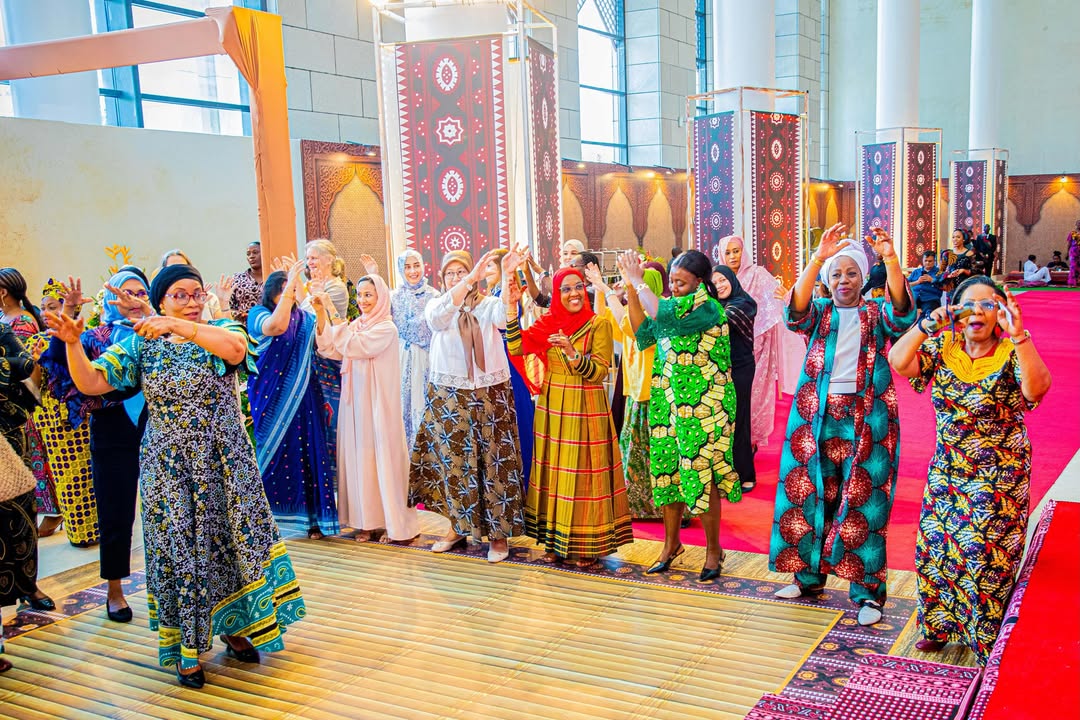
Dar es Salaam : Tanzania’s diplomatic community gathered in Dar es Salaam for the inaugural Africa Day Swahili Brunch, a colorful cultural celebration that showcased the beauty of Swahili heritage while strengthening friendship, cooperation, and cultural exchange among nations represented in the East African country.
The event, organized as part of the annual Africa Day commemorations observed every May 25, brought together ambassadors, diplomats, and their spouses for an immersive experience of Tanzanian traditions, cuisine, music, fashion, and coastal hospitality.
Africa Day marks the historic establishment of the Organisation of African Unity, now known as the African Union, which was created to promote African unity, solidarity, and cooperation across the continent.
A Unique Swahili Cultural Experience for International Guests
Speaking during the gathering, Zakia Kombo explained that modern diplomacy goes beyond official meetings and policy discussions. She noted that friendship among nations, family relations, hospitality, and cultural exchange are equally important in building lasting global partnerships.
Drawing from her experience living abroad while her husband served as Tanzania’s ambassador to Italy, she said the idea for the Swahili Brunch was inspired by the unity and hospitality she witnessed within diplomatic communities overseas.
The brunch allowed international guests to experience Tanzania’s rich Swahili identity through authentic coastal cuisine, traditional entertainment, and interactive cultural activities deeply rooted in East African heritage.
Tourists Increasingly Drawn to Tanzania’s Cultural Experiences
For visitors exploring Tanzania, the event highlighted the country’s growing focus on cultural tourism alongside its globally renowned wildlife and beach attractions. Guests participated in traditional chetezo painting, experienced henna decoration, and learned the art of making Swahili-inspired bead bracelets representing centuries-old coastal craftsmanship.
The gathering also featured indigenous African games including bao, one of the continent’s oldest traditional board games, offering visitors a deeper connection to local customs and community traditions.
A fashion showcase displayed Tanzania’s diverse cultural identity through colorful traditional and contemporary designs inspired by local fabrics and coastal influences. Meanwhile, energetic performances of Singeli music — a fast-rising Tanzanian urban music genre — added a modern cultural dimension to the celebration.
Tanzania Strengthens Its Position as a Swahili Cultural Hub
As one of East Africa’s leading tourism destinations, Tanzania continues to position itself as a center of Swahili civilization and cultural heritage. Kiswahili, which originated along the East African coast, is now spoken by more than 200 million people and serves as one of the official working languages of the African Union.
The Africa Day Swahili Brunch reflects Tanzania’s broader efforts to use cultural diplomacy to strengthen international relationships while promoting tourism, investment, and cultural understanding.
For travelers, such experiences offer opportunities to discover Tanzania beyond safari circuits by engaging directly with local traditions, cuisine, music, and artistic expression.
Alongside iconic destinations such as Serengeti National Park, Mount Kilimanjaro, and Zanzibar, Tanzania is increasingly becoming known for immersive cultural tourism experiences that celebrate African identity and Swahili hospitality.
A New Addition to Tanzania’s Tourism and Diplomatic Calendar
The success of the inaugural event suggests the Africa Day Swahili Brunch may become a regular feature on Tanzania’s diplomatic and tourism calendar, offering international visitors and diplomats a unique platform to experience the warmth, diversity, and cultural richness of the country.
As Tanzania expands its tourism offerings, events celebrating Kiswahili culture continue to strengthen the nation’s image as one of Africa’s most welcoming destinations where heritage, diplomacy, and tourism naturally connect.