Historic Conservation Milestone Marks a New Era for Wildlife Protection, Research, and Tourism in Tanzania
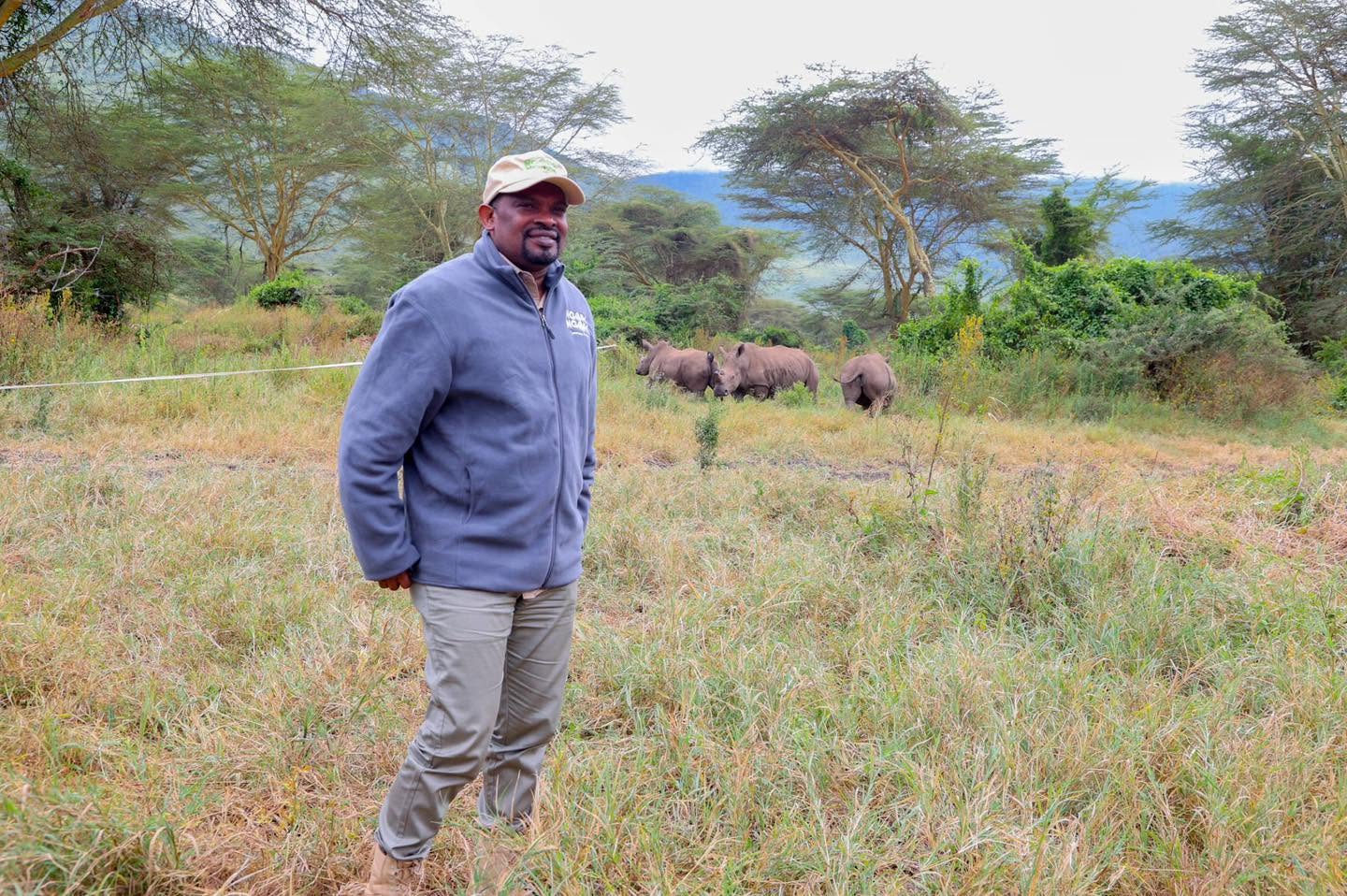
A remarkable chapter in Tanzania's conservation history has unfolded in the Ngorongoro Conservation Area, where 17 Southern White Rhinos imported from South Africa have officially been released from a protected acclimatization enclosure to roam freely within the iconic Ngorongoro Crater ecosystem.
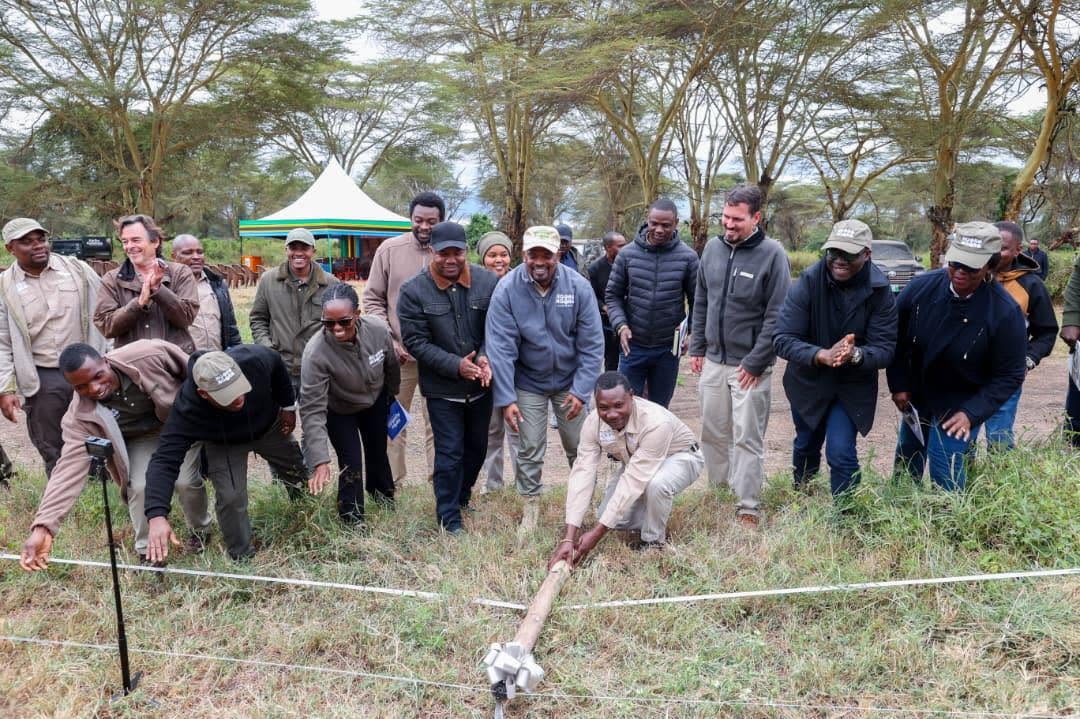
The historic release, conducted on June 13, 2026, represents a major milestone in Tanzania's ongoing efforts to restore endangered species populations and strengthen its position as a global leader in wildlife conservation.
For conservationists, researchers, and tourism stakeholders, the moment symbolizes far more than the movement of animals from one habitat to another. It marks the successful reintroduction of a species that disappeared from Tanzania nearly 300 years ago and opens a new chapter in the country's conservation story.
🦏 A Historic Return to Tanzania
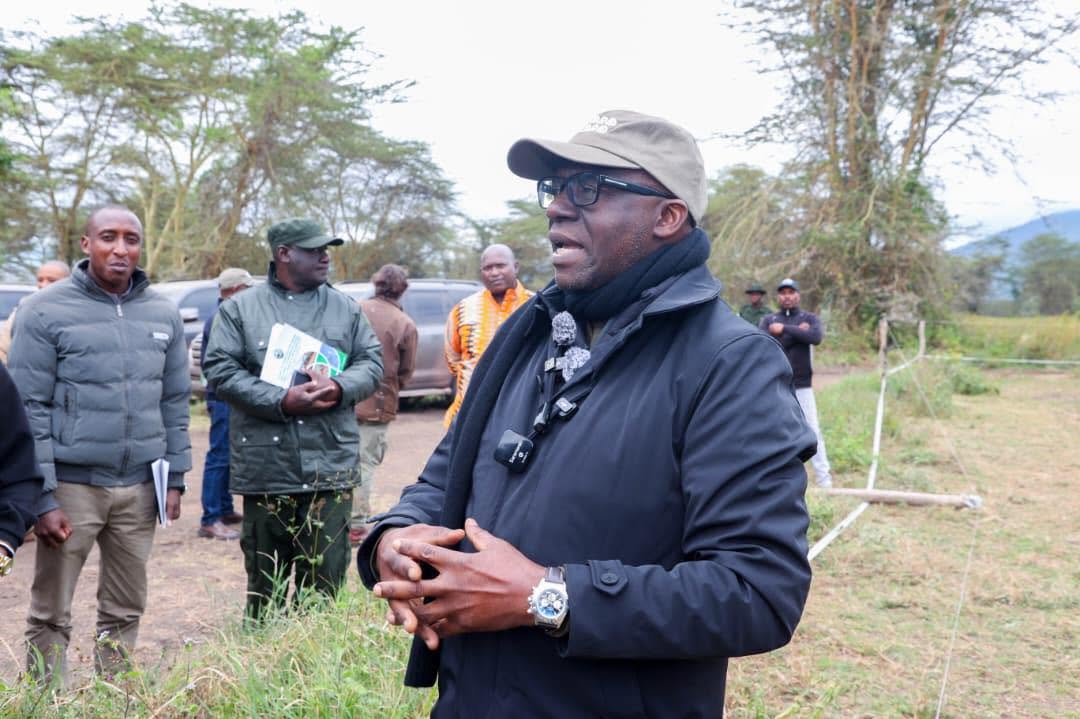
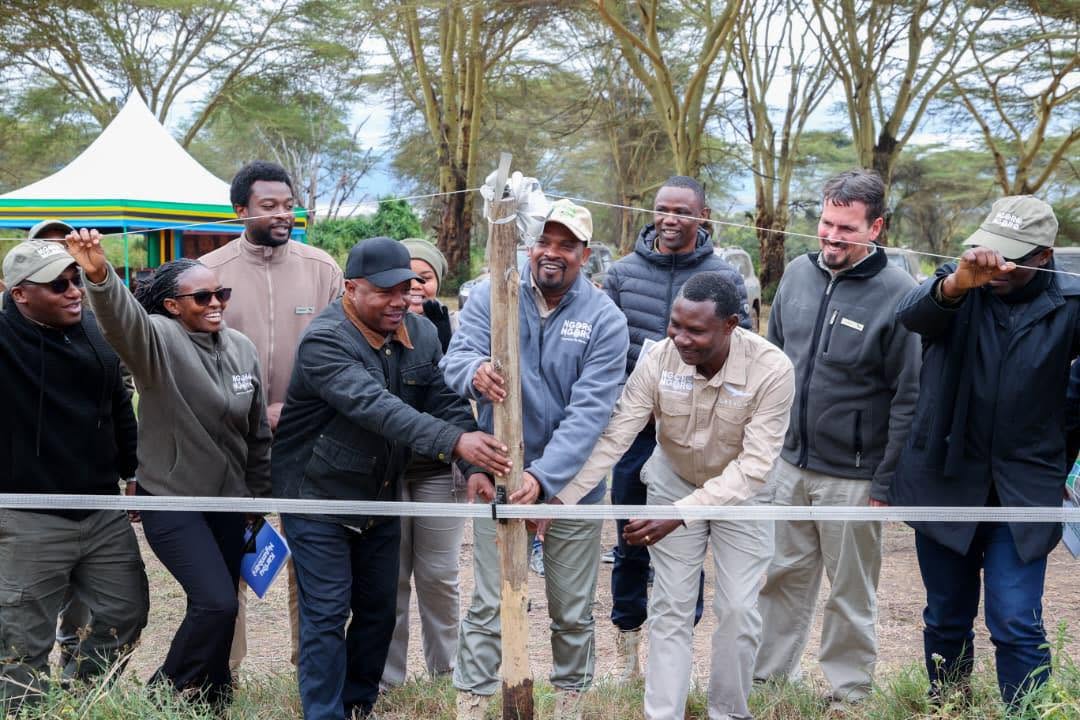
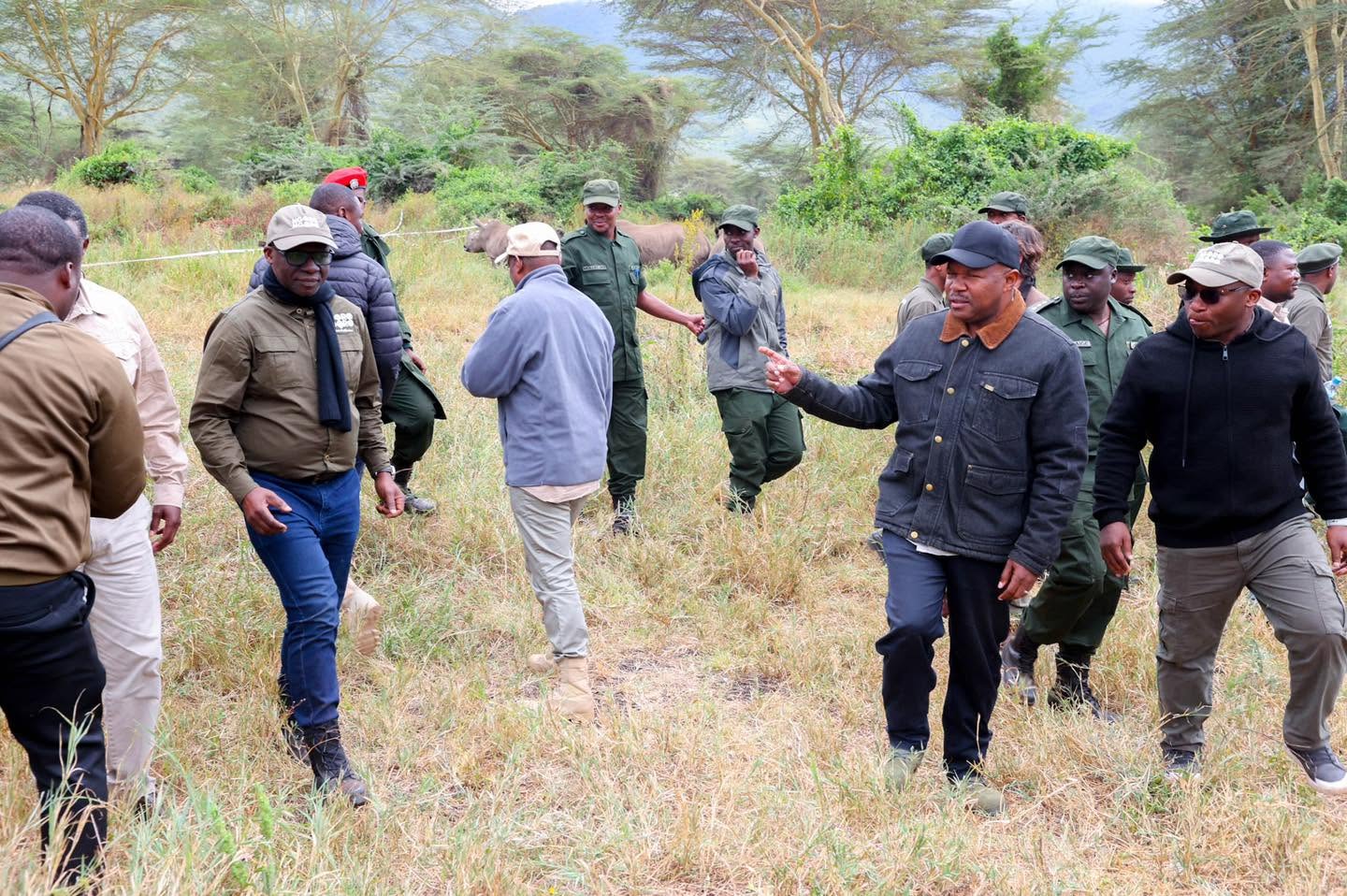
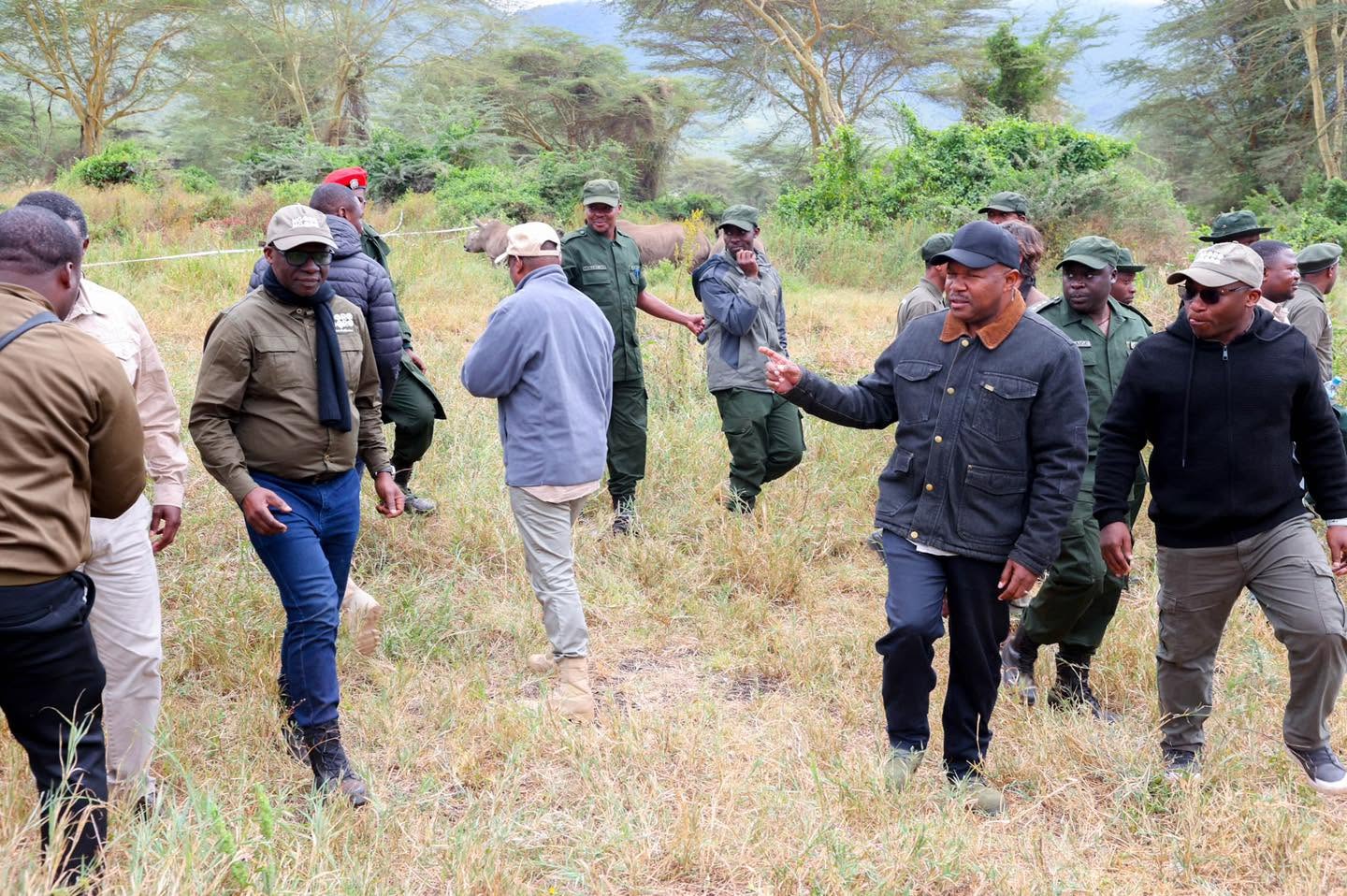
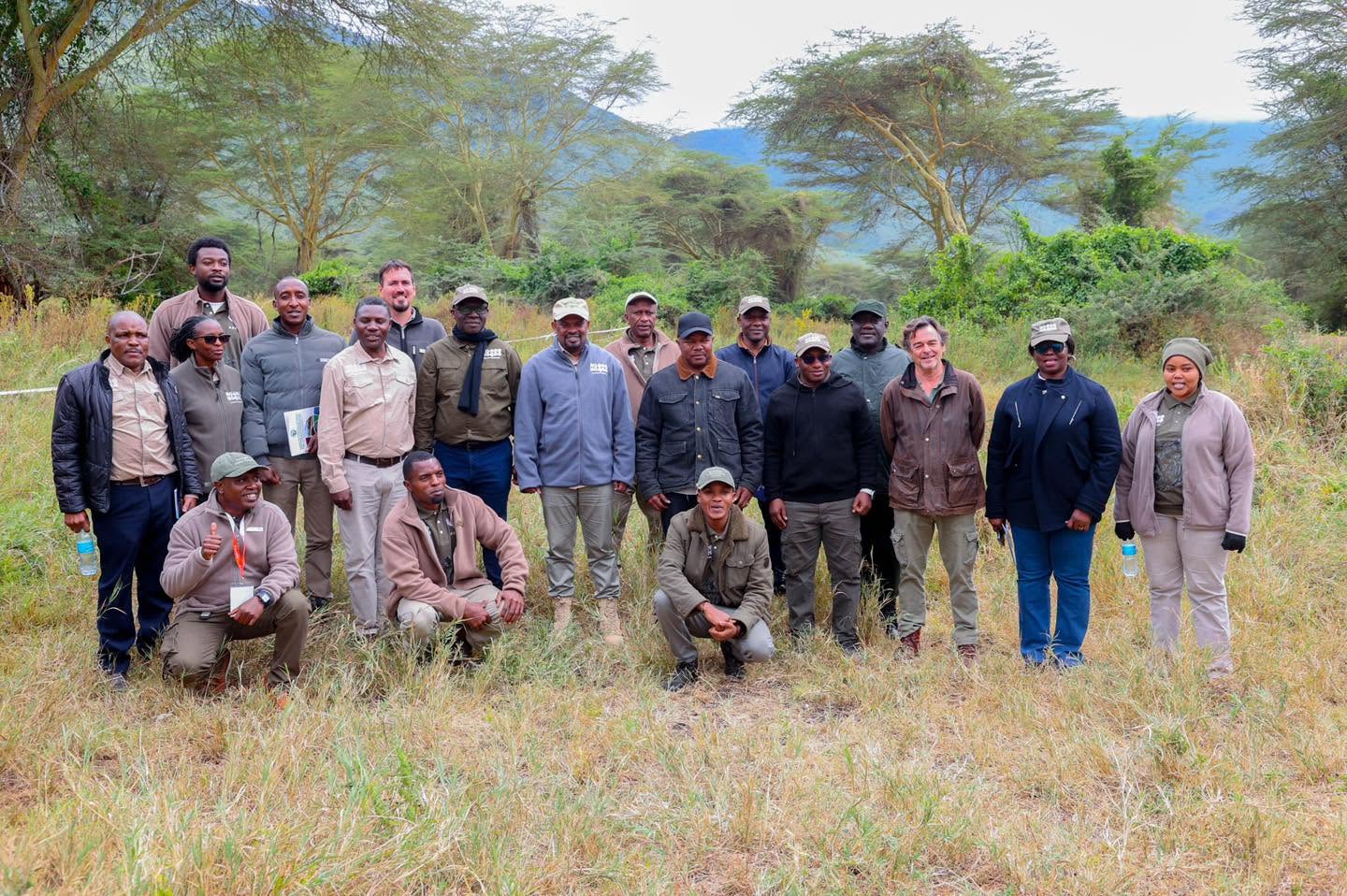
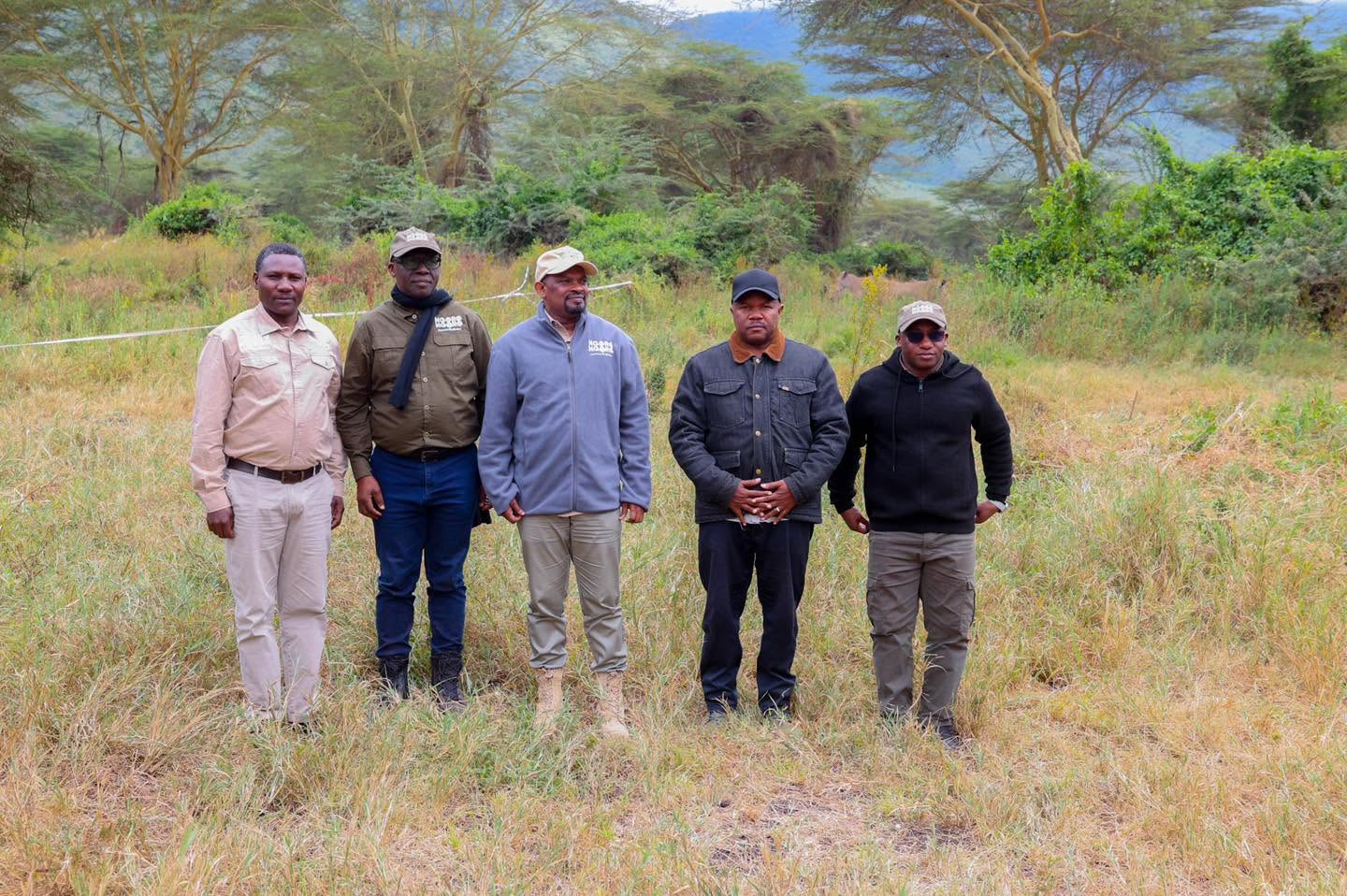
The release ceremony was led by Deputy Minister for Natural Resources and Tourism, Hon. Hamad Hassan Chande, alongside senior officials from the Ngorongoro Conservation Area Authority (NCAA), representatives from conservation partner AndBeyond, and other wildlife stakeholders.
The 17 white rhinos were initially transported from South Africa and placed in a specially designed conservation enclosure within the Ngorongoro Conservation Area. Over several months, wildlife experts closely monitored their health, adaptation, and behavior to ensure a smooth transition into their new environment.
Following successful acclimatization, conservation authorities approved their release into the wider Ngorongoro ecosystem, where they will now coexist with the area's resident population of black rhinos.
The development is being celebrated as one of the most significant wildlife restoration initiatives undertaken in Tanzania in recent years.
🌍 Why Ngorongoro Was Chosen
According to conservation authorities, Tanzania was selected as a destination for the rhino relocation due to its strong conservation record, secure protected areas, and favorable ecological conditions.
Ngorongoro, a UNESCO World Heritage Site renowned for its exceptional biodiversity, offers an ideal environment for the species.
The area's extensive grasslands, reliable water sources, professional wildlife management systems, and effective anti-poaching measures make it one of Africa's safest habitats for endangered wildlife.
Officials emphasized that the project demonstrates growing international confidence in Tanzania's ability to safeguard some of the world's most vulnerable species.
🔬 Conservation, Research, and Education Opportunities
Speaking during the event, Director of Wildlife at the Ministry of Natural Resources and Tourism, Dr. Alexander Lobora, highlighted the broader benefits of the initiative beyond conservation.
According to Dr. Lobora, the introduction of white rhinos will create valuable opportunities for scientific research, wildlife monitoring, conservation training, and environmental education.
Researchers, students, and conservation practitioners will gain access to new data and experiences that can support regional and international wildlife management efforts.
The project is also expected to contribute to global understanding of rhino conservation and species recovery programs.
🤝 Public-Private Partnership Driving Success
Deputy Minister Chande commended conservation partner AndBeyond for its commitment to supporting wildlife protection and scientific research across Africa.
He noted that successful conservation increasingly depends on strong partnerships between governments, private conservation organizations, tourism investors, researchers, and local communities.
The Minister also praised Ngorongoro conservation officers and rangers for their dedication in protecting and caring for the rhinos throughout the relocation and adaptation process.
Their efforts, he said, have helped create conditions necessary for the successful re-establishment of the species in Tanzania.
🦏 Living Alongside the Black Rhino
One of the most exciting aspects of the project is the integration of white rhinos into an ecosystem already known for its population of critically endangered black rhinos.
Ngorongoro remains one of the few places in East Africa where visitors can reliably encounter black rhinos in their natural habitat.
The addition of white rhinos is expected to increase biodiversity while providing conservationists with valuable opportunities to study the coexistence of both species within a shared ecosystem.
Wildlife experts believe the initiative will further strengthen Ngorongoro's global reputation as one of Africa's most important rhino conservation landscapes.
📸 New Tourism Experiences for Visitors
The return of white rhinos is also expected to enhance Tanzania's tourism appeal.
Ngorongoro Conservation Area already attracts visitors from around the world thanks to its spectacular scenery, abundant wildlife, Maasai cultural heritage, and status as one of Africa's most celebrated safari destinations.
The presence of both black and white rhino populations is likely to increase interest among wildlife enthusiasts, photographers, conservation tourists, and safari travelers seeking rare wildlife encounters.
Tourism officials believe the initiative will add value to visitor experiences while reinforcing Tanzania's reputation as a destination where conservation and tourism work hand in hand.
🚀 Phase Two Already on the Horizon
Authorities have confirmed that the release of the first 17 white rhinos represents only the beginning of a larger conservation initiative.
Plans are already underway for a second phase that will involve the introduction of an additional 18 white rhinos from South Africa in the coming years.
The expanded population is expected to strengthen genetic diversity and establish a sustainable breeding population within Tanzania.
If successful, the program could become one of Africa's leading examples of international wildlife restoration and species recovery.
A New Conservation Success Story
The release of the white rhinos into the Ngorongoro Conservation Area stands as a powerful symbol of Tanzania's commitment to protecting endangered species and preserving its natural heritage for future generations.
As the animals begin their new life within one of the world's most celebrated wildlife landscapes, conservationists hope their story will inspire continued investment in conservation, research, and sustainable tourism.
For visitors to Tanzania, the sight of white rhinos once again roaming freely across the plains of Ngorongoro offers a rare opportunity to witness a remarkable conservation success story in the making.