Arusha Discussions Highlight Conservation, Regional Cooperation, and Long-Term Growth Opportunities
Tourism leaders from Tanzania, Germany, and across East Africa have emphasized the importance of sustainability and regional collaboration as key drivers of the future growth of the tourism industry.
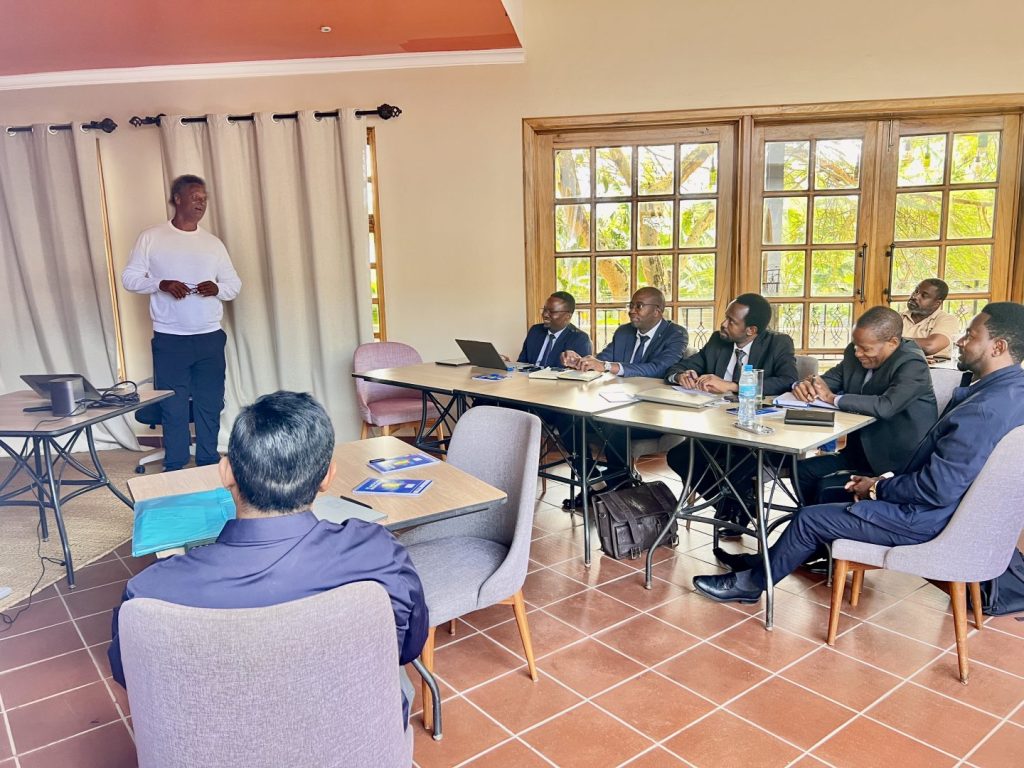
The discussions took place in Arusha, Tanzania's tourism capital and gateway to some of Africa's most celebrated wildlife destinations, where stakeholders from government institutions, tourism associations, conservation organizations, and the private sector gathered to explore opportunities and challenges facing the sector.
The engagement comes at a time when international travel demand is recovering strongly and interest in East African destinations among European travelers continues to grow.
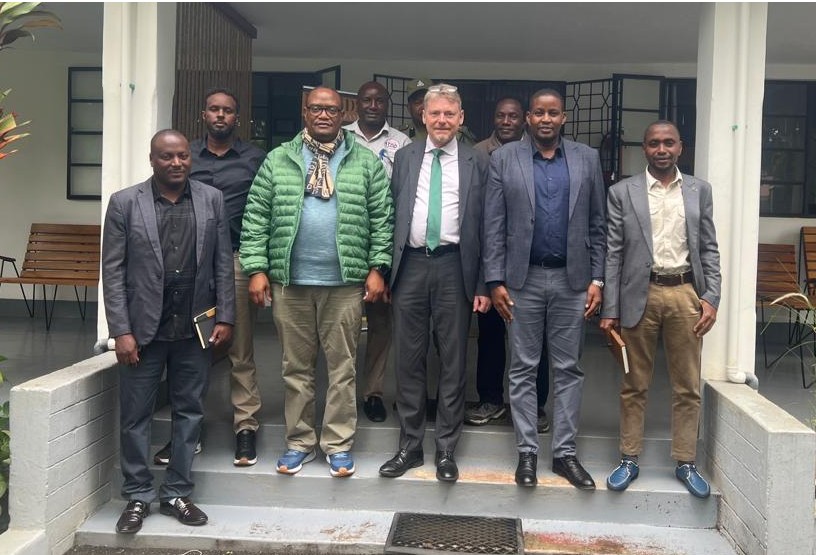
Germany's Chargé d'Affaires in Tanzania, Manuel Müller, praised Tanzania's efforts to balance conservation priorities with increasing visitor demand, noting that sustainable tourism practices are becoming a major consideration for international travelers when selecting destinations.

Sustainability Emerging as a Competitive Advantage
With tourism heavily dependent on natural resources and wildlife conservation, sustainability featured prominently throughout the discussions.
Participants highlighted several successful conservation initiatives that demonstrate Tanzania's commitment to protecting the natural environments that form the backbone of its tourism industry.
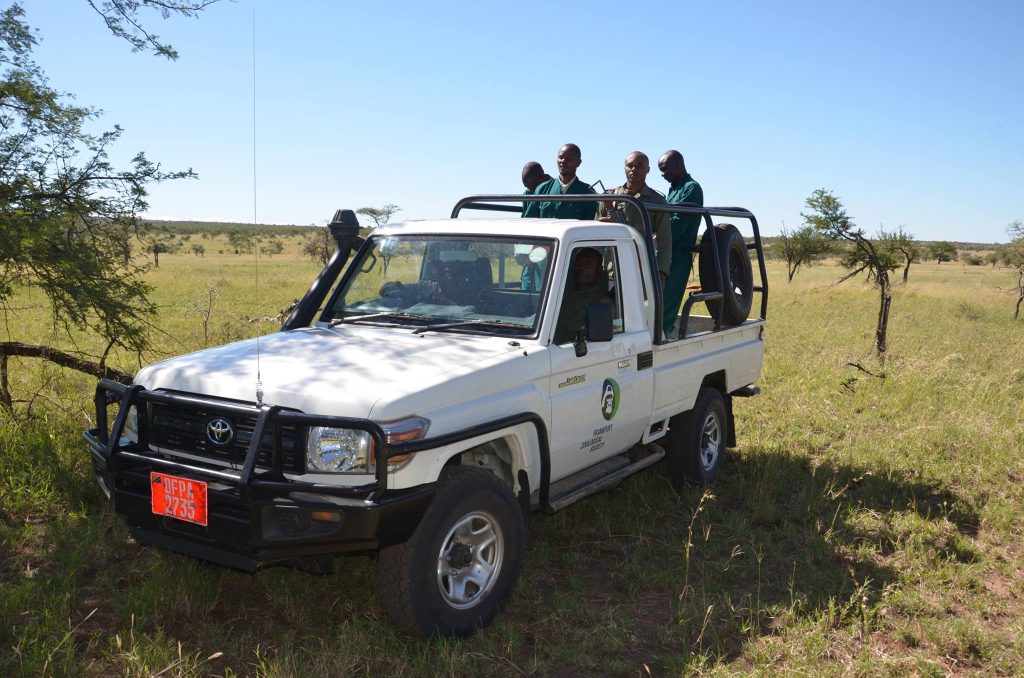
Among the initiatives recognized was the anti-poaching and de-snaring program operating within the Serengeti ecosystem. Implemented through collaboration between tourism stakeholders and conservation partners, the initiative aims to reduce illegal hunting activities, protect wildlife populations, and preserve critical habitats.
Stakeholders also highlighted environmental protection measures implemented within protected areas, including waste management initiatives on Mount Kilimanjaro, where climbers are required to remove non-biodegradable waste from the mountain.
According to Müller, such initiatives are increasingly valued by international travelers, particularly visitors seeking environmentally responsible destinations that prioritize conservation and sustainable tourism practices.
"Tanzania's commitment to conservation is not only protecting its natural heritage but also strengthening its attractiveness to modern travelers who want their journeys to contribute positively to the environment," he noted.
Tourism Driving Regional Integration
A key theme emerging from the discussions was the growing importance of regional tourism cooperation within the East African Community (EAC).
Tour operators and industry leaders emphasized that modern travelers increasingly seek multi-destination experiences that allow them to explore several countries during a single trip.
East Africa's unique diversity of attractions provides an ideal foundation for this approach.
Visitors can combine Tanzania's world-famous safari experiences with mountain adventures, beach holidays, gorilla trekking experiences in neighboring countries, and rich cultural encounters throughout the region.
Müller described tourism as one of the most practical and effective tools for strengthening regional integration.
"Each East African country offers unique attractions that complement one another. Together, they create a stronger and more competitive regional tourism product capable of attracting visitors from around the world," he said.
Growing Collaboration Across East Africa
Industry stakeholders highlighted several initiatives that are already strengthening tourism cooperation across the region.
These include familiarization trips connecting tourism businesses from different East African countries, collaborative destination marketing campaigns, and joint participation in international tourism exhibitions and trade fairs.
Tourism operators noted that such partnerships help expand travel opportunities while enabling visitors to experience the diversity of East Africa through integrated travel itineraries.
Joint promotional efforts have also increased the visibility of East African destinations in international markets, helping position the region as one of the world's most attractive tourism destinations.
Community Benefits and Inclusive Tourism Growth
Beyond attracting visitors, stakeholders stressed the importance of ensuring tourism growth translates into tangible benefits for local communities and tourism workers.
Representatives from tourism associations highlighted ongoing efforts to improve working conditions, professional training, and welfare standards for tourism workers across various sectors.
Special attention was given to initiatives supporting mountain porters, guides, and community-based tourism enterprises that play a vital role in delivering visitor experiences.
Industry leaders emphasized that investing in workers and local communities strengthens service quality, enhances visitor satisfaction, and contributes to the long-term sustainability of the tourism sector.
Inclusive tourism growth, participants agreed, remains essential for maintaining public support for conservation and tourism development.
Germany Remains a Key Tourism Market
Germany continues to be one of Tanzania's most important international tourism source markets.
According to tourism stakeholders, German visitor arrivals to Tanzania have grown significantly over recent years, reflecting the country's strong appeal among European travelers seeking authentic wildlife, adventure, and cultural experiences.
German tourists are particularly drawn to Tanzania's iconic attractions, including:
- Serengeti National Park
- Ngorongoro Conservation Area
- Mount Kilimanjaro
- Tarangire National Park
- Zanzibar's beaches and cultural heritage
- Community and cultural tourism experiences
Tourism industry representatives believe deeper regional integration could further increase visitor numbers while encouraging travelers to spend more time exploring East Africa.
Longer stays would generate additional economic benefits for tourism businesses, local communities, and conservation programs across the region.
Improved Connectivity Supporting Growth
The discussions also highlighted the importance of air connectivity in facilitating tourism growth.
Expanded flight networks between Europe and East Africa continue to improve accessibility for international travelers.
Direct and connecting services through major European aviation hubs are making it easier for visitors to reach destinations such as Dar es Salaam, Kilimanjaro, Arusha, and Zanzibar.
Improved connectivity is expected to play an increasingly important role in supporting tourism expansion, trade, investment, and people-to-people exchanges between Europe and East Africa.
Investment and Destination Promotion
Germany's role in global tourism extends beyond visitor arrivals.
As host of ITB Berlin, the world's largest tourism trade fair, Germany provides an important platform where Tanzania and other East African destinations showcase their tourism products, attract investors, and establish international partnerships.
Tourism stakeholders acknowledged that international exhibitions remain critical for destination marketing, investment promotion, and expanding business networks.
Germany also continues supporting regional tourism development through various partnerships focused on sustainable economic growth, conservation, and tourism promotion.
A Shared Vision for the Future
Participants concluded that East Africa's future tourism success will depend on maintaining a careful balance between growth and conservation while strengthening cooperation among countries, businesses, and communities.
The region's greatest strength lies in its diversity—offering visitors an unmatched combination of wildlife safaris, mountain adventures, cultural experiences, coastal tourism, and island escapes.
By working together to protect natural resources, improve visitor experiences, and promote regional travel, East African nations are positioning themselves to compete more effectively in the global tourism marketplace.
For Tanzania, the discussions reinforced its growing role as a leader in sustainable tourism and regional collaboration, ensuring that tourism continues to generate economic opportunities while preserving the extraordinary natural and cultural heritage that attracts visitors from around the world.