
Tabora, Tanzania
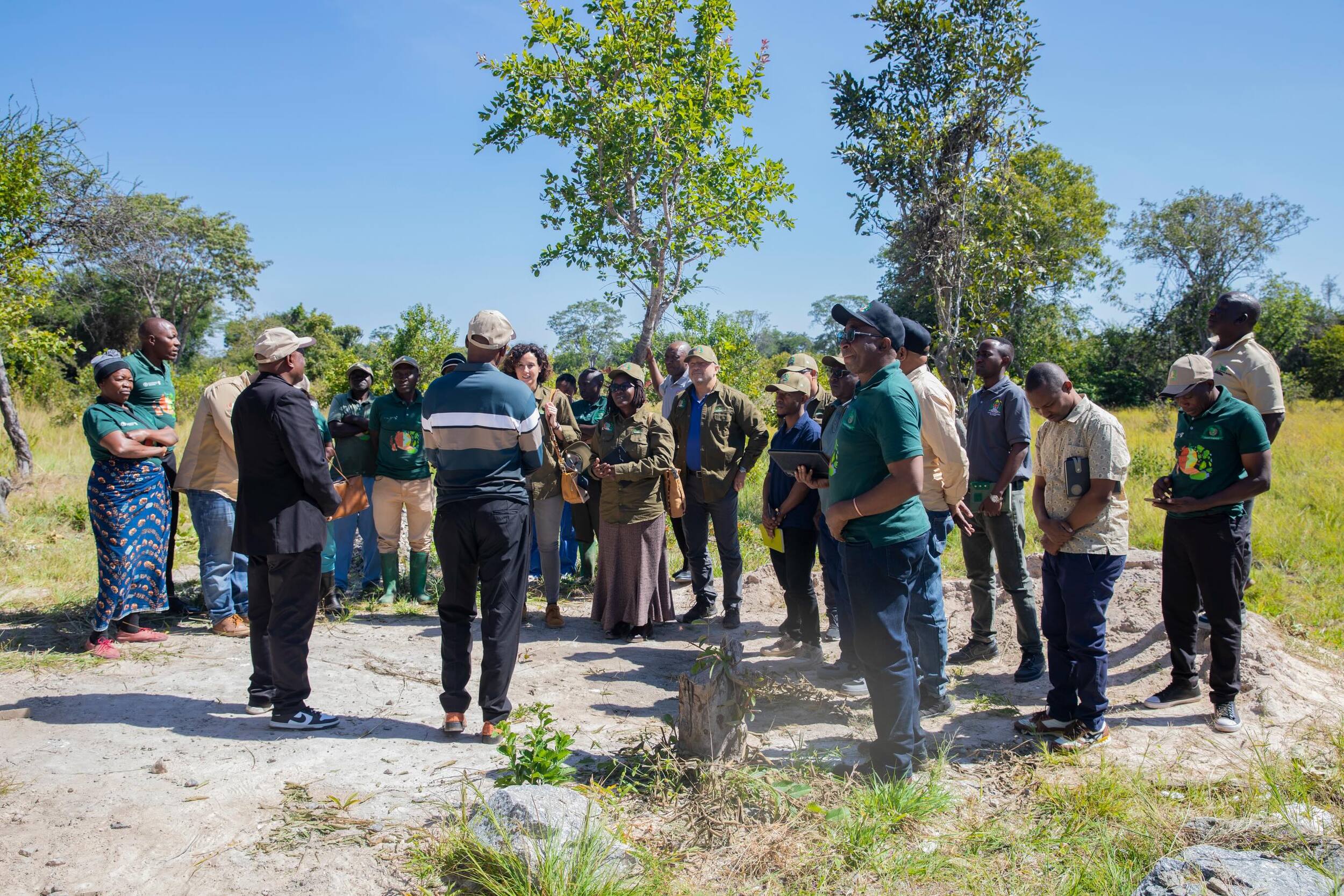
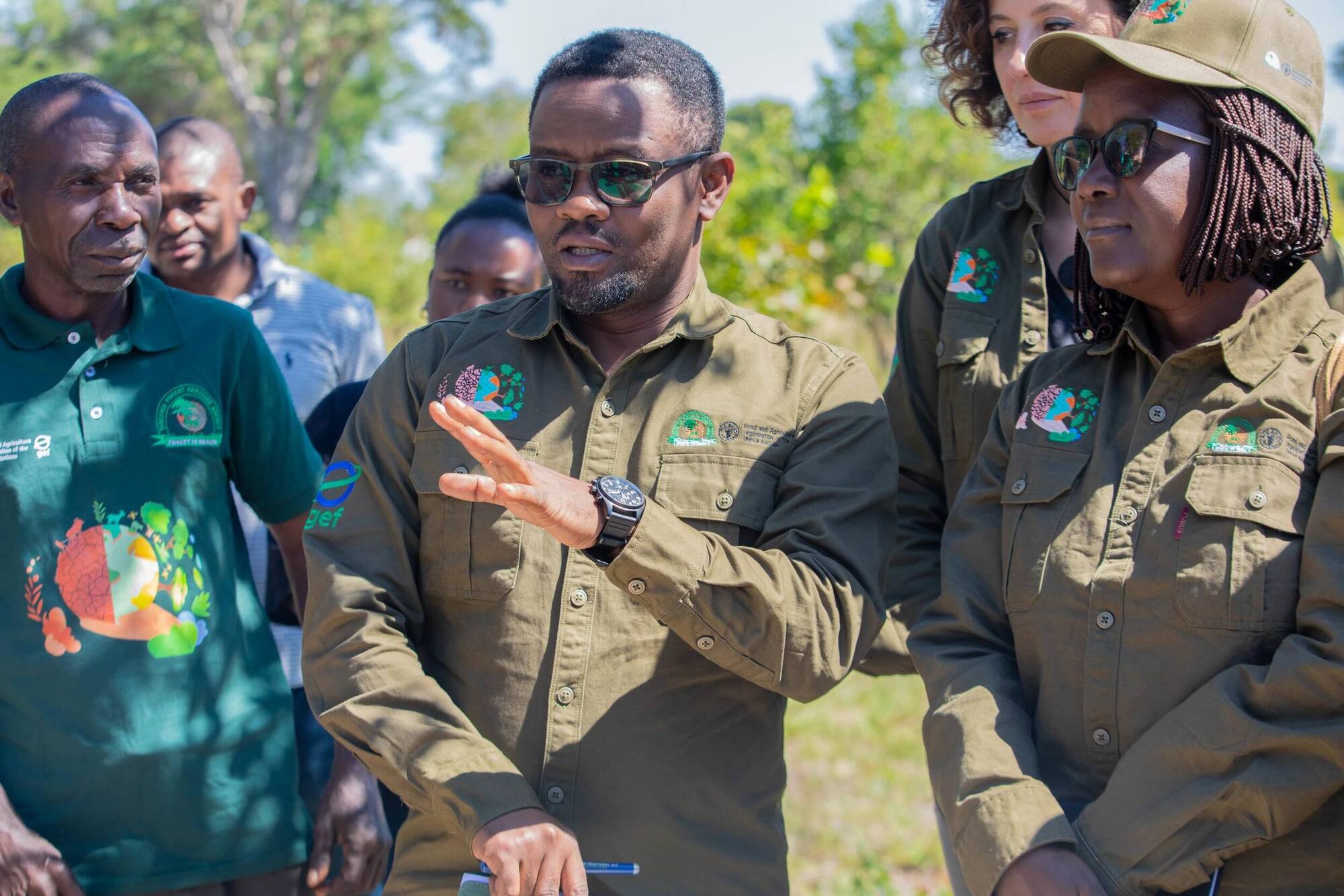
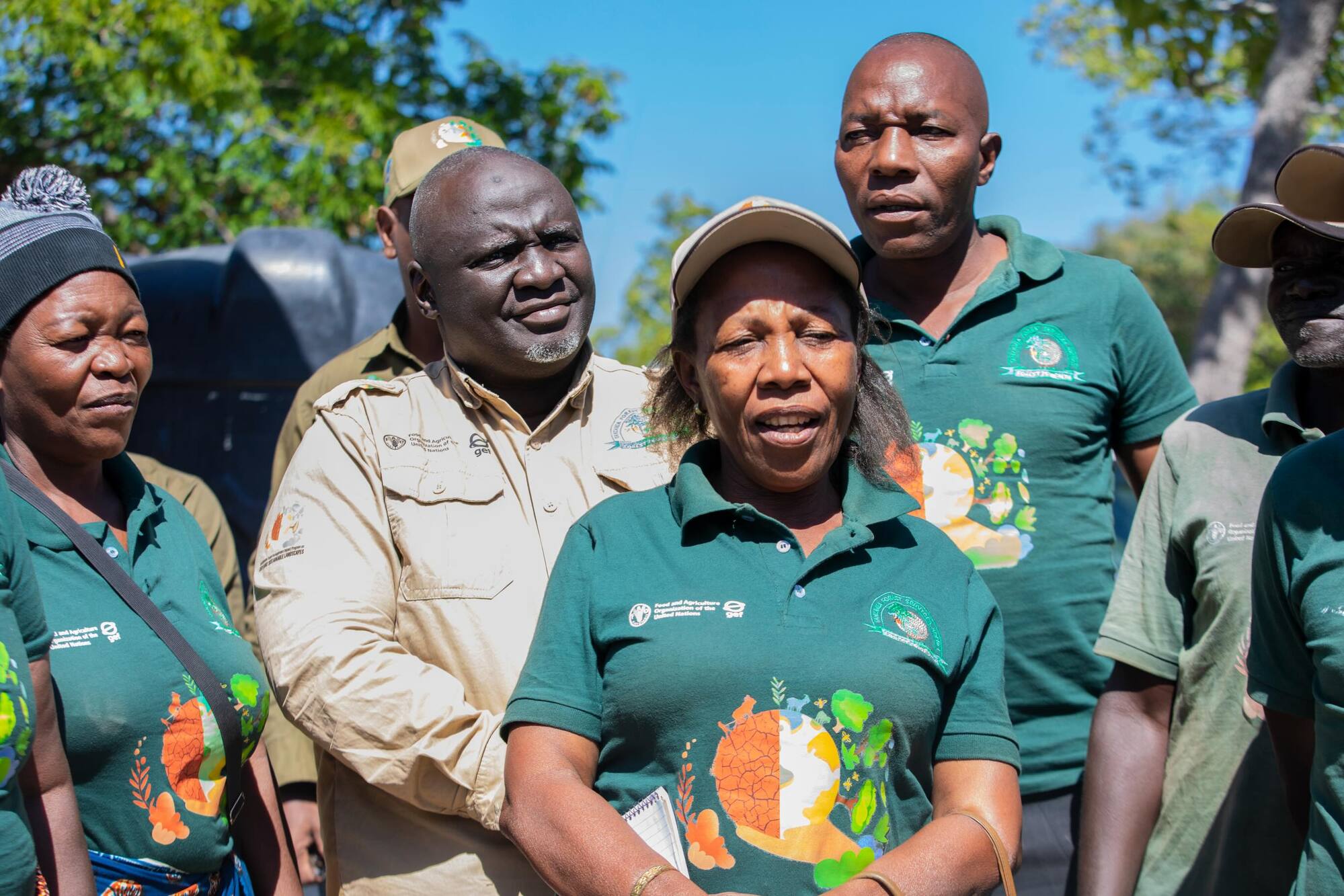
A delegation of international development partners and environmental donors has praised the progress being achieved under Tanzania’s Participatory Miombo Forest Management Project following a field visit to project implementation areas in western Tanzania.
The delegation included representatives from the Food and Agriculture Organization of the United Nations (FAO), the Global Environment Facility (GEF), and Tanzania’s Vice President’s Office – Division of Environment.
The visit focused on assessing the implementation of ongoing conservation and community development activities aimed at protecting the country’s vast Miombo woodland ecosystems while improving local livelihoods through sustainable environmental practices.
Promoting Sustainable Forest Conservation
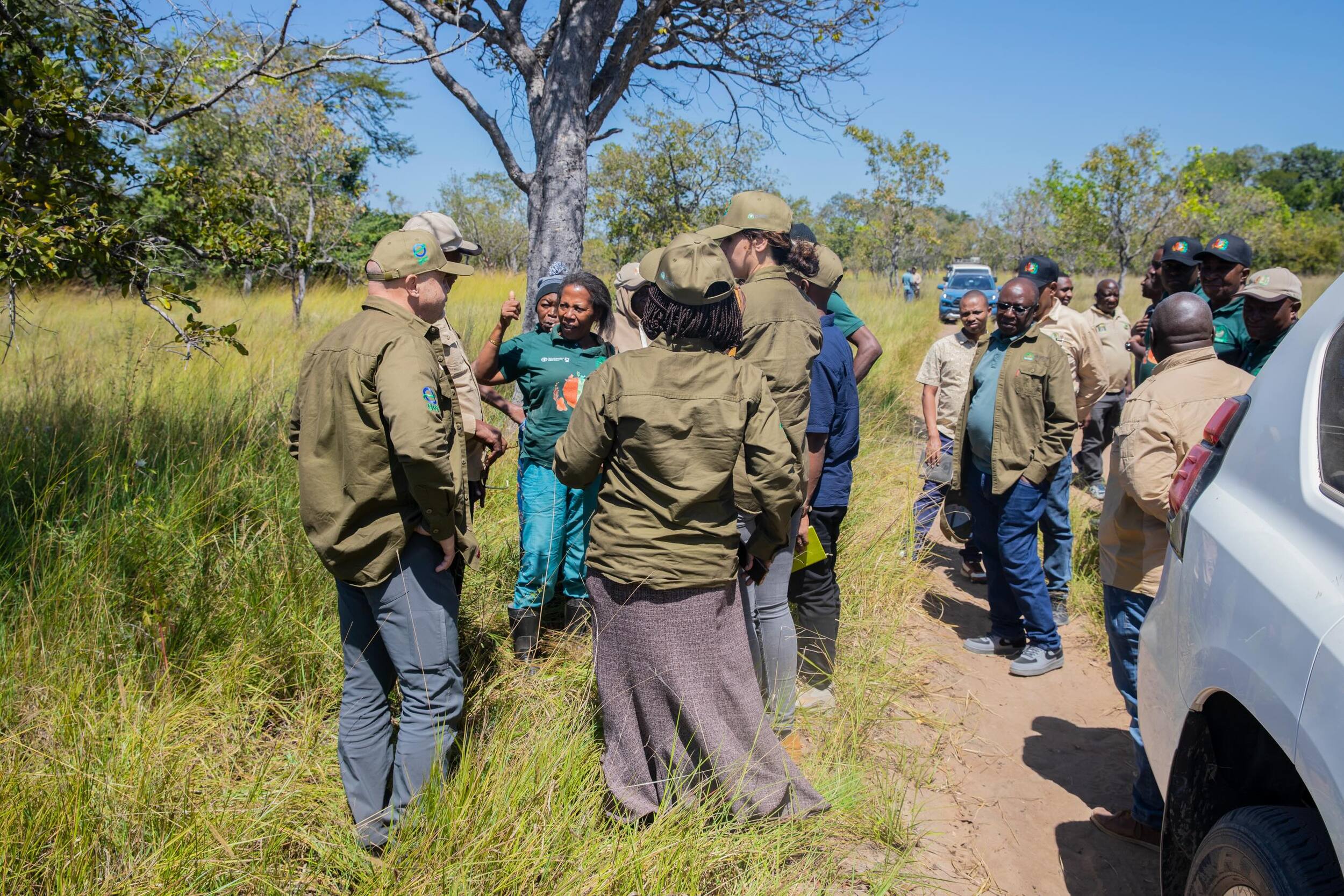
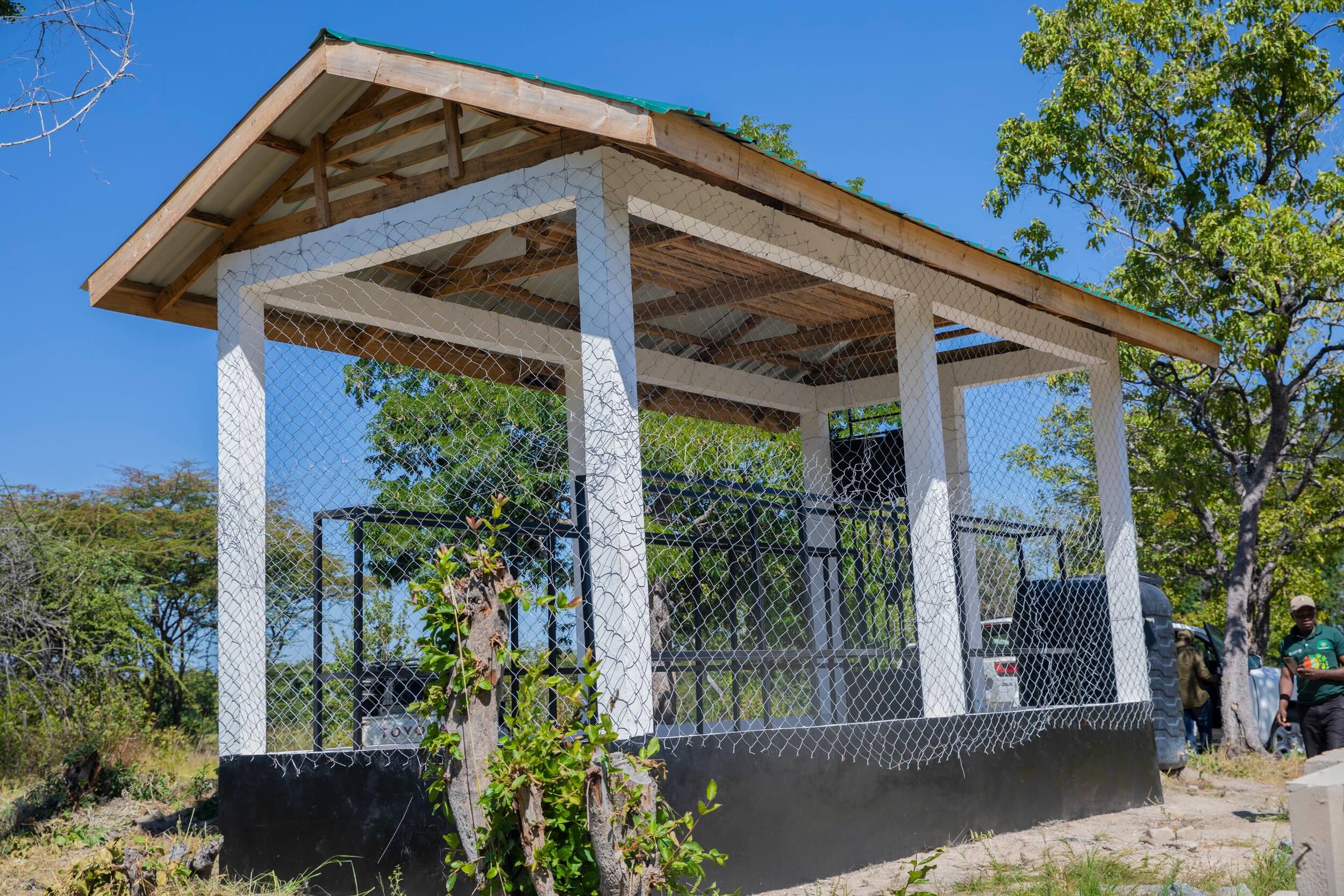
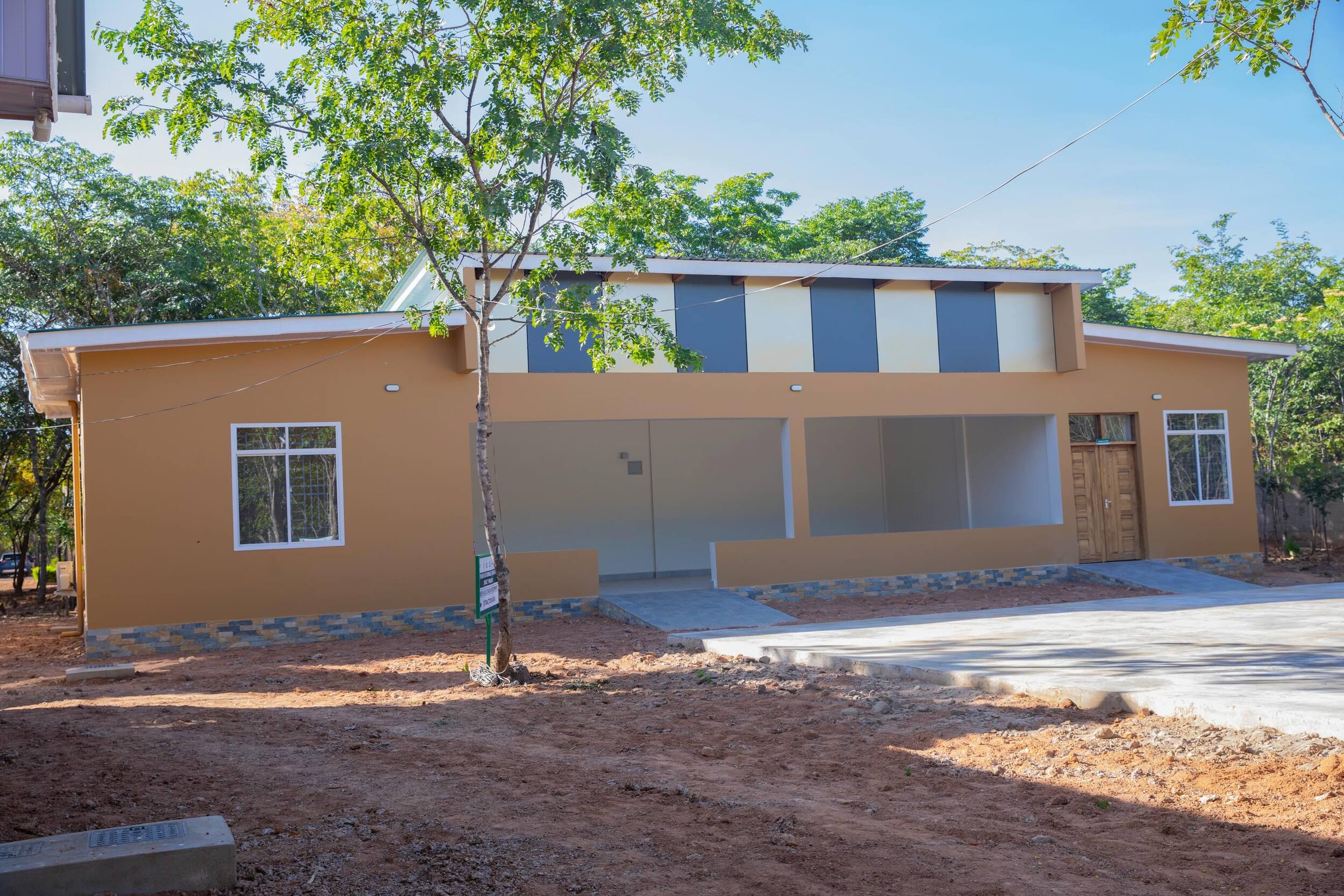
During the tour, the delegation inspected several newly developed project facilities and community initiatives established under the program.
Among the activities showcased were the distribution of modern beehives to local communities, restoration of degraded landscapes, and the promotion of energy-efficient cooking stoves designed to reduce dependence on firewood and charcoal.
Project officials explained that the initiative is helping communities adopt environmentally friendly income-generating activities while strengthening long-term conservation of Tanzania’s Miombo forests.
Beekeeping, sustainable forest enterprises, and participatory forest management have emerged as key economic opportunities for communities living near protected forest areas.
Balancing Conservation and Community Development
Officials overseeing the project noted that the initiative aims to address land degradation, biodiversity loss, and unsustainable forest use through integrated environmental management approaches.
The five-year project seeks to demonstrate how conservation can directly contribute to economic empowerment by creating alternative livelihoods linked to forest resources without damaging ecosystems.
The delegation also visited community-led conservation sites and restored landscapes where residents are actively participating in forest protection and environmental rehabilitation efforts.
According to project coordinators, involving local communities in decision-making and conservation activities has strengthened ownership and improved environmental awareness across participating villages.
Miombo Forests: A Vital Environmental Resource
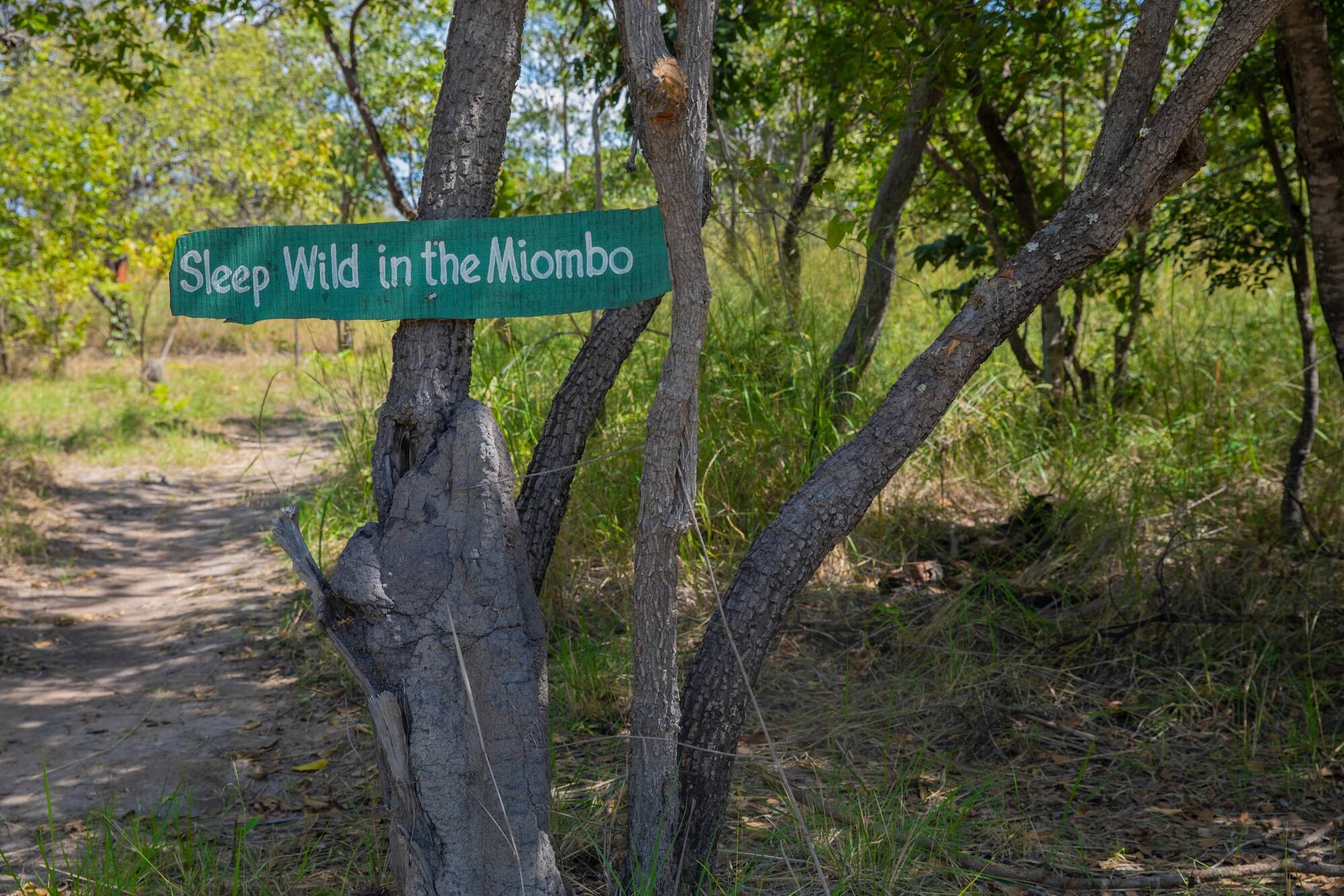
The Miombo woodlands represent one of Africa’s largest and most ecologically significant dry forest ecosystems, covering extensive parts of western and southern Tanzania.
These forests provide critical ecosystem services including biodiversity conservation, water catchment protection, climate regulation, honey production, and natural resources that support millions of livelihoods.
Environmental experts say protecting the Miombo ecosystem is increasingly important in the face of climate change, deforestation, and growing pressure on natural resources.
Donors Praise Tanzania’s Collaborative Conservation Efforts
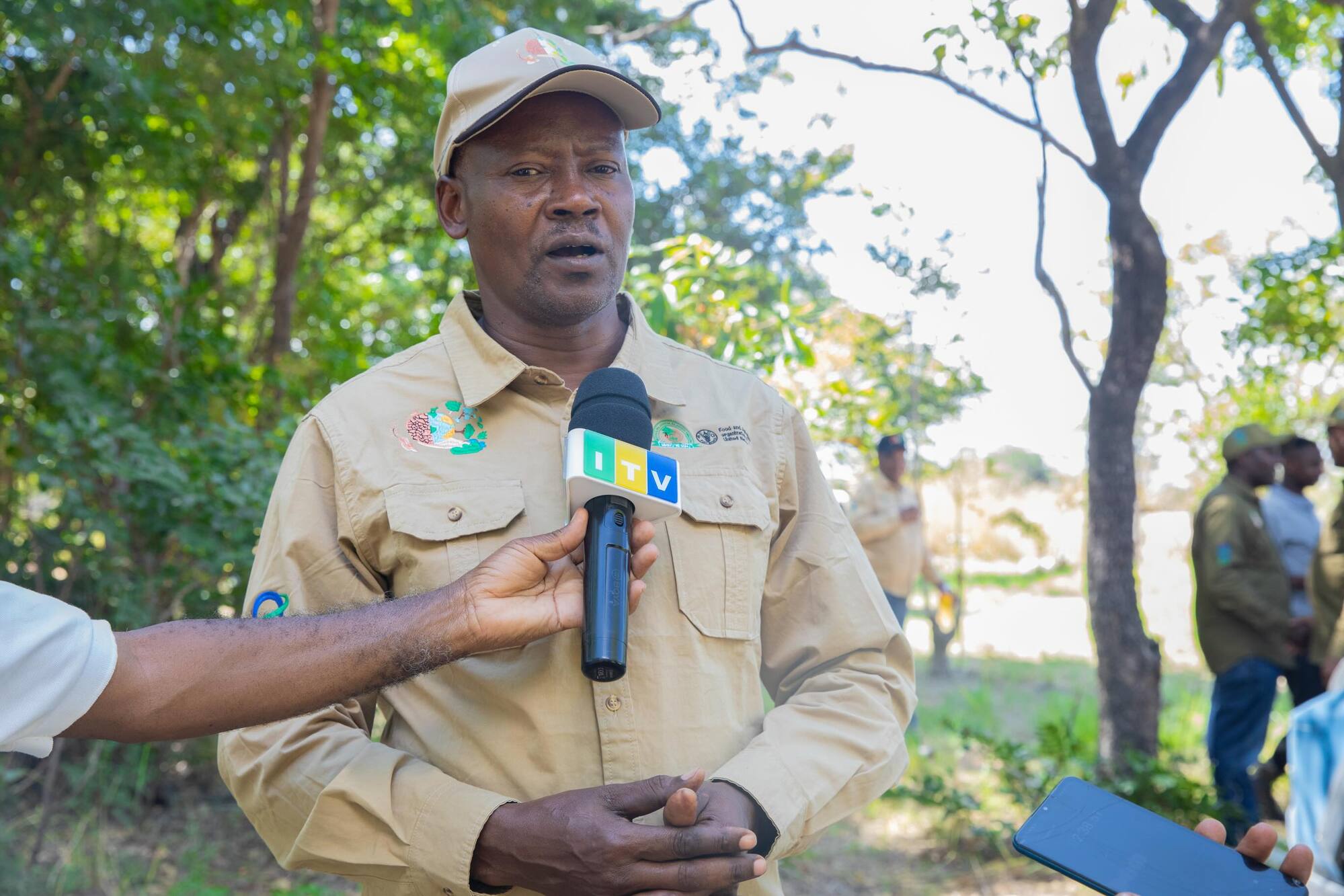
The visiting donors expressed satisfaction with the progress achieved so far and commended the strong collaboration between government institutions, international organizations, and local communities.
They described the project as an important model for sustainable environmental management and community-driven conservation in Africa.
According to the delegation, the integration of livelihood support with environmental restoration demonstrates how conservation projects can generate both ecological and socio-economic benefits.
The visitors further highlighted the importance of continued investment in community-based conservation initiatives to ensure long-term sustainability of Tanzania’s forest resources.
Strengthening Eco-Tourism and Green Development
Conservation stakeholders believe the protection and restoration of Miombo forests could also contribute significantly to Tanzania’s growing eco-tourism sector.
The landscapes offer opportunities for nature tourism, birdwatching, environmental education, hiking, and cultural experiences linked to local forest communities.
Experts say sustainable forest management projects are helping position western Tanzania as an emerging destination for eco-tourism and conservation learning.
International Support for Tanzania’s Environmental Future
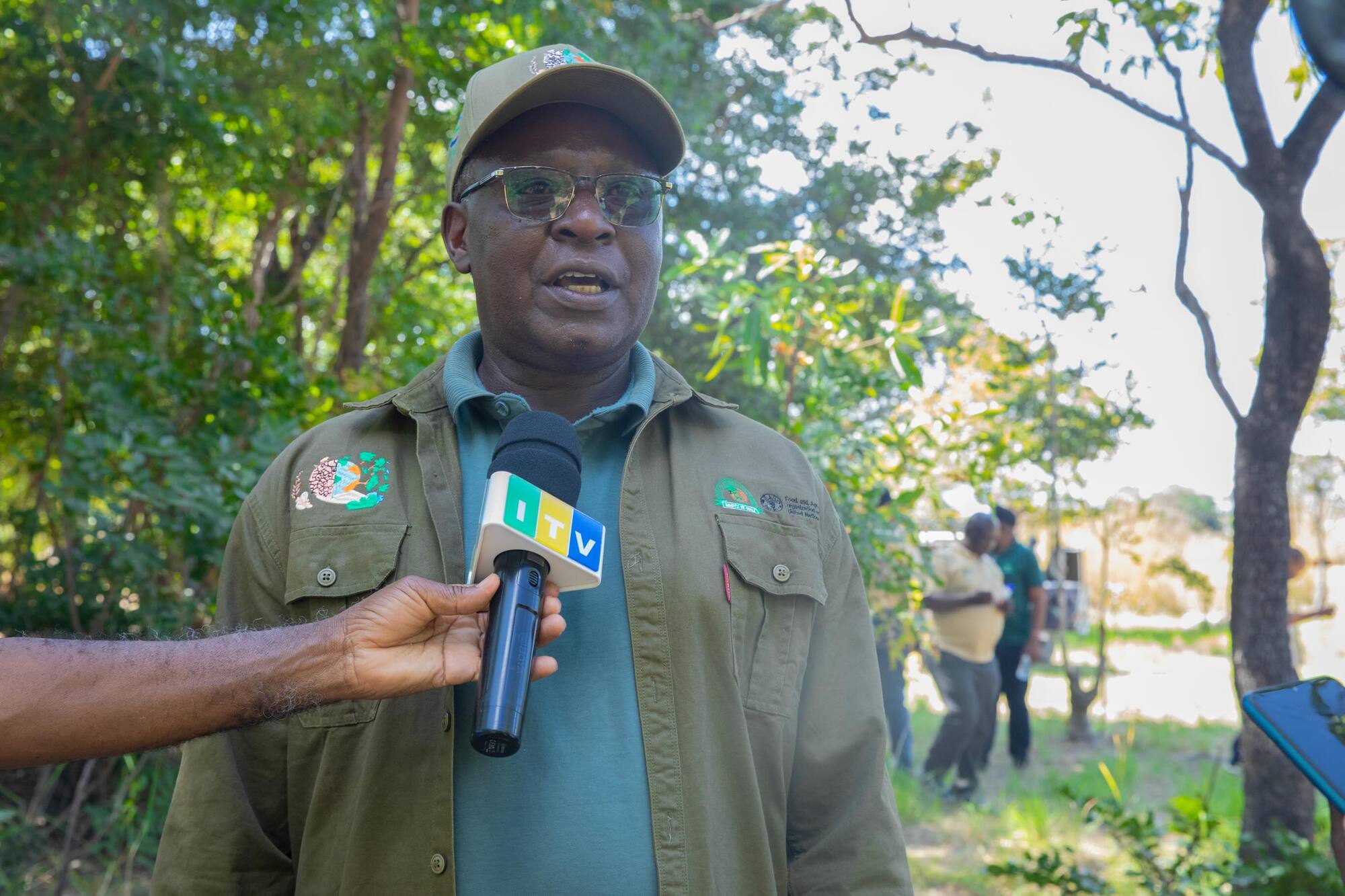
The project is being implemented by the Tanzania Forest Services Agency (TFS) in partnership with FAO through funding support from GEF and other environmental and development stakeholders.
The initiative reflects Tanzania’s broader commitment to environmental sustainability, climate resilience, and community-centered natural resource management.
Click here for Tanzania eco-tourism, conservation, and forest experience packages.