
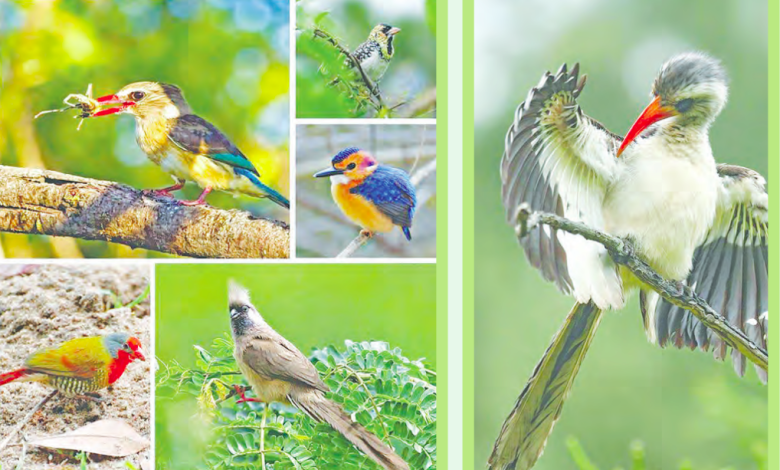
Globalisation has turned the world into a connected village, making communication and trade easier than ever. Yet, human movement across borders still requires passports and documentation. In contrast, migratory birds cross continents freely, guided only by seasons and ecological instincts.
A remarkable example of this natural migration can be observed at the Pugu Kazimzumbwi Nature Forest Reserve. Every year, species such as the European bee-eater arrive between October and December in search of food and suitable breeding conditions. These birds travel thousands of kilometres, storing fat reserves to sustain energy during long flights.
Ecologists and researchers now use tracking devices to study migration routes and behavioural patterns. Such research contributes to a deeper understanding of biodiversity and the importance of conservation. The reserve has also become a destination for eco-tourism and birdwatching, attracting visitors who appreciate nature’s beauty and ecological significance.
Birdwatching in Pugu Kazimzumbwi offers mental relaxation and educational value. Early mornings are ideal for observing species like the East Coast akalat and the colourful four-coloured bushshrike. These experiences highlight how nature operates beyond human boundaries, driven by seasonal cycles and survival needs.
While humans rely on passports, nature moves freely. Migratory birds remind us that the planet’s ecological systems are interconnected, transcending political borders. Protecting such ecosystems ensures that future generations can continue to experience the wonders of biodiversity.
This story/picture was originally reported by Daily News (Tanzania), highlighting the importance of wildlife conservation and eco-tourism in Tanzania.