
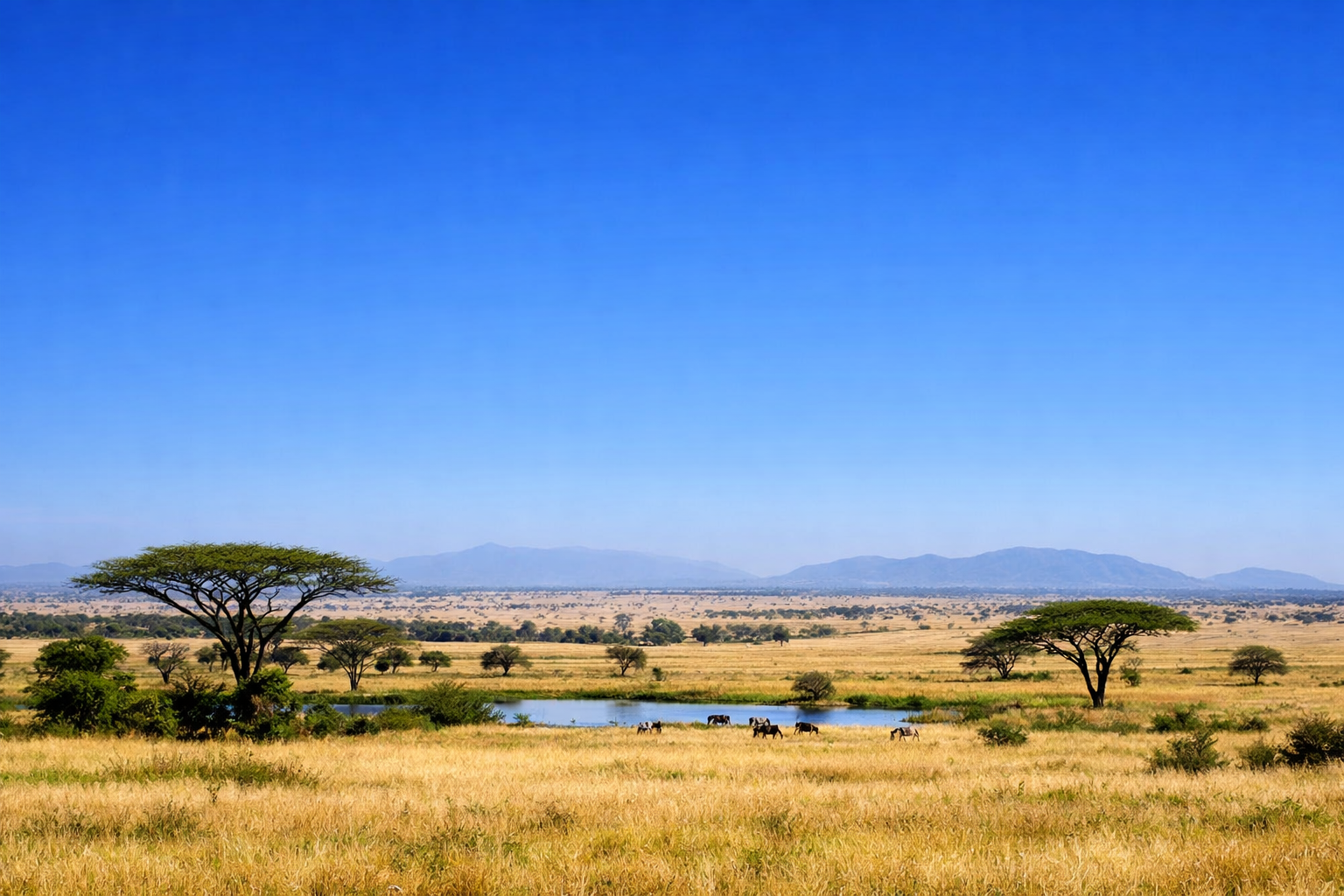
Tanzania enjoys a diverse and generally pleasant climate, making it an attractive destination for tourism throughout the year. From the coastal warmth of the Indian Ocean to the cooler highlands and wildlife-rich savannahs, the country offers varied weather patterns shaped by geography and altitude.
In coastal cities such as Dar es Salaam, temperatures remain warm year-round, typically ranging between 25°C and 32°C. Humidity levels are higher due to proximity to the ocean, though sea breezes provide relief. The coast experiences two main rainy seasons: the long rains from March to May and the short rains between October and December.
The semi-autonomous islands of Zanzibar share similar tropical conditions, making them ideal for beach holidays, particularly during the dry season from June to October.
In contrast, northern safari destinations such as Arusha and surrounding national parks enjoy a milder climate due to higher elevation. Temperatures are cooler, especially in the evenings, and rainfall patterns follow the same seasonal rhythm as much of the country.
The southern and western regions, including areas near Serengeti National Park, experience distinct dry and wet seasons that influence wildlife movement and safari experiences. The dry season (June to October) is particularly popular for game viewing as animals gather around water sources.
Best Time to Visit
-
June to October: Cool and dry – ideal for safaris and outdoor activities
-
January to February: Warm and generally dry – excellent for wildlife viewing
-
March to May: Long rainy season – lush landscapes, fewer tourists
-
October to December: Short rains – good travel deals and vibrant scenery
Understanding Tanzania’s climate helps travelers plan better experiences, whether for wildlife safaris, mountain trekking, cultural tourism, or beach holidays.