
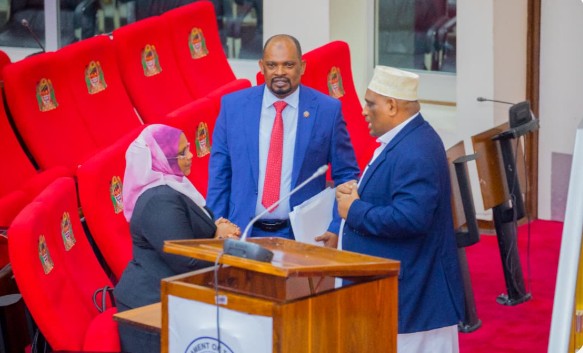
Dodoma — The Parliament of the United Republic of Tanzania has officially approved and passed the Ministry of Natural Resources and Tourism’s revenue and expenditure budget of TZS 334.34 billion for the 2026/2027 financial year, paving the way for the implementation of key strategic priorities aimed at strengthening conservation, tourism growth, and sustainable natural resource management.
The budget, which will be implemented under nine major ministry priorities, reflects Tanzania’s continued commitment to protecting its globally recognized wildlife and tourism assets while improving community engagement and tourism development across the country.
Speaking before Parliament in Dodoma while responding to Members of Parliament ahead of the budget approval, Ashatu Kijaji said the government is preparing to conduct comprehensive scientific research to identify the root causes of human-wildlife conflict and develop long-term evidence-based solutions.
According to the Minister, special attention will be placed on conflicts involving elephants, which continue to affect communities living near protected areas and wildlife corridors.
The planned research is expected to support Tanzania’s wider conservation agenda by balancing wildlife protection with the safety and livelihoods of local communities, particularly in regions bordering national parks and conservation areas.
Dr. Kijaji also highlighted significant improvements in the government’s compensation systems for victims affected by wildlife incidents through the continued enhancement of the PAIS digital system.
She explained that in the past, compensation and consolation payments often faced delays of between six and twelve months due to administrative challenges. However, under the improved system, affected citizens are now able to receive payments within approximately six to fourteen days after reporting incidents.
The development marks a major step in improving public trust, strengthening conservation cooperation with communities, and reducing tensions between wildlife authorities and residents living near protected ecosystems.
Meanwhile, Deputy Minister for Natural Resources and Tourism Hamad Hassan Chande emphasized the importance of professionalism, discipline, and ethical conduct within the ministry and its institutions.
He stated that the government will not tolerate negligence or misconduct from public servants responsible for protecting the country’s natural resources and conservation areas.
The Deputy Minister further urged ministry experts and conservation officers to work in accordance with established laws, regulations, and procedures while maintaining respect and humanity in their interactions with citizens and stakeholders.
He also reminded the public of the importance of complying with conservation laws, stressing that protected natural resources and wildlife are national assets that benefit the entire country and future generations.
The approved TZS 334.34 billion budget now provides the Ministry with the opportunity to accelerate implementation of its conservation and tourism development strategies for the 2026/2027 fiscal year.
The budget is expected to support Tanzania’s broader vision of strengthening sustainable tourism, enhancing wildlife protection, improving tourism infrastructure, promoting destination marketing, and increasing the sector’s contribution to national economic growth.
With Tanzania continuing to position itself as one of Africa’s leading tourism destinations, the new budget signals stronger government commitment toward safeguarding the country’s unique biodiversity while unlocking new opportunities in tourism investment, employment, and international travel.