
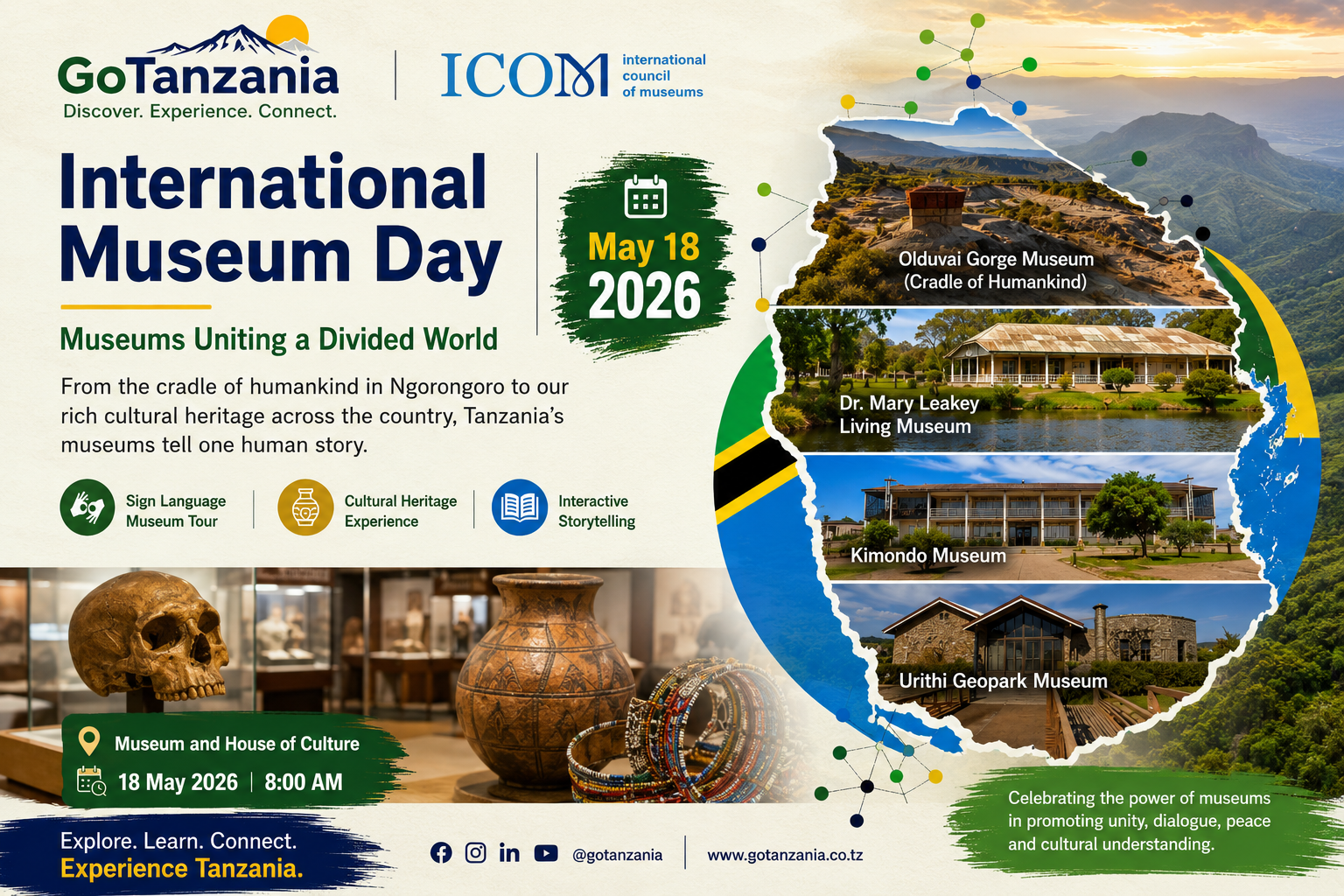
Dar es Salaam — Tanzania has joined the world in commemorating International Museum Day under the global theme “Museums Uniting a Divided World,” highlighting the country’s rich and diverse cultural, historical, and archaeological heritage preserved across its museums from coast to highlands.
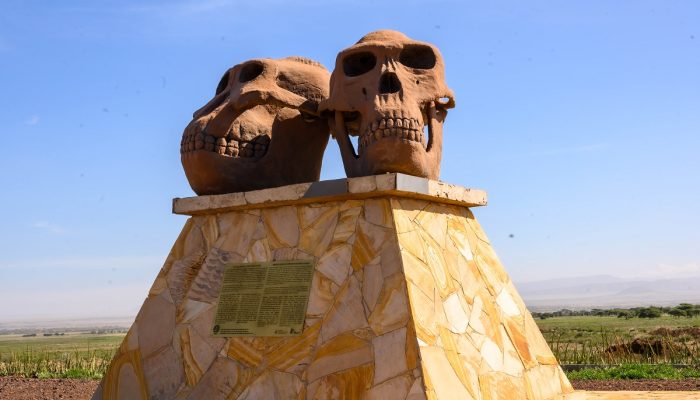
From the world-renowned Olduvai Gorge Museum in Ngorongoro, the iconic cradle of humankind where some of the earliest human fossils were discovered, to the Dr. Mary Leakey Living Museum, Kimondo Museum, and Urithi Geopark Museum, Tanzania’s northern circuit continues to stand as a powerful reminder of humanity’s shared origins and scientific legacy.
Olduvai Gorge Museum remains a global reference point for paleoanthropology, symbolizing the deep historical connection of humankind. Nearby heritage sites continue to strengthen the narrative that human evolution is a shared journey, not divided by geography or culture.
Across the country, the story expands far beyond Ngorongoro. In Dar es Salaam, the National Museum of Tanzania preserves political history, archaeology, and ethnography that document the nation’s path from ancient civilizations to independence and modern development. The Village Museum further brings to life the traditions of Tanzania’s more than 120 ethnic groups, showcasing traditional houses, dances, crafts, and community life in an open-air cultural setting.
In central and western Tanzania, cultural institutions such as the Bujora Cultural Museum continue to safeguard the heritage of the Sukuma people, one of the country’s largest ethnic groups, preserving music, dance, spiritual traditions, and indigenous knowledge systems.
From coastal trading histories to inland kingdoms, from archaeological wonders to living cultural expressions, Tanzania’s museums collectively tell one continuous story — a story of identity, resilience, innovation, and shared humanity.
This year’s theme resonates strongly in Tanzania, where museums are not only repositories of the past but also platforms for education, dialogue, and unity. They are increasingly playing a role in connecting young people to history, promoting cultural tourism, and strengthening national cohesion.
As the world reflects on the role of museums in bridging divisions, Tanzania stands as a living archive of human civilization — reminding the global community that despite differences in language, culture, and geography, humanity shares one origin and one collective story.
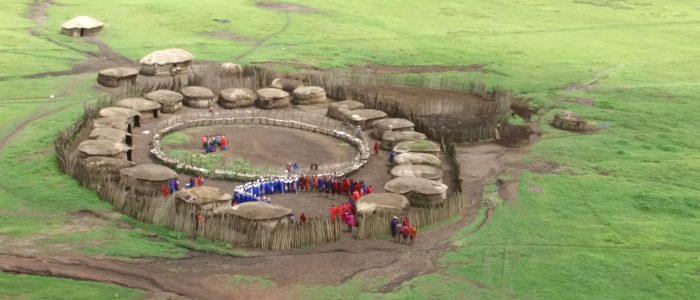
Discover Tanzania’s museums and cultural heritage experiences: