
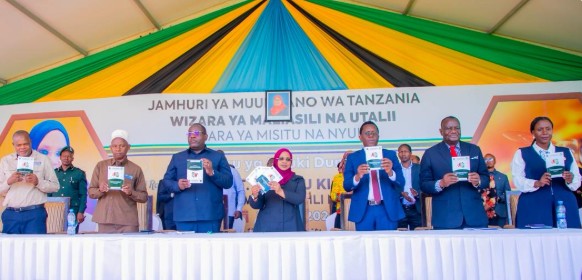
Tanzania’s beekeeping sector continues to record remarkable growth, positioning the country as a continental powerhouse in honey production and environmental conservation. The country is now ranked among the world’s top honey producers, becoming the leading honey producer within the East African Community (EAC), second in Africa among Southern African Development Community (SADC) member states, and 14th globally.
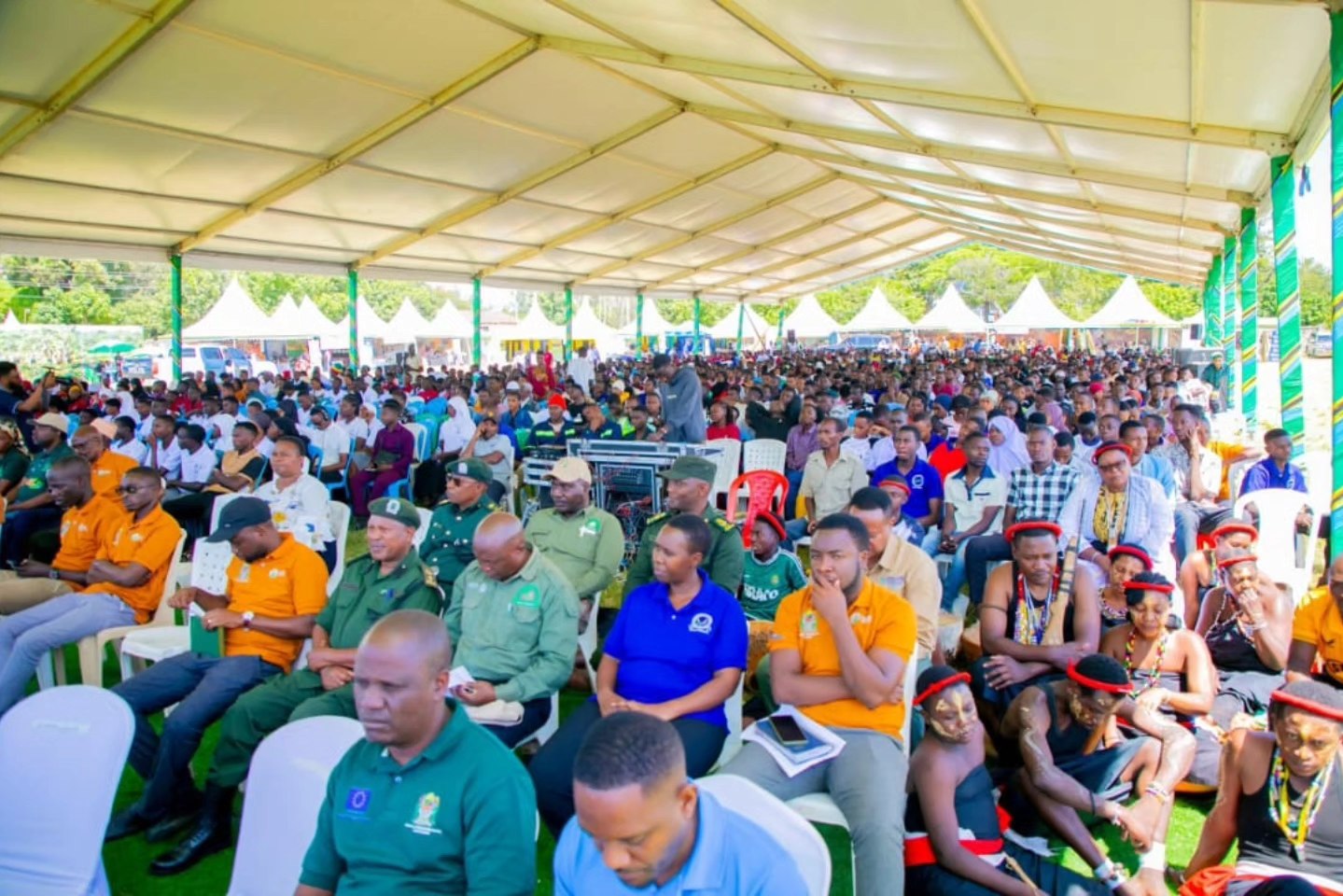
The achievement reflects Tanzania’s growing investment in sustainable natural resource management, rural economic empowerment, and climate-smart livelihoods that are transforming communities living near forest reserves and conservation areas.
Speaking during the national commemoration of World Bee Day held in Tabora Region, Tanzania’s Minister for Natural Resources and Tourism, Ashatu Kijaji said the country’s beekeeping industry has experienced significant progress due to improved sector management and strategic conservation campaigns.
According to the Minister, honey production in Tanzania has increased dramatically from 33,861 tonnes to 75,000 tonnes, while the sector has also generated more than 43,055 new jobs, particularly benefiting young people across rural communities.
A major contributor to this growth has been the national environmental campaign known as “Achia Shoka, Tundika Mzinga” (Drop the Axe, Hang a Beehive), which encourages communities to shift from destructive forest activities toward sustainable beekeeping practices that protect forests and biodiversity while creating income opportunities.
Dr. Kijaji further revealed that Tanzania’s honey export value has risen significantly from TZS 11.4 billion in 2024 to TZS 19.2 billion by March 2025, signaling strong international demand for Tanzanian honey products and increasing economic benefits for local producers.
She noted that this year’s World Bee Day celebrations were guided by the theme “Bee Conservation for Environmental Sustainability and National Prosperity,” which aligns with Tanzania’s broader national development priorities, including the National Development Vision 2050 and ongoing climate resilience strategies aimed at strengthening environmental conservation, food security, and sustainable livelihoods.
The Minister emphasized that beekeeping plays a critical role in forest and wildlife conservation, pollination of crops and plants, food production, traditional medicine, and the supply of industrial raw materials. The sector is increasingly being recognized as one of the most environmentally friendly income-generating activities capable of supporting both conservation and economic development simultaneously.
The celebrations in Tabora also featured exhibitions showcasing various bee products, honey processing technologies, and modern beekeeping equipment, attracting stakeholders from across Tanzania’s apiculture value chain.
As part of the event, Dr. Kijaji officially inaugurated a new woodworking workshop at the Beekeeping Training Institute and distributed 600 modern beehives to beekeeper groups from Urambo and Kaliua District Councils, including members of the Association of the Hearing Impaired. The initiative forms part of broader efforts to ensure communities living near protected forest areas directly benefit from conservation activities.
In addition, the Minister distributed 500 energy-efficient cooking stoves as part of Tanzania’s national clean cooking energy campaign aimed at reducing dependence on charcoal and firewood while protecting forests and improving environmental sustainability.

Meanwhile, the Tabora Regional Commissioner urged residents to stop indiscriminate tree cutting for charcoal production until a comprehensive assessment is completed to establish sustainable harvesting guidelines. Citizens were also encouraged to adopt clean energy alternatives in order to safeguard the environment for future generations.
Tanzania’s growing success in the beekeeping industry not only highlights the country’s rich natural resources but also demonstrates how conservation-driven economic activities can create employment, increase exports, strengthen rural economies, and support sustainable tourism and environmental protection initiatives.