
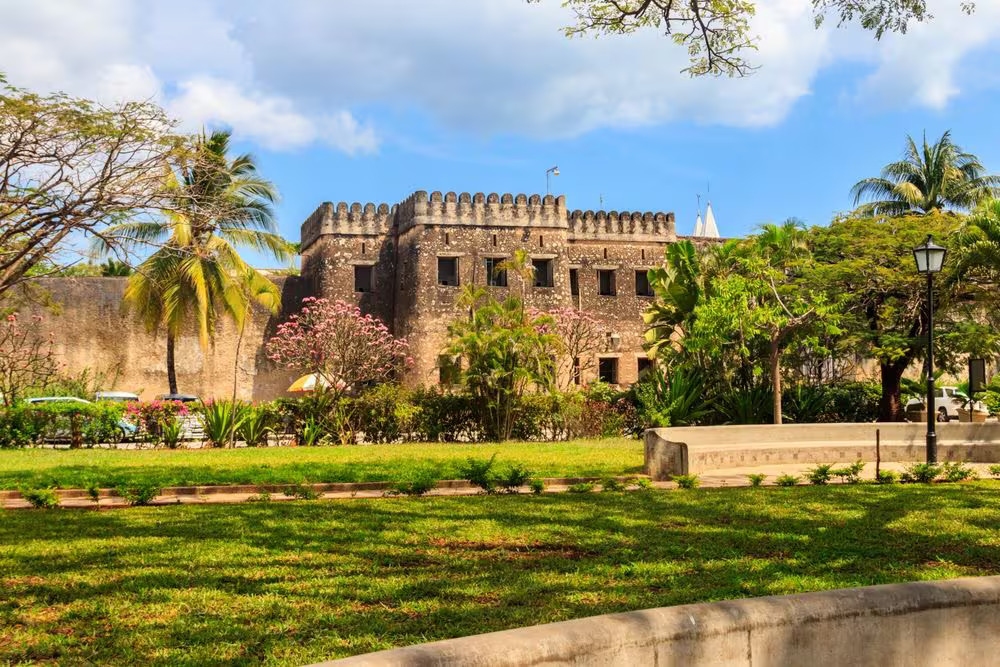
Tanzania’s coastal region is home to some of Africa’s most significant historical and cultural heritage sites. From trading ports to colonial-era architecture, these destinations tell the story of maritime exchange and cultural interaction across centuries.
Key heritage locations include Bagamoyo, the historic seafront of Dar es Salaam, the UNESCO-listed ruins of Kilwa Kisiwani, and island destinations such as Stone Town and Mafia Island.
Bagamoyo: Gateway of History
Bagamoyo was historically one of East Africa’s most important trading ports. The town served as a centre for trade and cultural exchange during the 19th century and retains colonial-era architecture that reflects its historical significance.
Heritage visitors can explore old administrative buildings, coastal landmarks, and sites linked to early trading networks. Bagamoyo remains a focal point for cultural preservation and historical tourism in Tanzania.
Dar es Salaam: Modern City with Historical Roots
While known as Tanzania’s largest city, Dar es Salaam also preserves historical sites reflecting its colonial and maritime past. Coastal promenades and heritage buildings illustrate the city’s evolution from trading port to modern economic hub.
Dar es Salaam serves as a gateway for travellers exploring Tanzania’s southern and coastal tourism circuits.
Kilwa Kisiwani: UNESCO World Heritage Site
The ruins of Kilwa Kisiwani represent one of the most important Swahili trading settlements in the Indian Ocean world. Recognised as a UNESCO World Heritage Site, Kilwa showcases the architectural and commercial achievements of Swahili civilisation.
Stone structures, mosques, and archaeological remains illustrate centuries of maritime trade and cultural interaction. Kilwa remains a vital destination for heritage tourism and historical research.
Island Heritage: Zanzibar and Mafia
Island destinations such as Stone Town and Mafia Island complement Tanzania’s coastal heritage narrative.
Stone Town reflects centuries of trade and cultural exchange through its architecture and historic streets, while Mafia Island is renowned for marine biodiversity and eco-tourism opportunities. Both destinations offer travellers a combination of cultural and natural experiences.
Heritage Tourism Outlook
Coastal heritage sites are increasingly attractive to international travellers seeking meaningful cultural experiences. Tanzania’s investment in heritage preservation and tourism infrastructure strengthens its position as a destination that combines history, culture, and adventure.
From Bagamoyo’s trading legacy to the ruins of Kilwa and the historic charm of Zanzibar, Tanzania’s coastal region offers unparalleled opportunities for heritage discovery.