
ARUSHA : A major step toward strengthening sustainable tourism and long-term conservation in Tanzania has been made following the presentation of a preliminary Sustainable Tourism Model study for Serengeti National Park, one of Africa’s most iconic wildlife destinations.
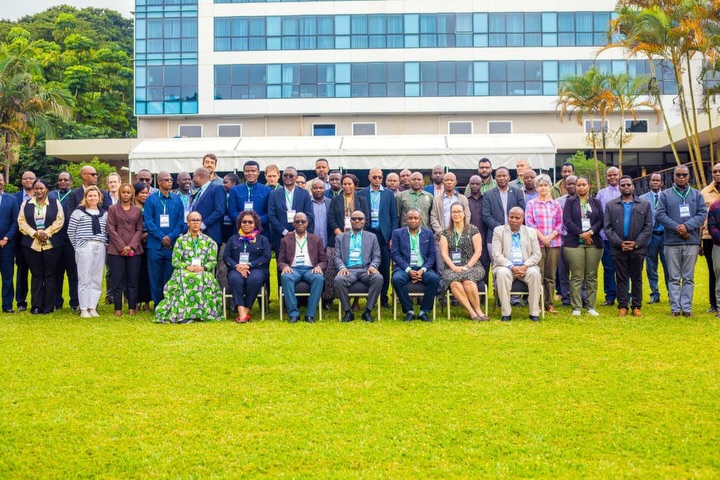
The study findings were presented and discussed on May 25, 2026 during a high-level stakeholders’ seminar held at Mount Meru Hotel, bringing together more than 81 tourism stakeholders, investors, conservation experts, and representatives from Tanzania National Parks Authority (TANAPA).
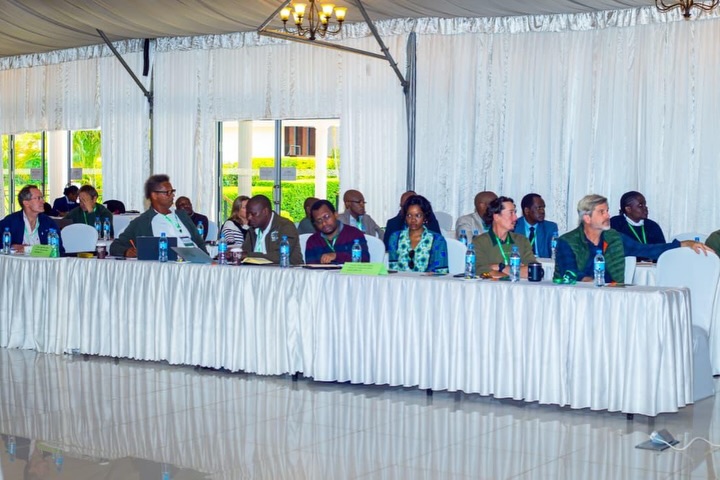
The research was conducted by experts from University of Dar es Salaam in collaboration with College of African Wildlife Management Mweka (MWEKA), with the objective of identifying the best approaches for achieving economic growth through tourism while safeguarding the fragile ecosystems and wildlife habitats of the Serengeti.
The study comes at a critical time as Tanzania continues to experience increasing international tourist arrivals, particularly to the Serengeti ecosystem, which attracts more than 300,000 visitors annually. Experts warned that while tourism growth brings significant economic benefits, it must be carefully managed to prevent environmental degradation and ecological pressure on wildlife corridors, migration routes, and protected habitats.
Opening the seminar on behalf of the Chairman of the TANAPA Board of Trustees, Dr. Robert Fyumagwa emphasized that Tanzania’s Development Vision 2050 prioritizes the sustainable conservation and utilization of natural resources in ways that benefit both present and future generations.

He urged researchers and tourism stakeholders to ensure that the study findings translate into practical solutions capable of supporting conservation efforts while maintaining Tanzania’s competitiveness as a world-class tourism destination.
Presenting the report, Dr. James Wakibara explained that the rapid increase in tourist numbers within the Serengeti ecosystem has highlighted the need for stronger management systems, improved visitor regulations, and enhanced compliance with conservation guidelines already established by park authorities.
According to the researchers, sustainable tourism models are essential in balancing environmental protection with tourism investment opportunities. The proposed framework is expected to help authorities better manage tourist flows, accommodation development, transport systems, and visitor activities in ways that minimize ecological disturbance while maximizing local and national economic benefits.
Dr. Flora Tibarazwa noted that TANAPA has the institutional capacity to formulate strategic tourism guidelines that will support investors and tourism operators while strengthening environmental protection measures throughout the Serengeti ecosystem.

She added that the findings will contribute to the development of practical policies and operational frameworks aimed at preserving biodiversity, protecting wildlife migration patterns, and ensuring tourism activities remain environmentally responsible.
The research project officially commenced in October 2024 with financial support from the Government of Germany through KfW Development Bank and Frankfurt Zoological Society, both of which have long supported conservation initiatives within Tanzania’s protected areas.
The Serengeti remains one of the world’s most celebrated safari destinations, famous for the Great Wildebeest Migration, rich biodiversity, and vast savannah landscapes that attract travelers, photographers, researchers, and nature lovers from across the globe.
Tourism experts believe the new sustainable tourism model could become a benchmark for conservation-driven tourism management not only in Tanzania but across Africa, especially as destinations increasingly seek ways to balance tourism growth with climate resilience and ecosystem preservation.