
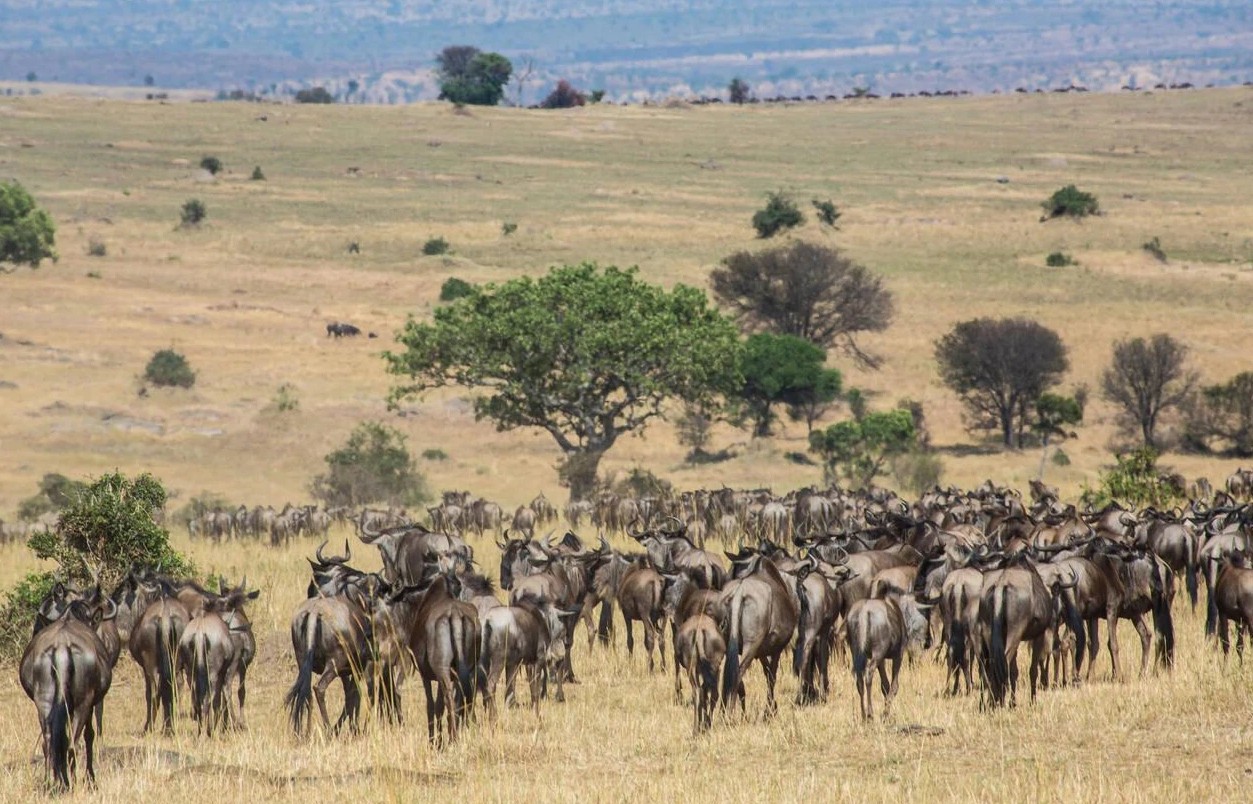
Serengeti, Tanzania
The world-renowned Great Wildebeest Migration in Serengeti National Park continues to draw global attention in 2026, reinforcing Tanzania’s position as Africa’s leading safari destination.
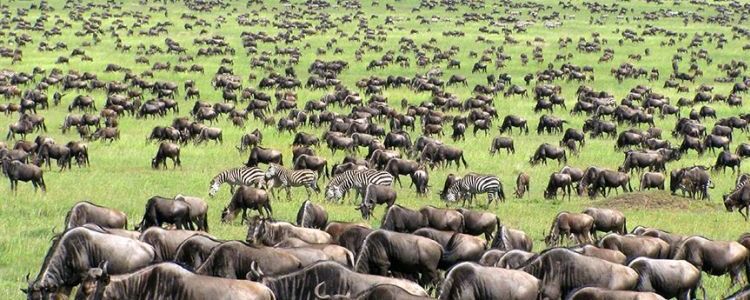
Often described as the largest overland wildlife movement on Earth, the migration involves more than 1.5 million wildebeest, accompanied by hundreds of thousands of zebras and gazelles, moving in a continuous circular pattern across the Serengeti ecosystem in search of fresh grazing and water.
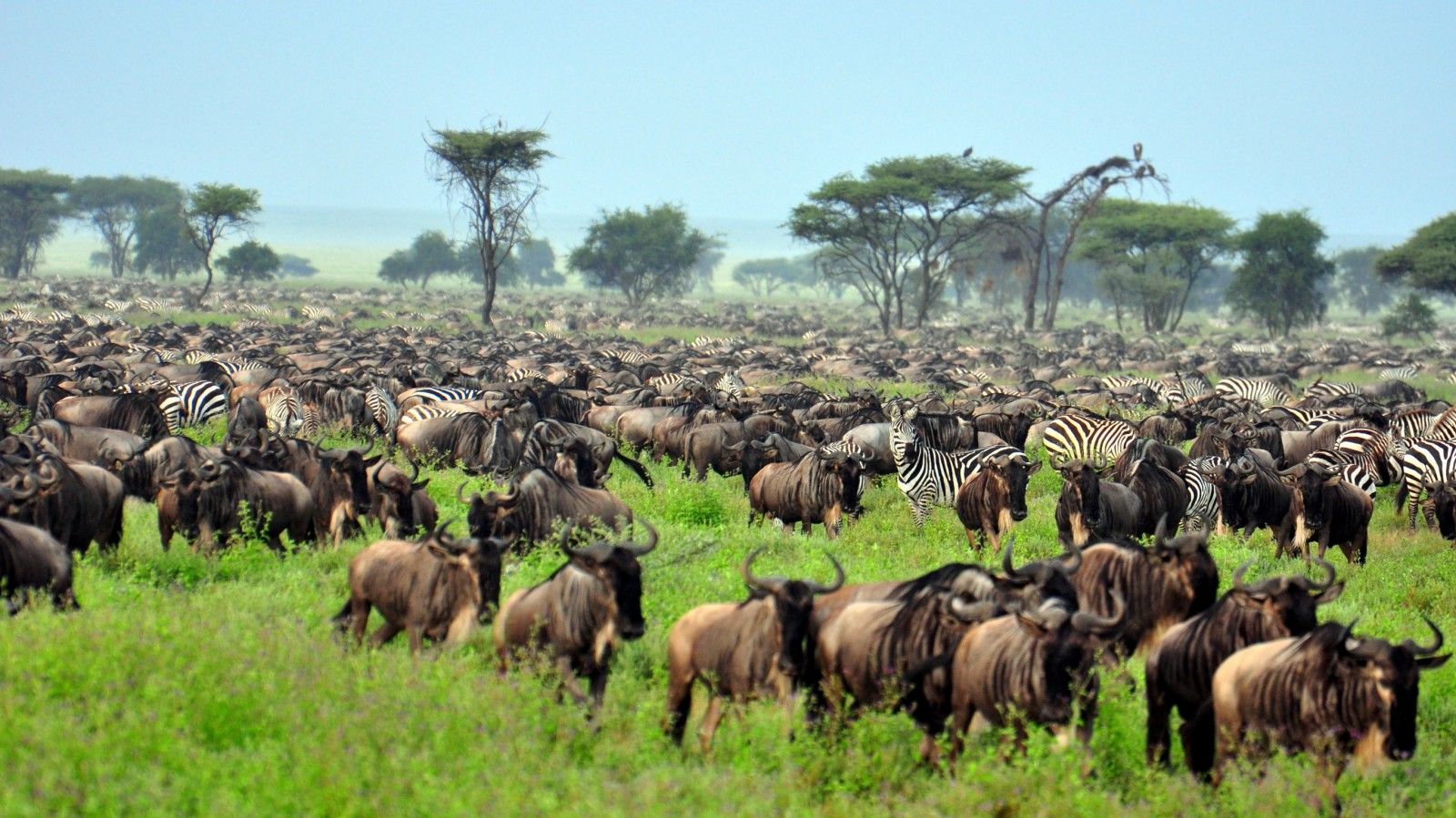
The Migration Cycle
The Great Migration is not a single event but a year-round natural cycle shaped by rainfall patterns.
Calving Season (January – March)
In the southern Serengeti plains near Ndutu, hundreds of thousands of wildebeest calves are born within a short period. This season attracts predators such as lions, cheetahs, and hyenas, creating dramatic wildlife viewing opportunities.
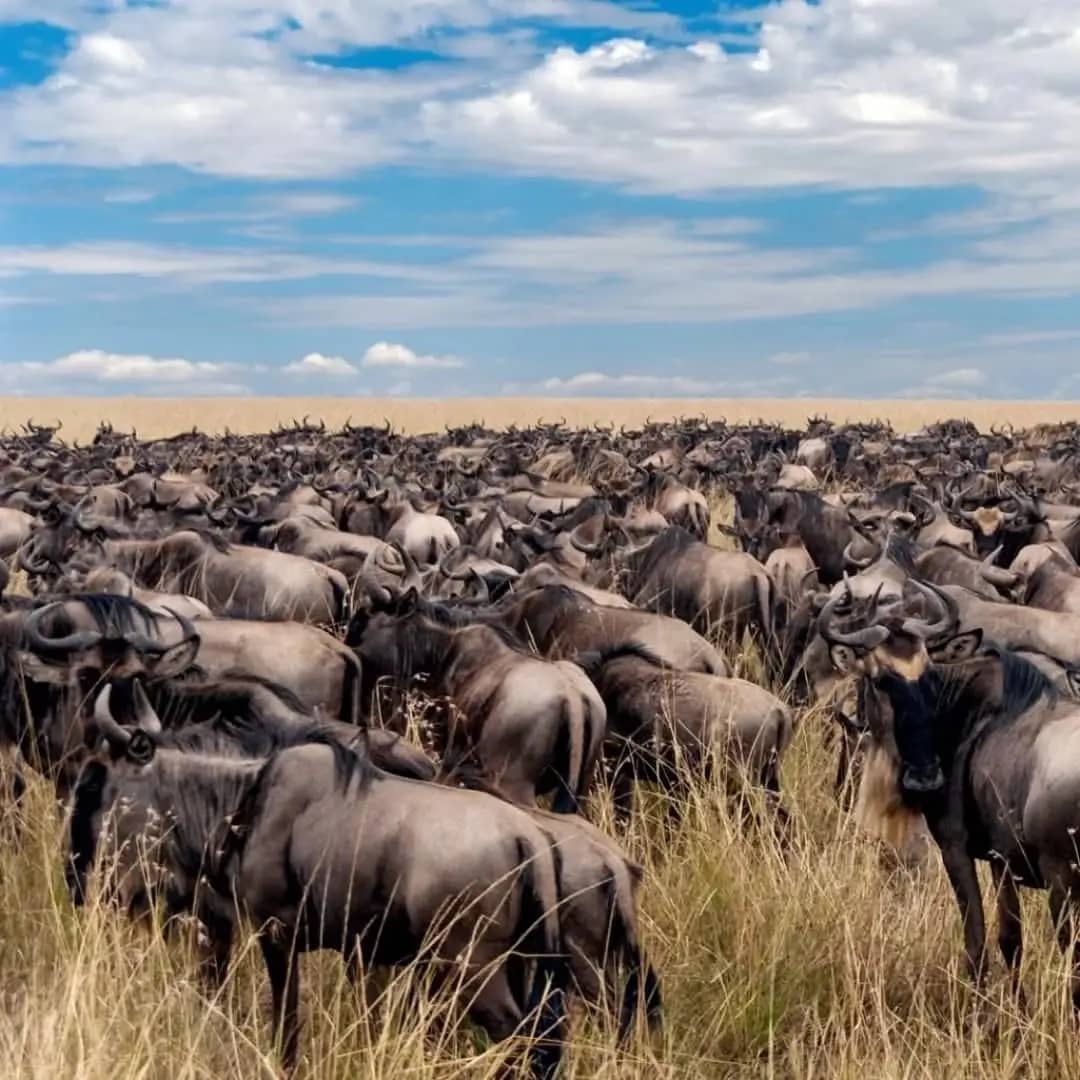
Grumeti River Crossings (May – June)
As the herds begin moving northward, they face their first major water obstacles. Crocodile-filled rivers create intense and highly sought-after safari moments.
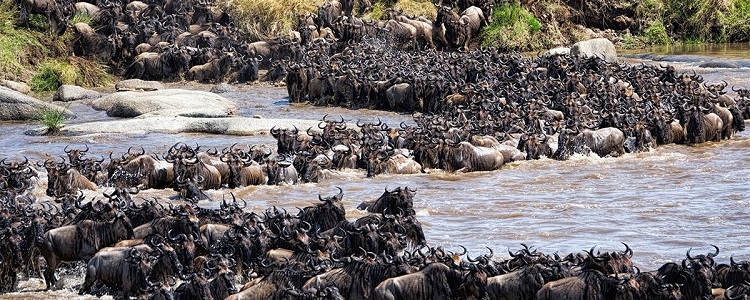
Mara River Crossings (July – October)
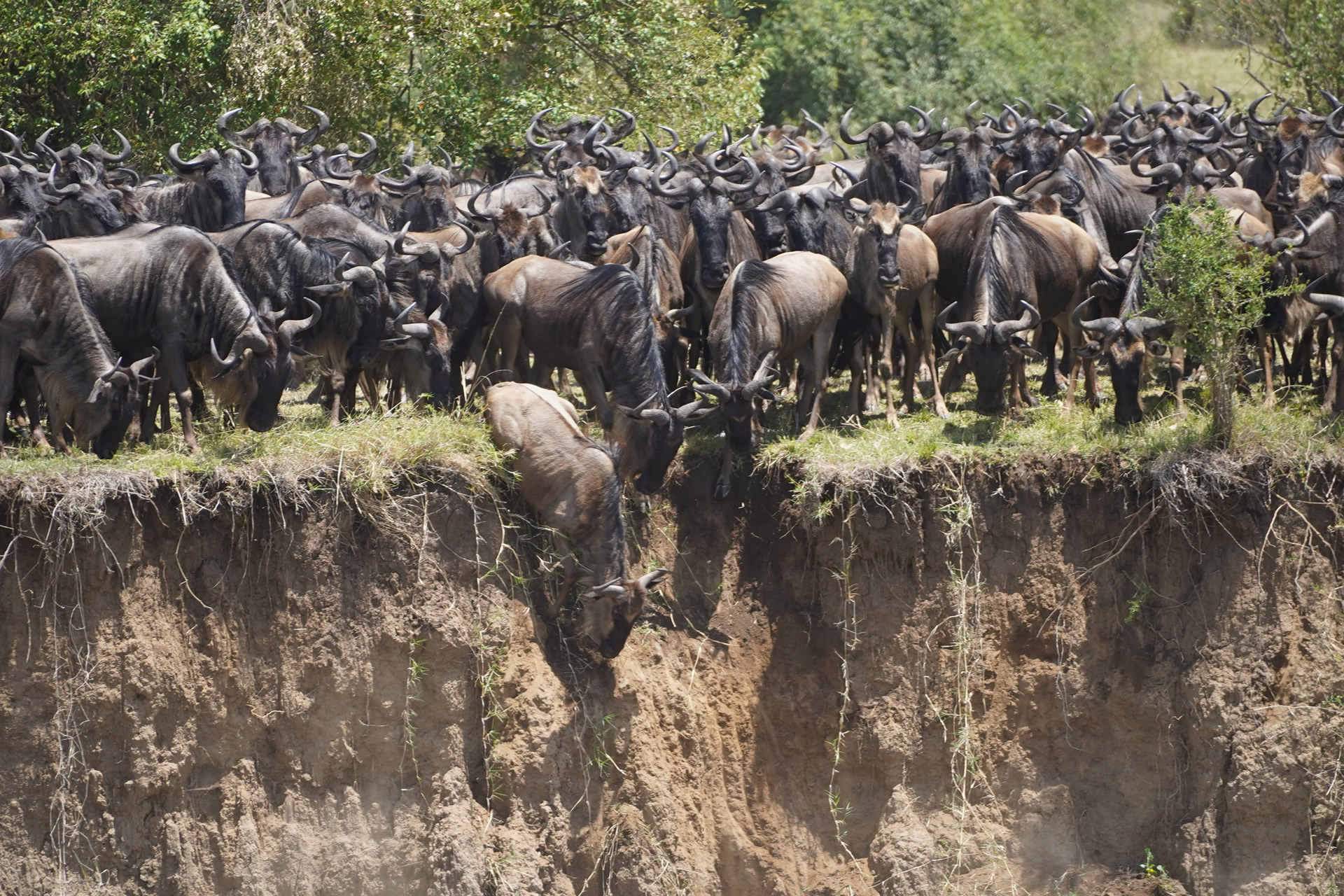
Perhaps the most iconic phase, the herds cross the Mara River in northern Serengeti, braving strong currents and predators. This period is considered peak safari season and attracts visitors from around the world.
Return to the South (November – December)
With the short rains, the herds gradually move back toward the southern plains, completing the annual cycle.
Why the Serengeti Migration Is Unique
The Serengeti ecosystem remains one of the last intact large-scale wildlife migration systems on the planet. The vast protected landscape supports not only wildebeest but also large populations of predators, elephants, giraffes, and diverse birdlife.
Unlike staged wildlife experiences, the migration is entirely natural and unpredictable, offering authentic safari encounters shaped by real ecological dynamics.
Best Time to Visit
While the migration occurs year-round, travelers can plan based on preferred experiences:
-
January–March: Calving season and predator action
-
June–July: Western corridor river crossings
-
July–October: Northern Mara River crossings
-
November–December: Scenic green season with fewer crowds
Accommodation and Safari Options
The Serengeti offers a wide range of accommodation, including:
-
Mobile tented camps that follow the migration
-
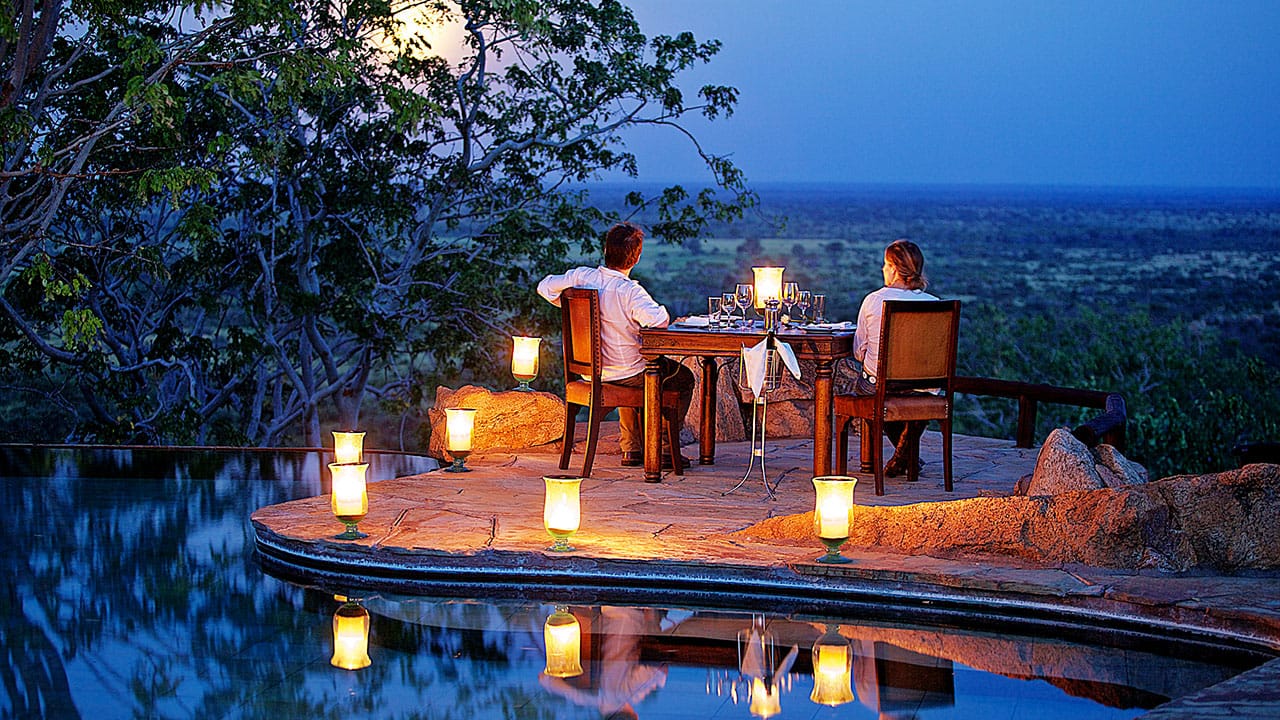
Permanent luxury lodges
-
Mid-range safari camps
-
Budget-friendly tented accommodations
Many travelers combine the Serengeti experience with visits to the Ngorongoro Crater, Tarangire National Park, or beach extensions in Zanzibar.
Conservation and Economic Impact
The Great Migration plays a critical role in Tanzania’s conservation strategy. Tourism revenue supports wildlife protection, anti-poaching efforts, community development, and sustainable land management within the Serengeti ecosystem.
Ongoing conservation collaboration between park authorities, local communities, and tourism operators helps preserve this global natural heritage for future generations.
Global Recognition
The Serengeti Migration consistently ranks among the top wildlife experiences worldwide and remains a flagship attraction for Tanzania’s tourism marketing efforts. As international safari demand continues to grow in 2026, the Great Migration remains central to the country’s brand as a premier wildlife destination.