
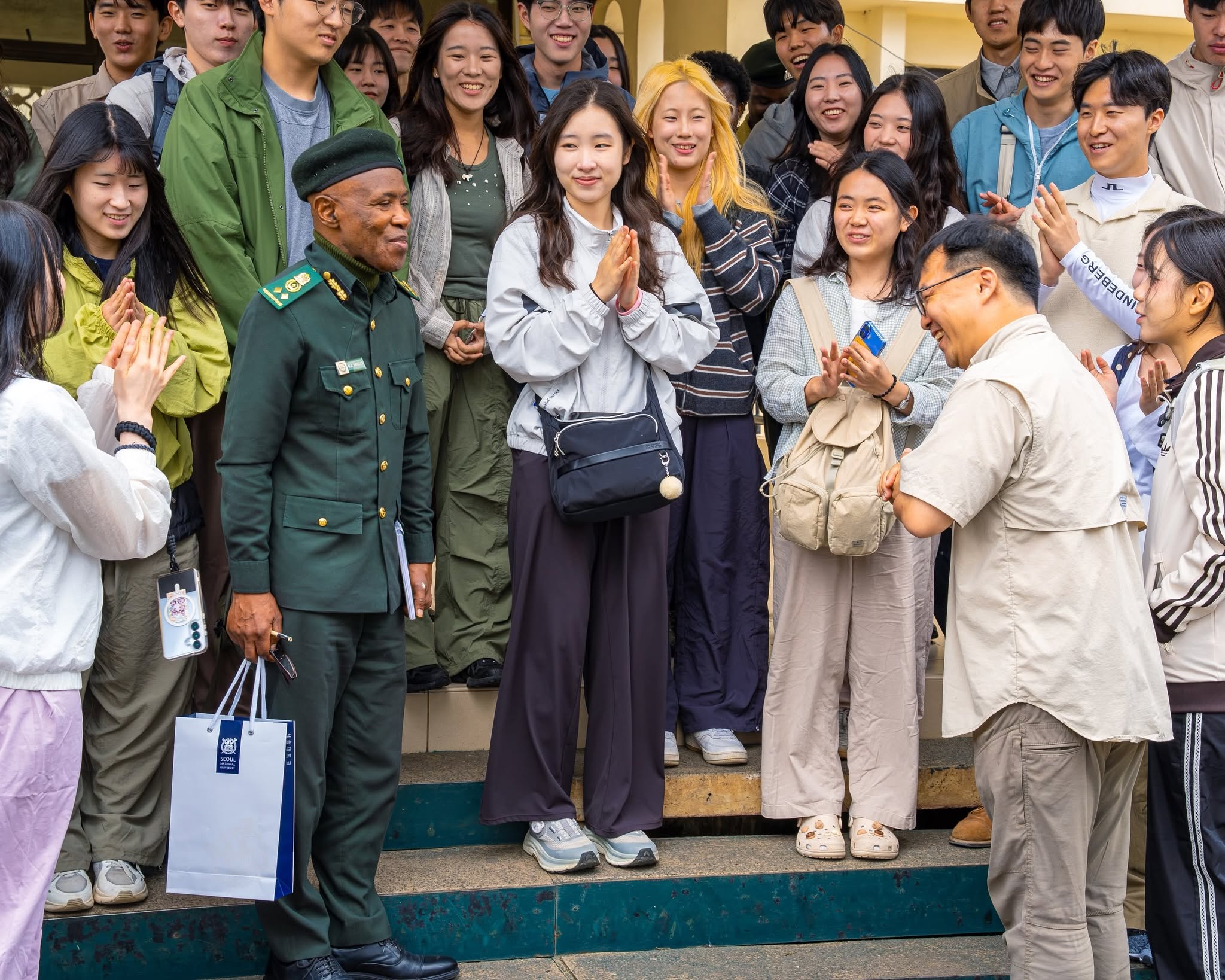
SEOUL UNIVERSITY STUDENTS VISIT TANAPA TO LEARN ABOUT TANZANIA’S CONSERVATION AND TOURISM MODEL
Arusha, Tanzania – July 14, 2026 — The Tanzania National Parks Authority has welcomed students and lecturers from Seoul National University for an educational visit aimed at learning about Tanzania’s conservation practices, tourism management, and community participation in protecting natural resources.
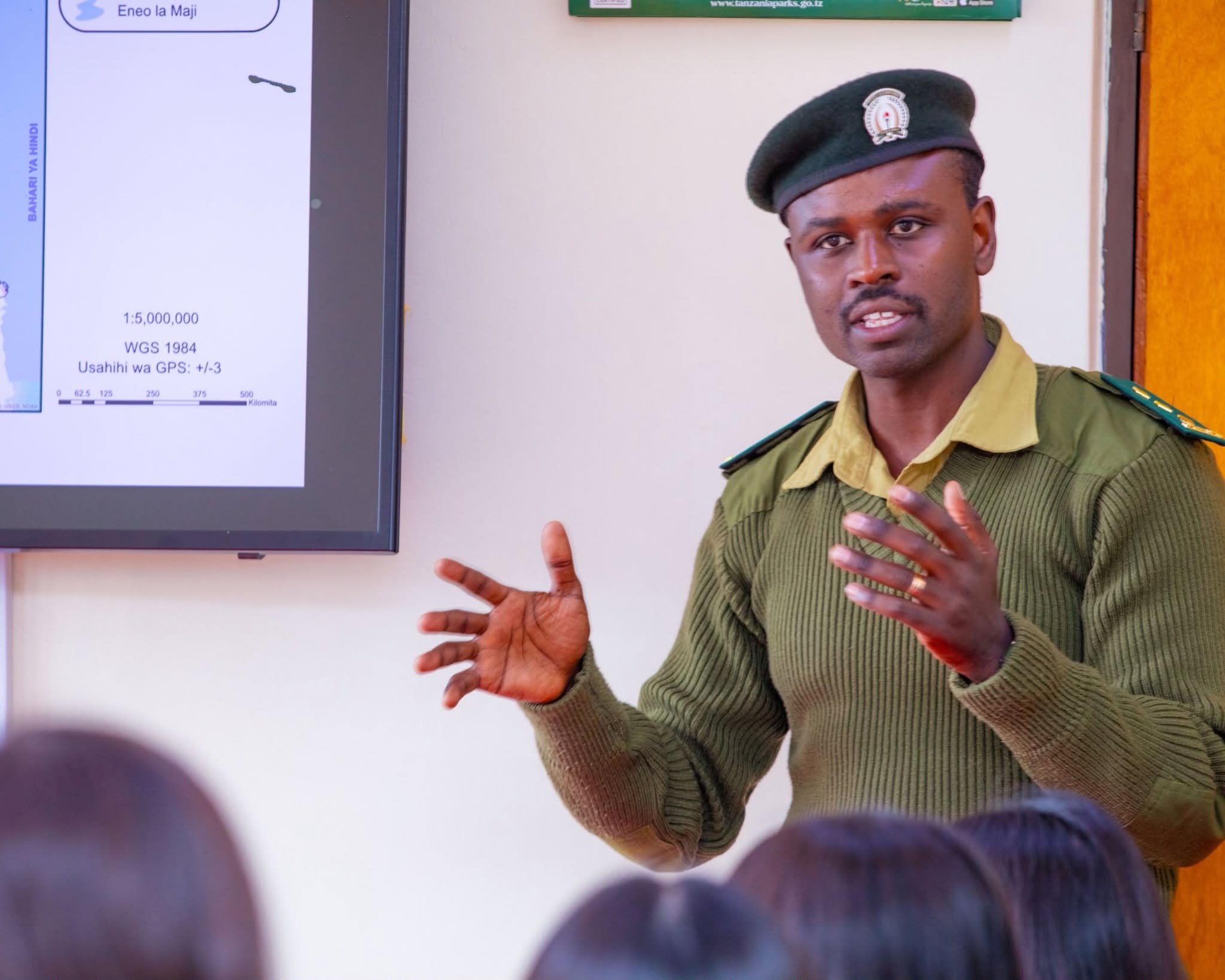
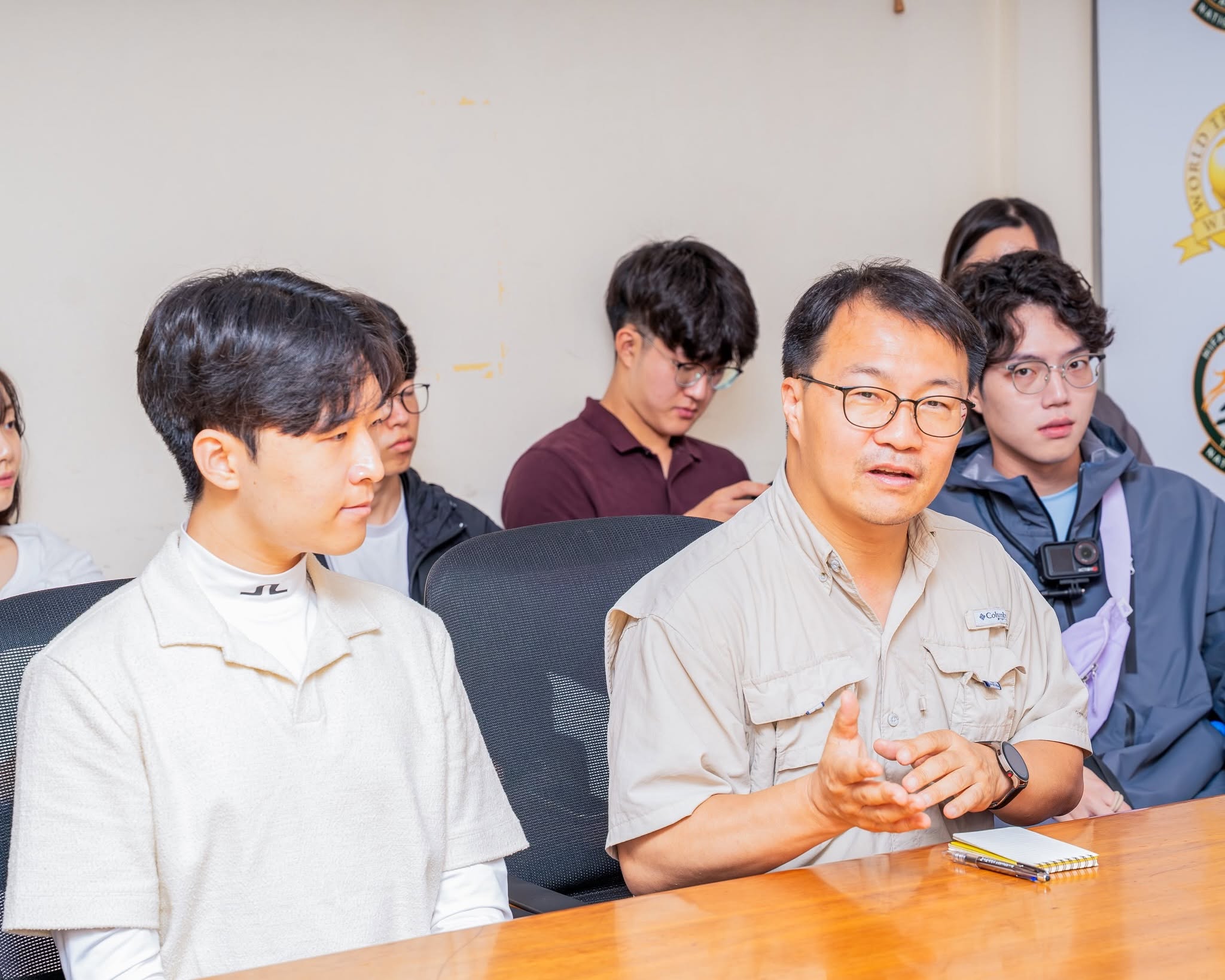
The delegation was received on July 14, 2026, at the TANAPA Headquarters in Arusha, where they received insights into the organization’s role in managing Tanzania’s national parks and promoting sustainable tourism.
The visit reflects growing international interest in Tanzania’s conservation approach and the country’s experience in balancing wildlife protection, tourism development, and community engagement.
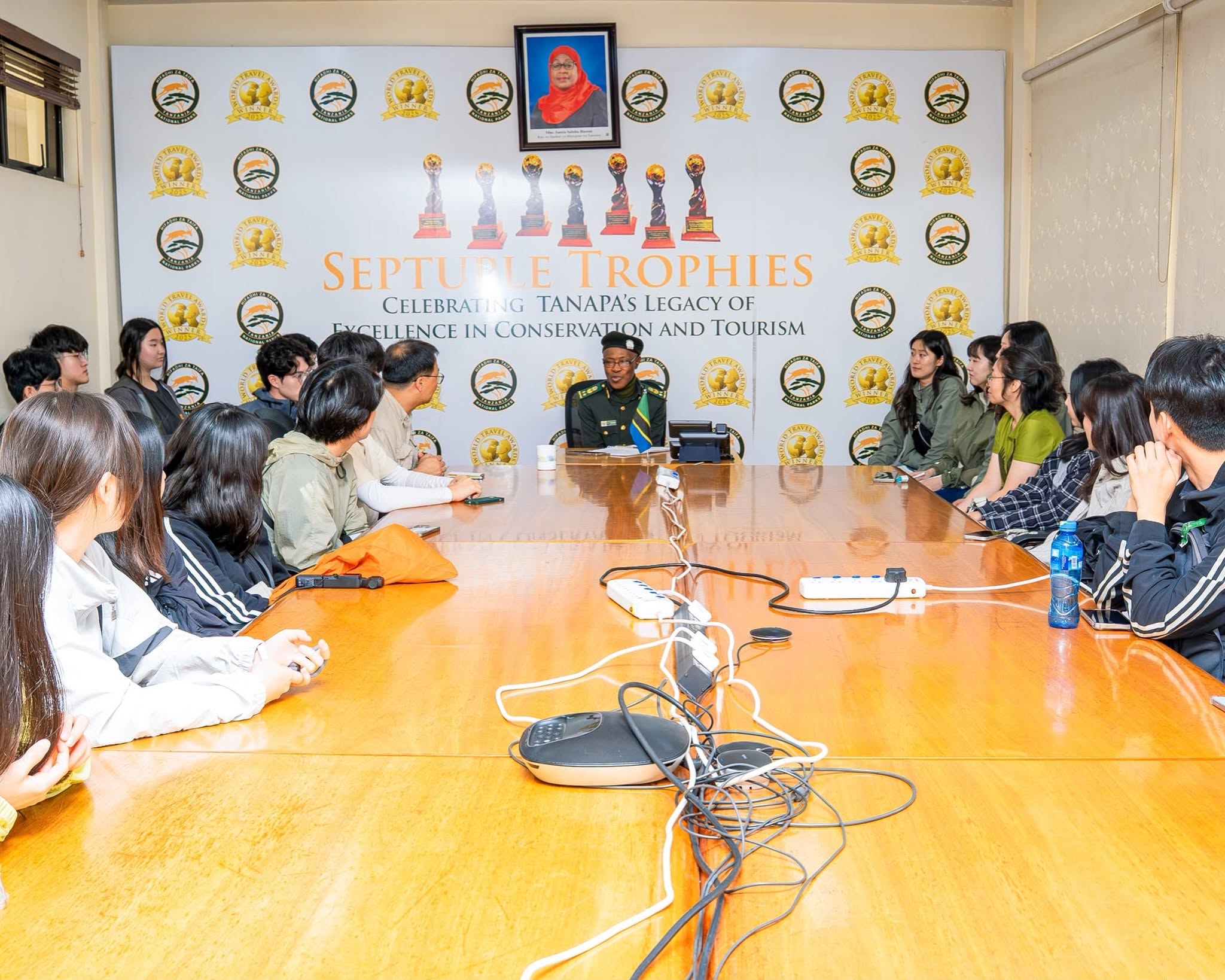
Learning From Tanzania’s Conservation Experience
During their visit, the students and lecturers focused on understanding various aspects of TANAPA’s operations, including:
- Wildlife conservation strategies.
- National park management.
- Sustainable tourism development.
- Community involvement in conservation.
- Protection of Tanzania’s natural heritage.
- The role of tourism in supporting national development.
The exchange provided an opportunity for knowledge sharing between Tanzanian conservation experts and international students interested in environmental management and tourism.
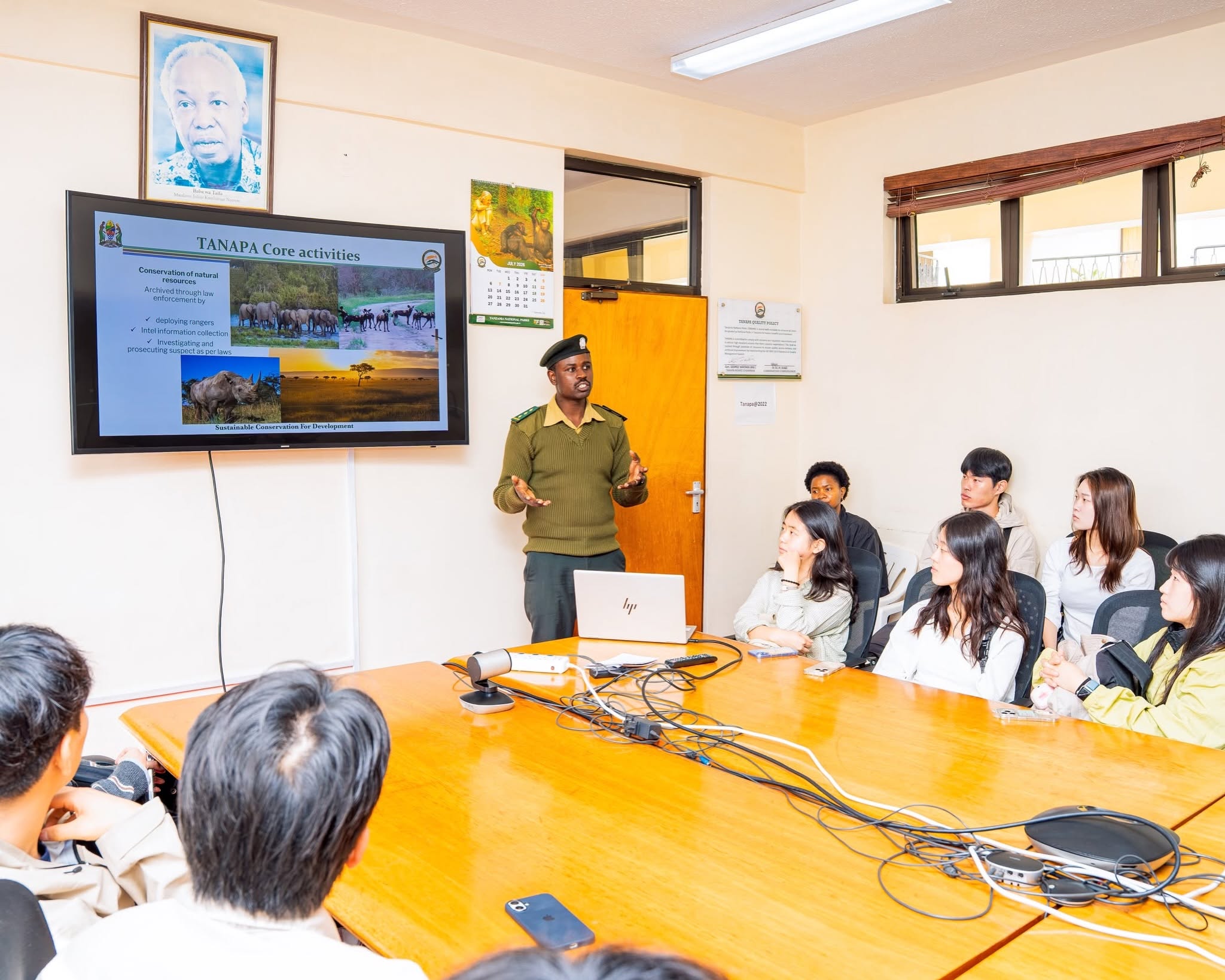
Exploring Tanzania’s Iconic National Parks
As part of their learning programme, the Seoul University delegation is expected to visit some of Tanzania’s most famous wildlife destinations, including:
- Serengeti National Park
- Tarangire National Park
- Lake Manyara National Park
During the field visits, students will have the opportunity to experience Tanzania’s unique ecosystems, observe wildlife, and gain practical knowledge of how conservation and tourism activities are implemented on the ground.
The visits will complement their theoretical studies by providing real-world exposure to one of Africa’s most successful wildlife conservation models.
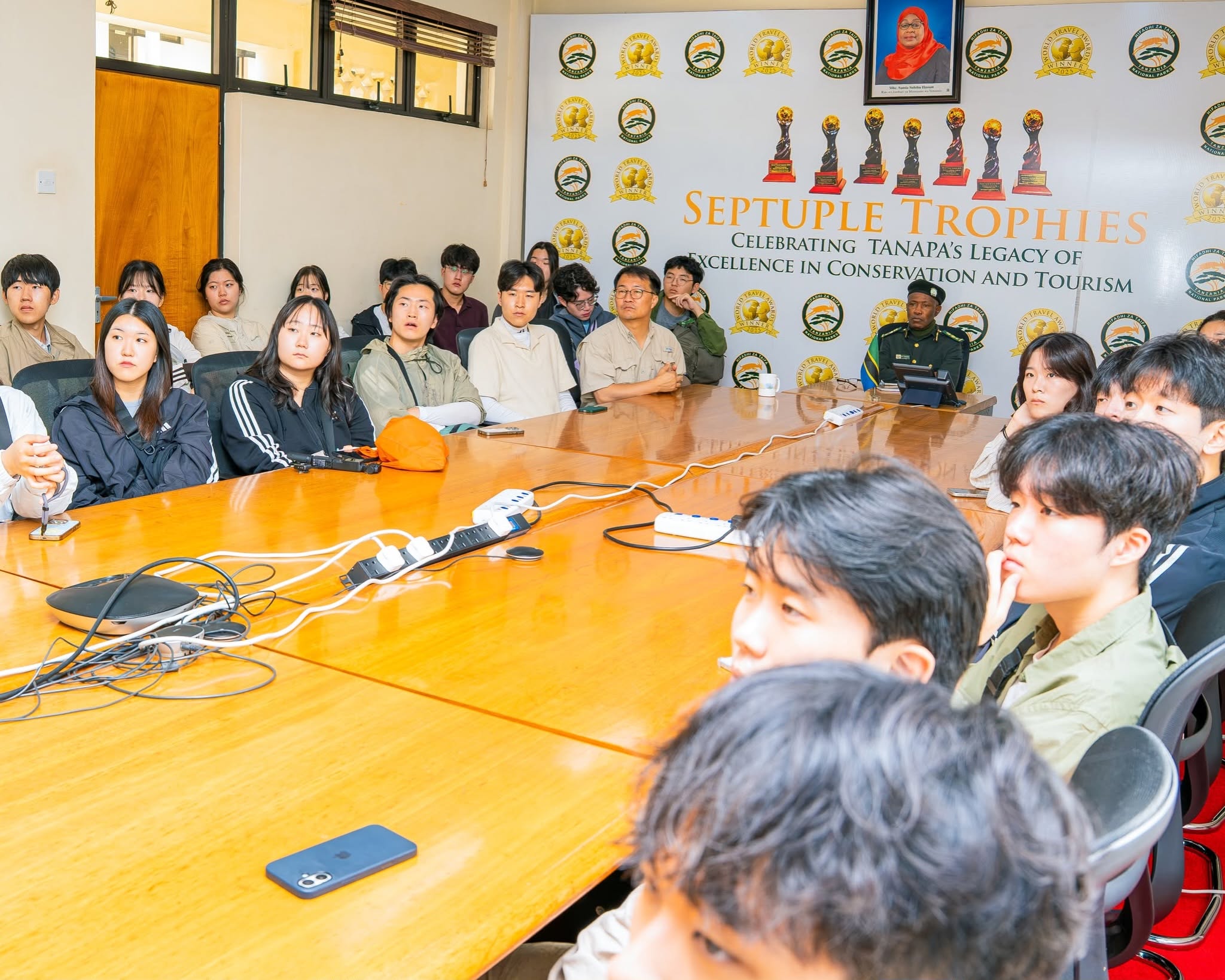
Strengthening Global Conservation Partnerships
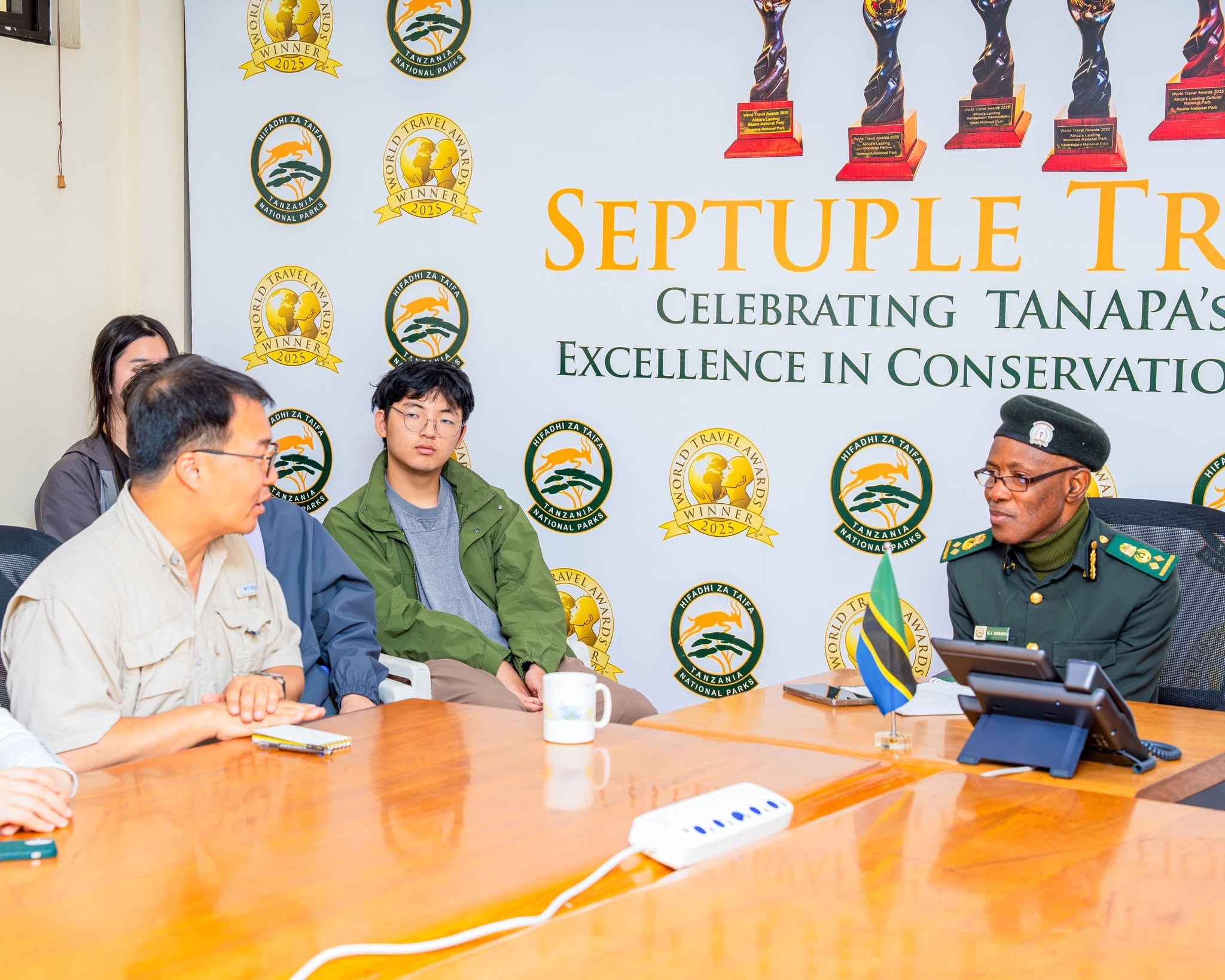
The delegation was welcomed by Senior Assistant Commissioner for Conservation Dr. Bakari Mnaya, who serves as the Head of the Conservation Department at TANAPA.
Dr. Mnaya highlighted the importance of international learning exchanges in strengthening conservation knowledge and building partnerships among institutions committed to environmental protection.
Such academic and professional visits contribute to global collaboration by allowing conservation experts, researchers, and students to exchange ideas and explore innovative approaches to protecting natural resources.
Tanzania’s National Parks as Global Learning Destinations
Tanzania’s national parks continue to attract not only tourists but also researchers, conservation professionals, and academic institutions from around the world due to their exceptional biodiversity and internationally recognized conservation value.
Destinations such as Serengeti, Tarangire, and Lake Manyara provide unique platforms for studying wildlife management, ecosystem protection, and sustainable tourism practices.
Through educational partnerships like the Seoul University visit, Tanzania continues to position its conservation areas as centres for international learning, research, and environmental cooperation.
Promoting Sustainable Tourism Through Knowledge Sharing
The visit from South Korea demonstrates the growing global recognition of Tanzania’s efforts in conservation and tourism management.
By sharing knowledge and welcoming international academic institutions, TANAPA continues to strengthen its role not only as a protector of wildlife but also as a contributor to global conservation education.
The exchange further supports Tanzania’s vision of promoting sustainable tourism while ensuring that future generations continue to benefit from the country’s extraordinary natural heritage.
Explore Tanzania’s National Parks and Experience World-Class Conservation and Safari Adventures →