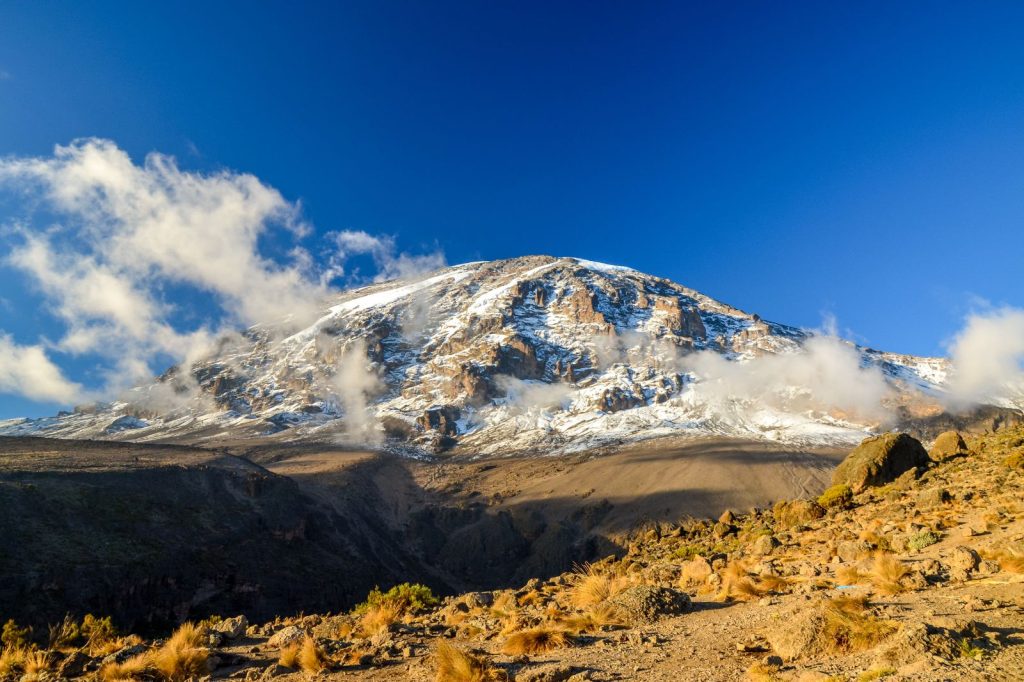
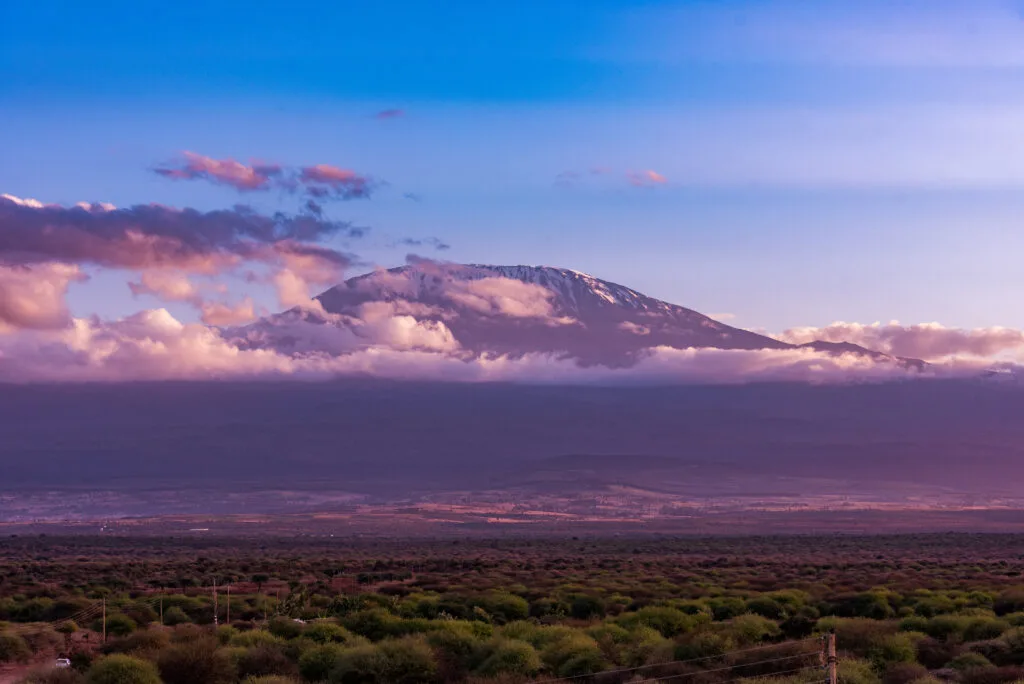
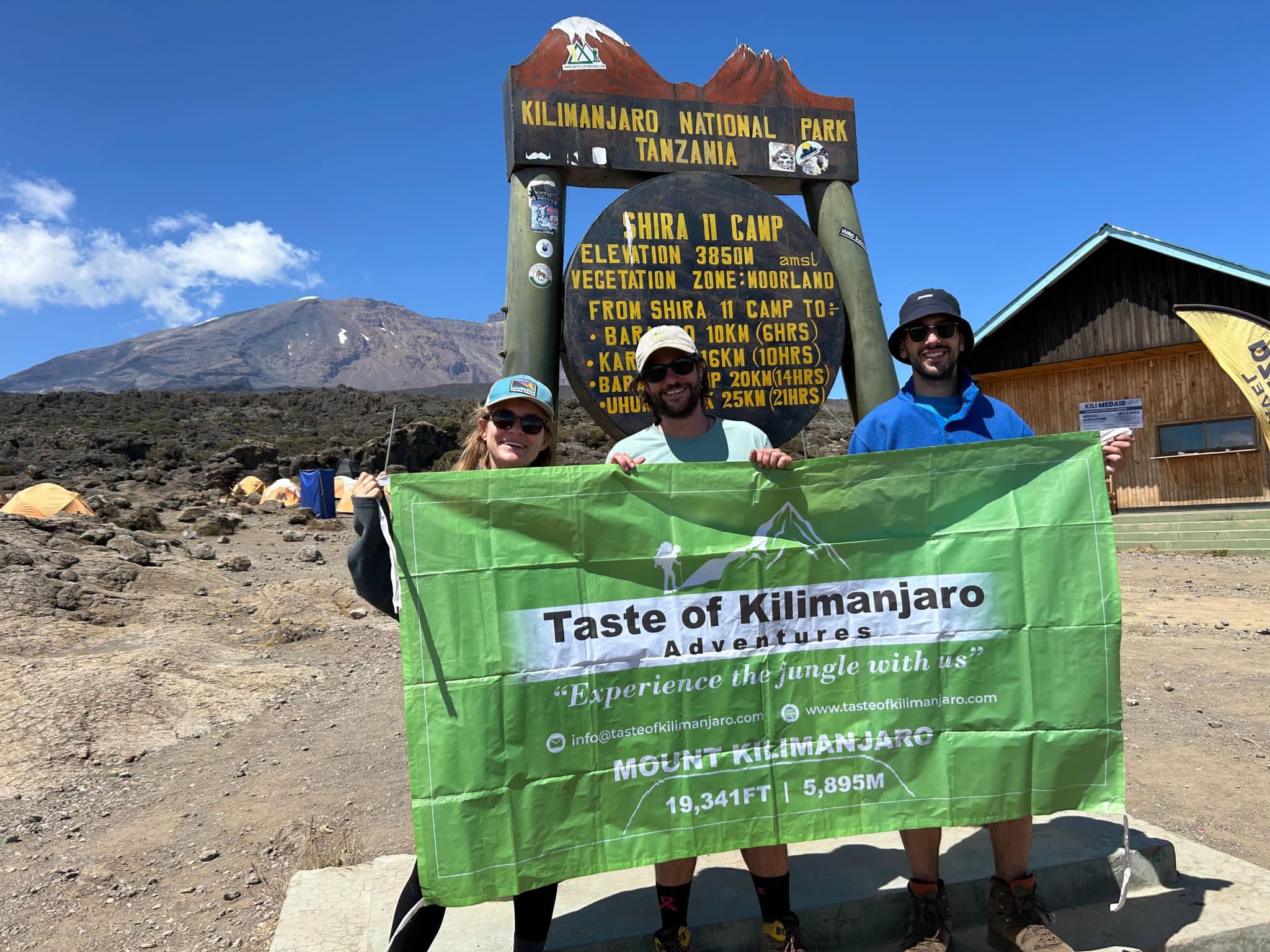
Kilimanjaro Region, Tanzania — Trekking activity on Mount Kilimanjaro continues to expand in 2026, with strong international demand across all established climbing routes. As Africa’s highest peak at 5,895 meters, Kilimanjaro remains one of the world’s most sought-after non-technical high-altitude treks.
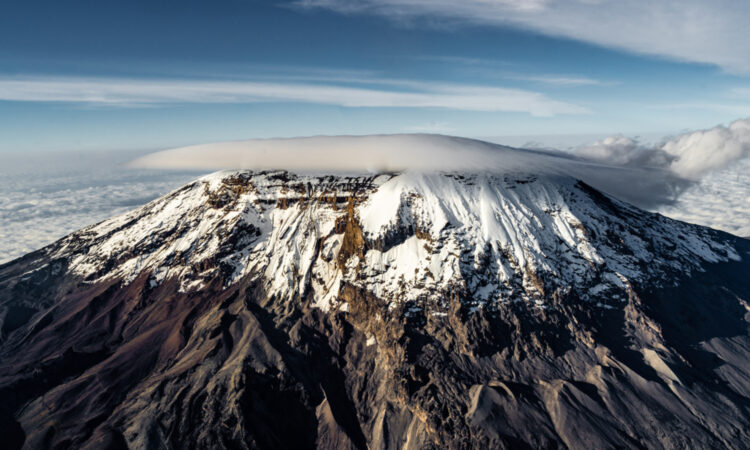
Tourism stakeholders report balanced bookings across multiple routes, each offering distinct landscapes, difficulty levels, and acclimatization advantages.
Major Kilimanjaro Routes
Marangu Route (5–6 days)
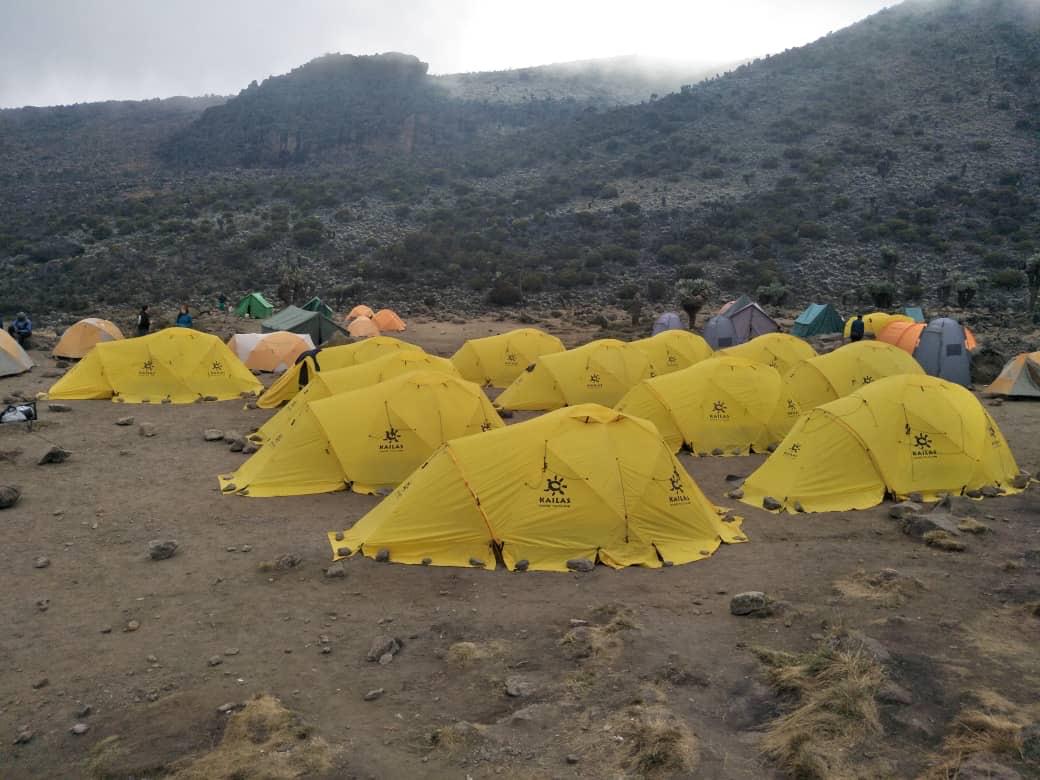
Often referred to as the most traditional path, Marangu is the only route offering hut accommodation instead of camping. It is considered moderate in difficulty but has lower summit success rates due to its shorter acclimatization period.
Machame Route (6–7 days)
Popularly known for its scenic beauty, Machame offers dramatic landscapes and a gradual ascent profile. It is moderately challenging and remains one of the most chosen routes among international climbers.
Lemosho Route (7–8 days)
Approaching from the western side, Lemosho is praised for its high summit success rates and excellent acclimatization schedule. It combines scenic diversity with a quieter start before joining the Machame trail.
Rongai Route (6–7 days)
Starting near the Kenyan border on the northern side, Rongai is drier and less crowded. It is often recommended during wetter months and for climbers seeking a more remote experience.
Northern Circuit (8–9 days)
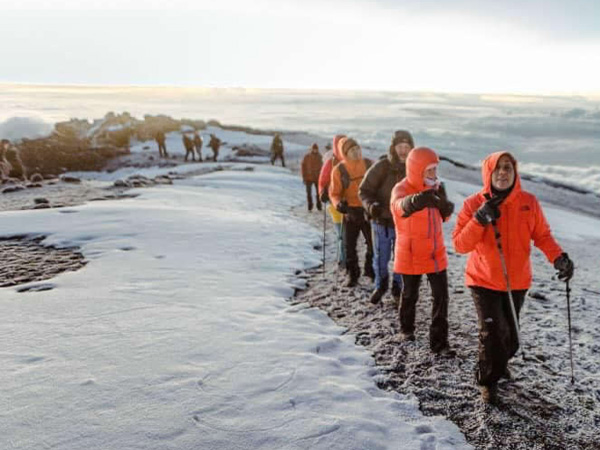
The longest and most gradual route, Northern Circuit provides the highest acclimatization advantage and strong summit success rates. It circles around the mountain’s northern slopes, offering panoramic and less-traveled views.
Umbwe Route (5–6 days)
The steepest and most direct route, Umbwe is recommended only for experienced and well-acclimatized climbers due to its rapid ascent profile.
Climbing Seasons and Conditions
The most favorable trekking seasons remain:
-
January to March – Cooler, clearer, and less crowded
-
June to October – Dry season with stable weather conditions
Although climbing is possible year-round, April–May and November typically bring heavier rainfall.
Safety, Regulation, and Sustainability
All Kilimanjaro treks operate under licensed Tanzanian tour operators. Climbs include certified mountain guides, porters, medical monitoring, and park rescue services. Ongoing reforms emphasize improved porter welfare standards, environmental protection, and strict safety protocols within Kilimanjaro National Park.
Altitude acclimatization remains the primary challenge. Industry experts continue to encourage longer routes to improve success rates and reduce altitude-related risks.
Economic and Tourism Impact
Mount Kilimanjaro plays a critical role in Tanzania’s tourism economy, generating employment for thousands of guides, porters, transport providers, and hospitality workers. Many climbers extend their visit with wildlife safaris to Serengeti National Park, the Ngorongoro Crater, or beach holidays in Zanzibar.
As global demand for adventure travel continues to rise, Tanzania’s strategic focus on route diversity, safety, and sustainability is reinforcing Mount Kilimanjaro’s status as one of the world’s premier trekking destinations.