
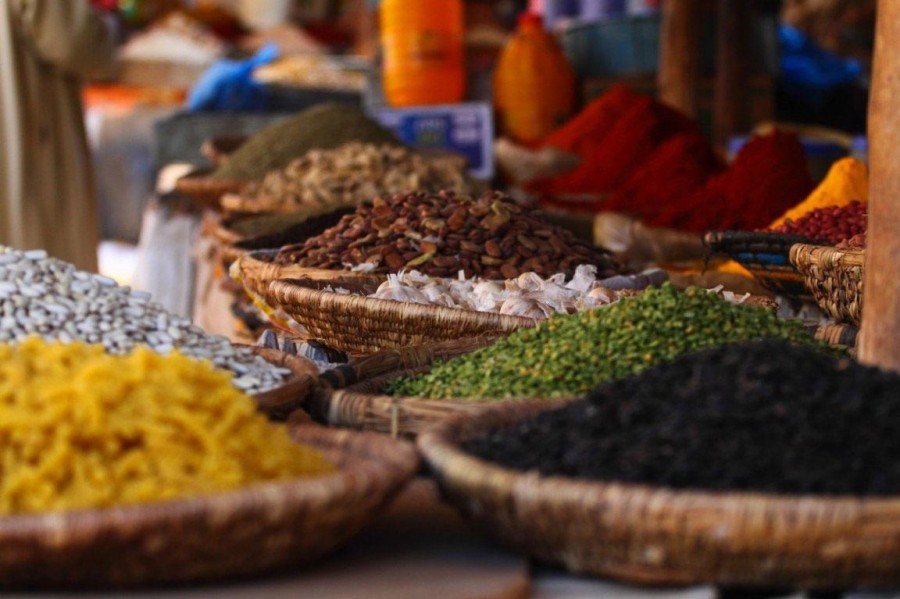
Gastronomy Tourism in Tanzania offers travelers a delicious journey through rich flavors, traditional dishes, and cultural culinary experiences. From coastal seafood delicacies to spice-infused Swahili cuisine, Tanzania’s food heritage reflects centuries of cultural exchange and regional diversity.
One of the highlights of culinary tourism is exploring the flavors of Stone Town, where spice markets and local restaurants showcase Tanzania’s reputation as the “Spice Island.” Cloves, cinnamon, cardamom, and nutmeg are integral to Swahili cuisine, adding distinctive aromas and tastes to traditional dishes.
Visitors can enjoy dishes such as pilau (spiced rice), biryani, and fresh seafood prepared with local spices. Coastal culinary traditions emphasize the use of fresh ingredients and flavors that reflect Tanzania’s Indian Ocean heritage. Food tours and cooking classes provide immersive experiences, allowing travelers to learn how to prepare traditional meals.
Gastronomy tourism also supports local communities by promoting small businesses and culinary entrepreneurship. Restaurants, markets, and food vendors benefit from tourism while preserving cultural traditions and culinary knowledge.
For travelers seeking deeper cultural connections, gastronomy tourism complements wildlife safaris and beach holidays. Food becomes a gateway to understanding Tanzania’s history, traditions, and way of life.
Tanzania’s culinary landscape invites exploration and discovery. Whether sampling street food, dining in coastal restaurants, or participating in cooking workshops, gastronomy tourism delivers unforgettable experiences for food lovers and cultural travelers.
All images courtesy of Tanzania Tourist Board (TTB).