

Pwani Region, Tanzania
The Tanzania Forest Services Agency (TFS) has announced that ongoing infrastructure improvements under the Biodiversity Resilience Project are significantly boosting eco-tourism growth at the Pugu Kazimzumbwi Nature Forest Reserve, one of Tanzania’s important natural forest ecosystems located near Dar es Salaam.
The initiative forms part of Tanzania’s broader strategy to increase tourist arrivals to eight million visitors by 2030 through the enhancement of tourism attractions, conservation areas, and visitor services across the country.
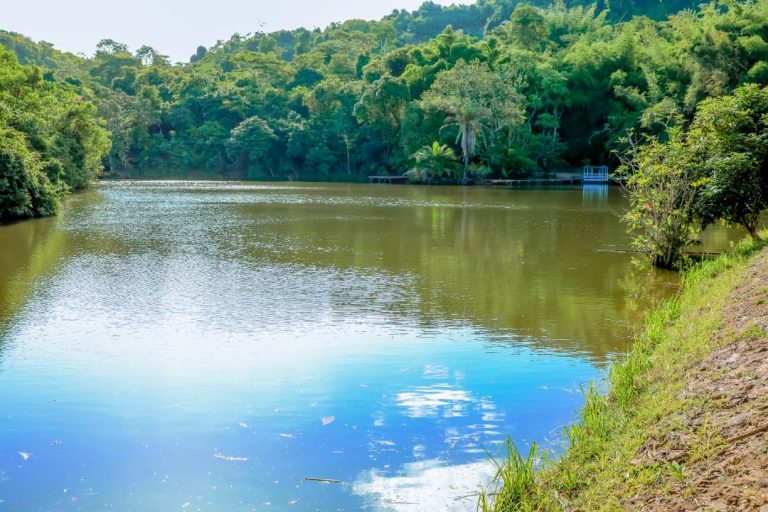
Infrastructure Improvements Transforming Eco-Tourism
Speaking during a recent site visit by the Regional Advisor of the United Nations Development Programme (UNDP), Onesimus Muhwezi, BUREFOBI-NFR Project Coordinator and TFS Chief Conservator Someni Mteleka said the investment has greatly improved the reserve’s attractiveness to both domestic and international tourists.
According to TFS, the project is being implemented through joint funding support from the Global Environment Facility (GEF) and UNDP under the Biodiversity Resilience of Forest Ecosystems Against Climate Change Impacts in Tanzania Natural Forest Reserves Project (BUREFOBI-NFR).
The improvements include the construction of a 12-kilometre access road connecting the Kimani and Maguruwe sections of the forest reserve, the development of two tourist resting shelters, and the establishment of a modern entrance gate designed to improve visitor access and overall tourism experience.
Officials say the upgraded infrastructure has made it easier for tourists to access different attractions within the reserve while improving the quality of eco-tourism services offered at the site.

Tourist Numbers Continue to Rise
TFS revealed that between 2020 and 2025, Pugu Kazimzumbwi Forest Reserve recorded an average tourist growth increase of 69 percent, a trend attributed to improved eco-tourism infrastructure and strengthened collaboration between the Government and international development partners.
Tourism experts believe the reserve is becoming increasingly attractive to nature lovers, hikers, researchers, birdwatchers, students, and eco-tourists seeking green destinations close to Tanzania’s commercial capital.
The forest reserve is especially valued for its biodiversity, indigenous tree species, scenic landscapes, walking trails, and environmental education opportunities.
Conservation Supporting Community Development
During the visit, UNDP Regional Advisor Onesimus Muhwezi commended the Government of Tanzania for effectively managing development projects supported by international partners.
He noted that such projects are playing a critical role in strengthening ecosystem conservation, improving livelihoods for communities surrounding protected areas, and increasing tourism-generated income.
Environmental stakeholders say sustainable eco-tourism initiatives are becoming increasingly important in balancing conservation goals with economic development and climate resilience efforts.

Pugu Kazimzumbwi Emerging as a Key Eco-Tourism Destination
Located within easy reach of Dar es Salaam, Pugu Kazimzumbwi is one of Tanzania’s oldest surviving coastal forests and an important biodiversity hotspot.
The reserve offers unique opportunities for eco-tourism activities including forest hiking, birdwatching, photography, educational tours, cycling, and nature exploration.
Conservation experts believe continued investment in eco-tourism infrastructure could position the reserve as one of the country’s leading urban nature tourism destinations.
Part of a National Climate Resilience Initiative
Pugu Kazimzumbwi is among nine forest reserves benefiting from the BUREFOBI-NFR project, which aims to strengthen the resilience of forest biodiversity against the impacts of climate change across Tanzania.
The project focuses on improving forest conservation, restoring degraded ecosystems, enhancing tourism infrastructure, and promoting sustainable natural resource management.

Click here for eco-tourism tours, forest adventures, and nature travel packages in Tanzania.