

Dar es Salaam, Tanzania – April 22, 2026
As the world marks Earth Day, Tanzania stands as a powerful example of how tourism and conservation can work hand in hand to protect the planet while creating meaningful travel experiences.
Recognized globally for its rich biodiversity, vast protected areas, and iconic landscapes, Tanzania continues to position itself as a leading destination for sustainable tourism, where visitors not only explore nature—but actively contribute to its preservation.
A Global Call, A Local Commitment
Celebrated every year on April 22, Earth Day serves as a reminder of the urgent need to protect natural ecosystems. For Tanzania, this message is deeply embedded in its tourism model.
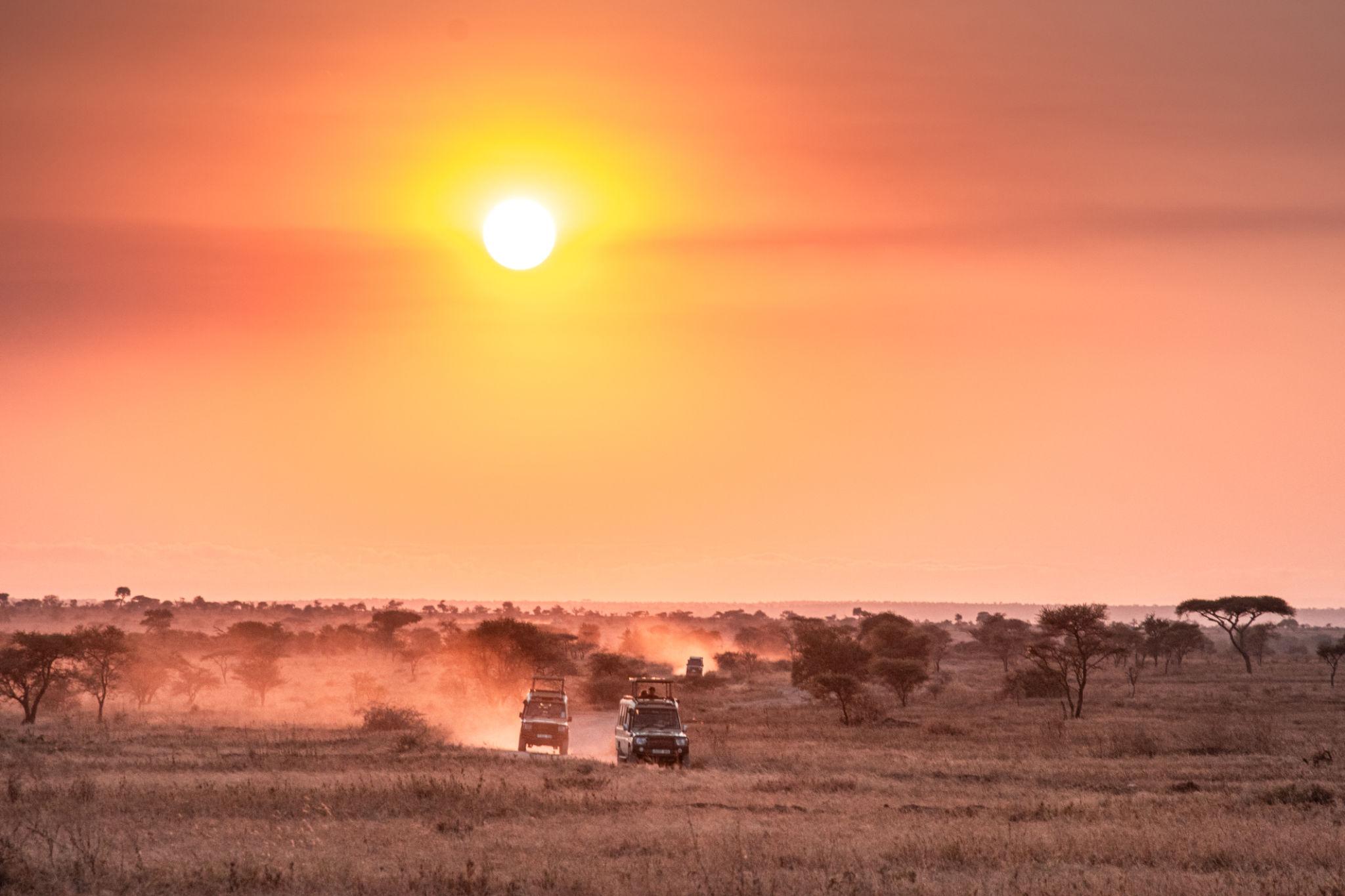
From the plains of Serengeti National Park to the heights of Mount Kilimanjaro, conservation is not just a policy—it is a national priority. A significant portion of the country’s land is dedicated to protected areas, ensuring that wildlife and natural habitats continue to thrive.
Tourism plays a vital role in this ecosystem, generating revenue that supports conservation efforts, park management, and community development.
Tourism That Protects Wildlife

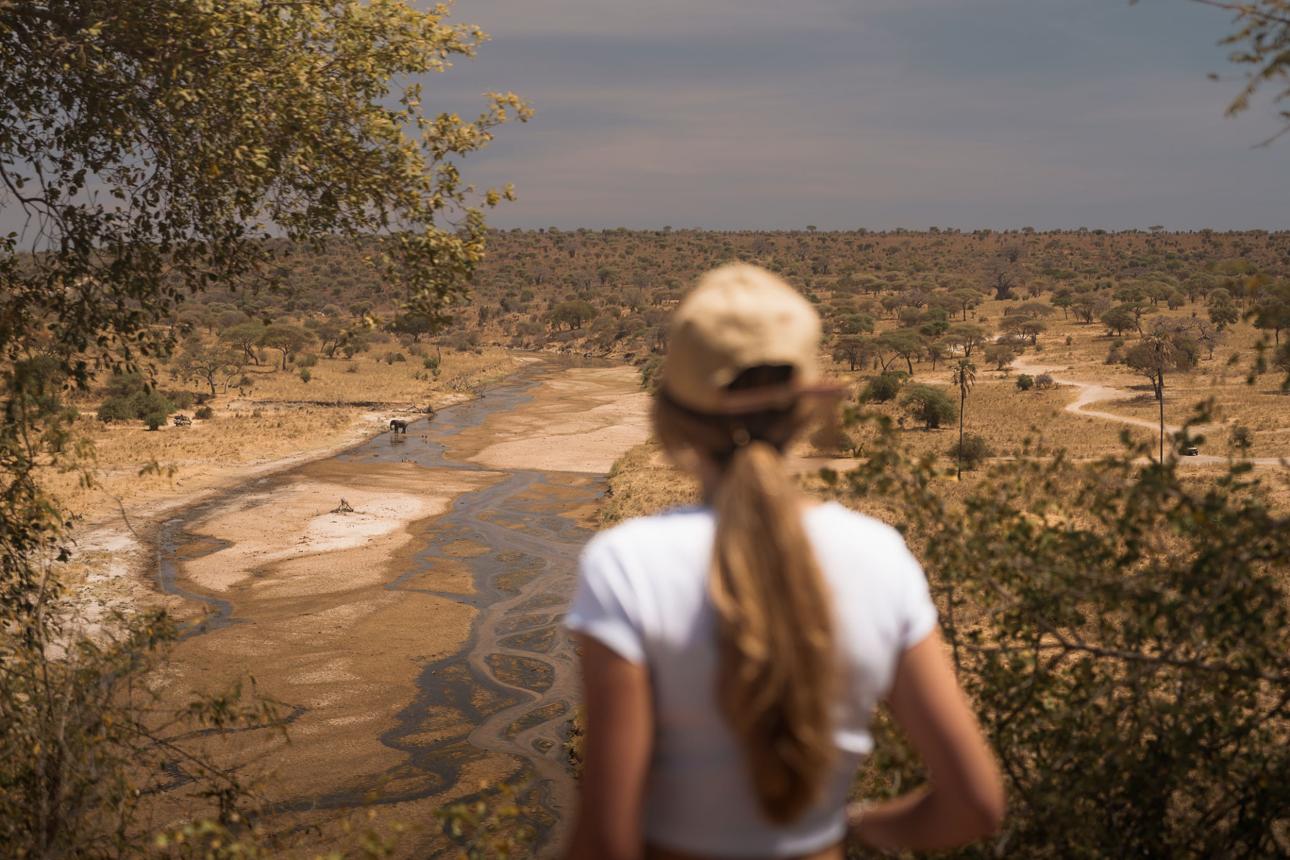
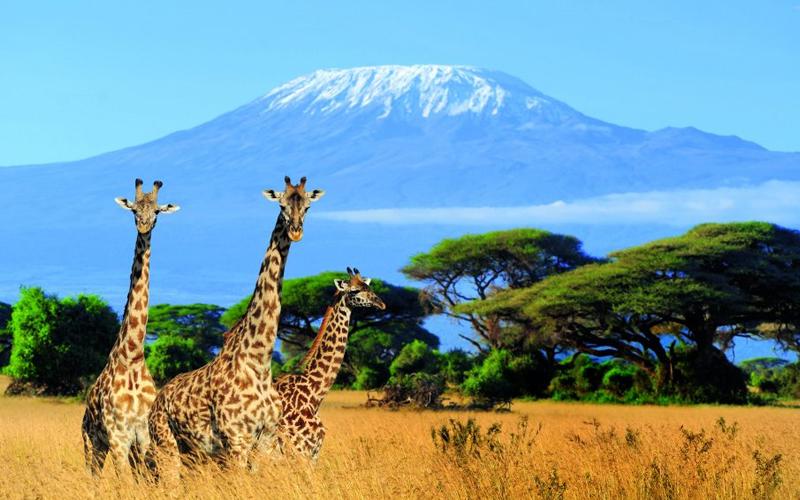
Tanzania’s tourism success is closely tied to its wildlife conservation achievements. Home to some of Africa’s most iconic species, including the African lion (Panthera leo), elephants, and rhinos, the country has built a tourism model that prioritizes sustainability.
Key conservation areas such as:
- Ngorongoro Conservation Area
- Nyerere National Park
are globally recognized for balancing tourism activities with ecological protection.
Visitors contribute directly through park fees, conservation programs, and eco-friendly travel practices.
Sustainable Experiences Across Destinations
Beyond wildlife, Tanzania offers a wide range of eco-conscious travel experiences:
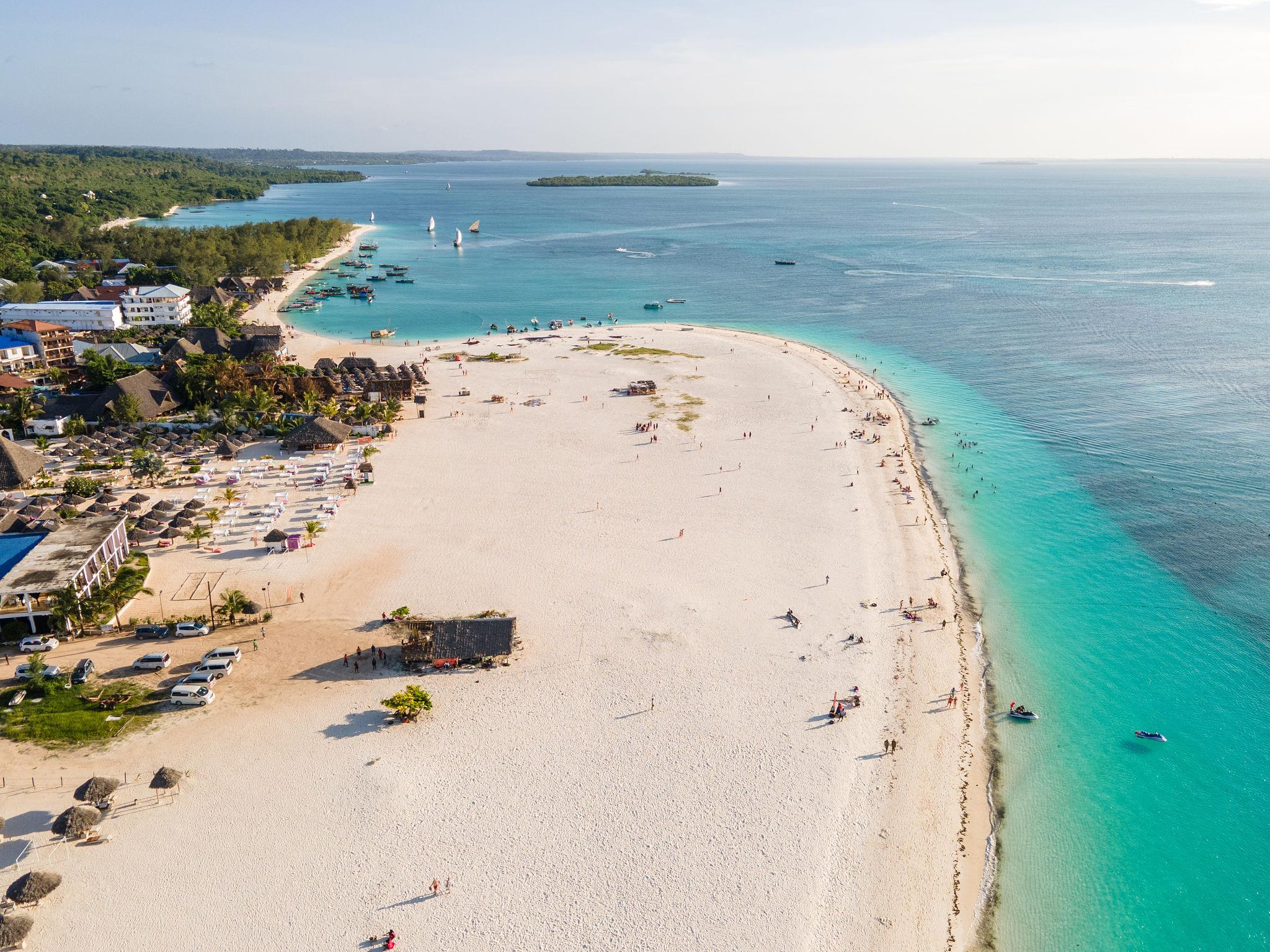
- Zanzibar’s coastal conservation efforts protect marine ecosystems while promoting responsible beach tourism
- Community-based tourism initiatives allow travelers to engage with local cultures while supporting livelihoods
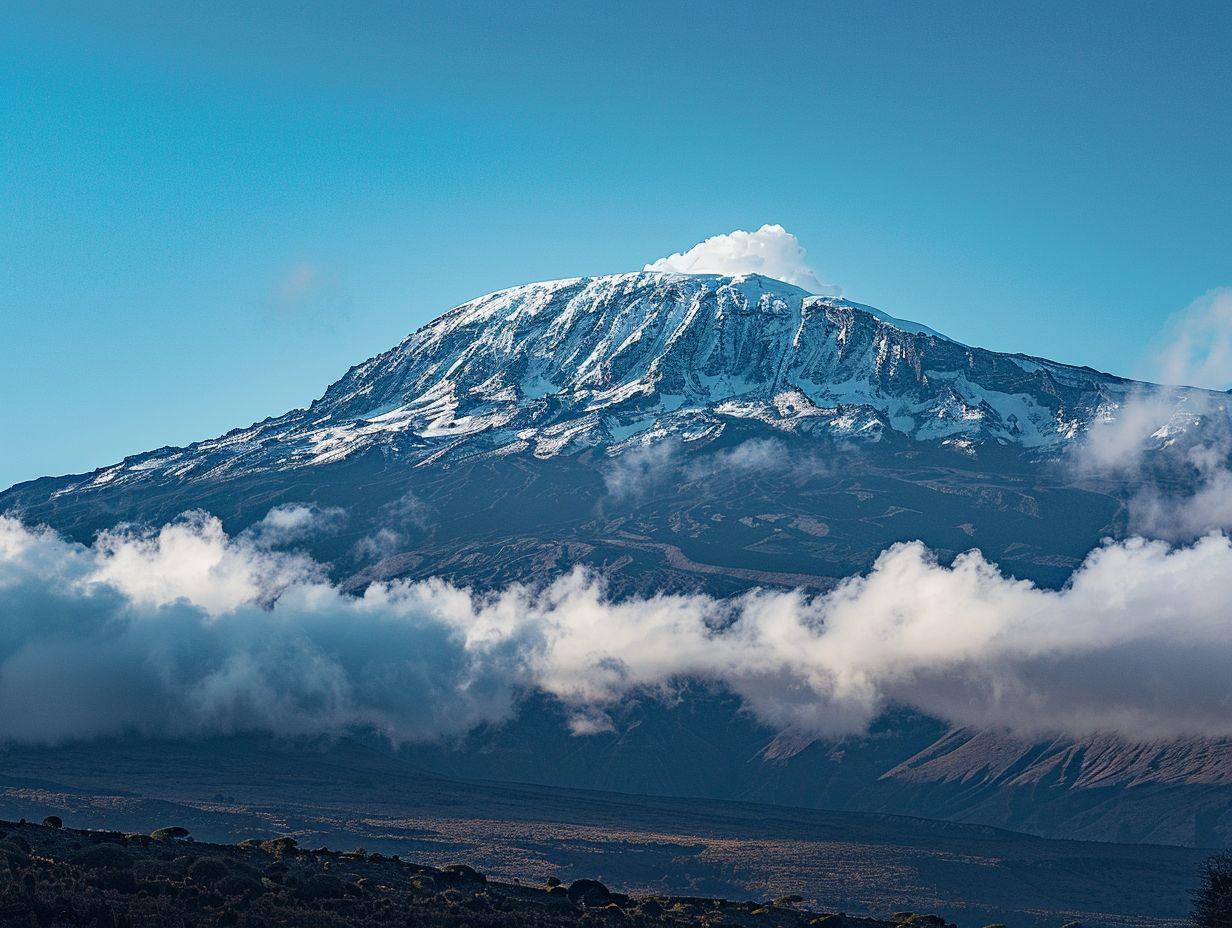
- Mountain tourism on Kilimanjaro is increasingly guided by sustainability principles to preserve fragile environments
These experiences ensure that tourism growth remains aligned with environmental protection.
The Role of Travelers
Earth Day is not only about national efforts—it is also a call to action for travelers.
Visitors to Tanzania are encouraged to:
- Choose eco-friendly tour operators
- Respect wildlife and natural habitats
- Reduce plastic use and environmental impact
- Support local communities and conservation initiatives
By making responsible choices, travelers become partners in preserving Tanzania’s natural heritage.
Tanzania in the Global Sustainability Movement
As global tourism shifts toward sustainability, Tanzania is well-positioned to lead. Its model demonstrates that tourism can be both economically beneficial and environmentally responsible.
With increasing global awareness, destinations that prioritize sustainability—like Tanzania—are becoming the preferred choice for conscious travelers.
Explore Tanzania Responsibly
This World Earth Day, Tanzania invites the world to experience travel that makes a difference.
- Explore eco-friendly safari packages
- Discover sustainable Zanzibar experiences
- Support conservation through travel
Plan your sustainable journey to Tanzania today
👉 Click here to explore all sustainable Tanzania travel packages and plan your Earth Day journey