
4 days Safari and Tour at Serengeti and Ngorongoro: Tanzania's Wildlife Gems.
Ndutu migration safari
0/5
0% of guests recommend
Duration
3 Hours
Tour Type
Guided Tour
Group Size
10 persons
Location
Serengeti
Overview
Serengeti National Park and the Ngorongoro Crater are jewels of Tanzania’s "Northern Circuit," yet they offer remarkably different experiences. While the Serengeti is a boundless, shifting wilderness, the Ngorongoro Crater is a self-contained "natural zoo."
1. Serengeti National Park: The Endless Plains
Derived from the Maasai word Siringet ("the place where the land moves on forever"), the Serengeti is a UNESCO World Heritage site and the quintessential image of wild Africa.
-
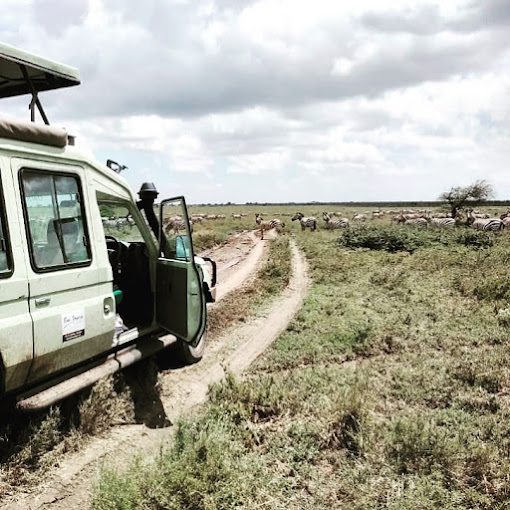
The Great Migration: This is the park's main event. Over 1.5 million wildebeest, 200,000 zebras, and 300,000 gazelles move in a continuous clockwise circle through the ecosystem.
-
Calving (Jan–Feb): Thousands of calves are born daily in the southern plains.
-
River Crossings (July–Oct): Dramatic, life-or-death crossings of the Mara River.
-
-
The Predators: Serengeti boasts the highest density of large carnivores in the world, including over 3,000 lions and a massive population of leopards and cheetahs.
-
Landscape: It is a mosaic of open grasslands, granite outcrops (kopjes) where lions love to sunbathe, and acacia woodlands.
2. Ngorongoro Crater: The Garden of Eden
The Ngorongoro Crater was formed 2–3 million years ago when a volcano as large as Mt. Kilimanjaro exploded and collapsed. Today, it acts as a natural enclosure for over 25,000 large mammals.
-
Compact Variety: Within the crater floor, you can find soda lakes filled with flamingos, fever tree forests, and lush marshes. Because it is small, you can see all the "Big Five" (Lion, Leopard, Elephant, Buffalo, Rhino) in a single morning.
-
Black Rhinos: This is one of the best places in East Africa to see the critically endangered Black Rhino, which is much harder to spot in the vast Serengeti.
-
Maasai Presence: Unlike most parks, the Ngorongoro Conservation Area allows the Maasai people to live and graze their cattle alongside wild animals, offering a unique look at human-wildlife coexistence.
-
No Giraffes: Interestingly, you won't find giraffes inside the crater; they cannot navigate the steep, 600-meter-high walls.
-
When to Visit
-
June to October (Dry Season): The best time for both. Animals gather at waterholes, and the Great Migration is at its most dramatic.
-
January to March: Ideal for seeing the wildebeest calving in the southern Serengeti and Ndutu regions.
Traveler’s Tip: Most visitors combine these two. Spend one full day in the Ngorongoro Crater for "instant gratification" wildlife viewing, and then head to the Serengeti for at least 3–4 days to experience the scale and drama of the migration.
Included/Excluded
A professional English speaking Driver and guide.
Full board accommodation
Transfer to and from the airport
Park fees as per program
Half Board Accomodation
Extra Tour
Open Buffet
A la Carter
Speacial Request
Travel insurance
Itinerary
Day 1
The Journey to the Plains
Day 1
The Journey to the Plains
Day 1:
Morning: Early pickup from Arusha. Drive toward the Serengeti via the scenic Ngorongoro Conservation Area.
Afternoon: Enter the Serengeti through Naabi Hill Gate. Enjoy your first "en-route" game drive as you head toward the Seronera Valley.
Evening: Check into your lodge or tented camp. Enjoy a "Sundowner" (drinks at sunset) overlooking the savannah.
Overnight: Central Serengeti.
Day 2:
The Heart of the Action
Day 2:
The Heart of the Action
Dawn: Early morning game drive (6:30 AM) to catch predators like lions and leopards while they are still active.
Mid-Day: Visit the Seronera Visitor Centre to learn about the ecosystem's history or relax at the Retina Hippo Pool to see hundreds of hippos.
Afternoon: Explore the Moru Kopjes, massive granite rock formations that often serve as lookout points for cheetahs and the rare Black Rhino.
Overnight: Central Serengeti.
Day 3:
Sunrise from Above & Migration Tracking
Day 3:
Sunrise from Above & Migration Tracking
Early Morning (Optional): Hot Air Balloon Safari. Drift over the plains at sunrise, followed by a champagne bush breakfast.
Day: Search for the Great Migration herds (location depends on the month). In 2026, the herds are typically in the South (Jan-March), West (May-July), or North (Aug-Oct).
Late Afternoon: Slow game drive out of the park toward the Ngorongoro Crater rim for breathtaking views.
Overnight: Ngorongoro Crater Rim.
Day 4:
The "Eighth Wonder" & Departure
Day 4:
The "Eighth Wonder" & Departure
Morning: Descend 600 meters into the Ngorongoro Crater floor for a 5-hour game drive. This is the best place to see the "Big Five" in a single day.
Afternoon: Picnic lunch by the hippo pool, then ascend the crater and begin the drive back to Arusha.
Evening: Drop off at Kilimanjaro International Airport (JRO) or your Arusha hotel.
Mc
Season Best Area to Visit What to Expect
Tour Location
Ndutu migration safari
Reviews
0/5
Not Rated
Based on
0 review
Excellent
0
Very Good
0
Average
0
Poor
0
Terrible
0
No Review
Savanna soul Tanzania

Member Since Nov 2025
2%
from
$8,000.00
$7,800.00
{{start_date_html}}
{{type.desc}}
{{type.display_price}} per person
Extra prices:
({{type.price_type}})
{{type.price_html}}
({{type.price_type}})
{{ type.price }}%
{{ formatMoney(type.price) }}
- {{total_price_html}}
- {{pay_now_price_html}}
You might also like
26%
from
$8,000.00
$7,800.00
