
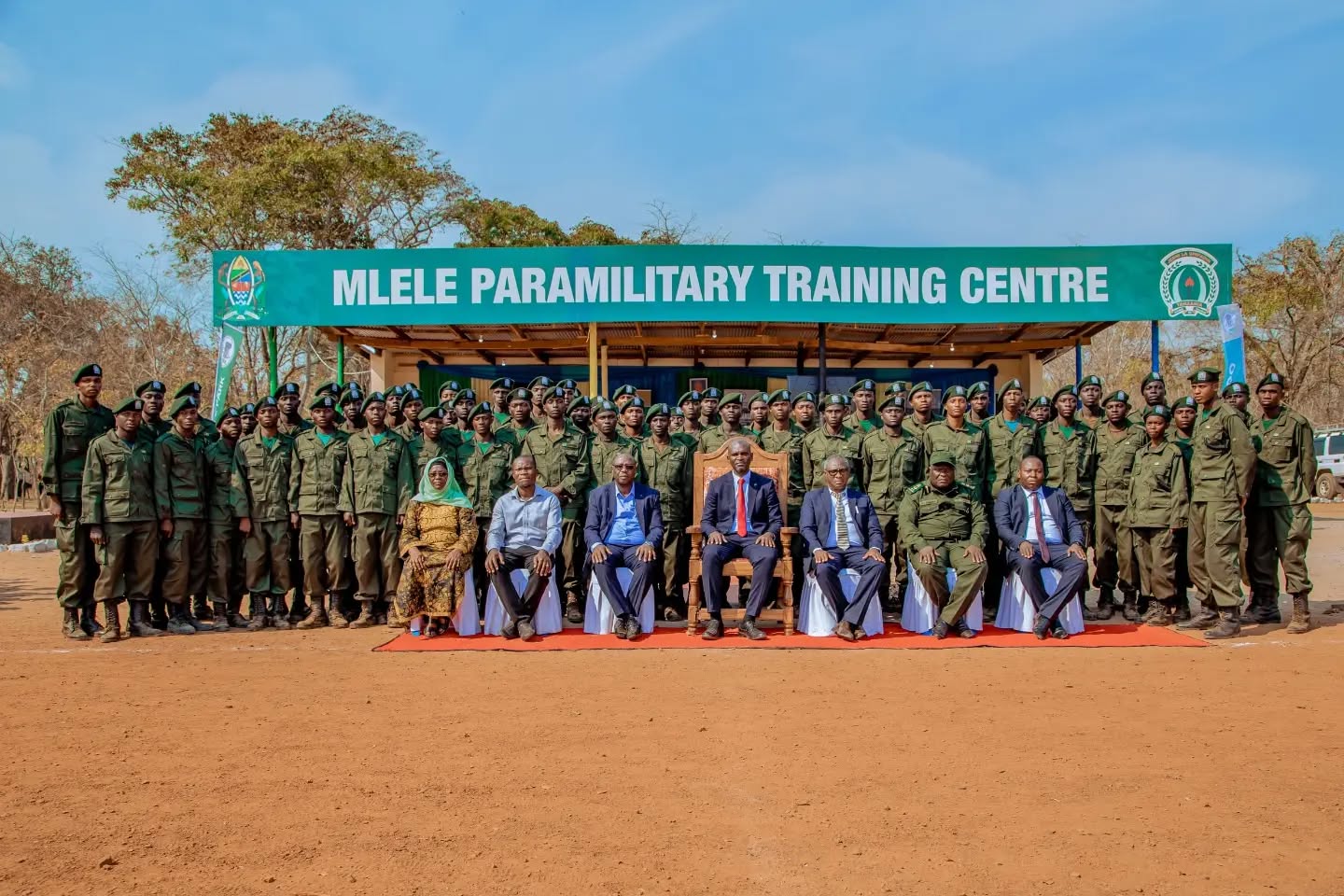
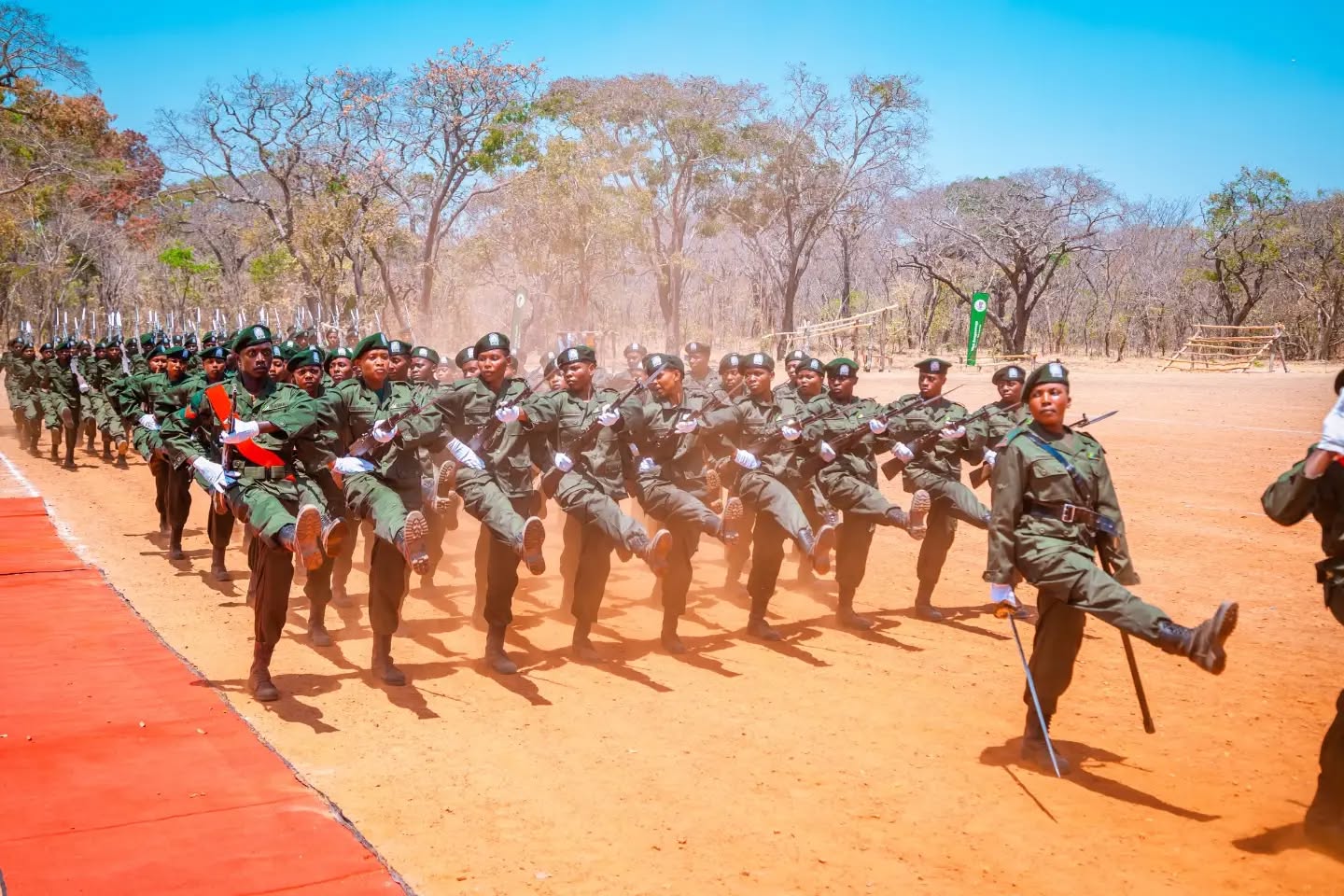
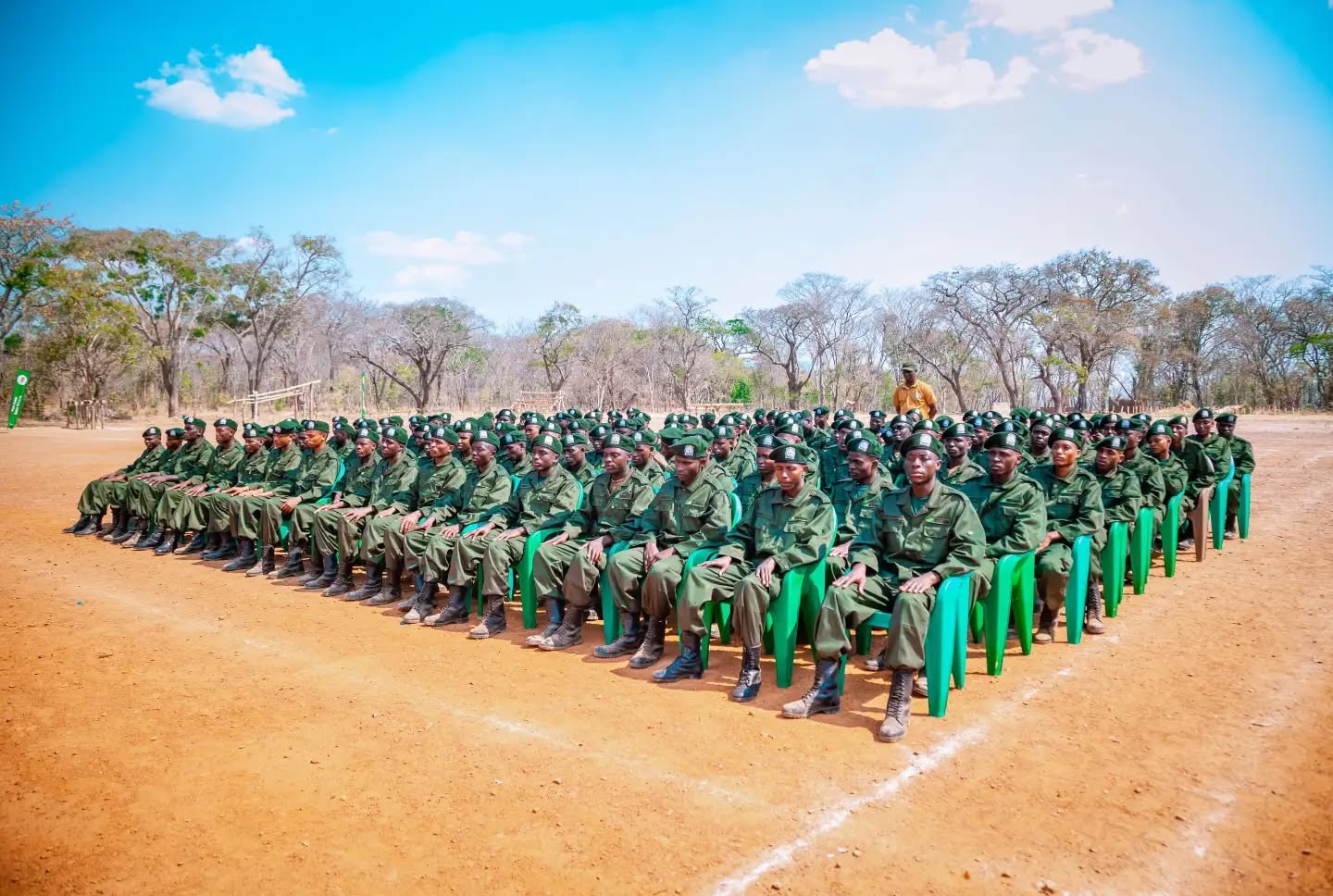
KATAVI: Tanzania Wildlife Management Authority (TAWA) has strengthened its capacity to protect the country’s wildlife and natural resources after 268 new conservation rangers graduated from six months of military and conservation training at the Mlele Conservation Training College in Katavi Region.
The graduation, held on September 5, 2026, marks another step in Tanzania’s efforts to strengthen the protection and management of wildlife resources, which remain central to the country’s conservation, tourism and investment sectors.
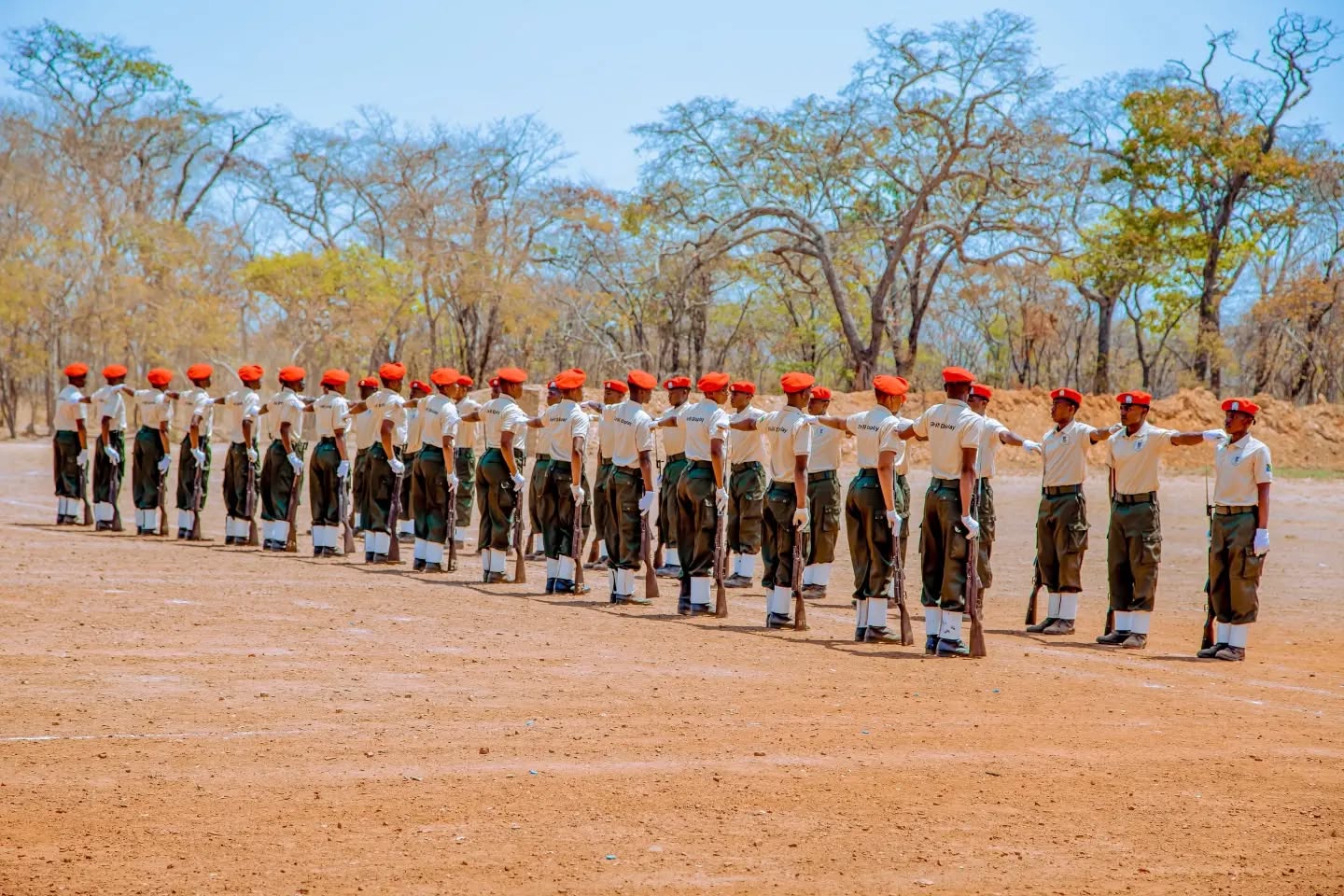
The new rangers completed intensive training covering a range of operational and professional areas, including the proper use of weapons, Geographic Information Systems (GIS), physical fitness, discipline, human rights, military ethics and the management of dangerous and destructive wildlife.
The training is expected to prepare the new officers to respond to the changing demands of wildlife conservation while supporting efforts to protect Tanzania's valuable natural heritage.
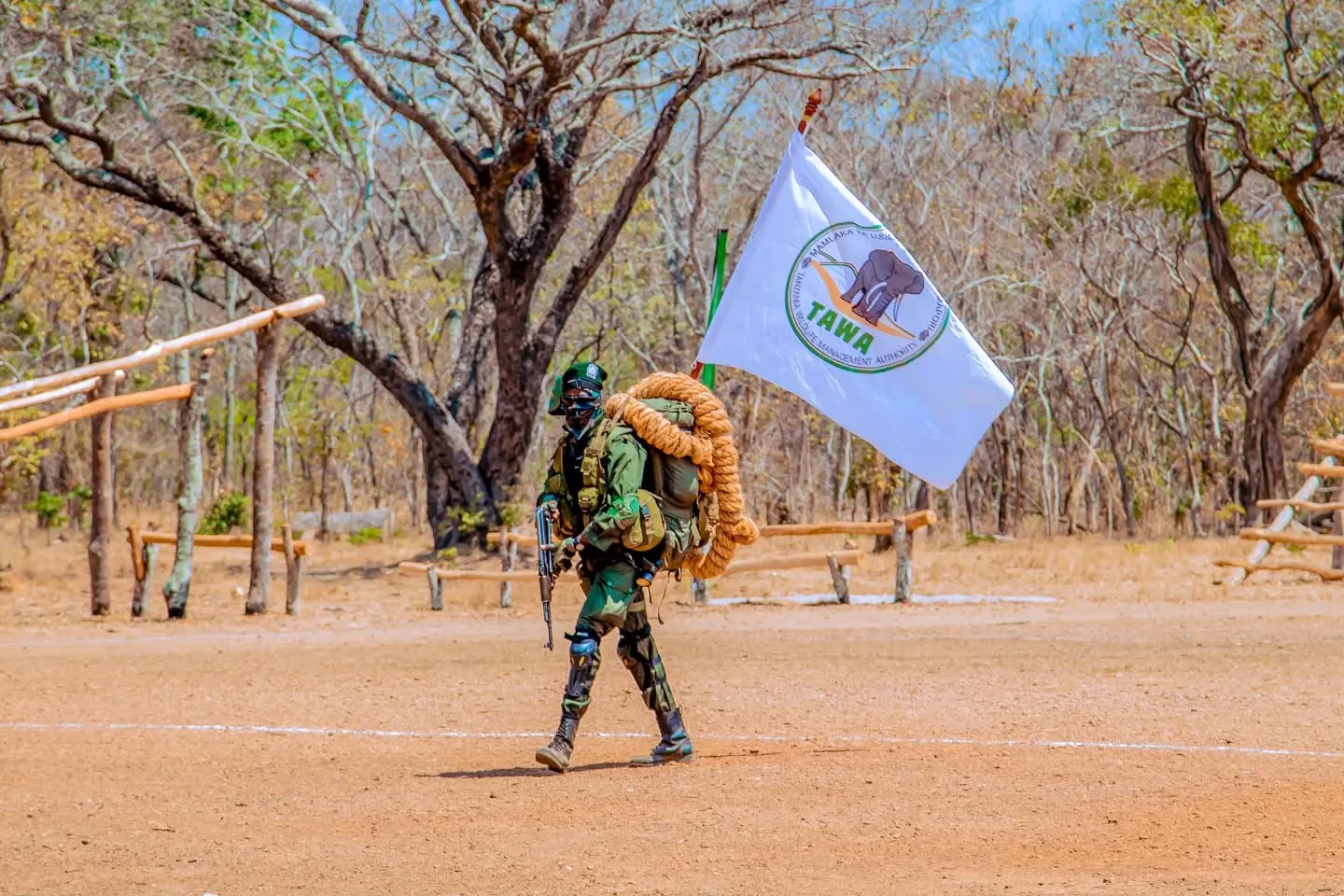
New Force for Conservation
Speaking during the graduation ceremony, Mlele District Commissioner, Majid Mwanga, urged the new rangers to carry out their responsibilities with discipline, integrity, professionalism and patriotism.
He called upon them to uphold the values reflected in their service oath and avoid corruption and discrimination while carrying out their duties.
The Commissioner also highlighted the Government's continued efforts to strengthen the Conservation Force through increased staffing and improvements in training infrastructure.

Government Support Strengthens Conservation
The representative of the Chairperson of the TAWA Board, Prof. Jafari Kidegesho, commended the Government for its continued support towards strengthening the country's conservation sector.
He said the Government's investment in additional personnel, working equipment and improved training facilities was helping TAWA build a stronger and more effective conservation force.
The new recruitment comes at a time when Tanzania continues to place conservation at the centre of its broader development strategy, recognising that protected wildlife areas support tourism, employment, investment and community livelihoods.
Protecting Wildlife and Supporting Tourism
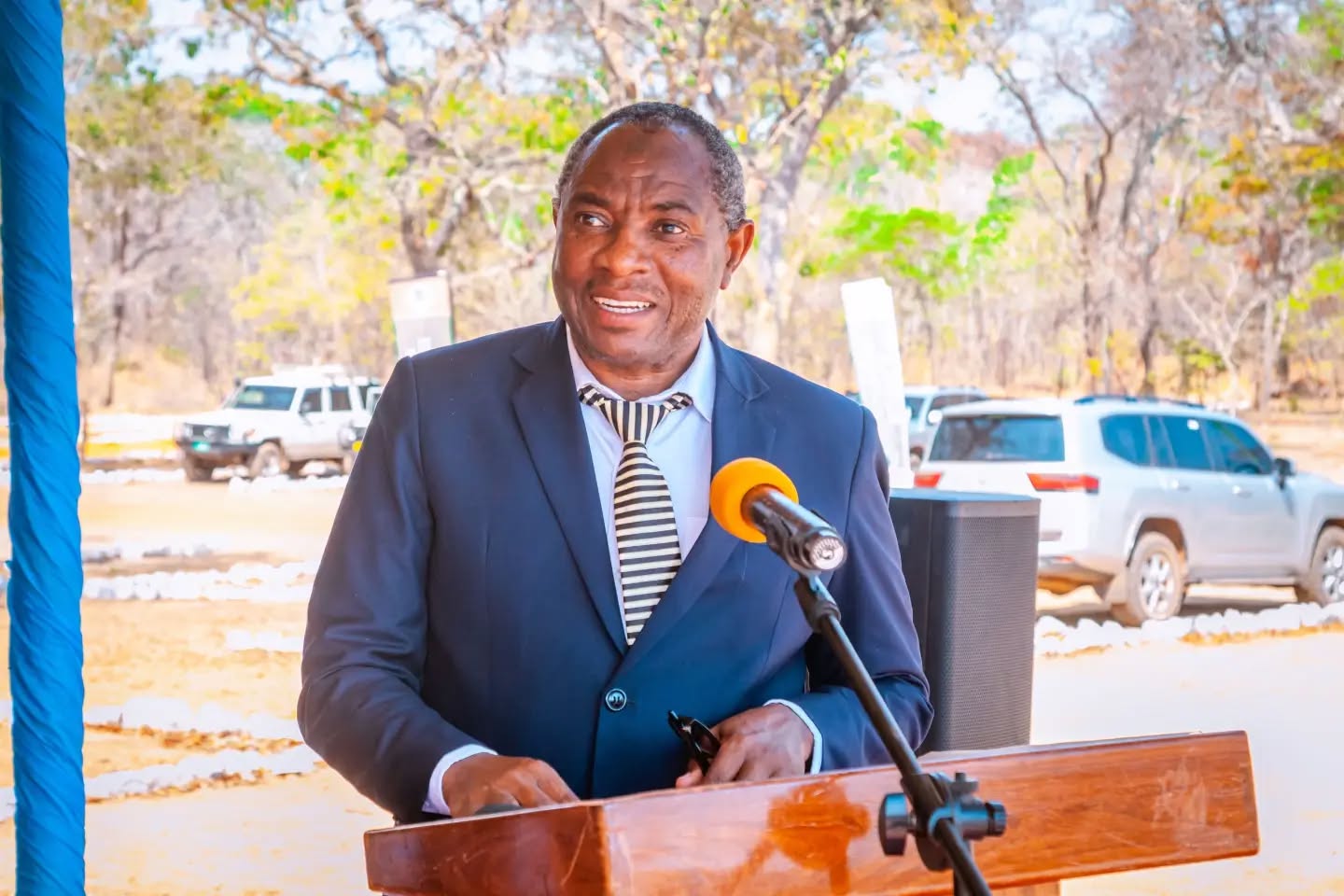
Acting Conservation Commissioner Mlage Yussuf Kabange said the Government's continued support had strengthened conservation and tourism activities.
He noted that TAWA has a critical responsibility to ensure wildlife and natural resources are protected so they can continue supporting Tanzania's tourism industry, investment opportunities and national development.
The 268 newly trained rangers are expected to reinforce wildlife protection operations, support efforts against poaching and improve security in wildlife management areas.
They will also contribute to environmental protection and community conservation programmes, including raising awareness among communities about the importance of protecting natural resources.
Conservation and Communities
Beyond wildlife protection, the new conservation officers are expected to play an important role in strengthening cooperation between conservation authorities and surrounding communities.
TAWA has continued to emphasise the importance of conservation education and community engagement as part of efforts to reduce conflicts between people and wildlife.
The new graduates will therefore join a broader national effort aimed at ensuring that Tanzania's wildlife resources are protected while communities also benefit from conservation and tourism.
Securing Tanzania's Natural Heritage
With its vast wildlife resources and diverse landscapes, Tanzania's conservation success remains closely connected to the future of its tourism industry.
The addition of 268 trained conservation rangers is expected to provide additional capacity for protecting wildlife, combating poaching and maintaining the security of areas under TAWA's management.
As the new officers prepare to begin their assignments, they carry an important responsibility: protecting the wildlife and natural heritage that continues to make Tanzania one of Africa's leading tourism and conservation destinations.