Tarangire, Tanzania — September 23, 2026: Tarangire National Park is set to officially open its newly established Lemiyoni Gate on September 26, 2026, marking a significant development aimed at strengthening conservation, improving tourism access and enhancing collaboration between the park and neighbouring communities.
The official opening ceremony will take place at Lemiyoni Gate, Tarangire National Park, starting at 8:00 a.m.
The establishment of the new gate is the result of collaboration between Tarangire National Park and Randilen Wildlife Management Area (WMA), reflecting ongoing efforts to strengthen partnerships between protected areas and communities surrounding Tanzania's important wildlife destinations.
New Gateway for Tarangire Tourism
The Lemiyoni Gate is expected to create additional opportunities for tourism by improving access to the Tarangire area and facilitating tourism operations.
The new entry point is also expected to contribute to a better visitor experience by providing an additional gateway for tourists visiting the park and supporting more efficient movement of visitors and tourism operators.
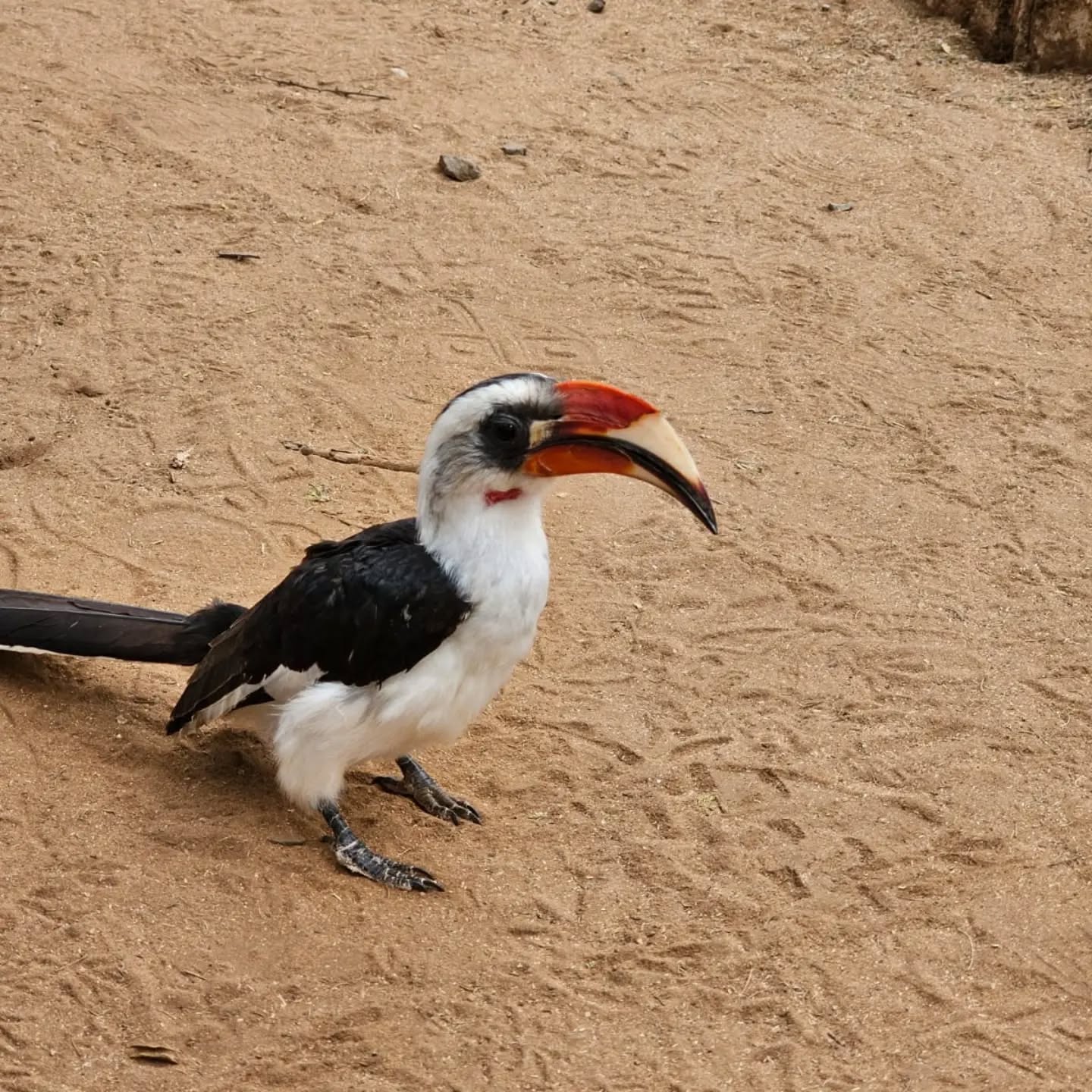
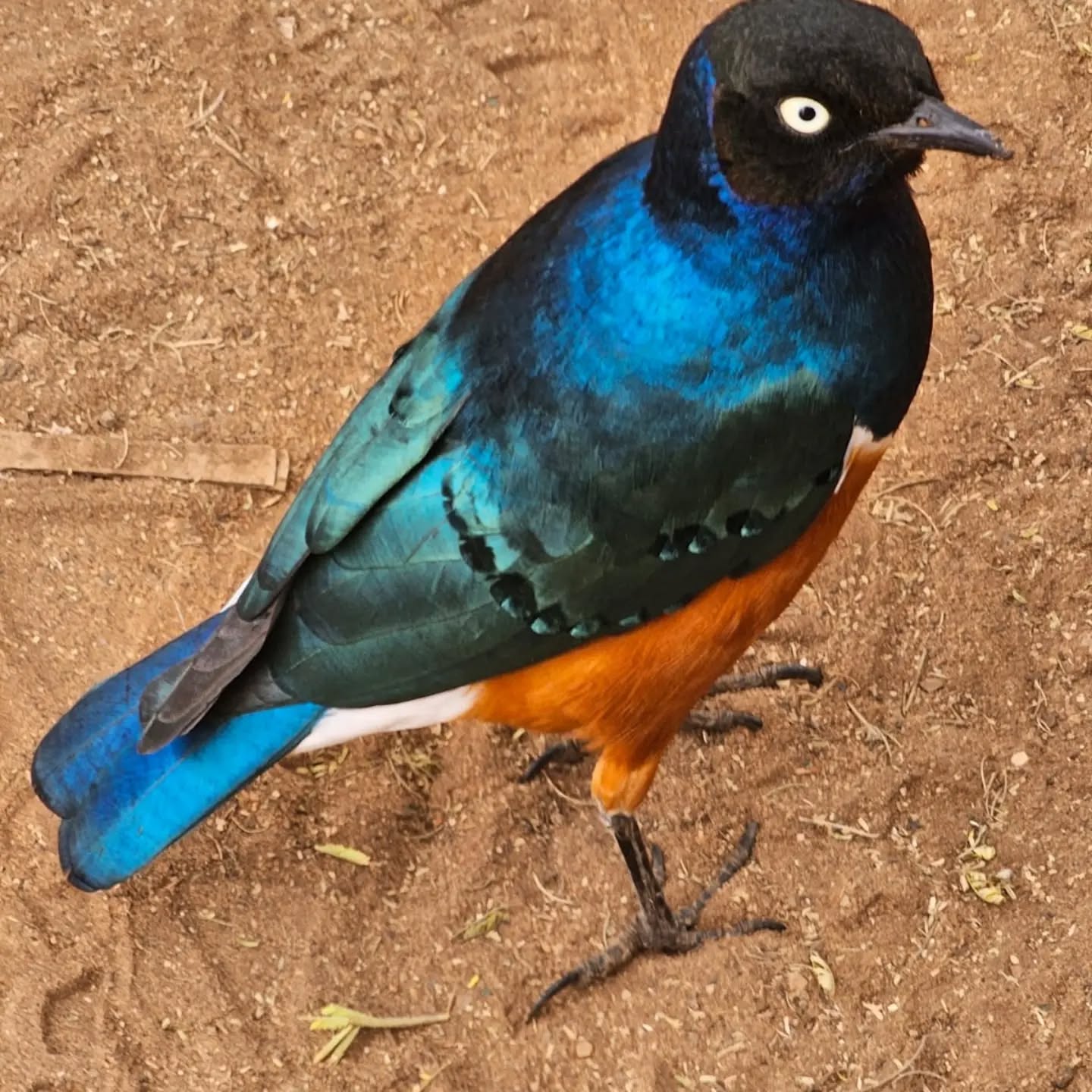
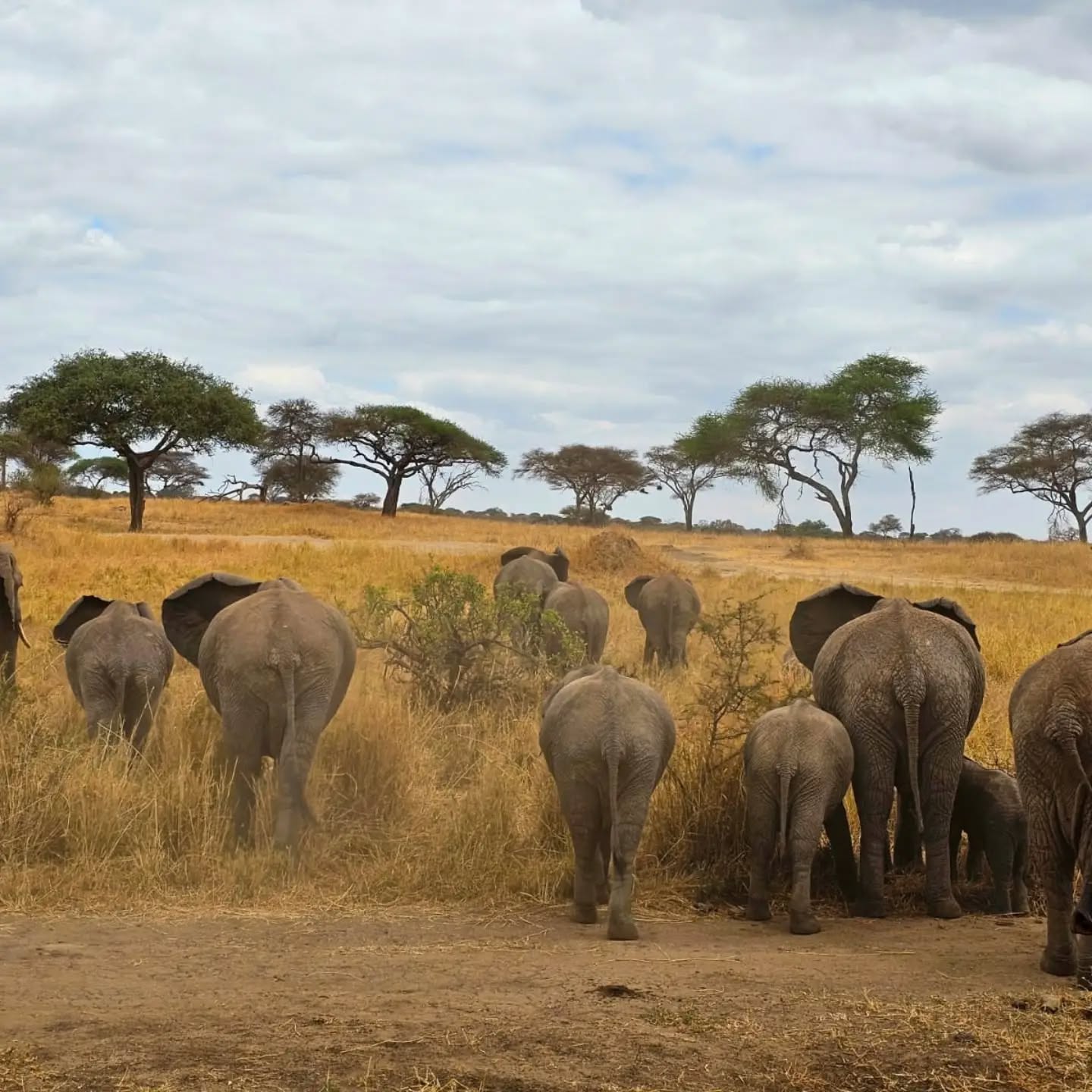
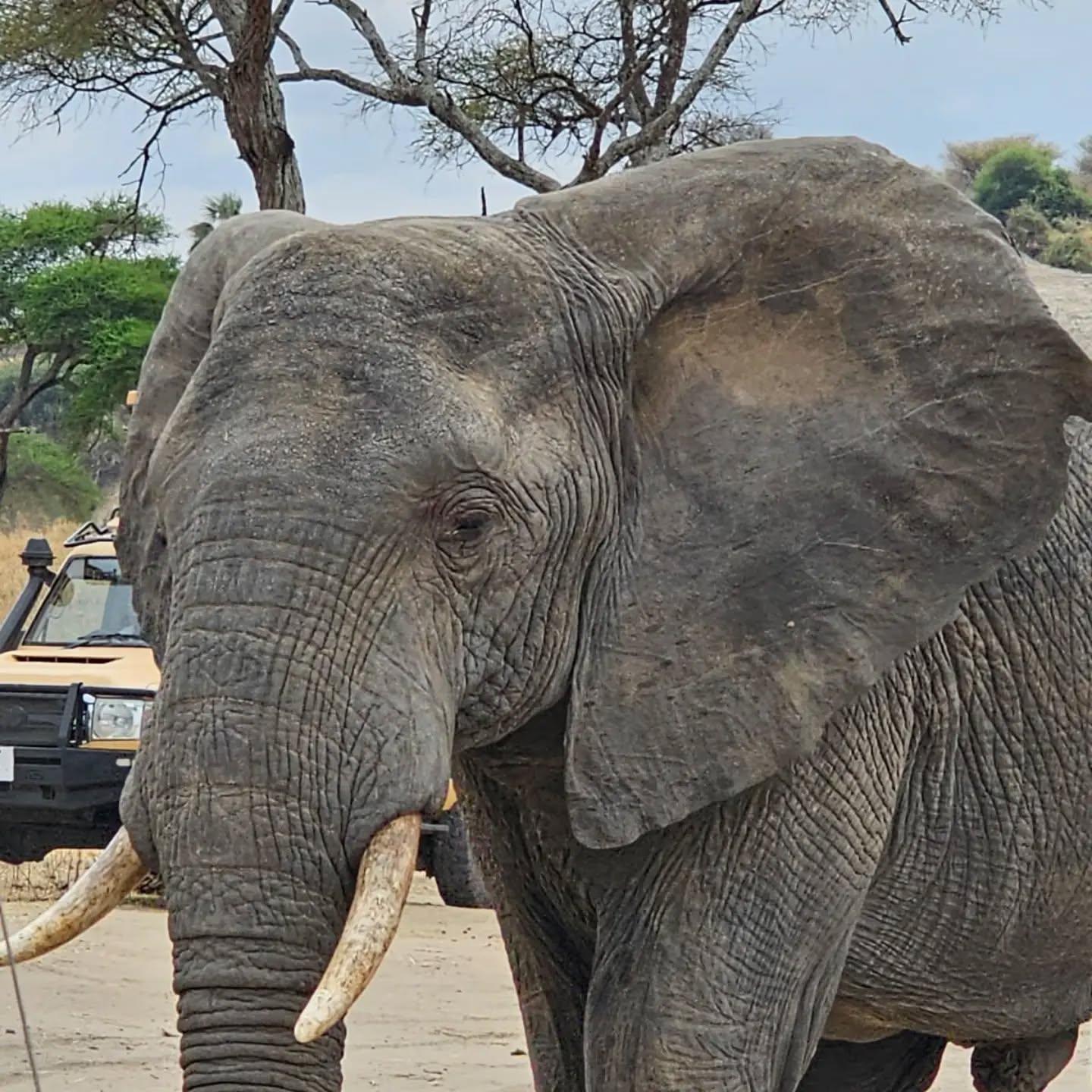
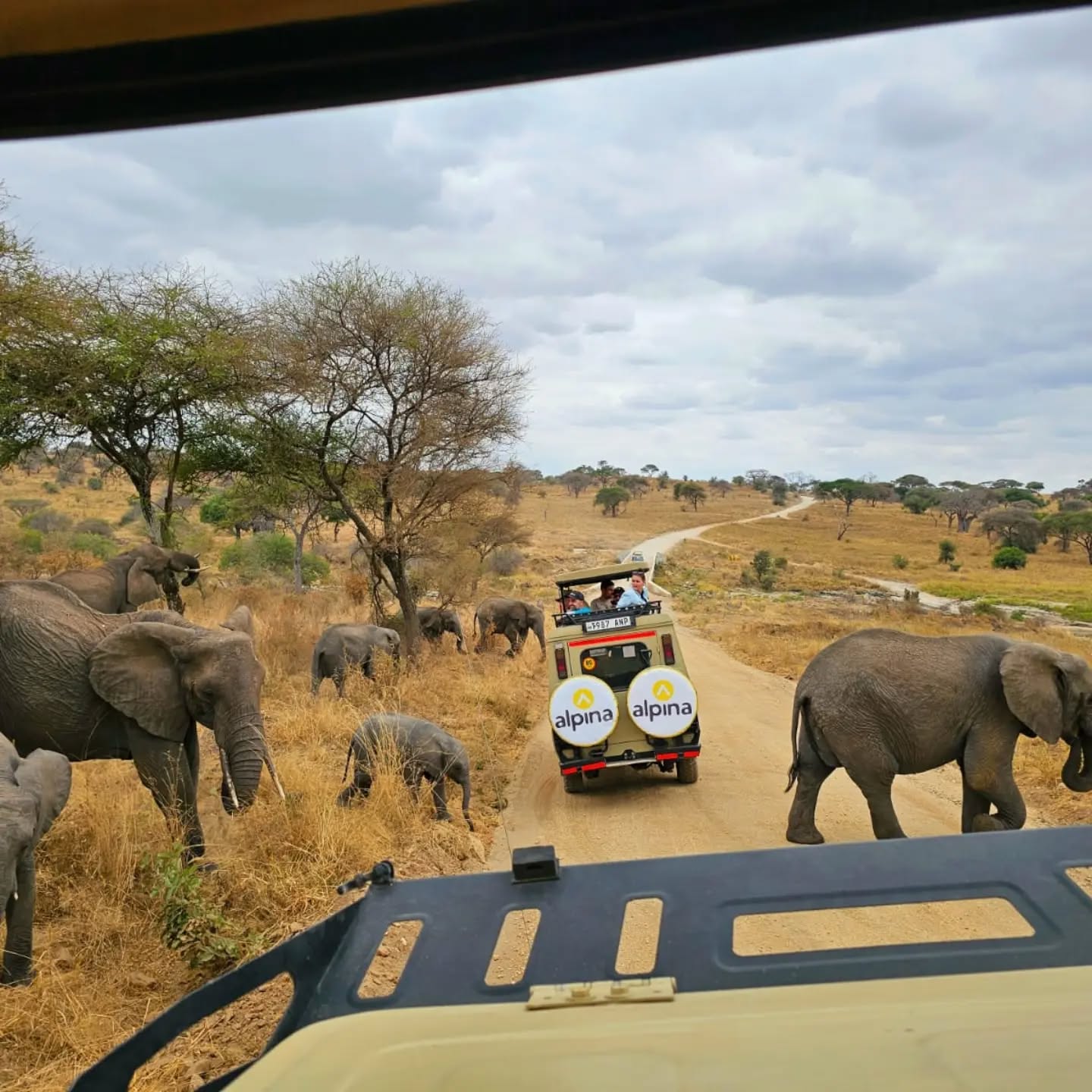
Tarangire National Park is one of Tanzania's well-known safari destinations, recognized for its diverse wildlife, scenic landscapes and large concentrations of elephants, particularly during the dry season.
The development of additional tourism infrastructure such as Lemiyoni Gate can help strengthen the park's tourism value chain while creating opportunities for businesses and service providers operating in surrounding communities.
Strengthening Conservation and Community Partnerships
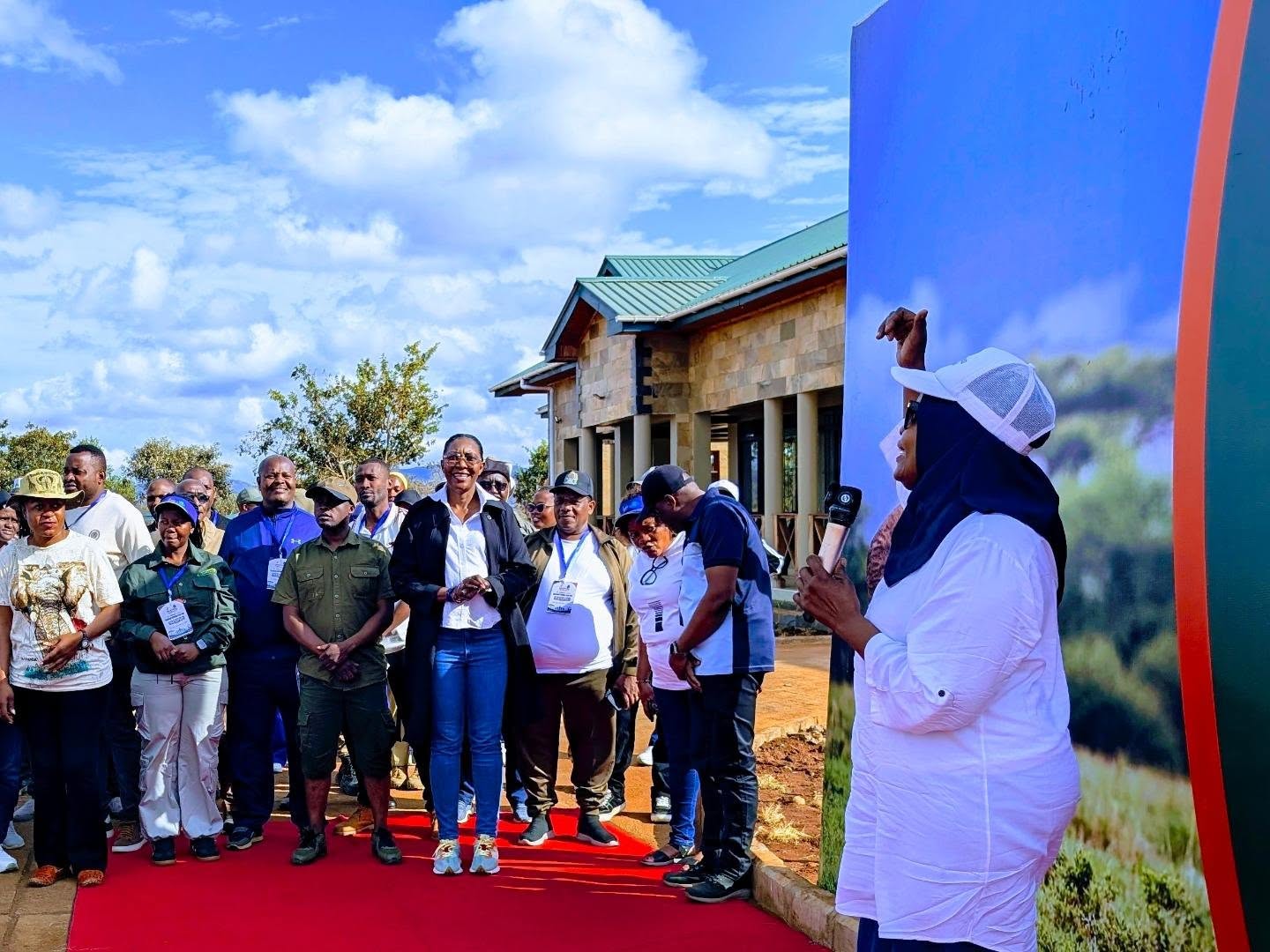
Beyond tourism, the establishment of Lemiyoni Gate represents an effort to strengthen cooperation between Tarangire National Park and Randilen Wildlife Management Area.
Wildlife Management Areas play an important role in Tanzania's broader conservation landscape by providing a framework through which local communities can participate in wildlife conservation and benefit from sustainable use of natural resources.
Closer cooperation between the national park and neighbouring conservation areas can support coordinated conservation efforts while strengthening relationships between park management and communities living around protected areas.
The initiative is therefore expected to contribute to both conservation objectives and local economic opportunities by linking tourism activities with communities surrounding Tarangire.
Opportunities Along the Tourism Value Chain
The opening of Lemiyoni Gate is also expected to generate opportunities across the local tourism value chain.
Tour operators, guides, accommodation providers, transport operators, community-based businesses and other tourism stakeholders could benefit from increased tourism activity and improved access to the area.
For visitors, the additional gateway could provide another access point to explore Tarangire's wildlife and landscapes while supporting the park's efforts to improve visitor services.
The development also comes at a time when Tanzania continues to strengthen its tourism infrastructure and promote diverse tourism experiences across the country.
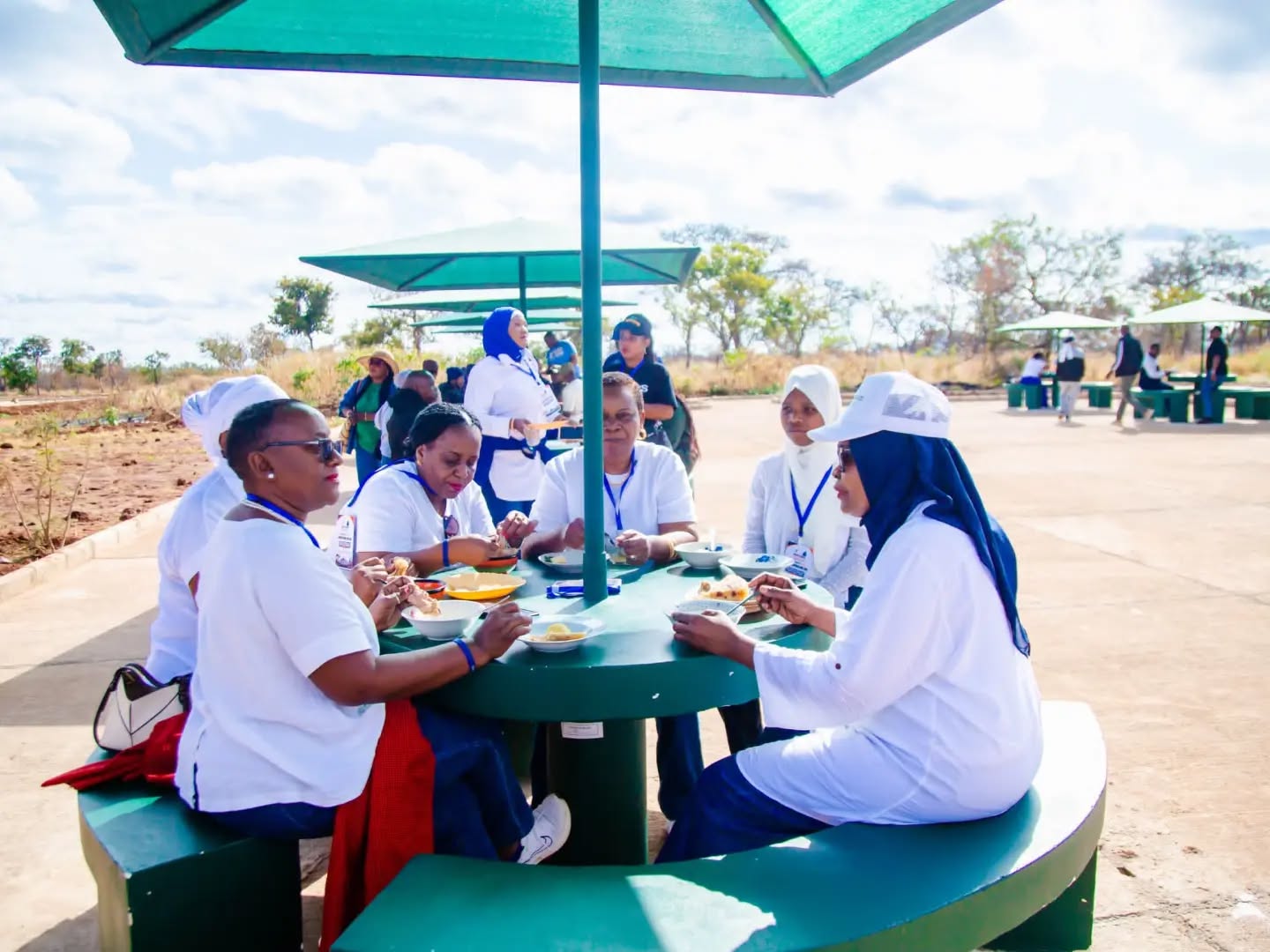
The occasion will provide tourism stakeholders with an opportunity to witness the new development, engage with conservation authorities and community representatives, and learn more about the opportunities associated with the new gateway.
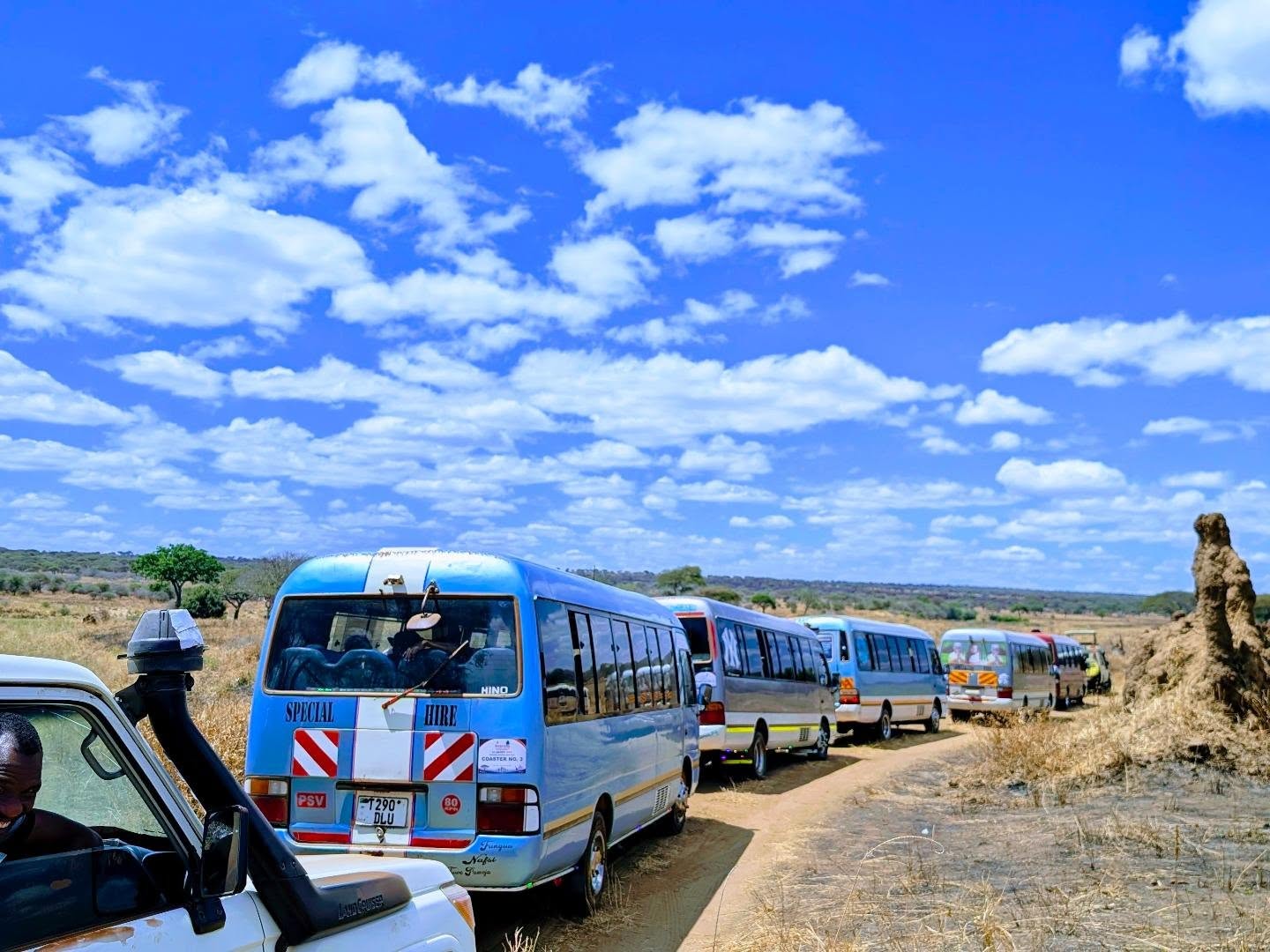
Tourism operators in the area are encouraged to make their own arrangements to attend the event at Lemiyoni Gate.
Event Details
Event: Official Opening of Lemiyoni Gate
Date: 26 September 2026
Time: 8:00 a.m.
Venue: Lemiyoni Gate, Tarangire National Park
Partners: Tarangire National Park and Randilen Wildlife Management Area (WMA)
The opening of Lemiyoni Gate is expected to further strengthen the connection between conservation, tourism and community development, while adding another gateway to one of Tanzania's important wildlife destinations.
As Tanzania continues to develop its tourism sector, initiatives that combine improved visitor access, wildlife conservation and community participation remain important in ensuring that tourism benefits extend across the wider destination value chain.