
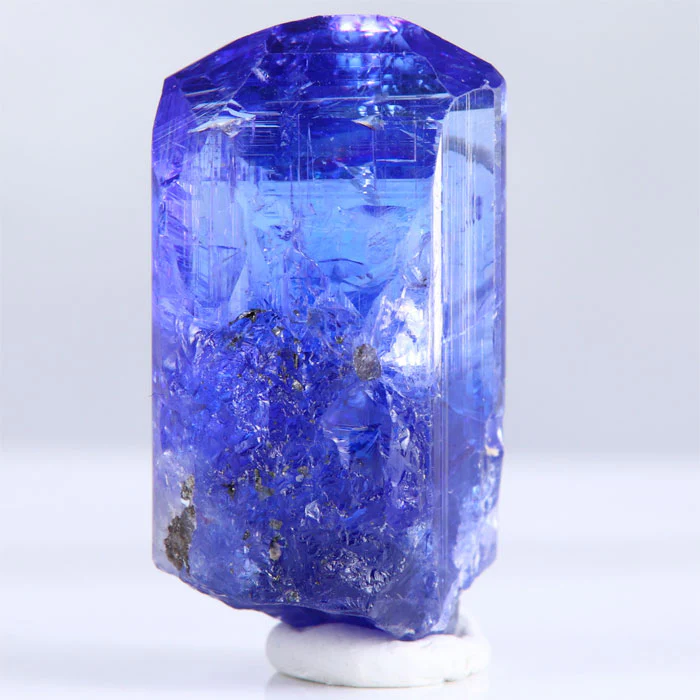
Tanzania is globally renowned for its gemstone wealth, most notably Tanzanite — a rare blue-violet gemstone found only in Mererani Hills near Mount Kilimanjaro. This exclusive geological gift has positioned Tanzania as a significant contributor to the international gemstone industry.
Tanzanite’s rarity and distinctive colour spectrum make it one of the world’s most desirable gemstones, used in luxury jewellery and valued by collectors and investors alike. Its discovery in Tanzania remains a point of national pride and economic importance.
Mining activities in the Mererani Hills region support local employment and community development. Responsible mining practices and regulatory frameworks aim to improve safety and sustainability within the gemstone sector.
Tanzanite extraction occurs in a limited geographical area, enhancing its scarcity and global appeal. Efforts to formalise mining operations contribute to economic growth while safeguarding environmental and social standards.
Tanzanite in Jewellery and Global Markets
Tanzanite is highly valued in fine jewellery for its vibrant blue and violet hues. Designers incorporate the gemstone into rings, necklaces, and earrings, creating luxury pieces that reflect Tanzania’s natural heritage.
Global demand for Tanzanite continues to grow due to its exclusivity and aesthetic appeal. Jewellery featuring Tanzanite serves as both an artistic expression and a connection to Tanzania’s geological legacy.
Tanzania’s Natural Heritage
Tanzanite represents more than a precious gemstone; it symbolises Tanzania’s geological diversity and contribution to global natural resources. The gemstone industry supports economic opportunities while showcasing the country’s unique mineral wealth.
Visitors to Tanzania can explore gemstone markets and jewellery outlets, gaining insight into the craftsmanship and heritage associated with Tanzanite.
For travellers and collectors, Tanzanite offers a lasting reminder of Tanzania’s natural treasures and cultural identity