
Tanzania is preparing to enter a new era of luxury and sports tourism following the upcoming launch of an international-standard golf course near the world-famous Serengeti National Park, a project expected to transform the country’s tourism landscape while strengthening conservation and local economic development.
The new championship golf facility, located at Fort Ikoma on the outskirts of the Serengeti ecosystem, will officially open on May 28, 2026 under the management of the Tanzania National Parks Authority (TANAPA). The project represents one of Tanzania’s most ambitious tourism diversification investments in recent years, introducing golf tourism into one of Africa’s most iconic wildlife destinations.
Designed as an 18-hole international championship course with a par 72 layout, the golf course stretches approximately 7.1 kilometers (7,761 yards), placing it among the longest and most technically challenging golf courses in the region. Built across 450 acres, the development has been carefully integrated into the natural environment to allow visitors to enjoy both professional-level golfing experiences and the breathtaking scenery of the Serengeti landscape.
Tourism officials believe the project will strengthen Tanzania’s position in the growing global luxury tourism market by attracting high-end travelers, international golf enthusiasts, investors, and sports tourism operators seeking unique safari and leisure experiences.
Unlike traditional tourism products centered mainly on wildlife viewing, the new facility introduces a broader travel experience that combines nature, recreation, hospitality, and sports tourism. Authorities say the project aligns with Tanzania’s long-term strategy to diversify tourism offerings and increase visitor spending while encouraging longer tourist stays.
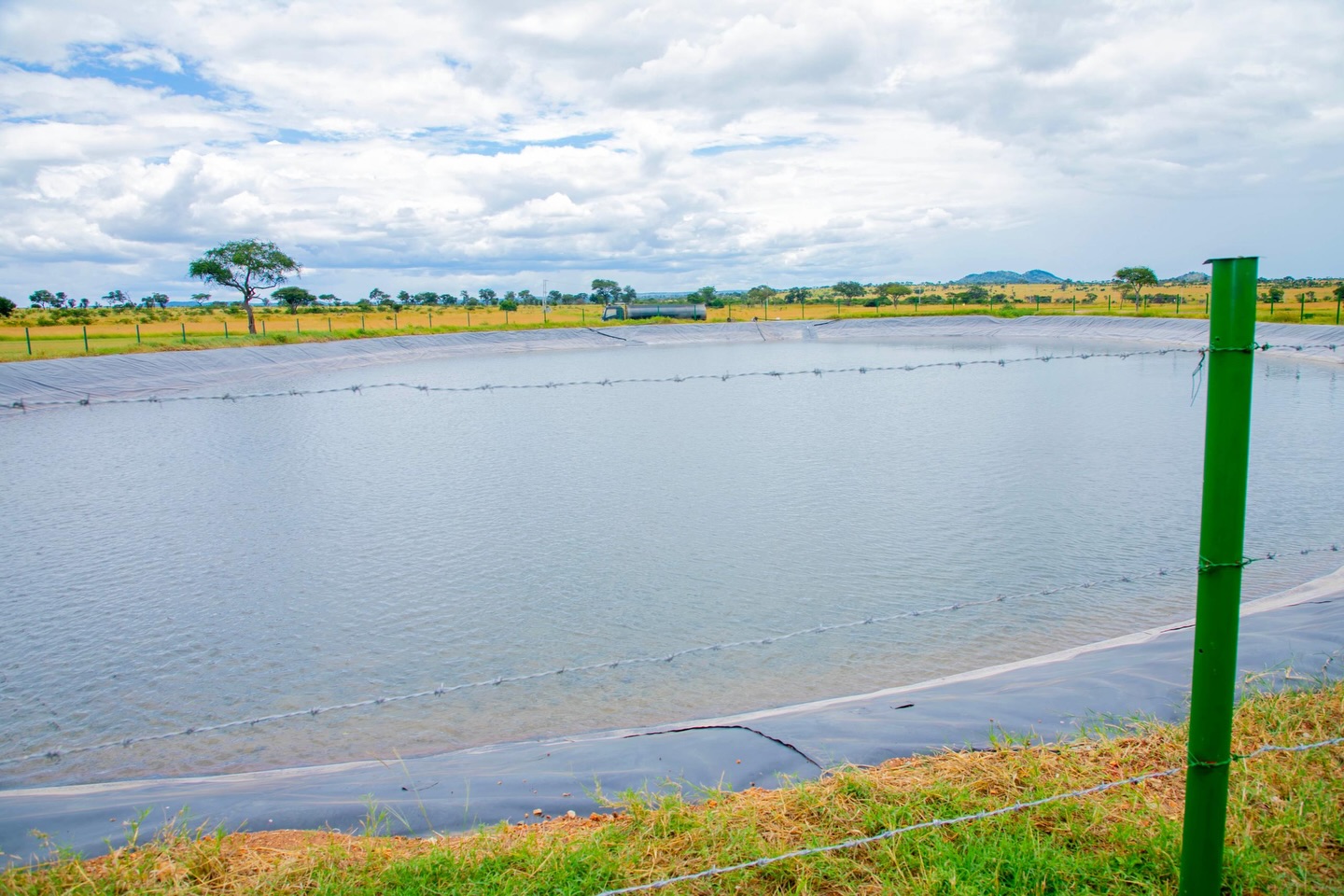
According to TANAPA, the golf course has been developed under strict environmental and sustainability guidelines to ensure that tourism growth supports conservation efforts rather than threatening the fragile Serengeti ecosystem. The project incorporates environmentally responsible land management, water conservation systems, and ecosystem-sensitive infrastructure planning aimed at protecting wildlife habitats and surrounding biodiversity.
Beyond tourism growth, the development is also expected to generate substantial economic opportunities for surrounding communities. Hundreds of direct and indirect jobs are anticipated through golf operations, hospitality services, landscaping, irrigation systems, maintenance, transport, security, administration, and tourism-related enterprises.
Local farmers, artisans, youth groups, and women-led businesses are also expected to benefit from increased demand for food supplies, handicrafts, transport services, accommodation support, and cultural tourism activities linked to the golf destination.
TANAPA has emphasized that surrounding communities will receive priority consideration for employment and business opportunities based on skills and qualifications, reinforcing Tanzania’s broader commitment to ensuring that conservation and tourism investments directly benefit local populations.
The Fort Ikoma golf project also reflects a wider national vision to position Tanzania as a premium destination for niche tourism markets including sports tourism, wellness tourism, luxury safaris, conferences, and eco-tourism experiences.
As global tourism trends continue shifting toward experiential and high-value travel, Tanzania is increasingly investing in innovative tourism products that combine world-class leisure experiences with conservation-driven economic growth.
The development marks another important milestone in Tanzania’s ambition to elevate its global tourism competitiveness while preserving the internationally recognized natural heritage of the Serengeti ecosystem.