TANZANIA STRENGTHENS TOURISM AND CONSERVATION STRATEGY FOR A NEW ERA OF GROWTH
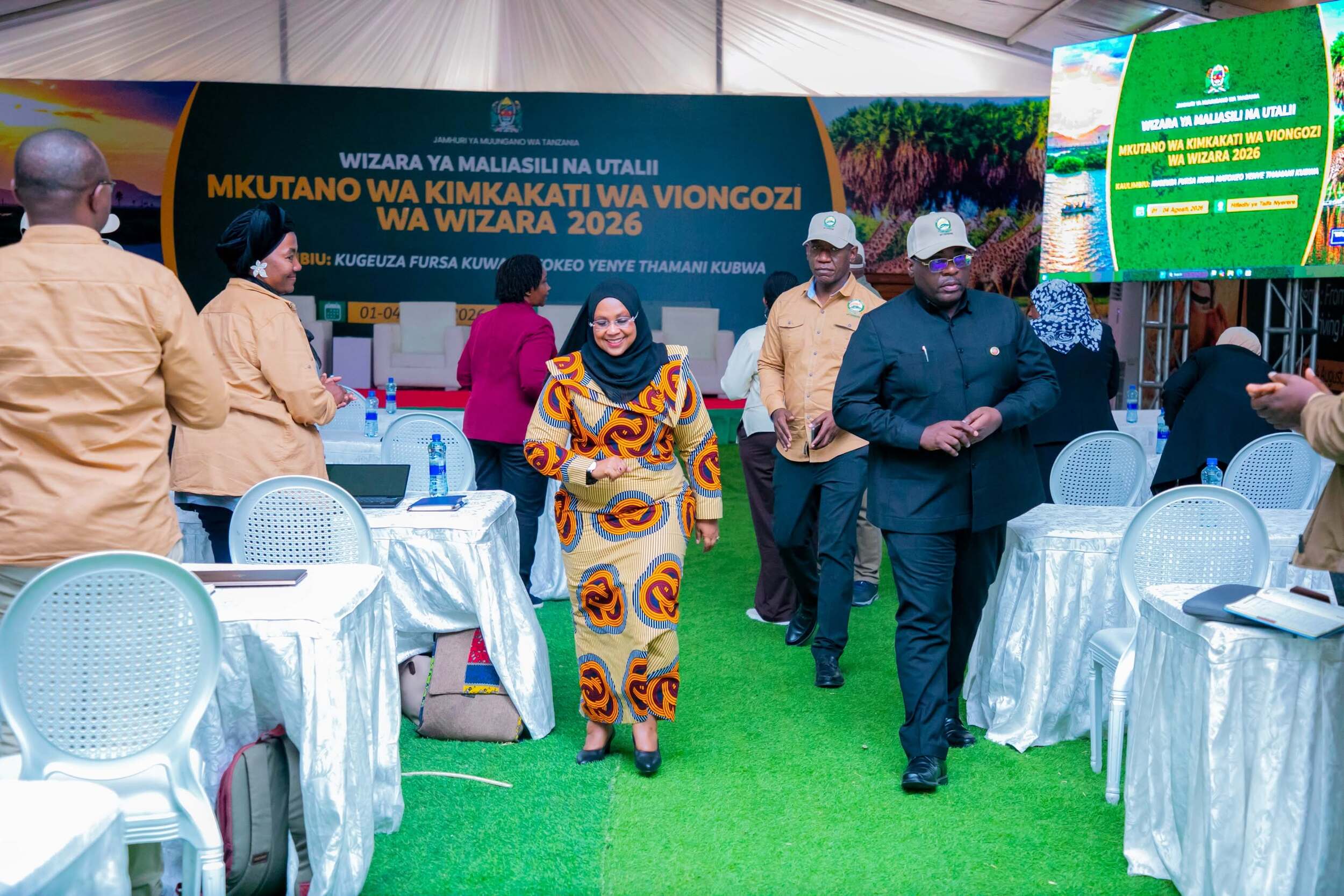
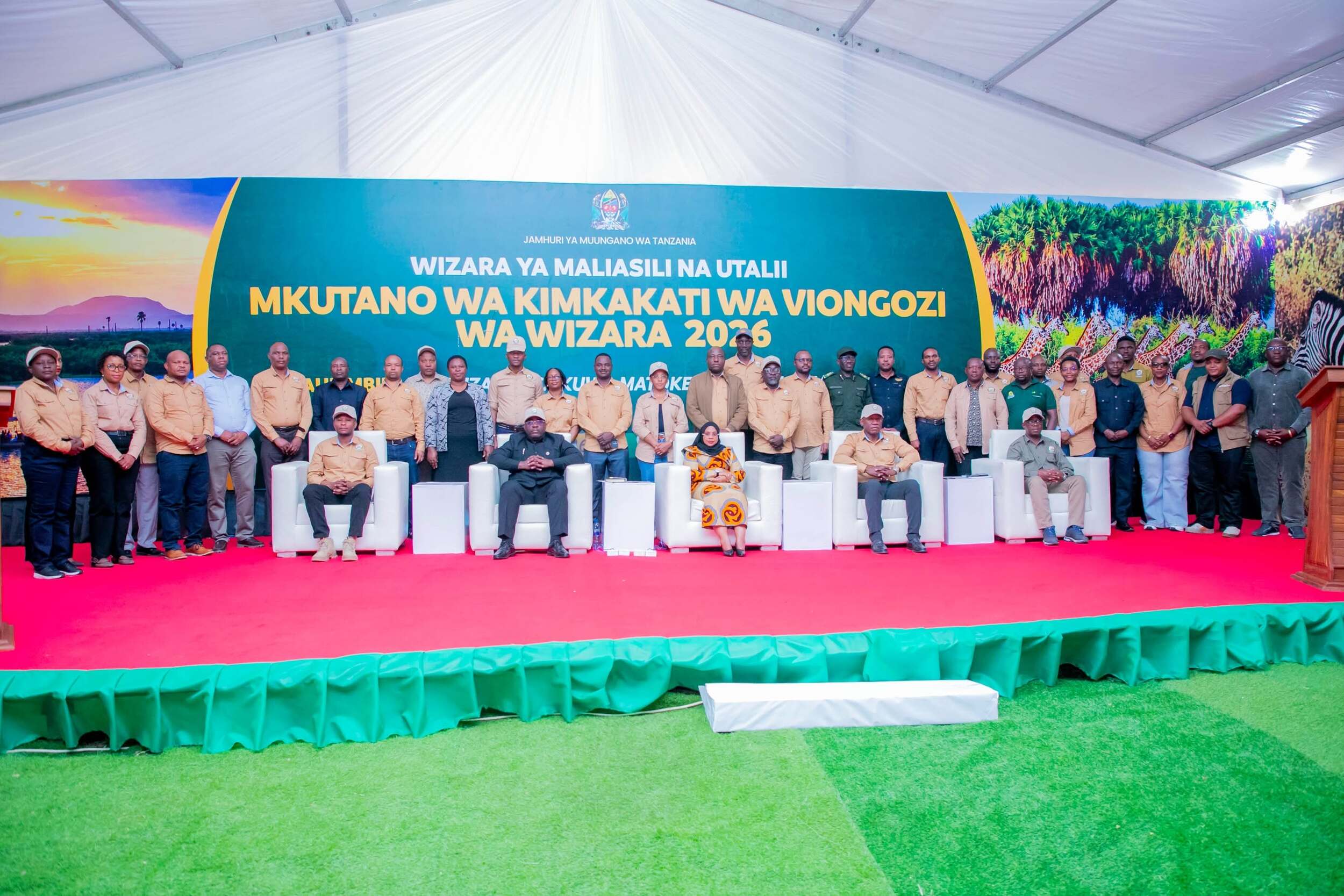
Nyerere National Park, Tanzania – Tanzania has reaffirmed its commitment to becoming one of Africa's leading tourism destinations by launching a high-level strategic leadership summit aimed at shaping the future of the country's tourism and conservation sectors.
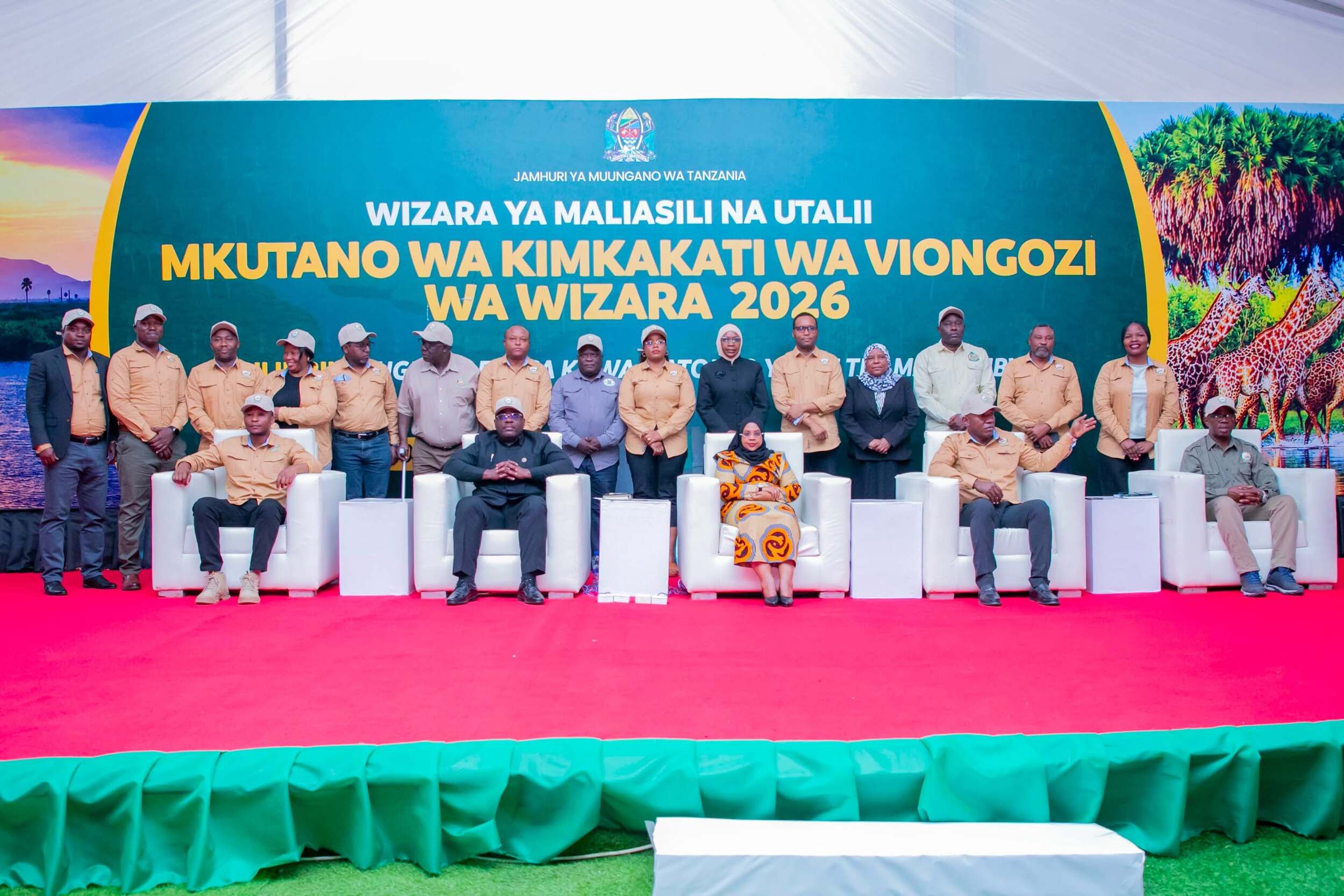
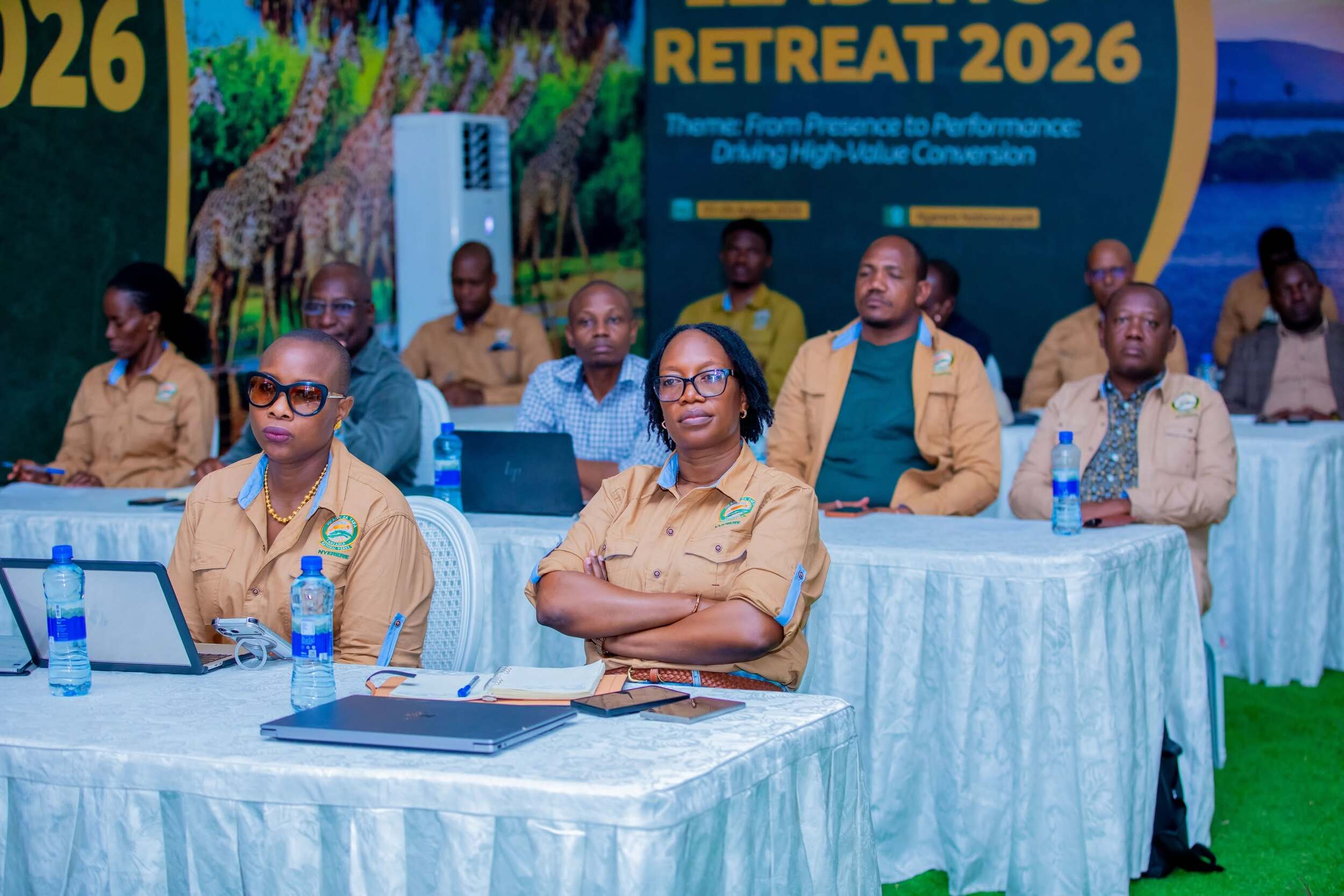
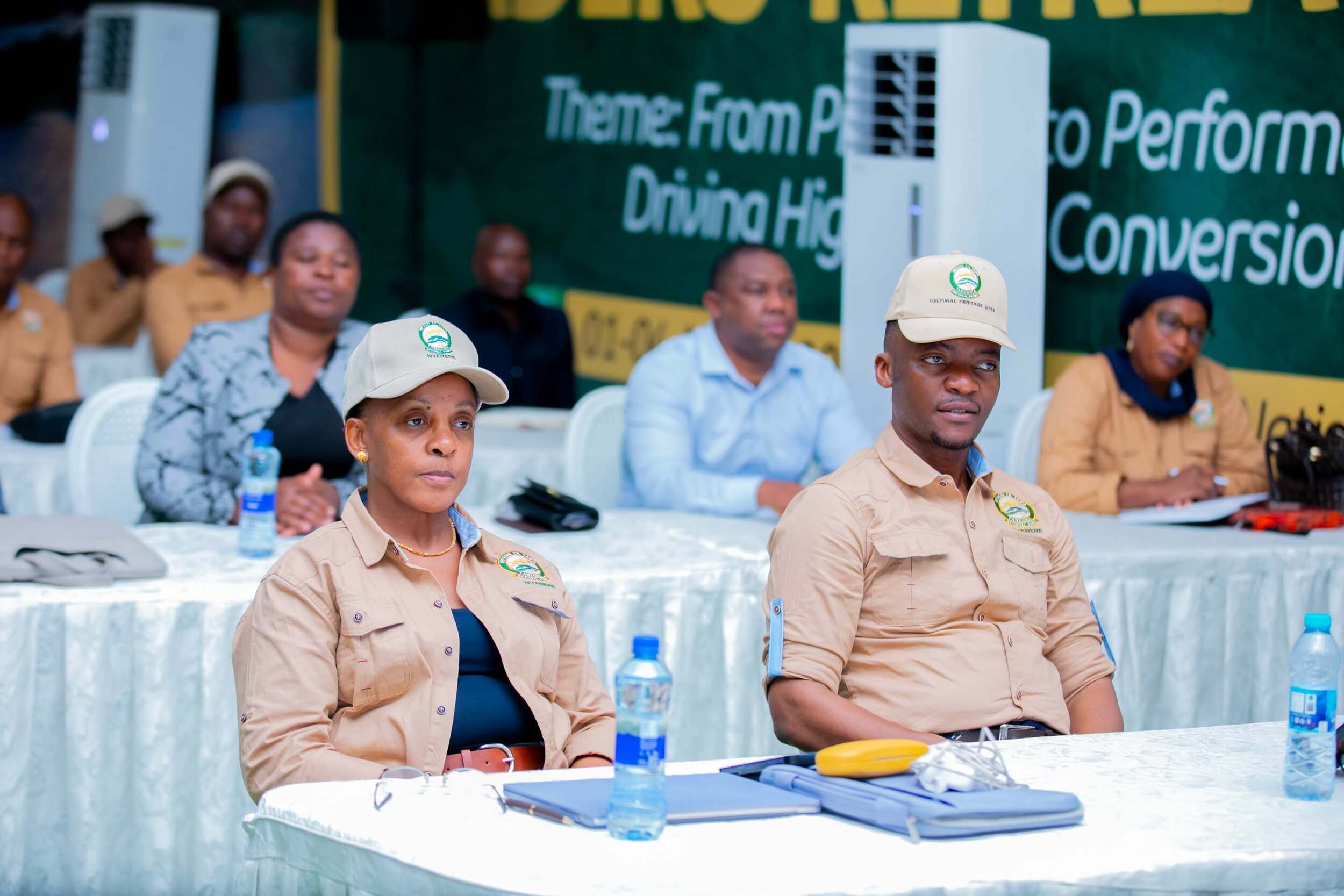
The 2026 Strategic Leadership Summit of the Ministry of Natural Resources and Tourism has brought together senior government officials, conservation leaders, tourism institutions, and experts to review achievements and develop priorities for the 2026/2027 financial year.
Held in the iconic Nyerere National Park, the three-day meeting focuses on strengthening conservation, enhancing tourism competitiveness, increasing investment opportunities, and accelerating sustainable sector growth.
Driving the Future of Tanzania's Tourism
The summit provides a platform for ministry leaders to evaluate ongoing programmes while identifying innovative approaches that will support Tanzania's long-term tourism ambitions.
Key discussions focus on expanding high-value tourism products, improving visitor experiences, strengthening destination marketing, and increasing tourism's contribution to national economic development.
The meeting also aligns with Tanzania's broader vision of attracting more international visitors while ensuring tourism growth remains environmentally sustainable and socially inclusive.
Innovation and Technology at the Centre
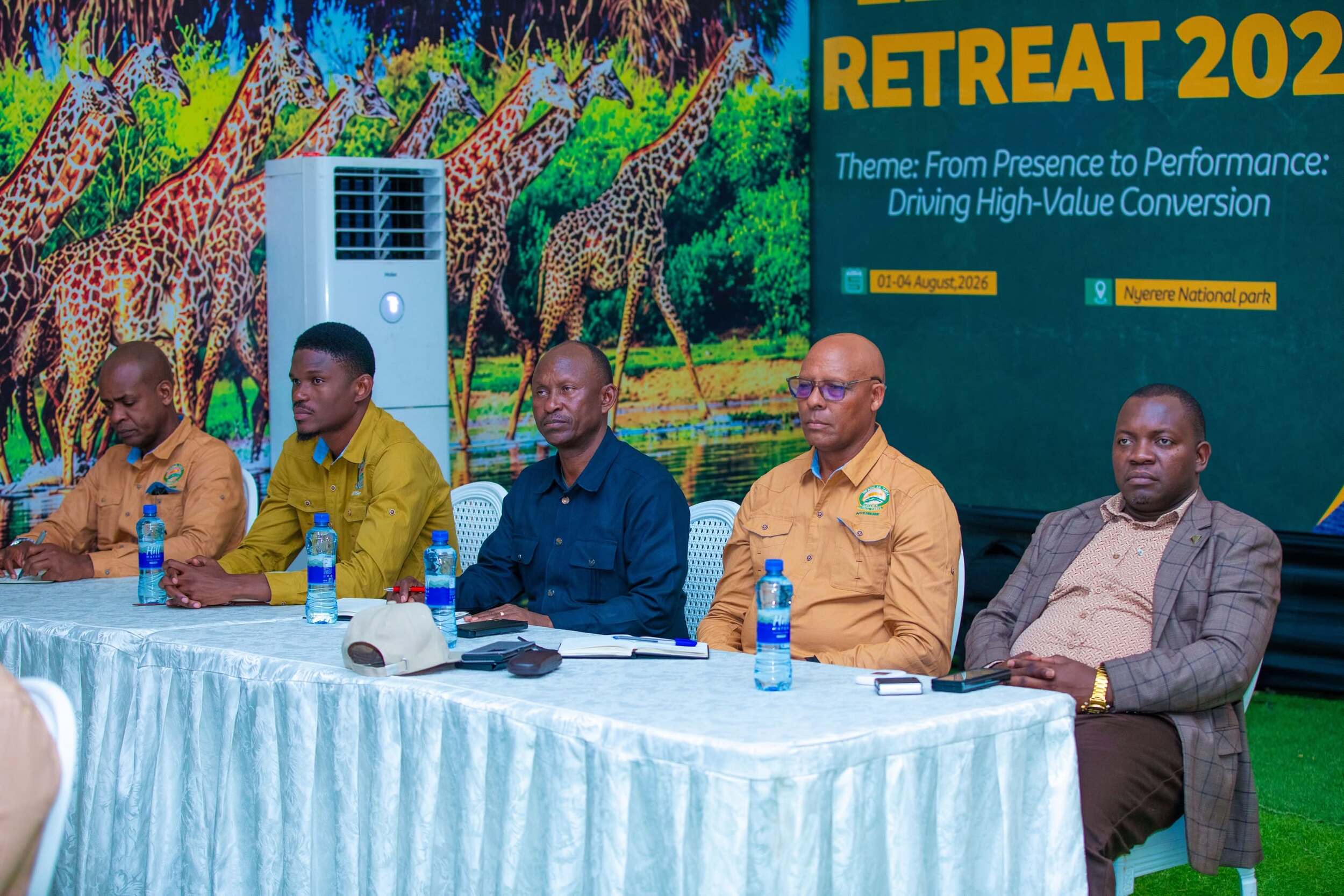
A major theme of the summit is the integration of science, technology, research, and innovation into conservation management.
Leaders emphasized that modern conservation requires data-driven decision-making, digital technologies, and scientific research to effectively protect wildlife, biodiversity, forests, and other natural resources while supporting sustainable tourism.
Technology is also expected to improve visitor services, park management, environmental monitoring, and operational efficiency across the sector.
Communities as Partners in Conservation
Participants highlighted the importance of strengthening partnerships with local communities living near protected areas.
Community participation remains a key pillar of Tanzania's conservation strategy, ensuring that people benefit from tourism while actively contributing to the protection of natural resources.
By creating employment opportunities, supporting local enterprises, and promoting community-based tourism, Tanzania aims to build a conservation model that delivers shared economic and environmental benefits.
Creating a Competitive Tourism Destination
The summit also explored strategies for increasing Tanzania's global competitiveness by diversifying tourism products beyond traditional wildlife safaris.
Discussions included opportunities to expand cultural tourism, sports tourism, marine and blue tourism, adventure travel, heritage tourism, conference tourism (MICE), and eco-tourism to attract a wider range of international and domestic travellers.
Improving service quality, investing in tourism infrastructure, and strengthening collaboration with the private sector were identified as key priorities for sustaining long-term growth.
Strengthening Partnerships and Investment
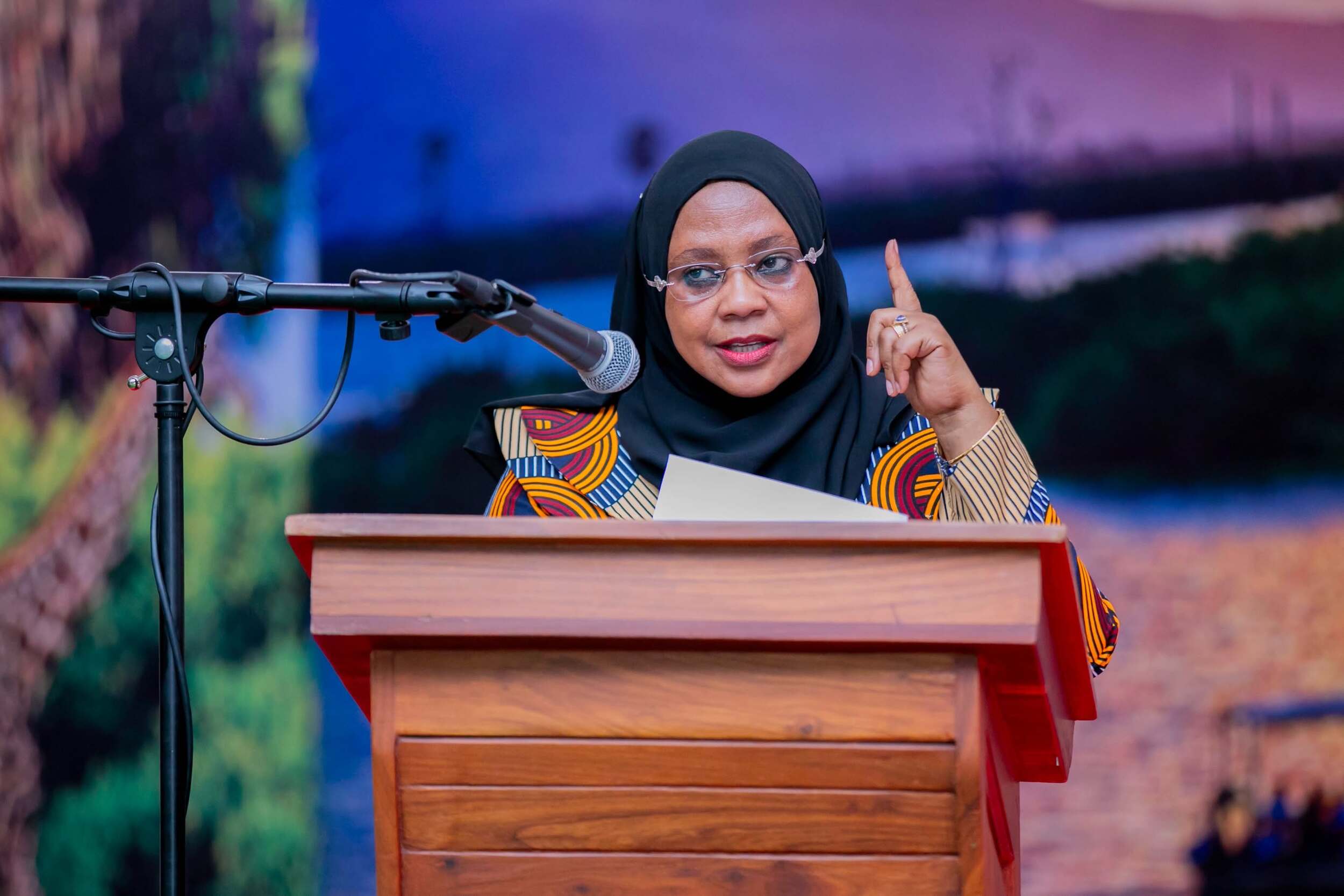
Government leaders emphasized the importance of attracting strategic investment while fostering closer collaboration with private sector stakeholders, development partners, and tourism operators.
Such partnerships are expected to accelerate infrastructure development, improve tourism services, create jobs, and increase the sector's contribution to Tanzania's economy.
Enhancing institutional performance and strengthening communication were also highlighted as essential for effectively promoting Tanzania's tourism opportunities to global markets.
Building a Sustainable Tourism Future
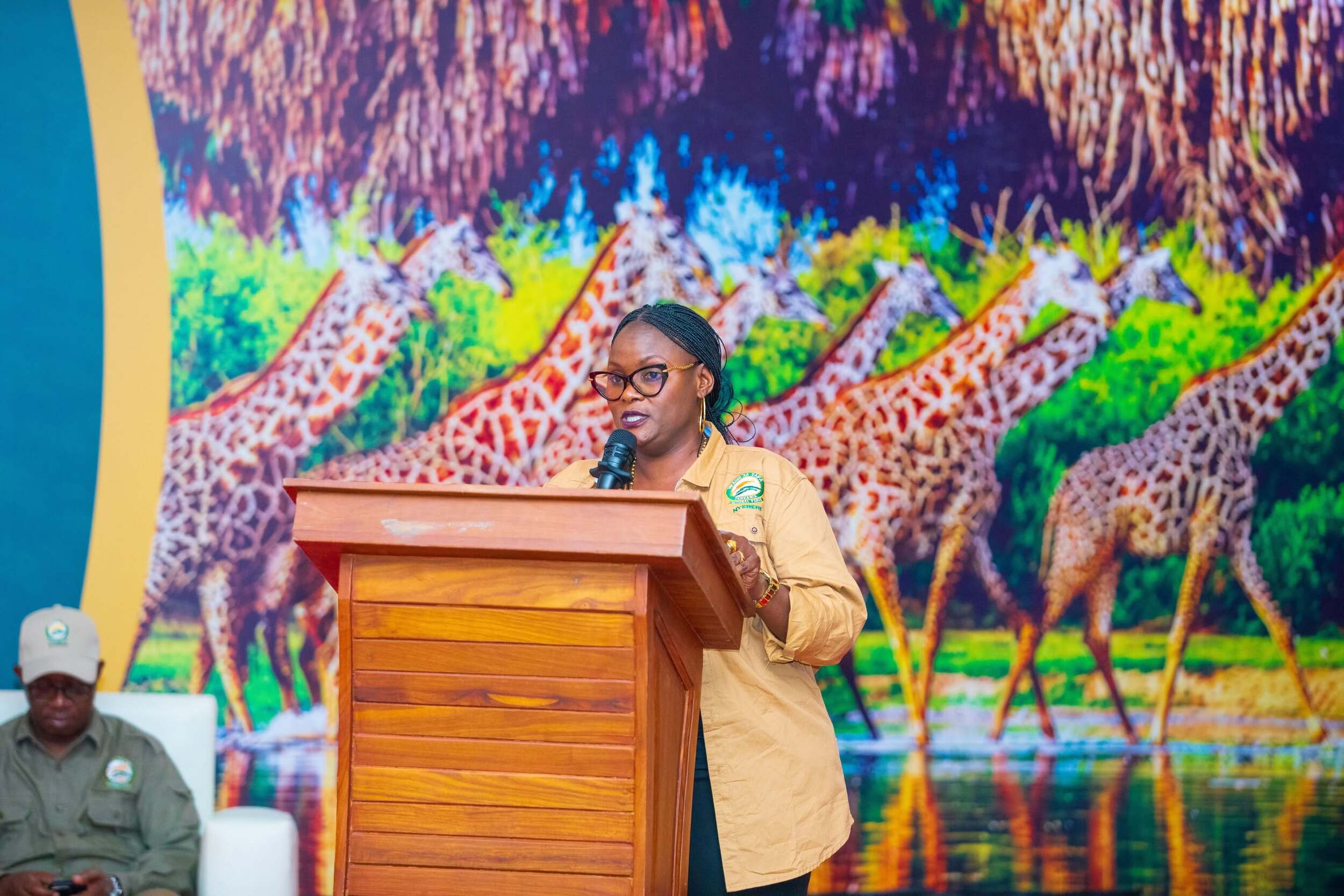
Hosted in one of Africa's largest protected areas, the summit reflects Tanzania's continued commitment to balancing conservation with economic development.
As global demand for authentic and sustainable travel experiences continues to grow, Tanzania is positioning itself to capitalize on its exceptional wildlife, cultural heritage, pristine landscapes, and world-class tourism attractions.
The outcomes of the Strategic Leadership Summit are expected to guide policy implementation throughout the 2026/27 financial year, supporting the country's vision of building a resilient, innovative, and globally competitive tourism industry that benefits both people and nature.