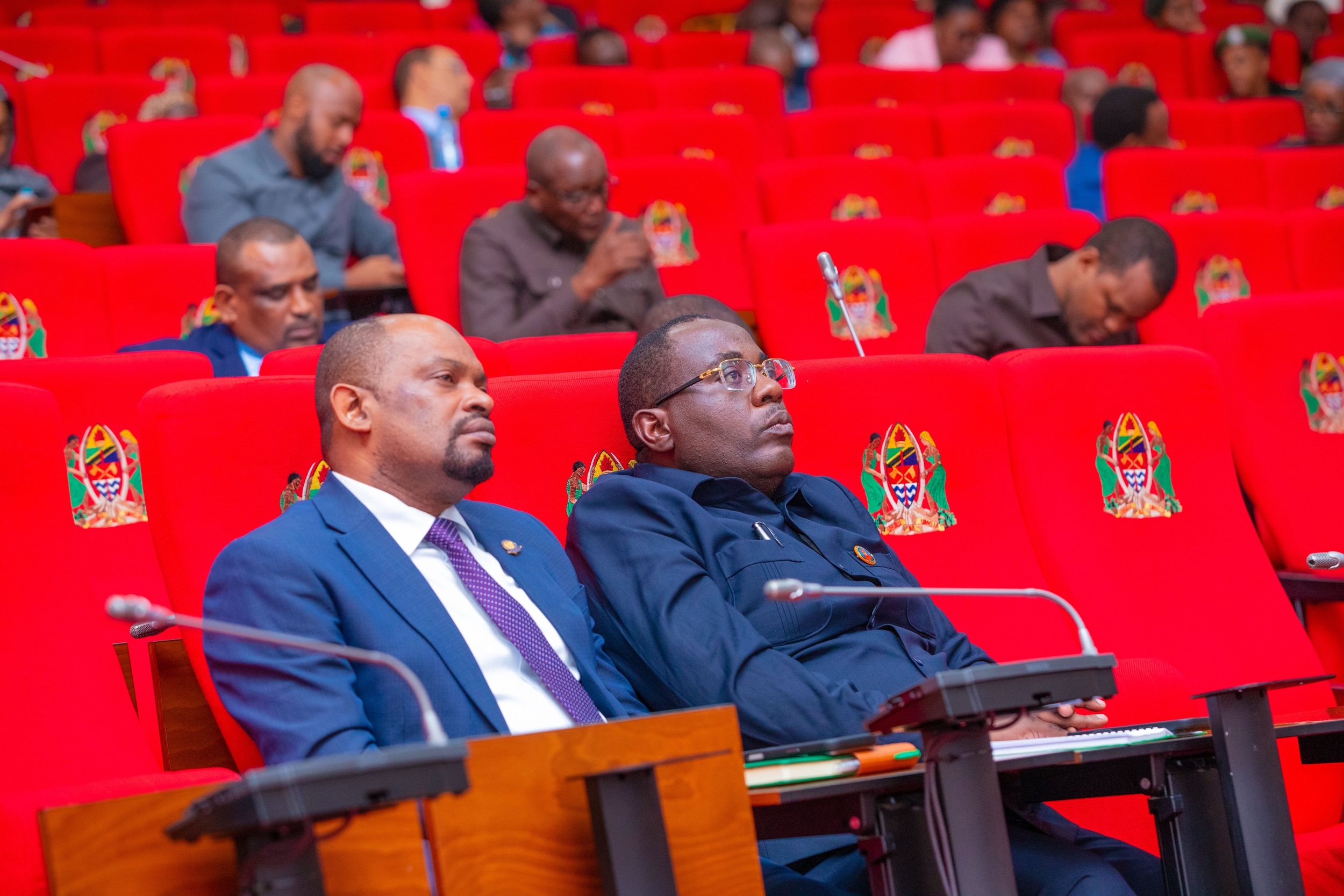
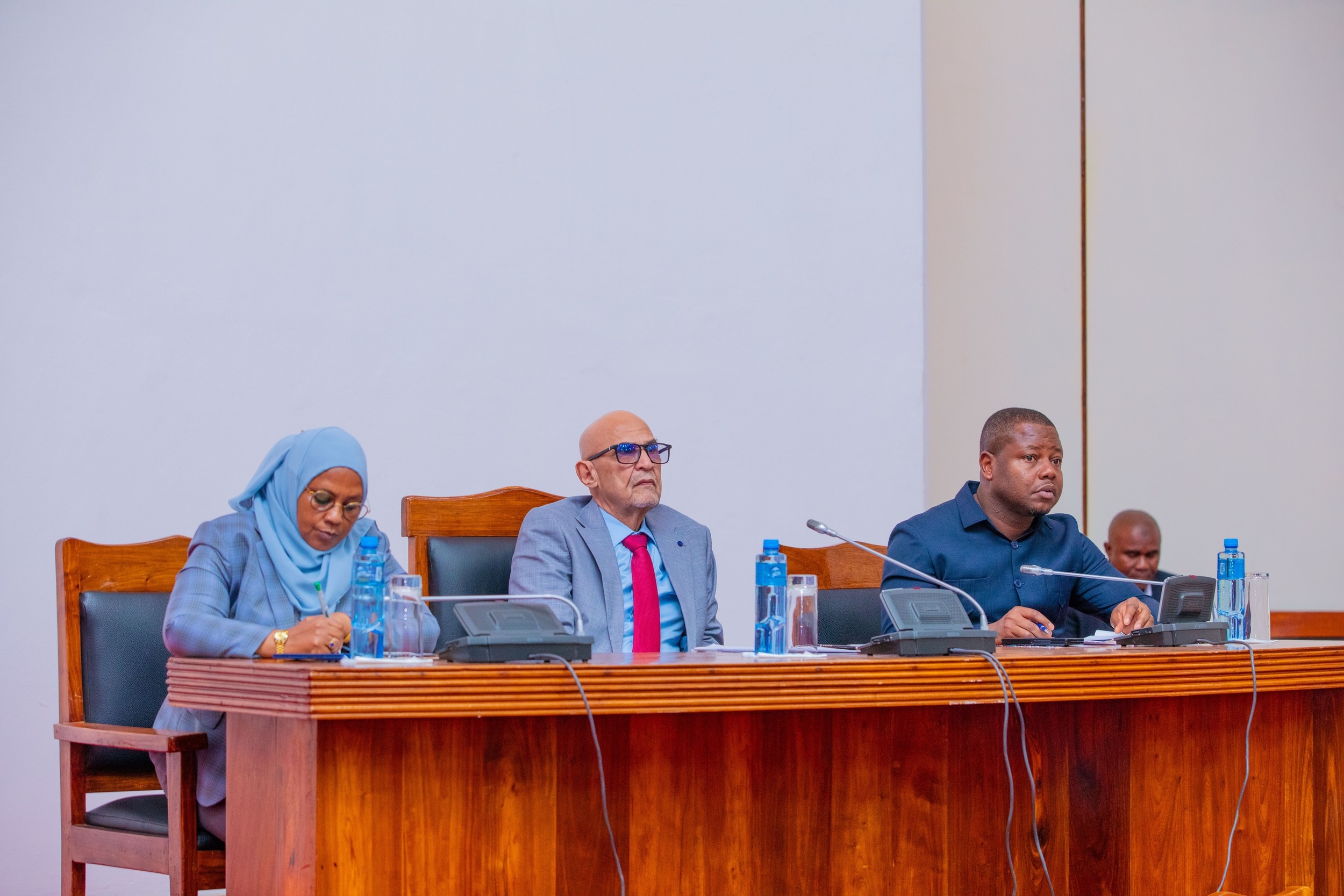
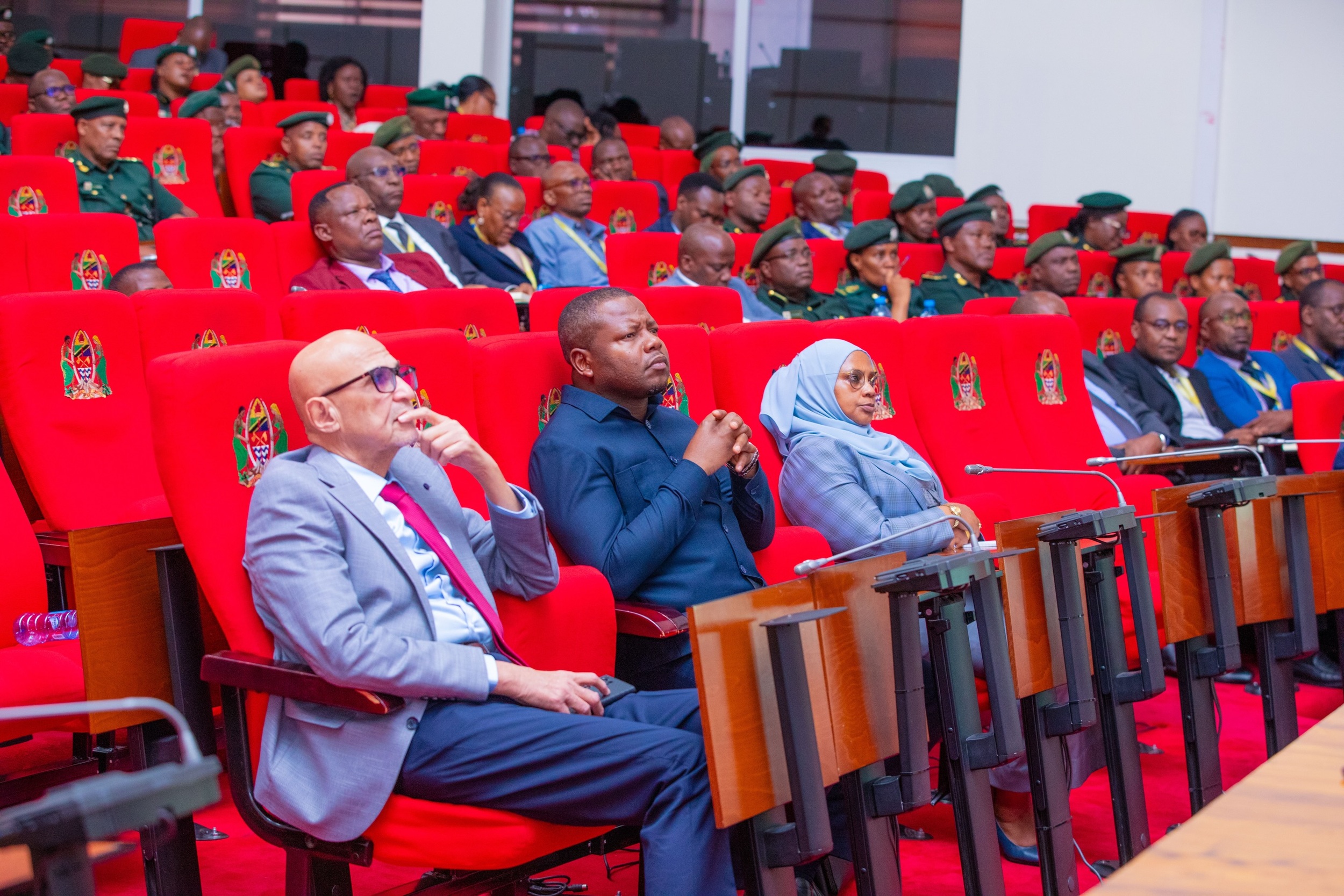
Dodoma : The Government of Tanzania, through the Ministry of Natural Resources and Tourism, has continued to strengthen nationwide strategies aimed at reducing conflicts between humans and dangerous wildlife while protecting conservation areas and surrounding communities.
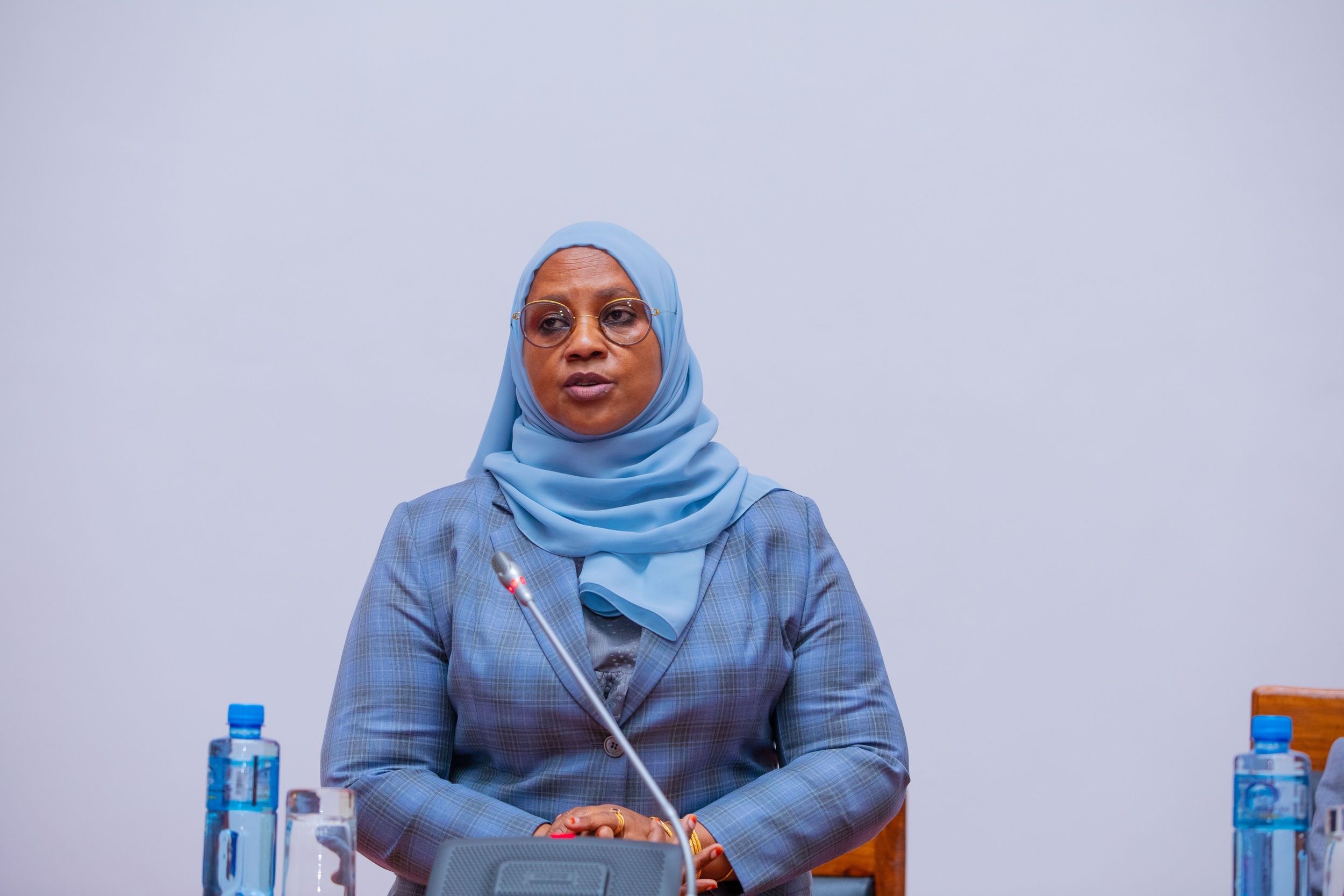
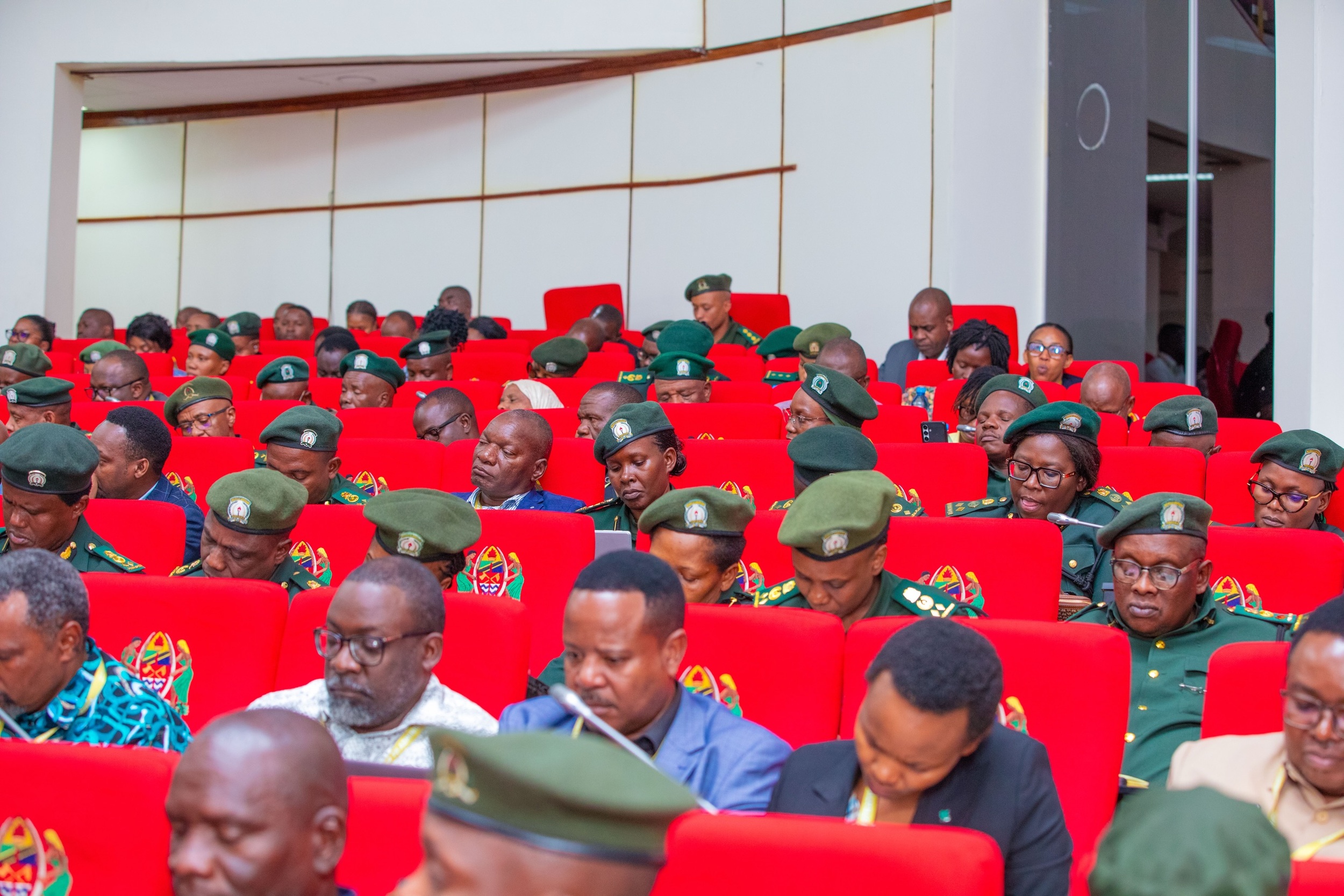
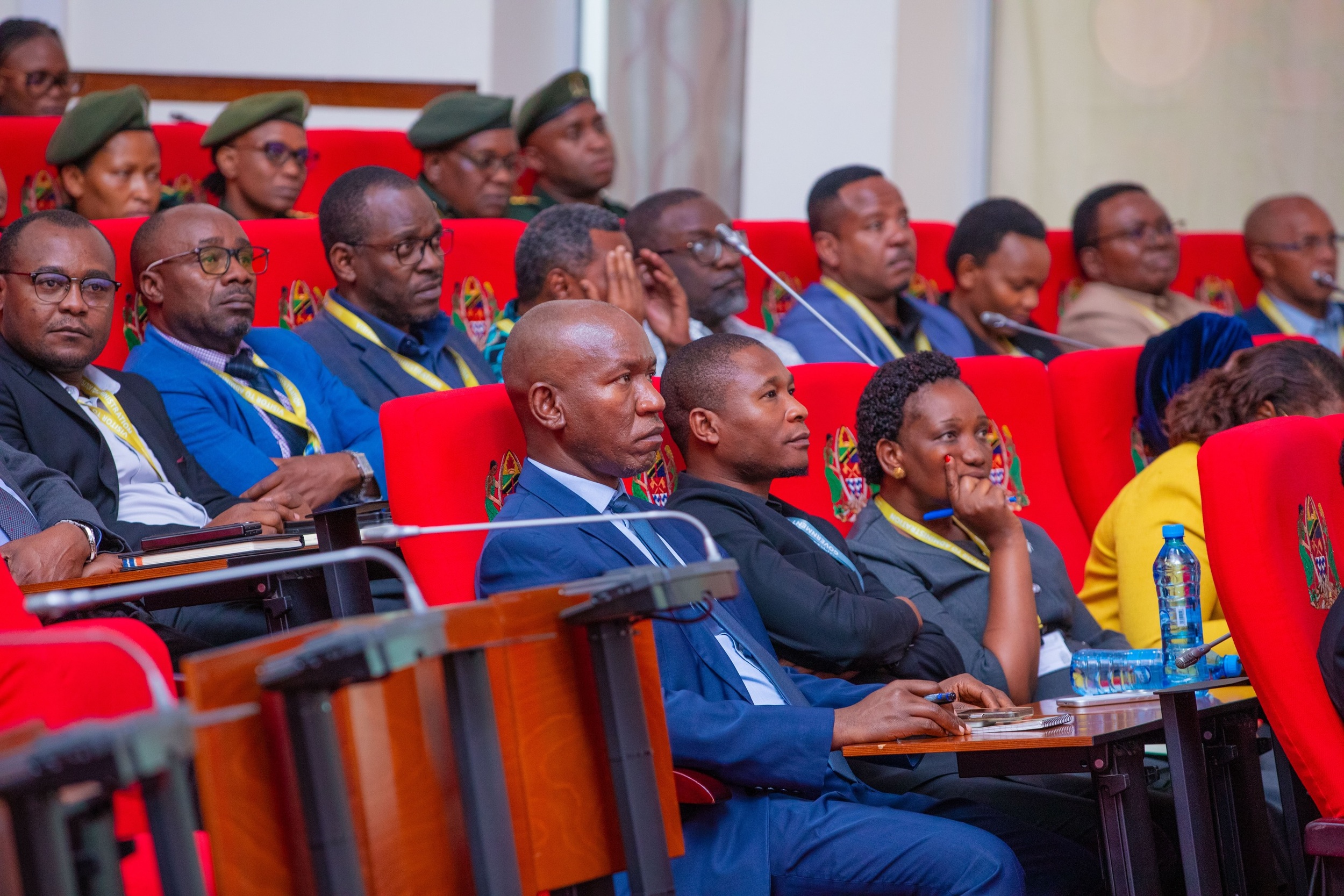
The latest measures were highlighted during a special seminar for Members of Parliament held in Dodoma on May 12, 2026, under the leadership of Mussa Azzan Zungu.
The seminar focused on ongoing conservation initiatives and modern approaches being implemented to address increasing interactions between communities and wild animals, particularly elephants, crocodiles, hippos, and other destructive wildlife species affecting villages near protected areas.
Modern Technologies Introduced to Reduce Human-Wildlife Conflict
During the seminar, the Ministry outlined several strategic interventions already being implemented across the country to improve wildlife control and strengthen community safety.
Among the key strategies discussed were:
- Strengthening ranger and reserve protection units
- Increasing wildlife patrol operations
- Expanding the use of modern conservation technologies
- Using beehive fences to deter elephants
- Deploying sound-wave equipment and pepper-based deterrent systems
- Constructing crocodile barriers and control infrastructure
- Developing water ponds inside protected areas to reduce wildlife migration into villages
- Installing electric fencing in high-risk conflict zones
- Enhancing conservation education for local communities
- Improving rural land-use planning
- Strengthening compensation management systems through the digital PAIS platform
Officials noted that the measures are part of broader national efforts to balance wildlife conservation with community protection and sustainable development.
Conservation and Tourism Development Go Hand in Hand
The seminar also emphasized the importance of strengthening conservation systems to support Tanzania’s growing tourism sector, which relies heavily on the protection of wildlife resources and natural ecosystems.
Members of Parliament commended the Ministry for continuing to implement practical solutions aimed at minimizing losses caused by destructive wildlife while maintaining Tanzania’s global reputation as one of Africa’s leading wildlife tourism destinations.
Lawmakers further encouraged the Ministry to continue investing in new technologies, community awareness programs, and infrastructure that support peaceful coexistence between humans and wildlife.
New Museum for Retired Presidents Planned in Dodoma
In addition to conservation matters, the seminar also discussed plans to establish a museum dedicated to retired presidents in the Mtumba area of Dodoma.
According to officials, the proposed museum aims to preserve the history, leadership legacy, and national heritage of former Tanzanian presidents while also strengthening historical and cultural tourism in the country.
The project is expected to become an important attraction for visitors interested in Tanzania’s political history, governance journey, and cultural heritage.
Senior Leaders Attend High-Level Seminar
The seminar brought together senior government officials, Members of Parliament, conservation leaders, and heads of institutions under the Ministry.
Among the leaders in attendance were Ashatu Kijaji, Thimotheo Mzava, and Musa Nassoro Kuji alongside senior representatives from conservation agencies and government institutions.
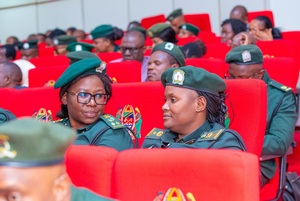
The discussions reinforced Tanzania’s commitment to strengthening conservation, protecting communities, and promoting sustainable tourism development across the country.