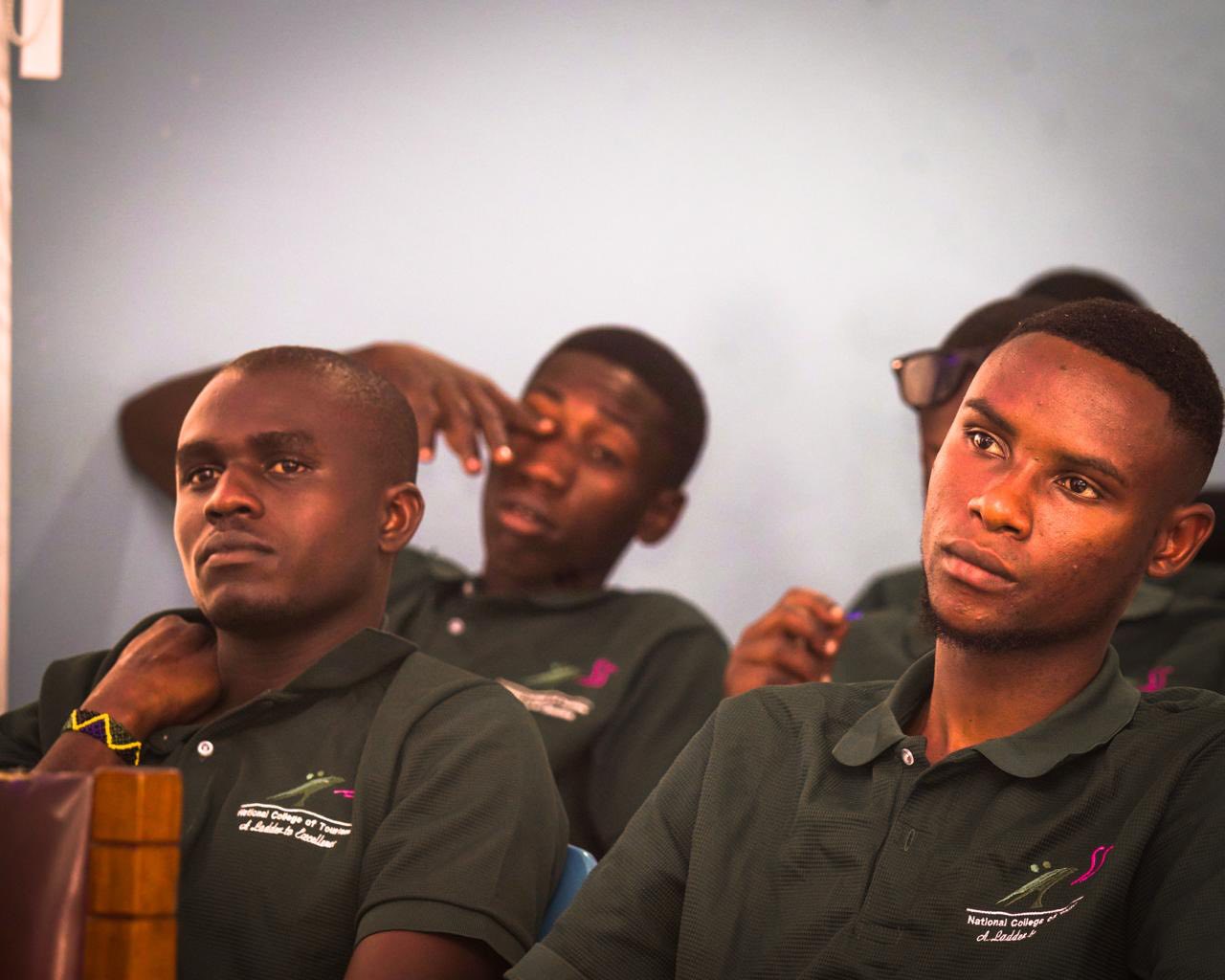

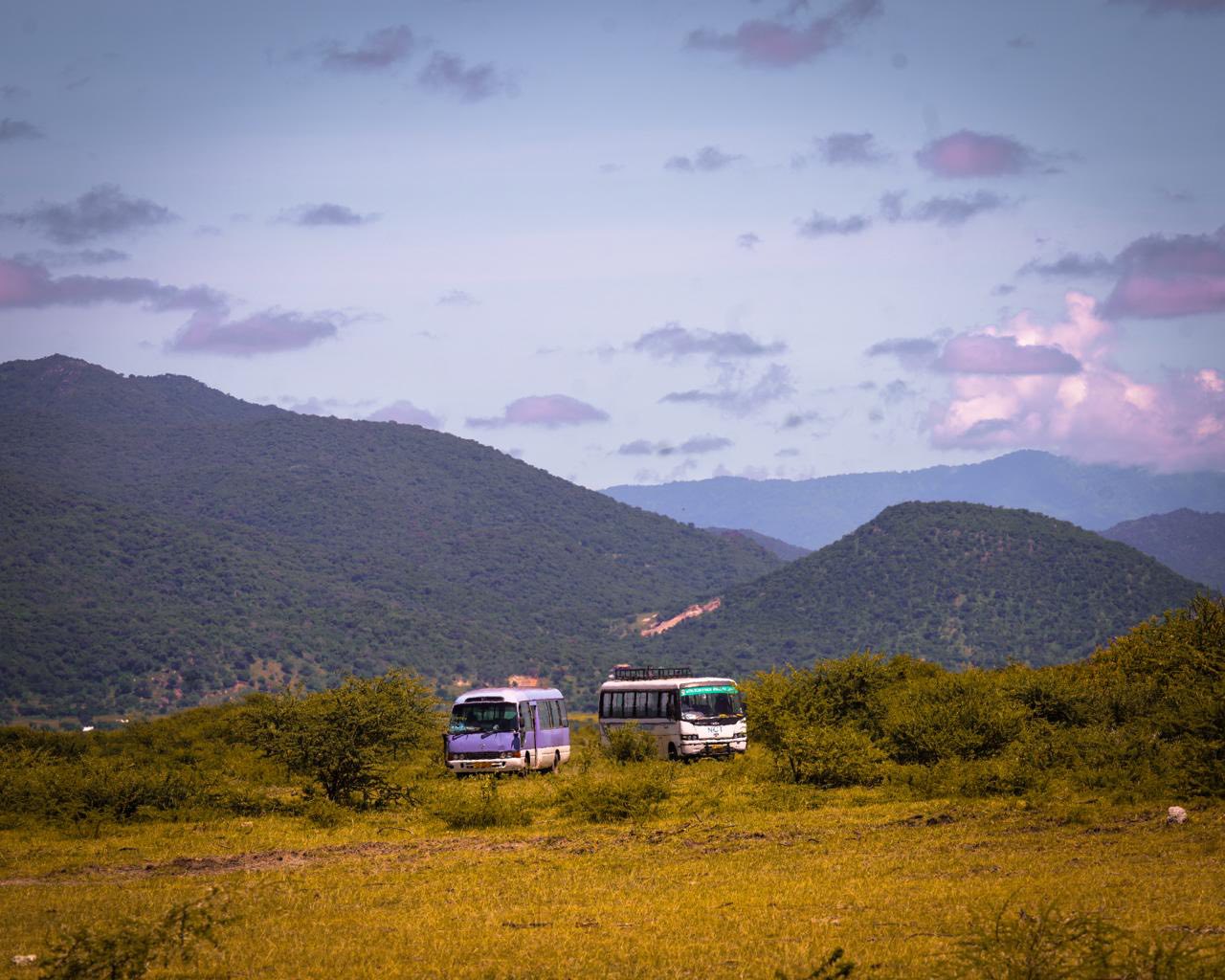
A new generation of tourism professionals in Tanzania is gaining hands-on industry experience as apprenticeship students from the National College of Tourism (NCT) participated in an extensive practical learning visit to Burunge Wildlife Management Area.
The educational field trip, supported by the Prime Minister’s Office Labour, Employment and Youth Development, forms part of Tanzania’s broader commitment to strengthening tourism skills development and preparing young professionals for the growing demands of the country’s tourism and conservation sectors.
The apprenticeship programme brought together students specializing in Travel & Tourism as well as Tour Guiding Operations, offering them direct exposure to wildlife management systems, conservation governance, eco-tourism operations, and community-based tourism models operating within one of Tanzania’s important Wildlife Management Areas (WMAs).
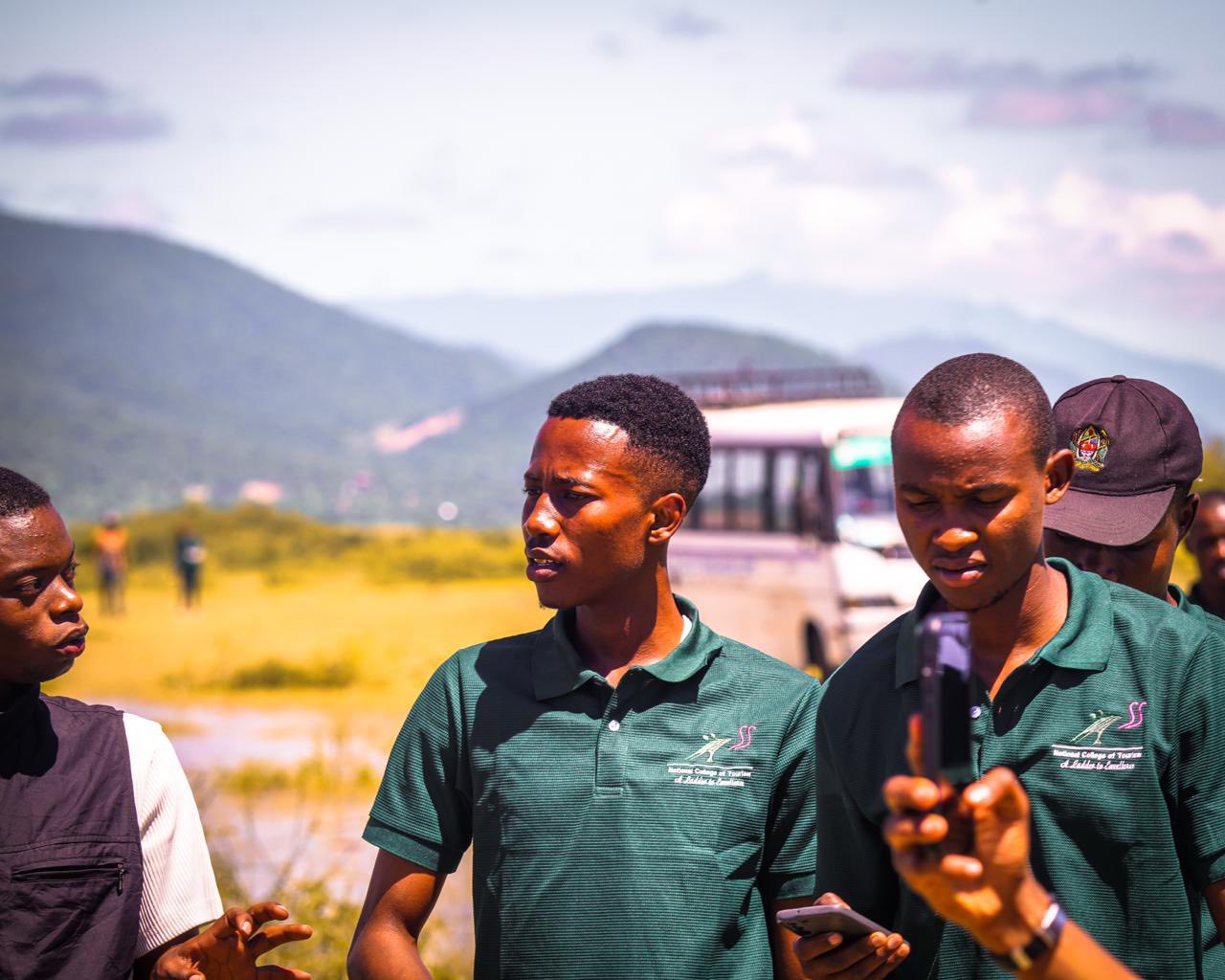
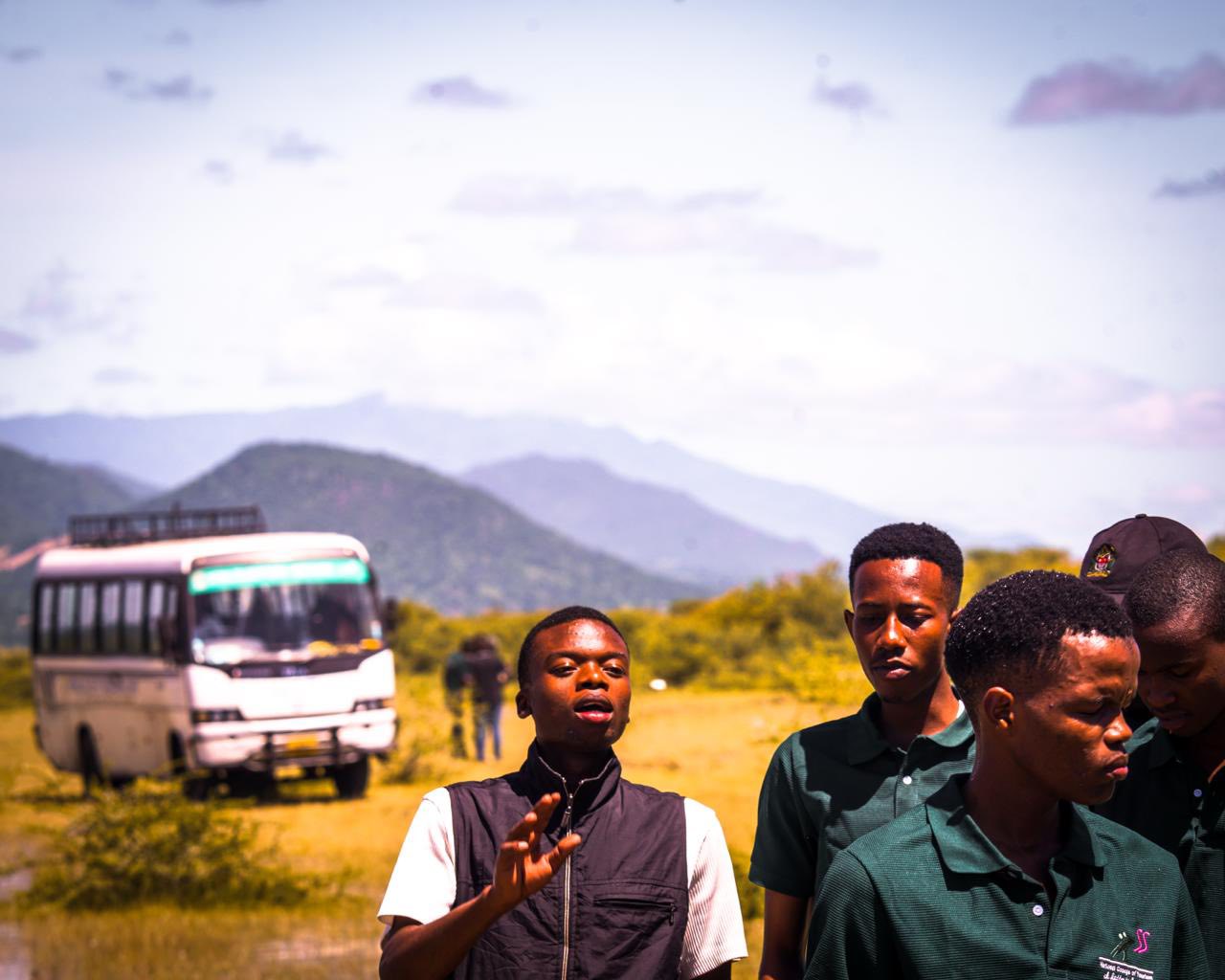
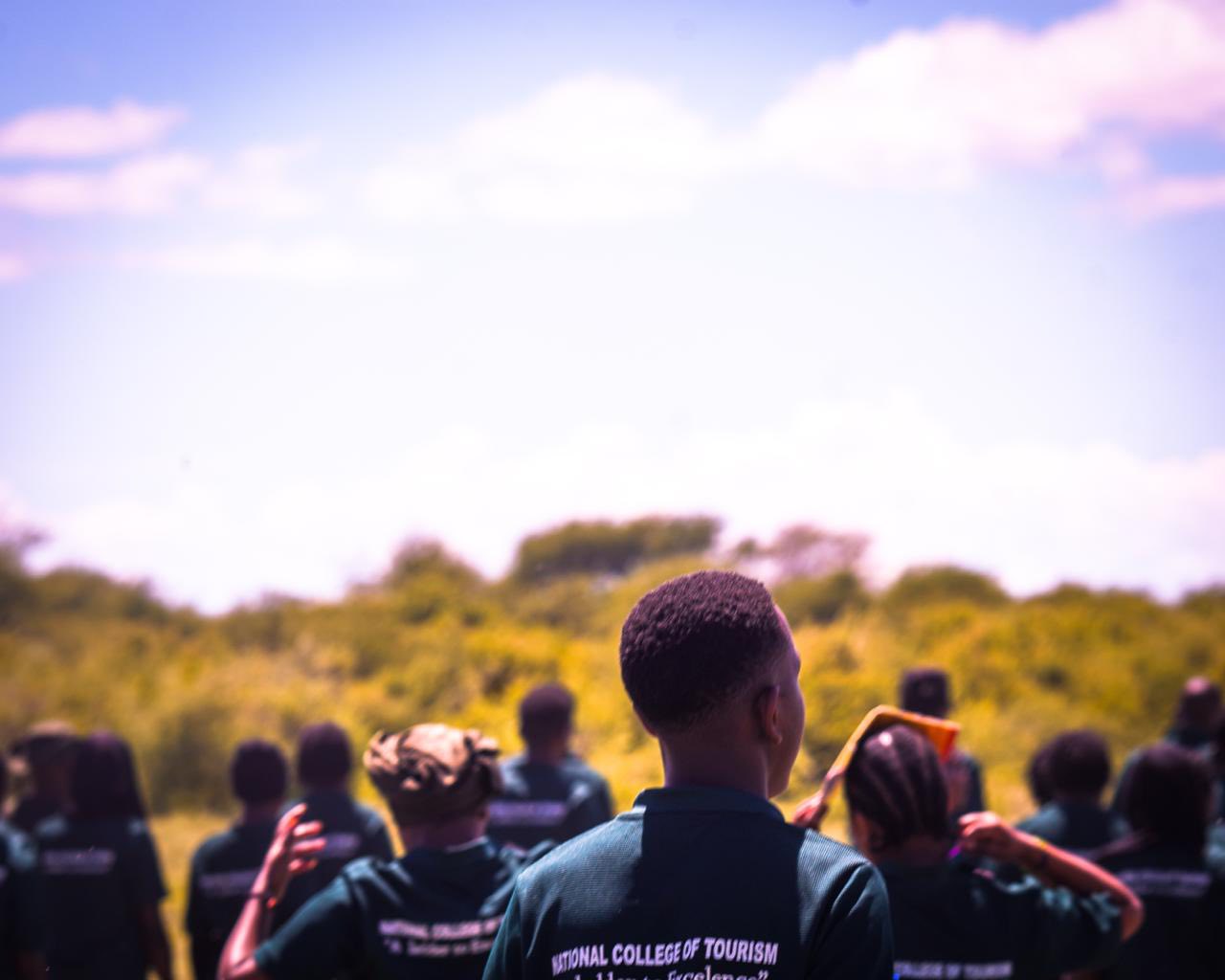
Practical Tourism Skills Development in Action
During the visit, students received practical insights into how wildlife resources are managed while balancing conservation objectives with community participation and tourism investment opportunities.
The learning programme covered:
- Wildlife Management Area governance systems
- Community participation in conservation
- Tourism operations within protected ecosystems
- Wildlife resource management practices
- Environmental conservation strategies
- Tourism benefit-sharing mechanisms
- Sustainable tourism development approaches
- Tour guiding and interpretation skills
- Eco-tourism management practices
Officials explained that the initiative is designed to bridge the gap between classroom learning and real-world tourism industry experience by exposing students to practical conservation and tourism operations in the field.
Students were also introduced to how local communities benefit economically from tourism activities through conservation partnerships, employment opportunities, and revenue-sharing frameworks established under the Wildlife Management Area model.

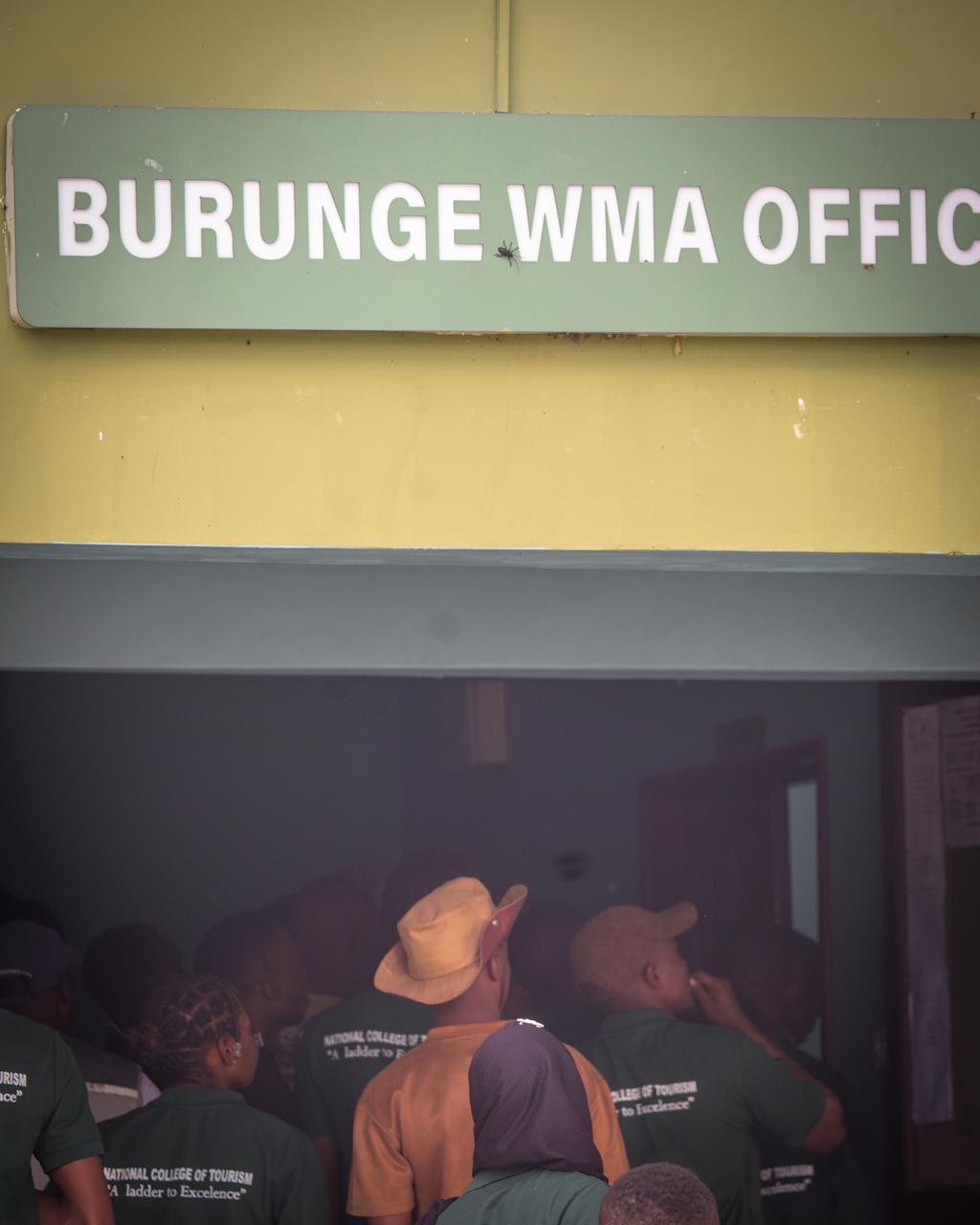

Strengthening Community-Based Conservation
Located in northern Tanzania near key tourism destinations, Burunge Wildlife Management Area has become an important example of community-led conservation and sustainable tourism development.
The area allows local communities to participate directly in wildlife conservation while benefiting from tourism-related investments and natural resource management initiatives.
Through the field visit, students observed how conservation efforts can create long-term socio-economic opportunities for surrounding communities while also protecting biodiversity and wildlife habitats.
Tourism experts say such practical exposure is essential in preparing future tourism professionals who understand the relationship between conservation, local livelihoods, and sustainable tourism growth.
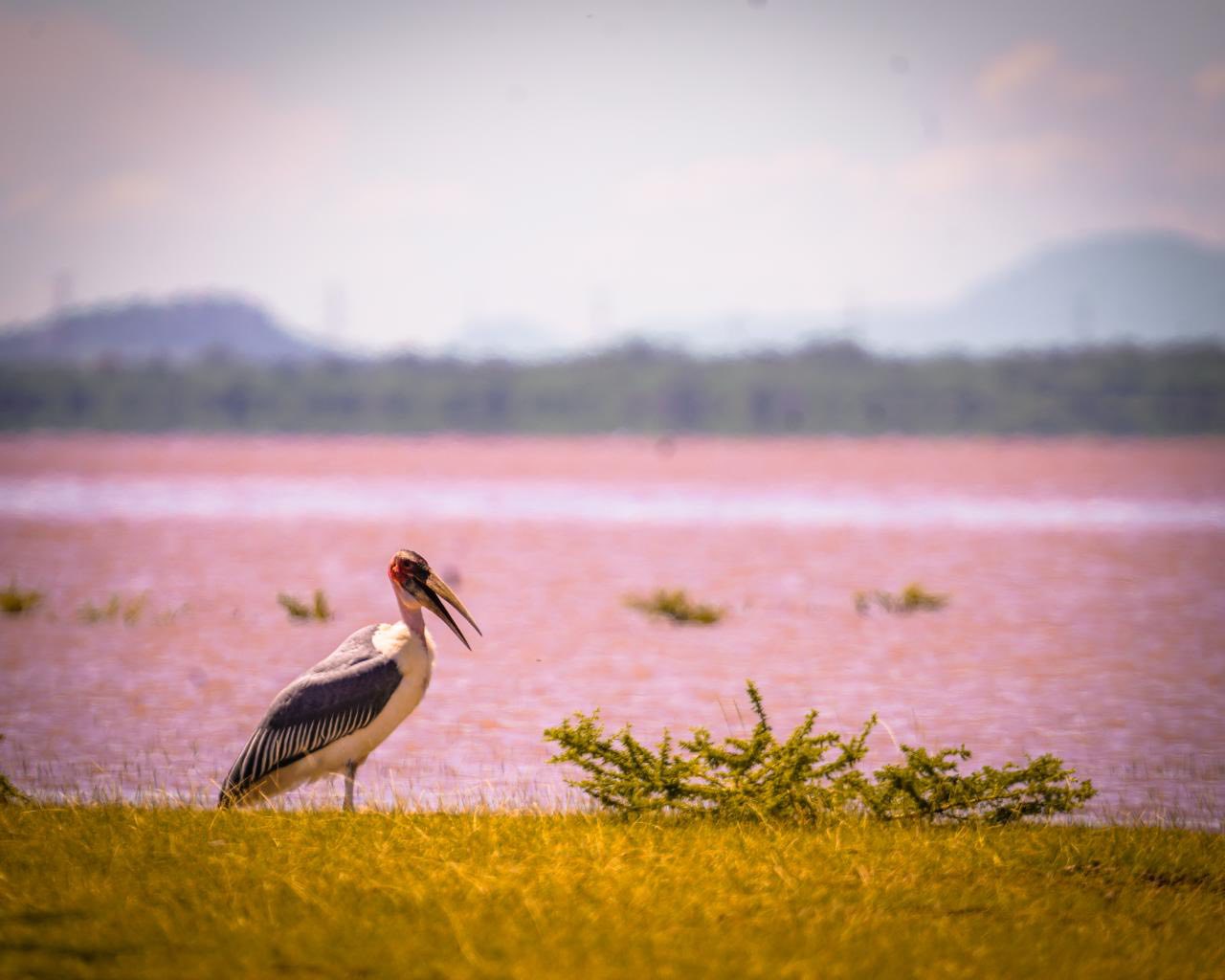
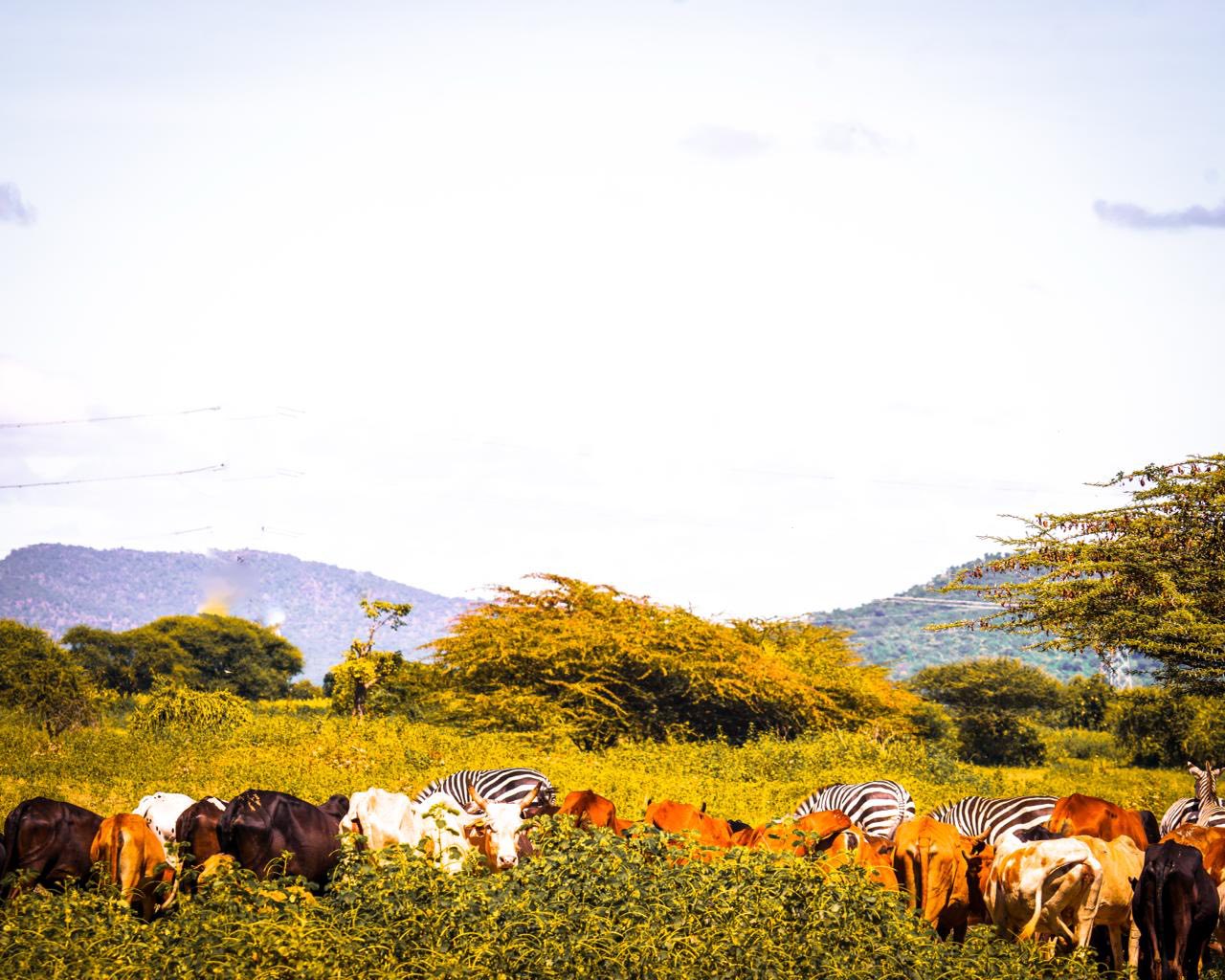
Building Tanzania’s Tourism Workforce
As Tanzania continues positioning itself among Africa’s leading tourism destinations, investment in professional training and industry readiness remains a national priority.
The apprenticeship initiative reflects the Government’s efforts to strengthen workforce development in tourism, hospitality, and conservation sectors by equipping young Tanzanians with practical skills that match industry expectations.
Industry stakeholders have continued to emphasize the importance of field-based learning in developing competent tour guides, tourism officers, destination managers, conservation practitioners, and hospitality professionals capable of supporting Tanzania’s expanding tourism economy.
The programme also aligns with ongoing national efforts to increase youth employment opportunities through vocational training, apprenticeships, and industry partnerships.
Preparing Youth for Tanzania’s Tourism Growth
Tourism remains one of Tanzania’s leading economic sectors, contributing significantly to employment, foreign exchange earnings, conservation financing, and community development.
With increasing investments in wildlife tourism, eco-tourism, cultural tourism, and sustainable travel experiences, the demand for highly skilled tourism professionals continues to rise.
The practical study visit to Burunge Wildlife Management Area therefore represents more than an educational tour — it reflects Tanzania’s long-term investment in building a knowledgeable, skilled, and conservation-conscious tourism workforce for the future.



Officials noted that empowering young professionals through practical training will help strengthen service quality, improve visitor experiences, and enhance Tanzania’s competitiveness in the global tourism market.