

New Measures Aim to Improve Revenue Collection, Enhance Visitor Convenience, and Strengthen Tourism Governance
Tanzania's tourism sector is set for a significant transformation following the Government's announcement that digital payments will become mandatory for key tourism services beginning in the 2026/27 financial year.
The new policy, unveiled during the presentation of the national budget in Parliament in Dodoma, forms part of broader government reforms aimed at modernizing financial systems, improving transparency, increasing revenue collection, and enhancing the overall visitor experience across the country's tourism industry.
Under the new framework, payments for accommodation, food and beverages, tourism activities, and other hospitality-related services offered by hotels, lodges, restaurants, cafés, and tourism establishments will be conducted through approved digital payment platforms.
The move positions Tanzania among a growing number of destinations embracing digital transformation as a tool for improving efficiency and supporting sustainable tourism growth.
💳 Digital Tourism Economy Takes Shape
Presenting the Government's budget estimates for the 2026/27 financial year, Minister for Finance Ambassador Khamis Mussa Omar explained that the transition toward digital payments is designed to strengthen accountability while reducing reliance on cash transactions across the economy.
According to the Minister, digital transactions will enhance efficiency, simplify financial management, and support national efforts to combat financial crimes, including money laundering and other illicit activities.
The reforms are also expected to reduce costs associated with handling physical cash, including transportation, storage, processing, and printing expenses.
Tourism industry stakeholders have welcomed the initiative, noting that international travelers increasingly prefer cashless payment options that offer convenience, security, and transparency.
The introduction of mandatory digital payments is expected to improve customer experiences while aligning Tanzania's tourism sector with global travel trends.
🌍 Benefits for International Visitors
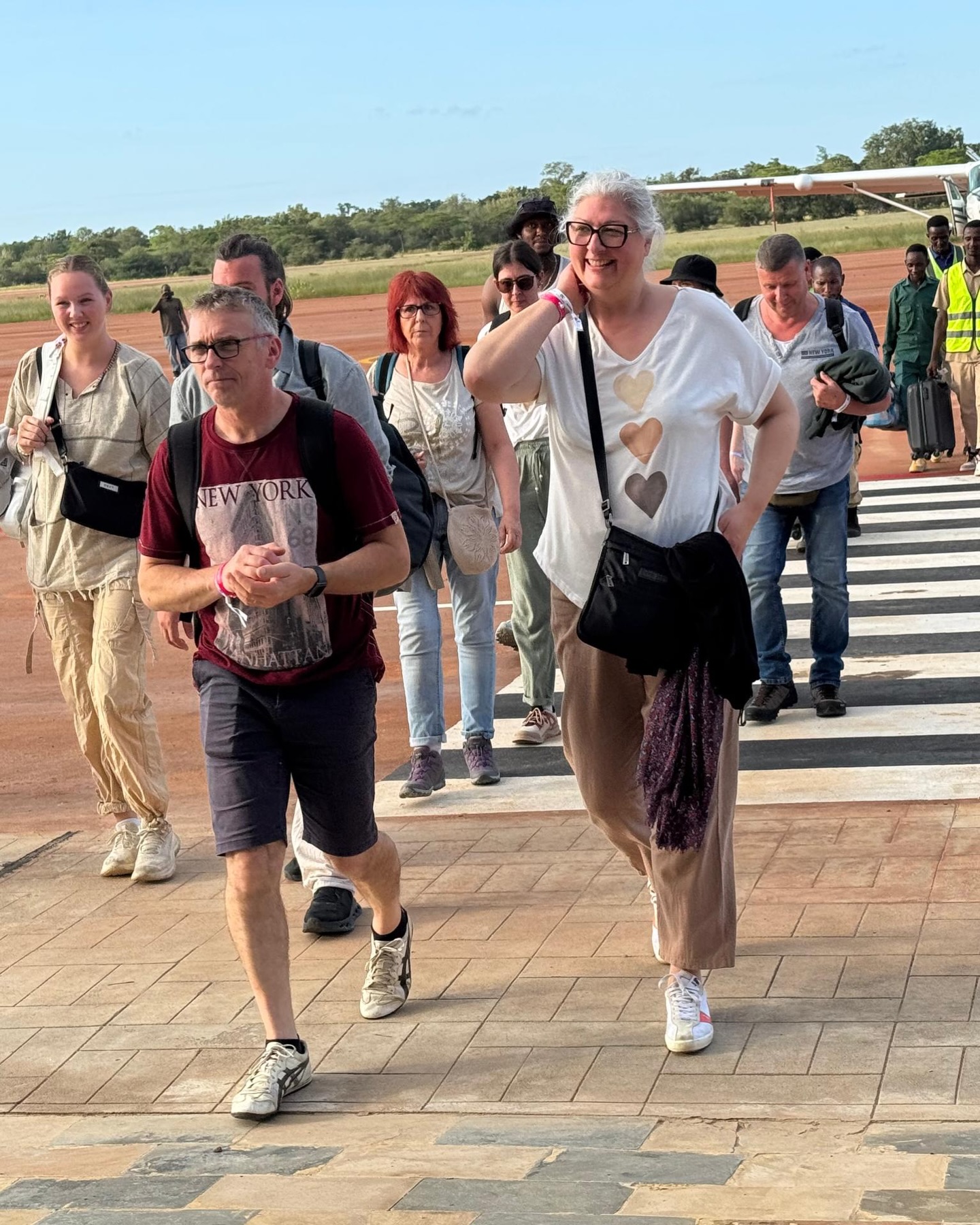
The policy is likely to be particularly beneficial for international tourists visiting Tanzania's world-famous destinations, including Serengeti National Park, Mount Kilimanjaro, the Ngorongoro Conservation Area, Zanzibar, Tarangire National Park, and other leading attractions.
Modern travelers increasingly expect seamless payment solutions that allow them to book accommodation, purchase services, and make transactions without carrying large amounts of cash.
Industry experts believe enhanced digital payment systems will improve visitor confidence while making travel throughout Tanzania more convenient and efficient.
The reforms are also expected to support tourism businesses by improving financial record-keeping, reducing operational risks, and streamlining transactions.
🏛️ New Regulations for Private Museums
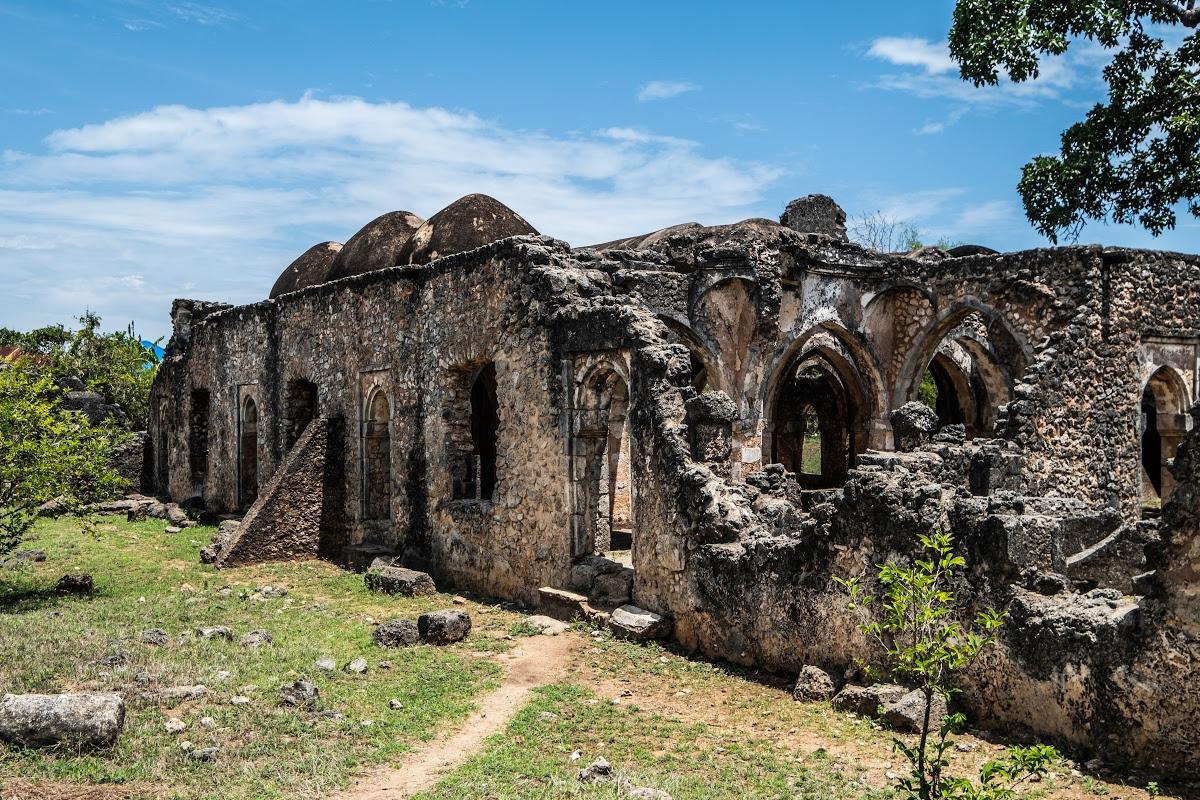
In addition to the digital payment reforms, the Government announced a new registration and licensing framework for private museums operating under the Ministry of Natural Resources and Tourism.
The new fee structure aims to strengthen regulation, improve operational standards, and enhance the contribution of private museums to tourism development and cultural heritage preservation.
Under the new framework:
- Tanzanian citizens registering private museums will pay TZS 50,000.
- Tanzanian institutions will pay TZS 100,000.
- Foreign citizens will pay TZS 500,000.
Annual operating licence fees will also apply:
- Tanzanian citizens: TZS 20,000 annually.
- Tanzanian institutions: TZS 100,000 annually.
- Foreign institutions: TZS 300,000 annually.
Officials say the measures will help improve oversight and ensure that museums continue contributing to cultural tourism, education, and heritage conservation.
🦁 Conservation and Tourism Remain National Priorities
Meanwhile, Minister for Natural Resources and Tourism Dr. Ashatu Kijaji outlined the Government's strategic priorities for the tourism and conservation sectors during the 2026/27 financial year.
The Minister emphasized that conservation remains the foundation of Tanzania's tourism success and that efforts will continue to focus on the protection and sustainable utilization of wildlife, forests, beekeeping resources, and cultural heritage assets.
She noted that strengthening conservation initiatives while promoting community participation remains essential for ensuring long-term sustainability.
The Government also plans to intensify efforts aimed at reducing human-wildlife conflict and improving resource management across protected areas.
🚧 Major Investments Planned for Tourism Infrastructure
To support tourism growth, significant investments are expected in tourism-related infrastructure across the country.
Priority areas include:
- Road improvements within and around tourism destinations.
- Airport development and modernization.
- Enhanced communication systems.
- Upgraded visitor facilities within protected areas.
- Improved accessibility to tourism attractions.
These investments are expected to enhance visitor experiences while making Tanzania's destinations more accessible and competitive within the global tourism market.
Improved infrastructure will also support local communities and create opportunities for tourism-related businesses.

✈️ Expanding International Tourism Markets
The Government has also announced plans to strengthen tourism promotion activities in emerging international markets.
Particular focus will be placed on attracting visitors from:
- The Middle East.
- East Asia and the Far East.
- Other high-growth international tourism markets.
This strategy aims to diversify visitor sources while reducing dependence on traditional tourism markets.
Tourism officials believe expanding market reach will increase visitor arrivals, generate foreign exchange earnings, and strengthen Tanzania's position as a leading African tourism destination.
🚢 New Tourism Products to Drive Growth
As part of efforts to diversify tourism offerings, the Government will continue developing new tourism products and experiences.
Among the key focus areas are:
- Cruise tourism development.
- Meetings, Incentives, Conferences, and Exhibitions (MICE) tourism.
- Cultural and heritage tourism.
- Discovery and registration of new tourism attractions.
- Community-based tourism initiatives.
These efforts are intended to create a broader range of experiences for visitors while encouraging longer stays and increased tourism spending.
A New Era for Tanzania Tourism
The introduction of mandatory digital payments, combined with investments in infrastructure, conservation, and market diversification, signals a new phase in Tanzania's tourism development strategy.
As the country continues modernizing its tourism sector, officials believe these reforms will enhance competitiveness, improve service delivery, attract more visitors, and contribute significantly to economic growth.
With world-class natural attractions, expanding infrastructure, and an increasingly digital tourism ecosystem, Tanzania is positioning itself to remain one of Africa's leading destinations for leisure, business, and adventure travel.