
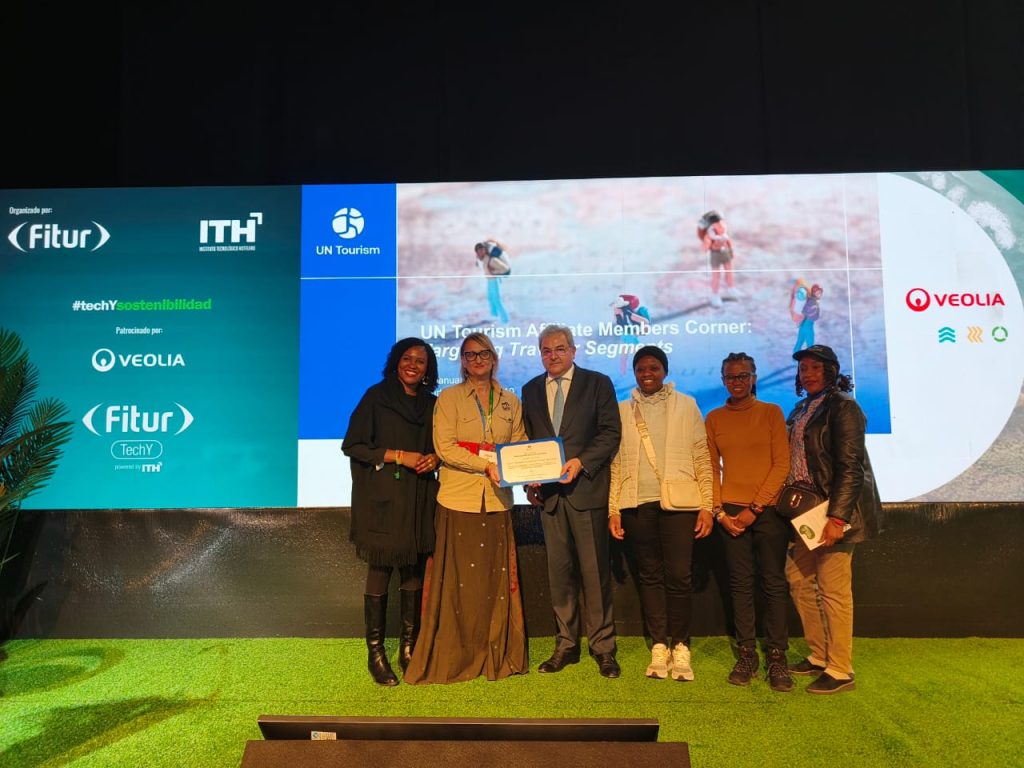
Tanzania’s tourism industry has reached an important global milestone. The Tanzania Association of Tour Operators (TATO) has officially received a Certificate of Membership as an Affiliate Member of UN Tourism, valid until 31 December 2026 and issued in Madrid, Spain on 5 February 2026.
This achievement positions TATO among recognized international tourism institutions that actively contribute to shaping responsible, ethical, and sustainable tourism worldwide. It signals strong global confidence in Tanzania’s private tourism sector and its leadership.
Elevating Tanzania’s Voice to the Global Stage
For more than 40 years, TATO has served as the primary representative of tour operators in Tanzania. With this affiliation, the association moves beyond national coordination into meaningful participation in global tourism dialogue.
1️⃣ Policy Advocacy and Industry Representation
TATO continues to work closely with government authorities to ensure tourism policies, regulations, and licensing frameworks promote investment, growth, and sustainability. The association represents tour operators, accommodation providers, and tourism stakeholders across the country, ensuring their concerns and recommendations shape industry decisions.
2️⃣ Promoting Standards, Ethics, and Professionalism
Through its Code of Conduct and industry guidelines, TATO strengthens service quality, safety, and ethical practices. Training initiatives and professional development programs help keep Tanzania’s tourism competitive in international markets.
3️⃣ Strengthening Global Partnerships
Affiliate Membership opens direct engagement with global tourism institutions, investors, and international travel markets. This creates stronger collaboration channels and new opportunities for Tanzanian tour operators to expand internationally.
4️⃣ Championing Sustainable Tourism
TATO actively promotes conservation, community inclusion, and responsible safari operations. By aligning with UN Tourism’s sustainability framework, it reinforces tourism as a driver of economic development while protecting Tanzania’s wildlife, culture, and natural heritage.