
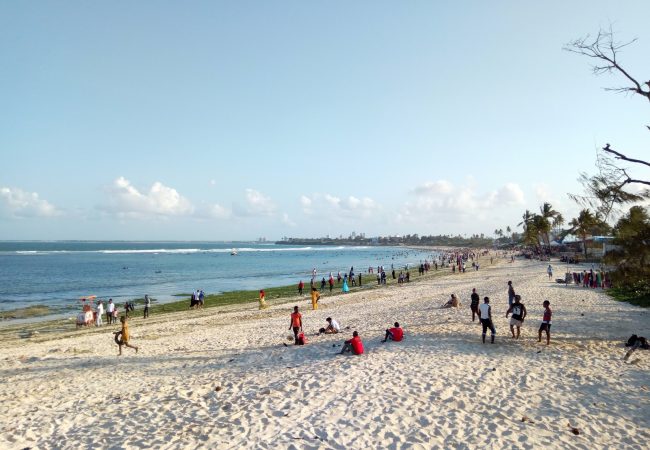
A Swahili Safari offers travelers a unique blend of cultural discovery and coastal adventure, showcasing the rich heritage of Tanzania’s Indian Ocean communities. Unlike traditional wildlife safaris, Swahili safaris focus on history, architecture, cuisine, and the maritime traditions that shaped East Africa’s coastal identity.
The heart of Swahili culture can be explored in Stone Town, a UNESCO World Heritage Site known for its winding alleys, carved wooden doors, and historic buildings. Stone Town reflects centuries of cultural exchange between Africa, Arabia, and Asia, creating a vibrant tapestry of traditions and architectural styles.
Swahili safaris also celebrate coastal maritime traditions. Dhow sailing excursions allow visitors to experience traditional wooden boats that have been used for centuries along the Indian Ocean. Sunset dhow cruises provide serene views of the coastline and highlight the maritime heritage of Swahili communities.
Beyond architecture and sailing, Swahili safaris introduce travelers to local cuisine and markets. Swahili dishes blend spices, seafood, and regional ingredients, offering flavors that reflect Tanzania’s cultural diversity. Spice tours and food experiences deepen understanding of the region’s culinary traditions.
Zanzibar plays a central role in Swahili tourism, offering beaches, historical sites, and cultural encounters. Visitors can combine relaxation with exploration, creating a well-rounded travel experience that balances heritage and leisure.
Swahili safaris demonstrate that Tanzania’s tourism offerings extend beyond wildlife. Cultural and coastal adventures enrich travel experiences and promote appreciation for the history and communities that shape East Africa.
Photo Credit: Tanzania Tourist Board (TTB)