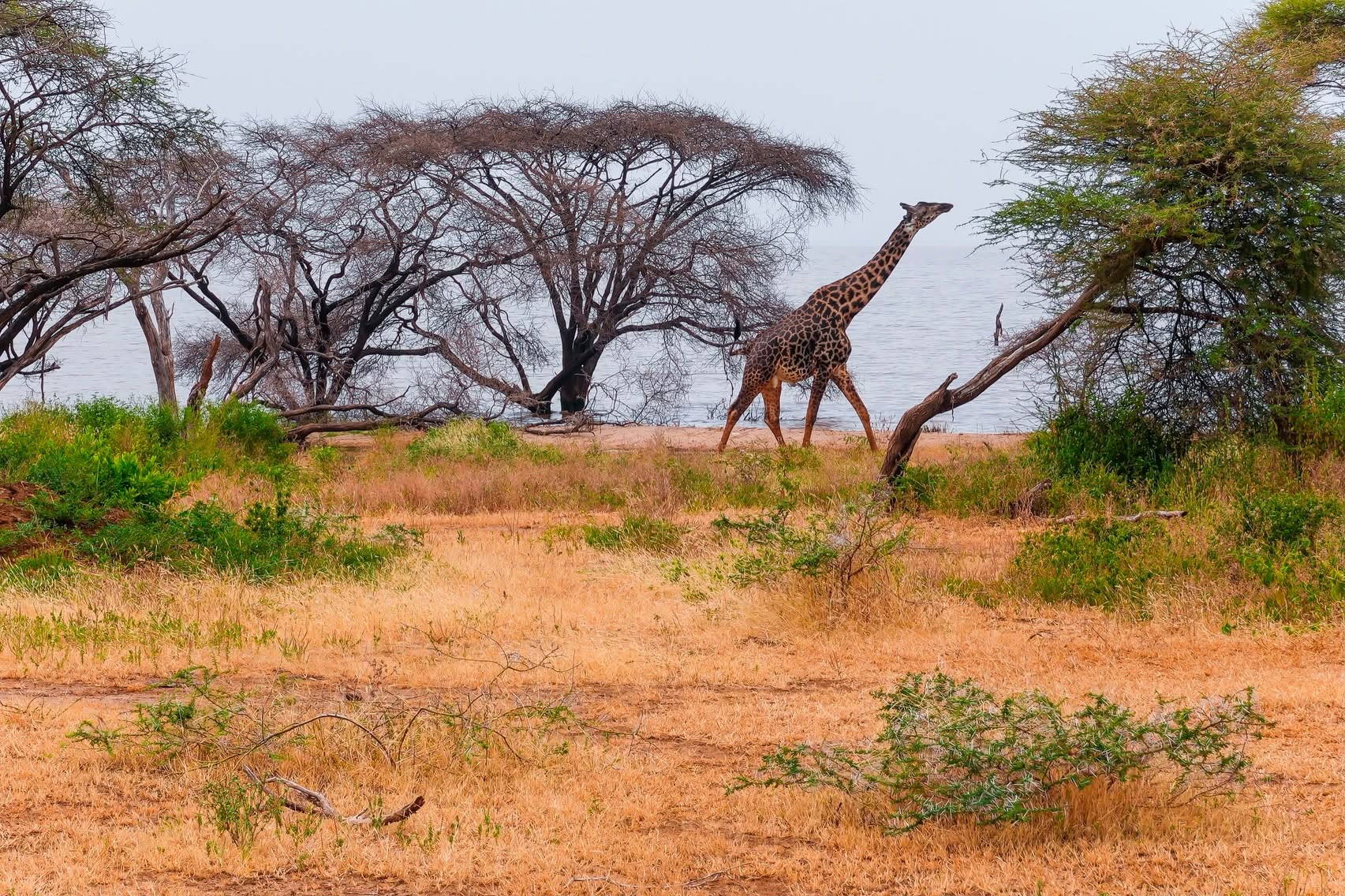
SOUTH KOREAN RESEARCHERS HIGHLIGHT LAKE MANYARA AS A LIVING LABORATORY OF AFRICA'S ECOSYSTEMS
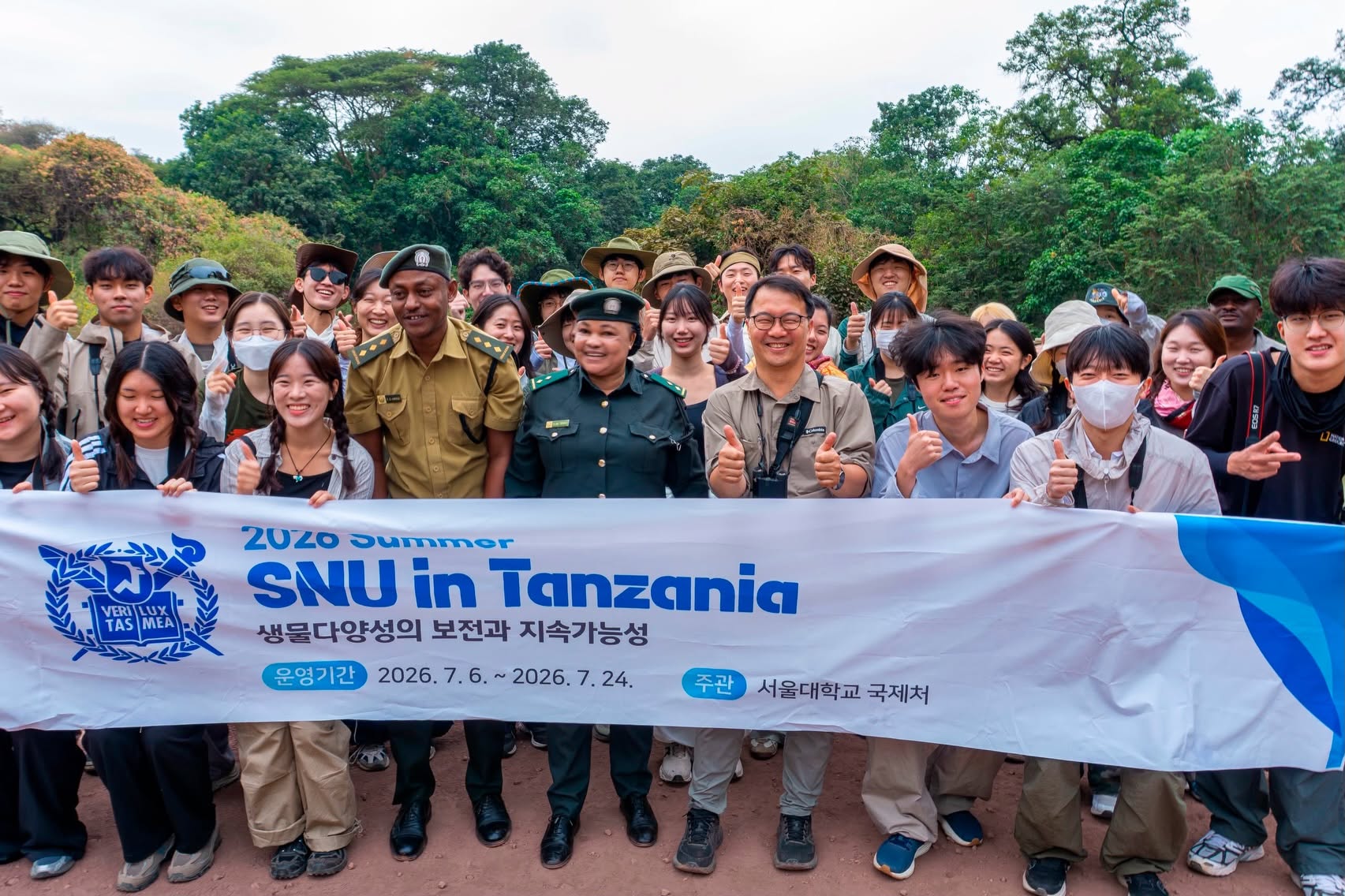
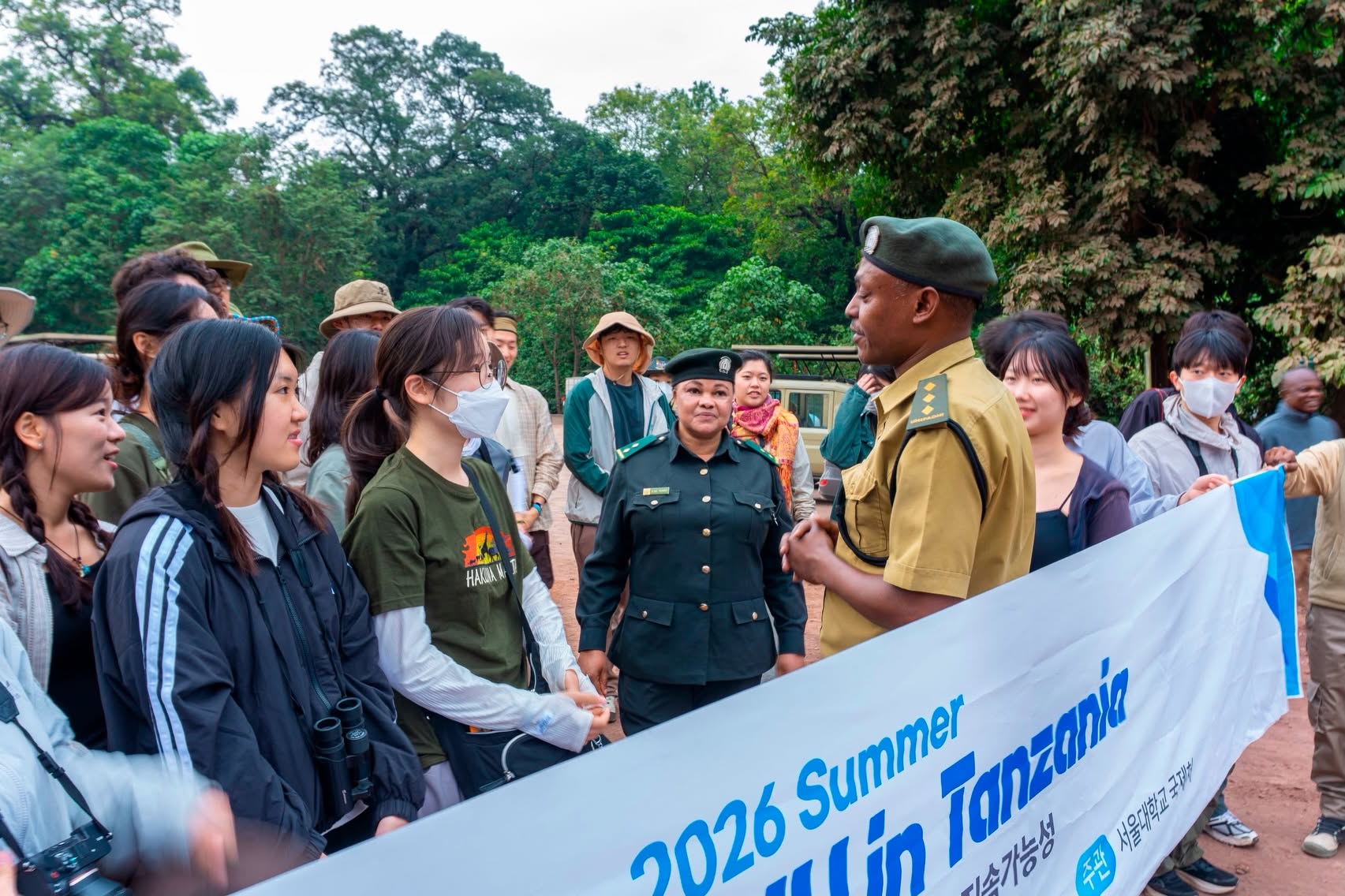
Lake Manyara National Park, Tanzania – July 17, 2026 — Tanzania's remarkable biodiversity has once again attracted international academic attention as researchers and students from Seoul National University visited Lake Manyara National Park to study its exceptional ecosystems and gain first-hand experience of one of Africa's most biologically diverse protected areas.
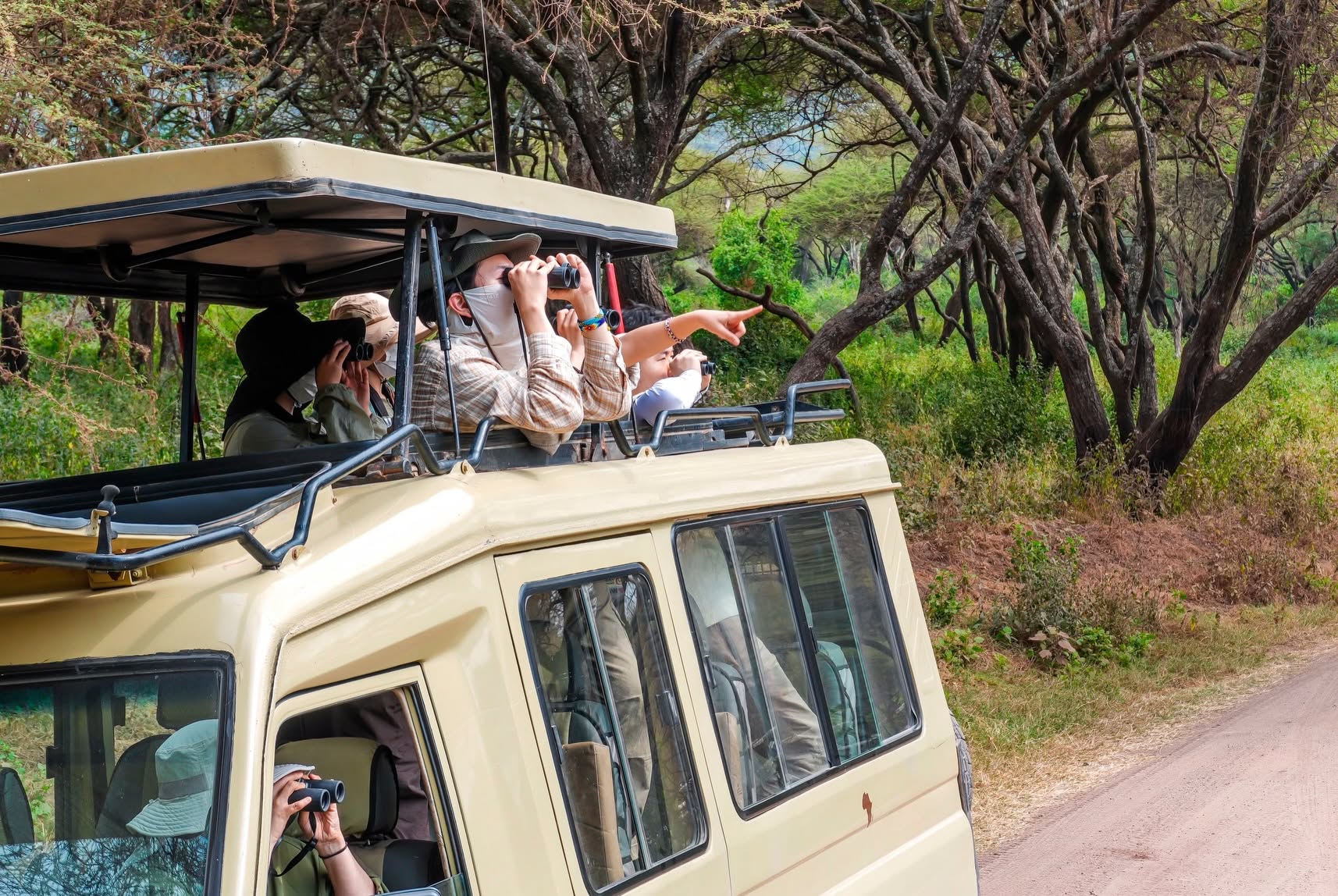
The educational visit forms part of an international ecological field study focusing on wildlife, birdlife, vegetation, climate interactions, and the interconnected relationships that sustain life within Tanzania's protected ecosystems.
A Natural Classroom for Ecological Science
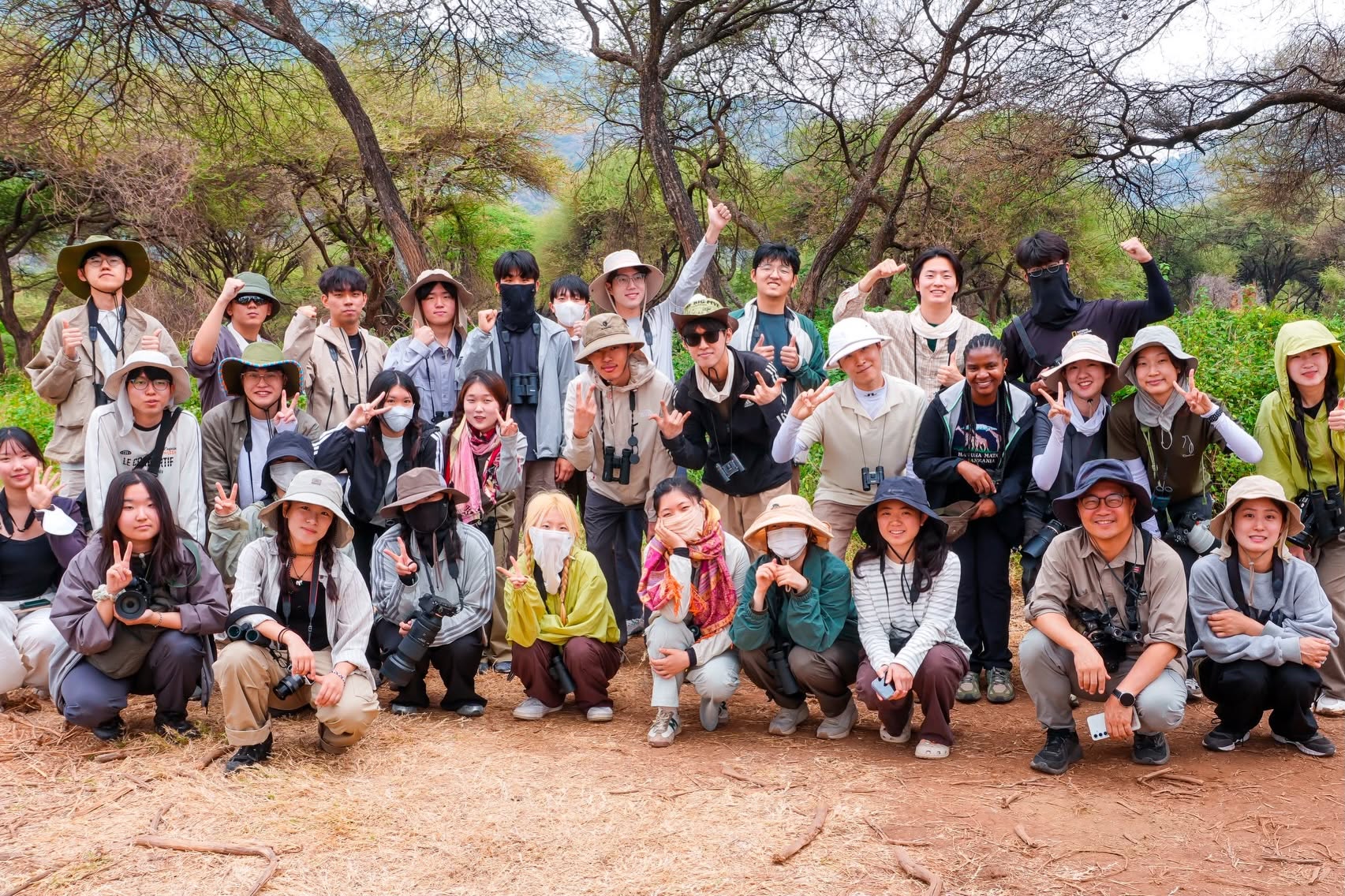
The delegation of 37 students and lecturers explored the park's rich variety of habitats while examining how living organisms interact with each other and with their surrounding environment.
Their field studies focused on:
- Wildlife ecology.
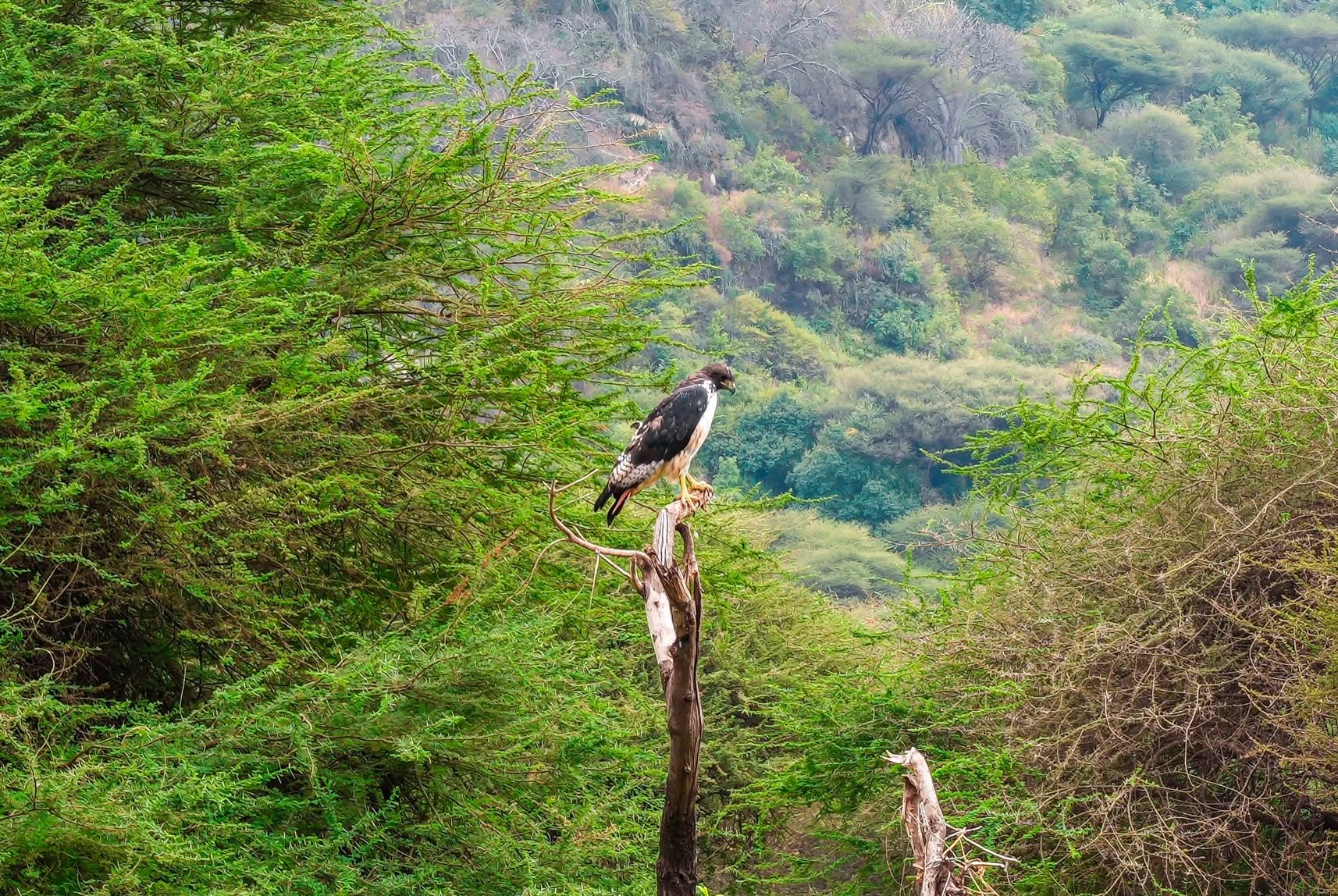
- Bird diversity and migration.
- Plant communities.
- Ecosystem interactions.
- Biodiversity conservation.
- Climate and environmental adaptation.
The visit provided students with practical exposure to ecological principles that are difficult to replicate in classroom settings, making Lake Manyara an ideal destination for scientific learning.
Professor Choi Amazed by Lake Manyara's Ecological Diversity
Speaking during the visit, the Head of the Delegation, Chang-Yong Choi, described Lake Manyara National Park as an outstanding example of ecological balance.
He expressed admiration for the remarkable diversity of ecosystems found within a relatively small geographical area.
"I am truly amazed to see so many different ecosystems functioning together in such a compact area—from mountains and forests to the lake itself. The ecological connection between Lake Manyara and Tarangire National Park is equally impressive, allowing birds and mammals to thrive within an interconnected natural landscape."
Professor Choi noted that the park offers an exceptional opportunity to observe how living organisms and non-living environmental factors work together to maintain healthy ecosystems.
He added that the experience provides valuable insights for ecological research and conservation studies.
An Unforgettable Learning Experience
Welcoming the delegation on behalf of the Chief Warden, Senior Conservation Officer Abdul Sharif said that beyond scientific learning, the visit would also introduce participants to Tanzania's internationally respected conservation and tourism model.
He explained that experiencing wildlife in its natural habitat enables students to better understand the importance of protected areas in preserving biodiversity while supporting sustainable tourism.
The educational programme also allows participants to appreciate how conservation contributes to scientific research, environmental education, and local economic development.
Lake Manyara: A Centre for Biodiversity Research
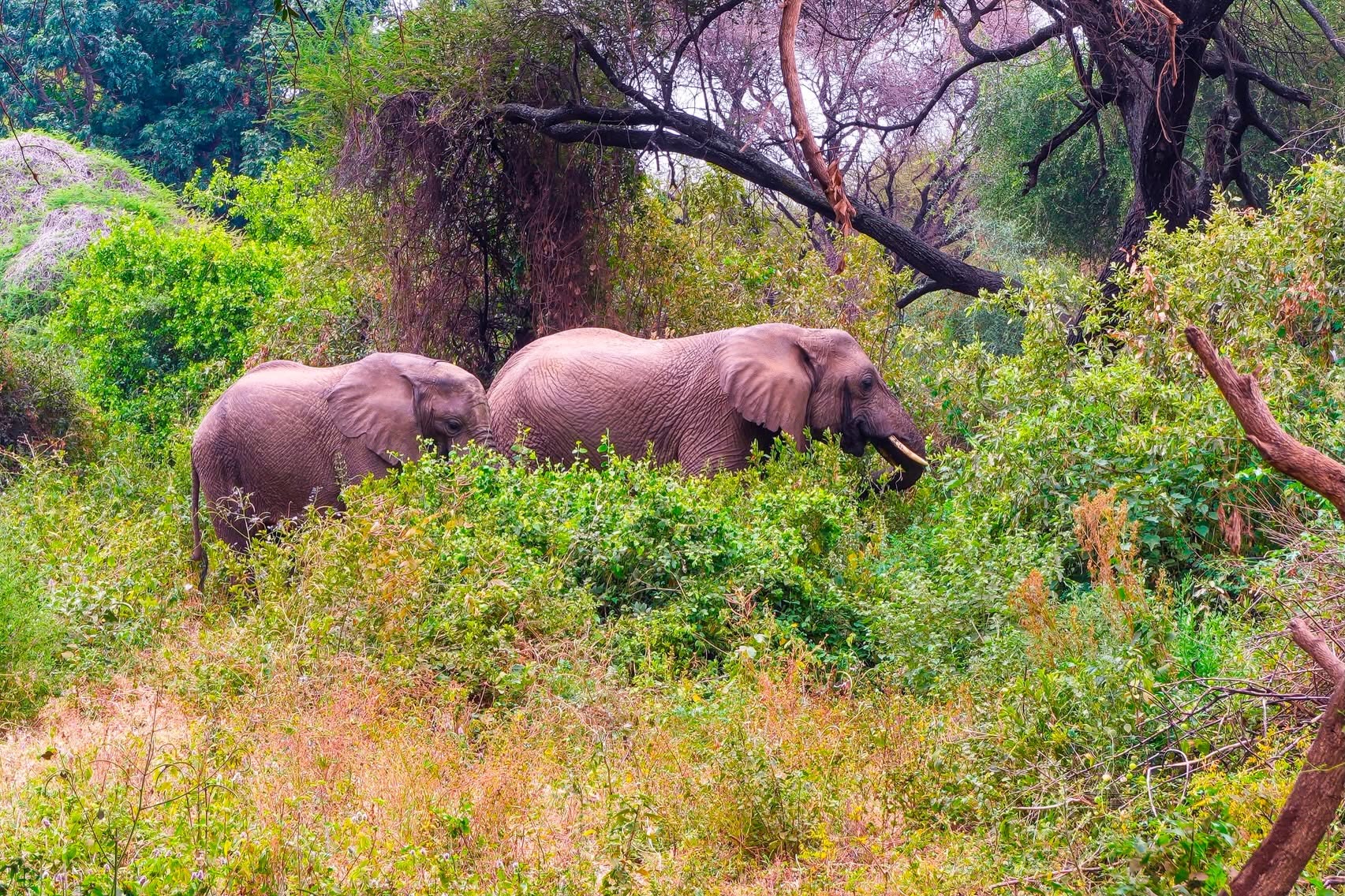
Although internationally recognized for its spectacular scenery, tree-climbing lions, elephants, flamingos, and rich birdlife, Lake Manyara National Park is also one of Tanzania's most valuable natural laboratories.
Its diverse landscapes—including groundwater forests, open grasslands, acacia woodlands, wetlands, and the alkaline lake—support hundreds of wildlife species and create ideal conditions for ecological research.
Scientists, conservationists, and university students from around the world continue to visit the park to study:
- Biodiversity conservation.
- Wildlife behaviour.
- Ecosystem dynamics.
- Climate change impacts.
- Plant ecology.
- Human–wildlife coexistence.
Strengthening Tanzania's Global Conservation Reputation
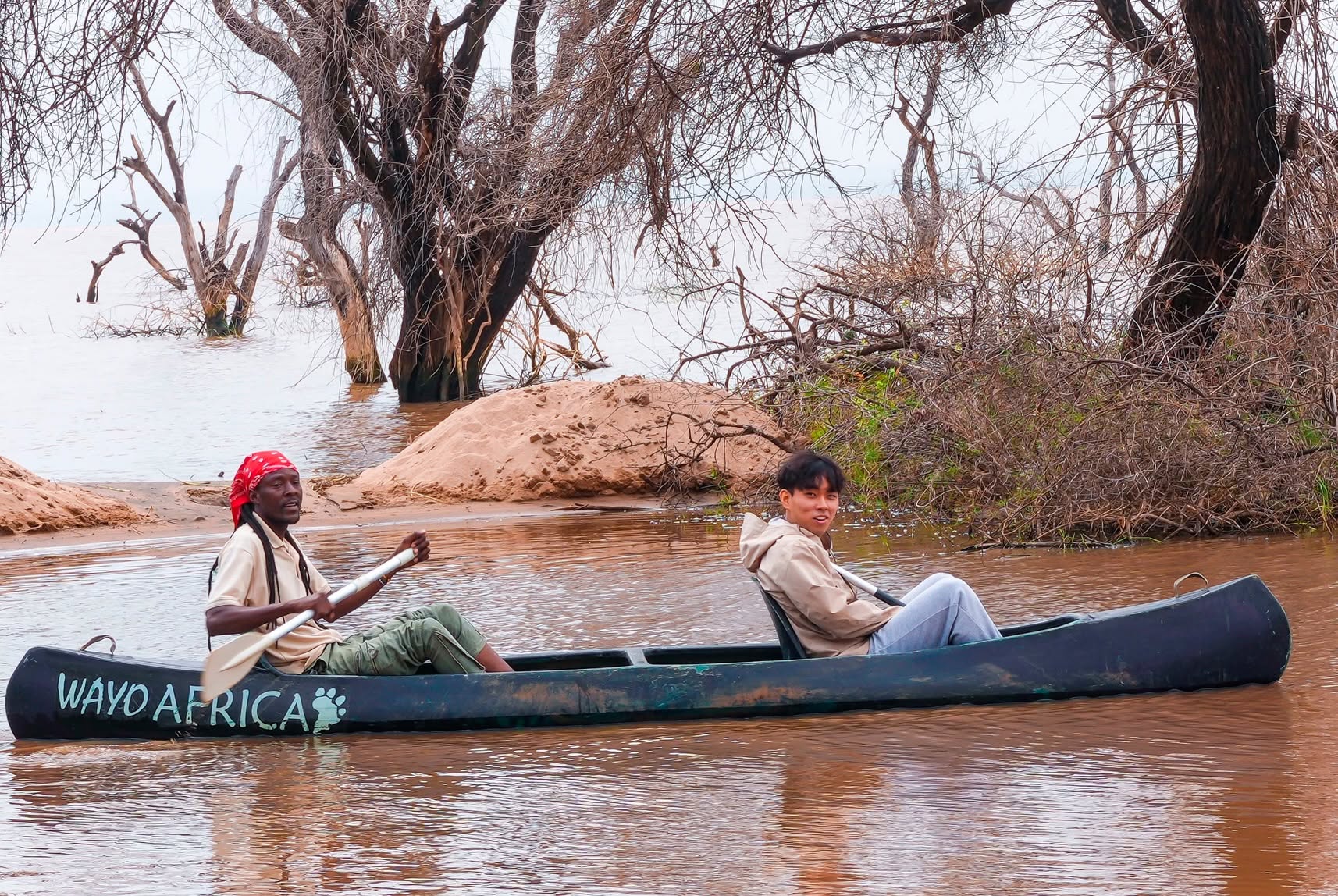
The visit by Seoul National University reflects Tanzania's growing recognition as an international destination for scientific research and conservation education.
Protected areas managed by Tanzania National Parks Authority continue to provide valuable opportunities for universities, researchers, and conservation organizations to conduct field studies while promoting sustainable tourism and environmental awareness.
Educational exchanges such as this strengthen international collaboration and showcase Tanzania's commitment to protecting its extraordinary natural heritage through science, research, and conservation.
Where Science Meets Nature
As global interest in biodiversity conservation continues to grow, Lake Manyara National Park stands out as a destination where visitors can experience far more than wildlife viewing.
For researchers, students, and nature enthusiasts alike, the park offers a unique opportunity to witness the delicate balance of ecosystems that have evolved over thousands of years—demonstrating why Tanzania remains one of the world's leading destinations for conservation, education, and nature-based tourism.