
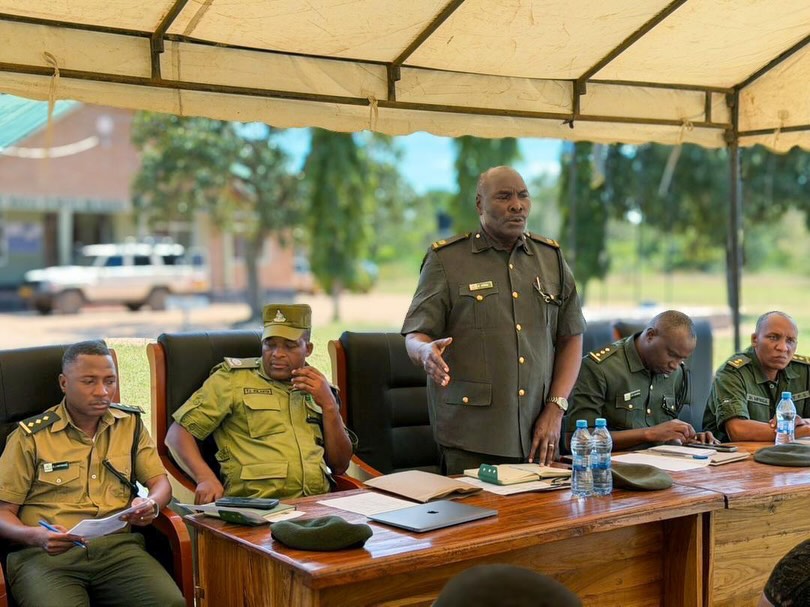
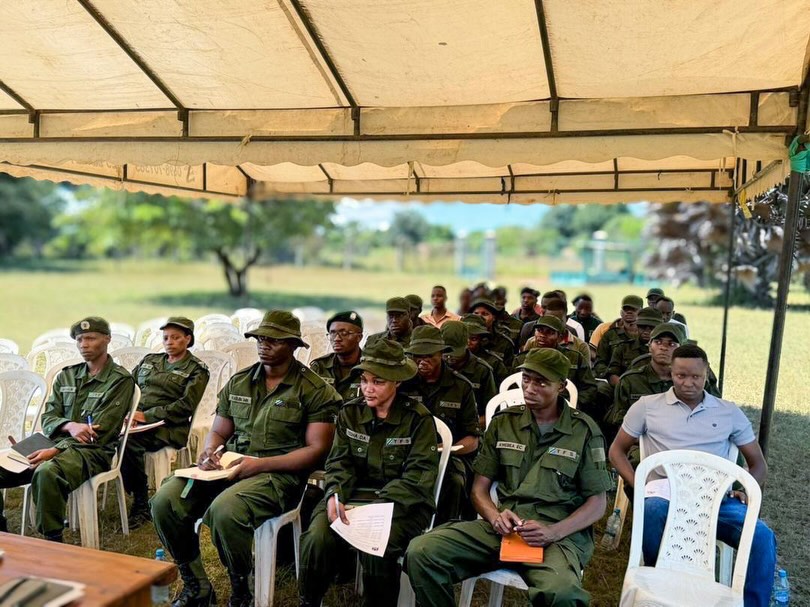
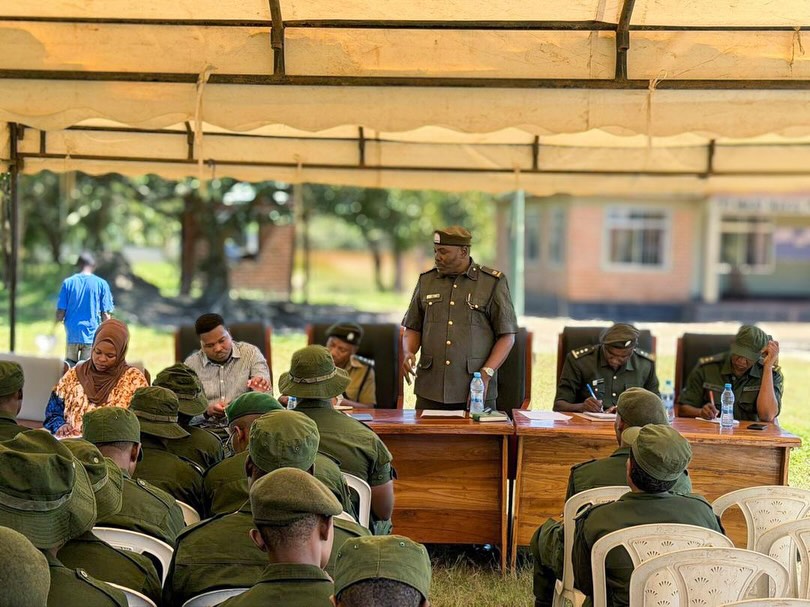
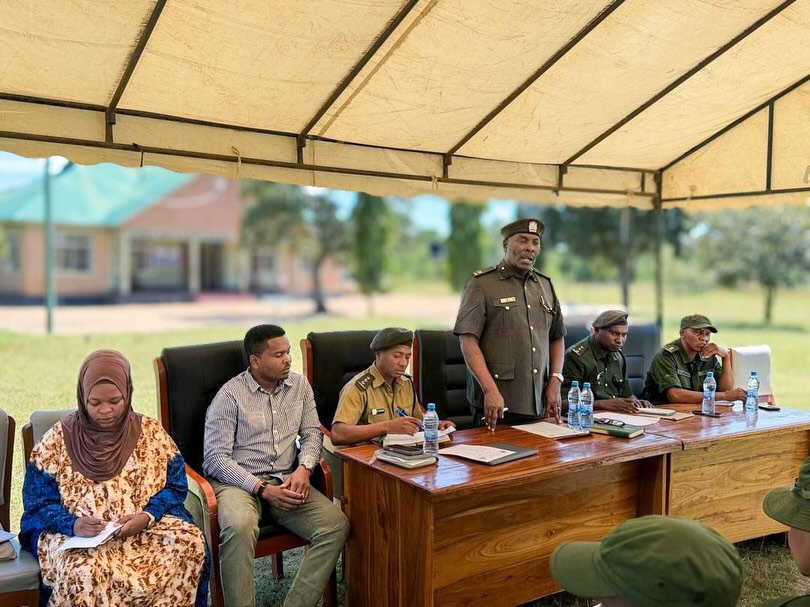
The Tanzania Forest Services Agency in collaboration with the Tanzania Police Force has conducted a specialized training program on safe arrest procedures for officers and conservation personnel serving within the Kigosi National Forest Reserve.
The one-day capacity-building session was held on May 8, 2026 at the Kigosi Reserve headquarters located in Iponya and brought together officers and conservation soldiers from various operational camps across the reserve.
The training forms part of ongoing efforts to strengthen conservation law enforcement, improve operational professionalism, and enhance collaboration between security institutions and environmental conservation agencies in Tanzania.
Building Professional Capacity in Conservation Enforcement
The training focused on proper arrest procedures, lawful use of force, operational discipline, and the protection of human rights during field operations within protected conservation areas.
Delivering the training, the Operations Commander of Mbogwe District Police, SP T.I Kilakoi, emphasized the importance of professionalism and restraint during arrests carried out by reserve officers.
He urged officers to observe proper legal procedures and ensure that force is only applied within the limits permitted under Tanzanian law.
According to SP Kilakoi, officers must fully understand the regulations governing the use of firearms and other operational tools, particularly in sensitive conservation environments where both public safety and wildlife protection are critical.
“When a suspect is arrested, they must be informed of their rights, questioned within the required legal timeframe, and handed over to the appropriate legal authorities for further procedures,” he explained during the session.
The training also included practical examples and operational scenarios aimed at helping officers respond effectively to real-life incidents within the reserve.
Strengthening Security Partnerships in Protected Areas
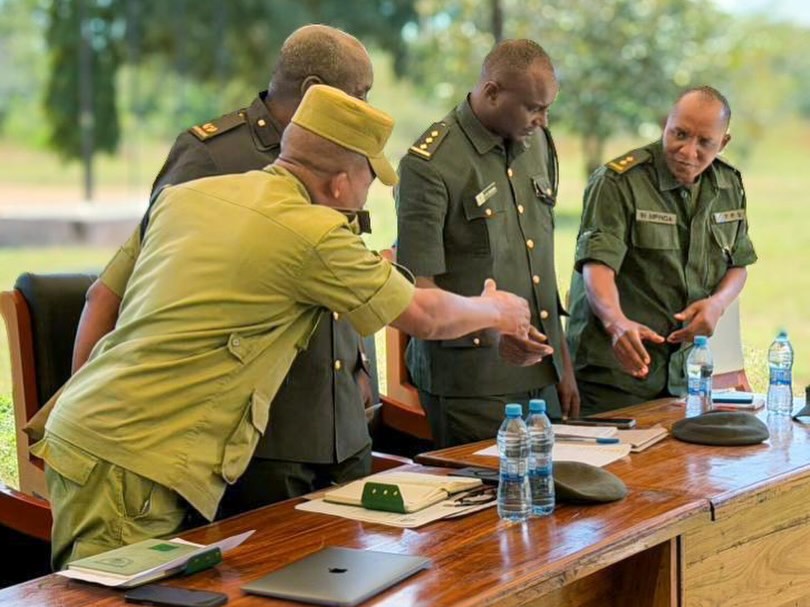
Police officials noted that cooperation between the Tanzania Police Force and TFS remains essential in combating illegal activities within forest reserves and protected ecosystems.
Kigosi Forest Reserve, which forms part of one of Tanzania’s important conservation landscapes, faces various environmental threats including illegal logging, poaching, encroachment, and unlawful resource exploitation.
Authorities believe that strengthening enforcement capacity through regular training and joint operations will help improve protection of biodiversity and natural resources within the reserve.
SP Kilakoi reaffirmed the Police Force’s commitment to deepening cooperation with TFS through:
- Joint conservation security operations
- Skills development programs
- Practical field experience exchange
- Improved coordination during enforcement activities
- Strengthened community and environmental protection

TFS Commits to Continuous Training
Speaking during the training, the Chief Conservator of Kigosi Reserve, PCO Jared Otieno, said the initiative is part of a broader strategy to continuously build the capacity of reserve officers and conservation personnel.
He explained that improving the skills and professionalism of field officers is critical in ensuring effective implementation of conservation responsibilities and law enforcement within protected areas.
Otieno thanked the Mbogwe District Police leadership for responding positively to the invitation and for delivering practical lessons that addressed important operational areas including:
- Safe arrest procedures
- Responsible use of force
- Human rights considerations
- Handling operational incidents
- Field-based enforcement techniques
He further revealed that TFS plans to continue organizing similar training programs in partnership with the Police Force while expanding participation to include officers from TFS stations located in districts surrounding the Kigosi conservation ecosystem.
Supporting Sustainable Conservation Management
The training reflects Tanzania’s growing focus on strengthening conservation governance through professional law enforcement and institutional collaboration.
Environmental experts note that well-trained conservation officers play a critical role in protecting wildlife habitats, forests, water sources, and biodiversity resources that support tourism, climate resilience, and local livelihoods.
By improving operational standards and legal awareness among reserve personnel, Tanzania continues to reinforce its commitment to sustainable environmental management and responsible conservation practices.