

Ngorongoro, Tanzania — September 23, 2026: The Ngorongoro Conservation Area Authority (NCAA) has joined conservation organizations and partners around the world in commemorating World Rhino Day, reaffirming its commitment to protecting one of Africa's most iconic and threatened wildlife species.

The annual observance, held on September 22, provides an opportunity to raise awareness about the importance of rhino conservation, recognize the work of wildlife rangers and conservation professionals, and encourage stronger cooperation among conservation authorities, local communities, tourism stakeholders and international partners.
In Ngorongoro, this year's commemoration brought together conservation stakeholders and community representatives under the theme “Keep the Five Alive,” emphasizing the importance of collective action to safeguard Africa's iconic wildlife species and their habitats.
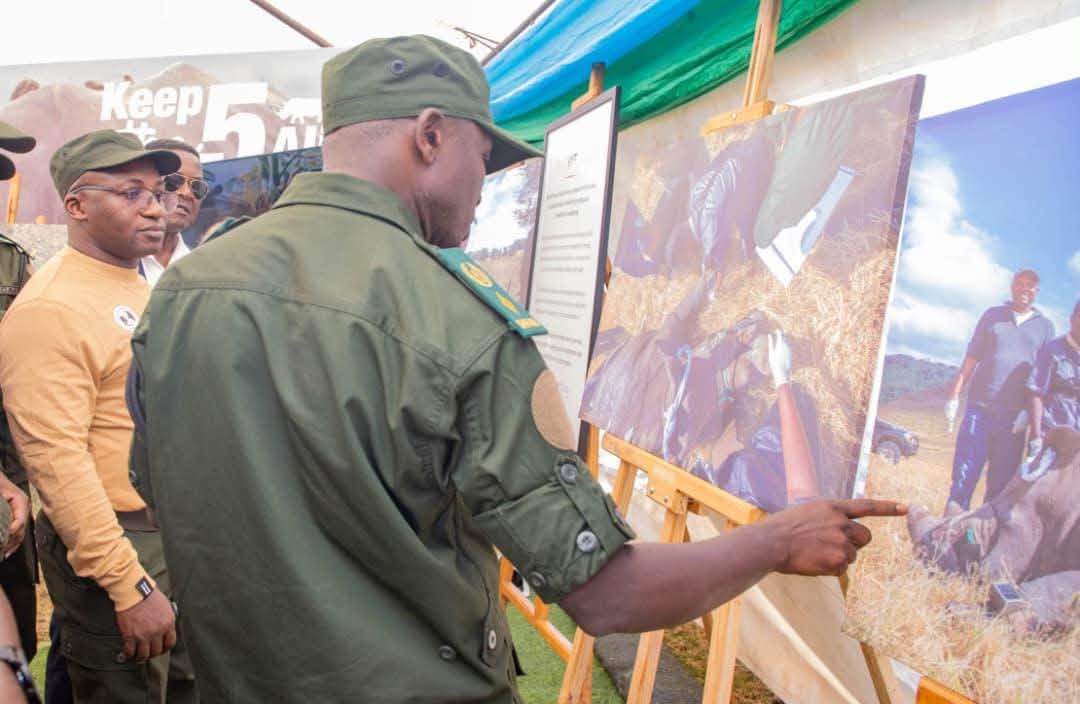
Rhino Conservation at the Heart of Ngorongoro
Speaking on behalf of the NCAA Conservation Commissioner, Deputy Conservation Commissioner for Corporate Services Aidan Makala said the annual World Rhino Day commemoration provides an important platform for conservation stakeholders and communities around Ngorongoro to come together and strengthen awareness of the importance of protecting rhinos.
Makala emphasized that successful rhino conservation requires close cooperation between the Authority, conservation organizations, communities and other stakeholders involved in protecting wildlife and natural ecosystems.
He also highlighted the contribution of joint conservation efforts to the protection of rhinos within the Ngorongoro Conservation Area, where visitors can experience the species in its natural environment.

According to NCAA, the presence of rhinos is not only important from a conservation perspective but also contributes to the area's tourism appeal. Ngorongoro is among Tanzania's internationally recognized wildlife destinations, attracting visitors interested in experiencing diverse wildlife within a unique natural and cultural landscape.
Conservation and Tourism Working Together
Rhinos are among the wildlife species that contribute to the distinctive safari experience offered in Tanzania. For visitors travelling to the Ngorongoro Conservation Area, the opportunity to observe a rhino in its natural habitat represents an important part of the wildlife experience.
The protection of rhinos therefore has significance beyond biodiversity conservation. It also supports Tanzania's tourism industry, which depends heavily on the country's wildlife, protected areas and natural heritage to attract visitors from international and domestic markets.
Effective conservation also requires the involvement of communities living around protected areas. Collaboration between conservation authorities and communities can help strengthen awareness of wildlife protection while supporting the broader goal of ensuring that natural resources remain available for future generations.
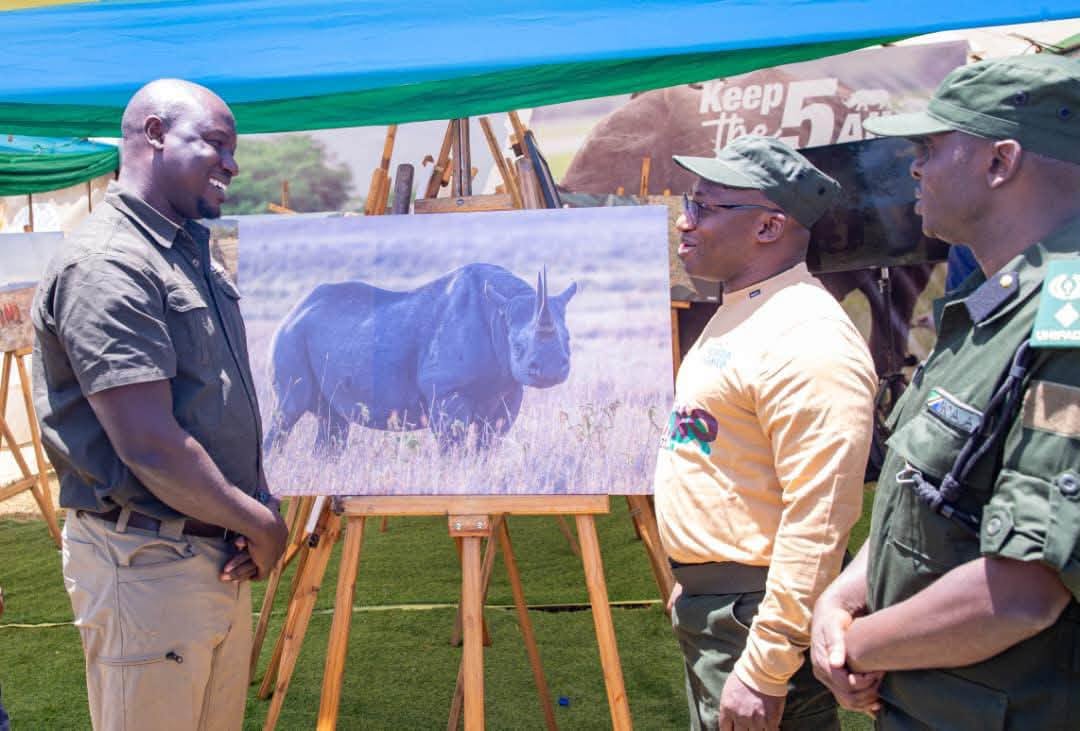
Conservation Partners Strengthen Collaboration
The World Rhino Day activities in Ngorongoro brought together several conservation partners supporting wildlife protection initiatives.
Among the organizations participating were Friedkin Conservation Fund, Naples Zoo, LaBaLaBa, Nomad and Beyond, and Tanzania People & Wildlife (TPW).
Speaking during the event, Albert Mollel, Director of Naples Zoo Tanzania, reaffirmed the organization's commitment to working with NCAA to support conservation initiatives and ensure that efforts to protect wildlife remain sustainable and beneficial to both present and future generations.
The involvement of conservation organizations highlights the importance of partnerships in addressing wildlife conservation challenges. Such collaboration can contribute to strengthening conservation awareness, supporting field operations and encouraging long-term protection of endangered species.

Protecting the Rhino for Future Generations
World Rhino Day serves as a reminder that protecting rhinos requires continuous action. Across Africa, rhinos face a range of conservation challenges, making protection, monitoring, awareness and cooperation essential components of long-term conservation strategies.
For Ngorongoro, protecting rhinos is also closely connected to maintaining the area's ecological value and tourism significance. The conservation of wildlife and habitats helps preserve the natural resources that support tourism while maintaining opportunities for future generations to experience Tanzania's wildlife.
The NCAA's participation in World Rhino Day therefore provides an opportunity to recognize the contribution of rangers, conservation professionals, communities and partner organizations involved in protecting rhinos and other wildlife within the Ngorongoro Conservation Area.
As Tanzania continues to promote sustainable tourism and strengthen the protection of its natural heritage, continued collaboration among conservation authorities, communities, tourism stakeholders and development partners will remain important.
The message from this year's commemoration is clear: protecting rhinos is a shared responsibility, and sustained conservation action is essential to keeping the species alive in Tanzania's protected areas.
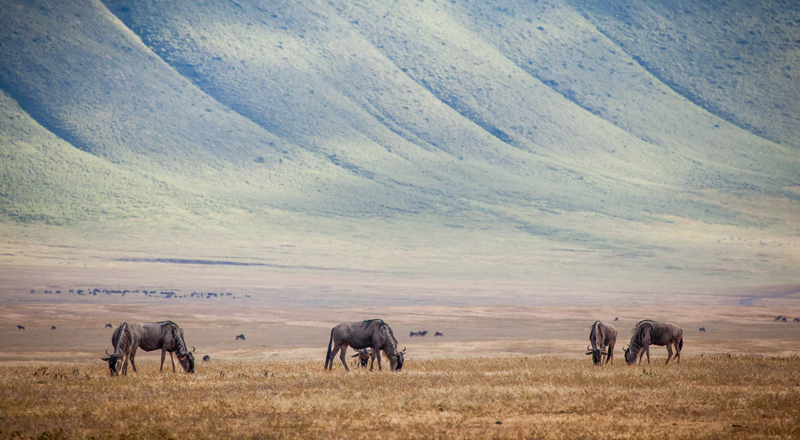
About World Rhino Day
World Rhino Day is observed every September 22 to raise awareness about rhino conservation and the threats facing rhino populations. The day also recognizes the efforts of conservationists, rangers, communities and organizations working to protect the species and their habitats.
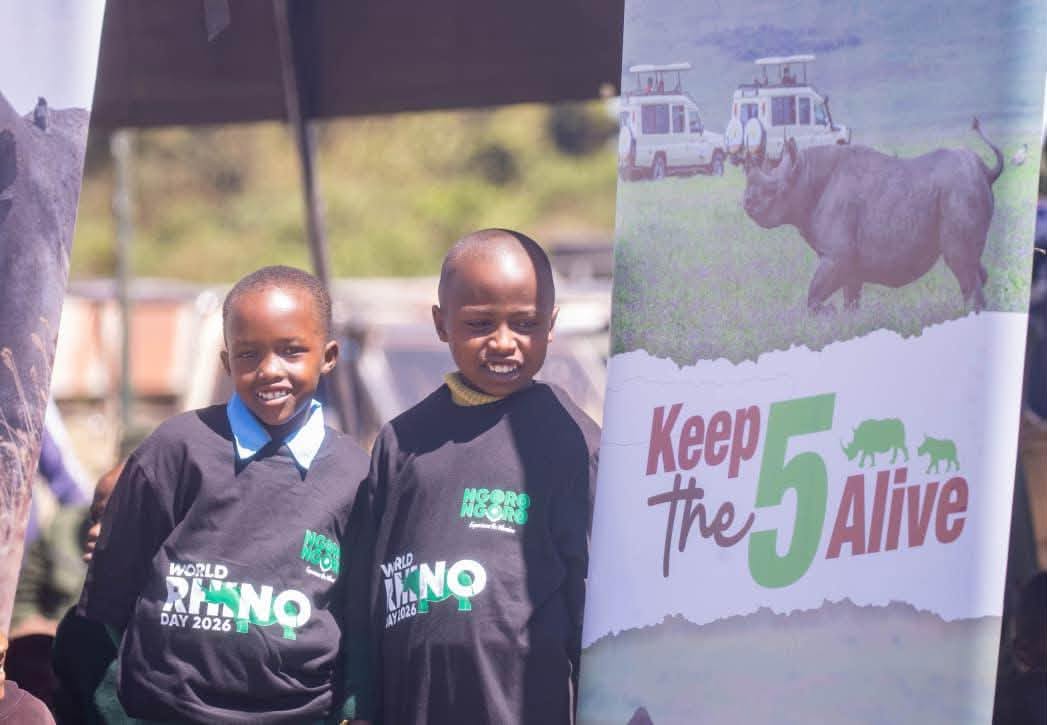
Click here to discover the majestic rhinos of the Ngorongoro Crater.