

Ngorongoro Conservation News: Government Reviews Future of the Ecosystem
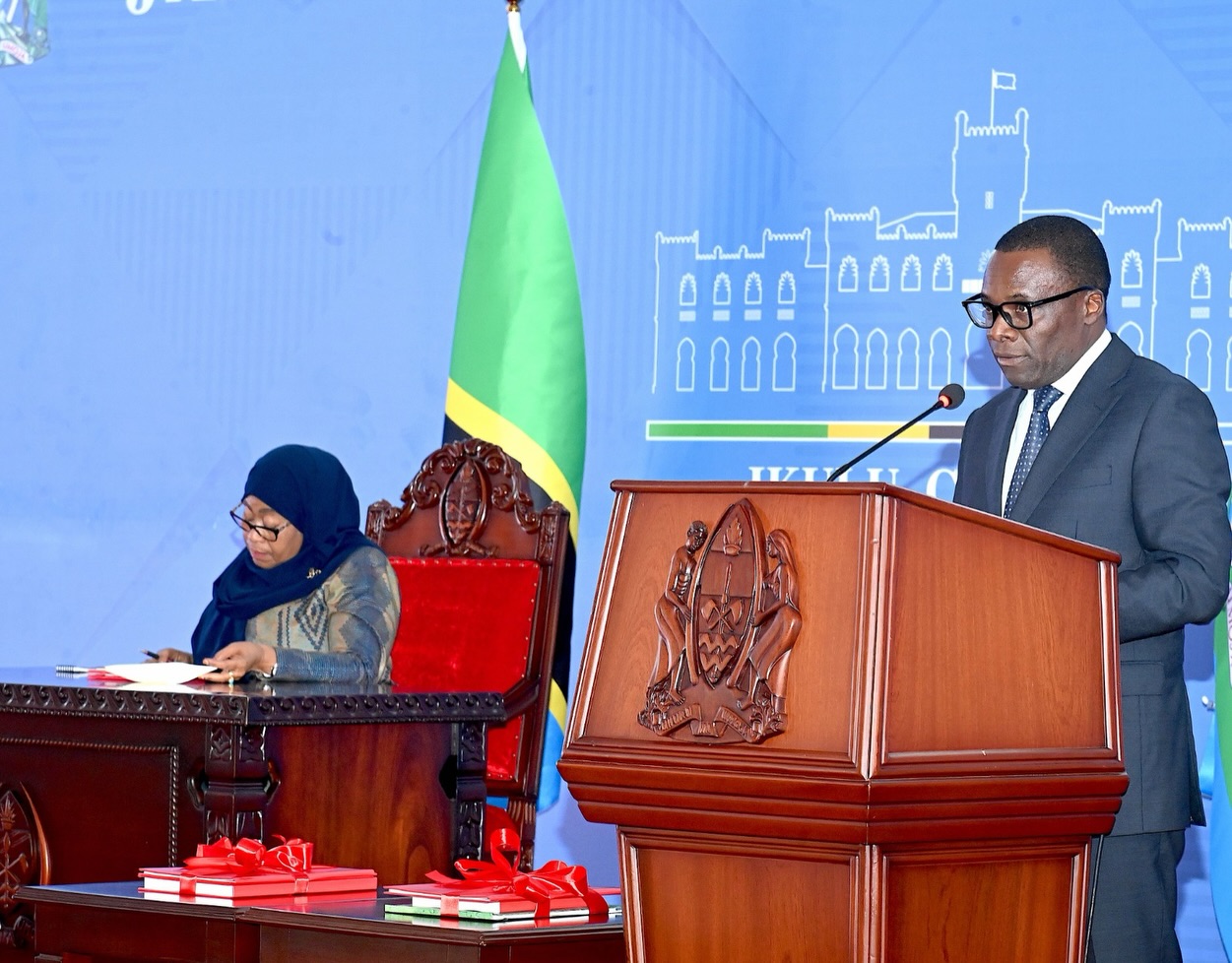
DODOMA, Tanzania – March 12, 2026
In major Ngorongoro conservation news, a presidential commission has concluded that the long-standing mixed land-use model in the Ngorongoro Conservation Area (NCA)—where wildlife conservation coexists with human settlements and livestock grazing—is no longer sustainable.

The findings were presented to President Samia Suluhu Hassan at Chamwino State House in Dodoma, raising important discussions about the future of one of Tanzania’s most famous conservation landscapes.
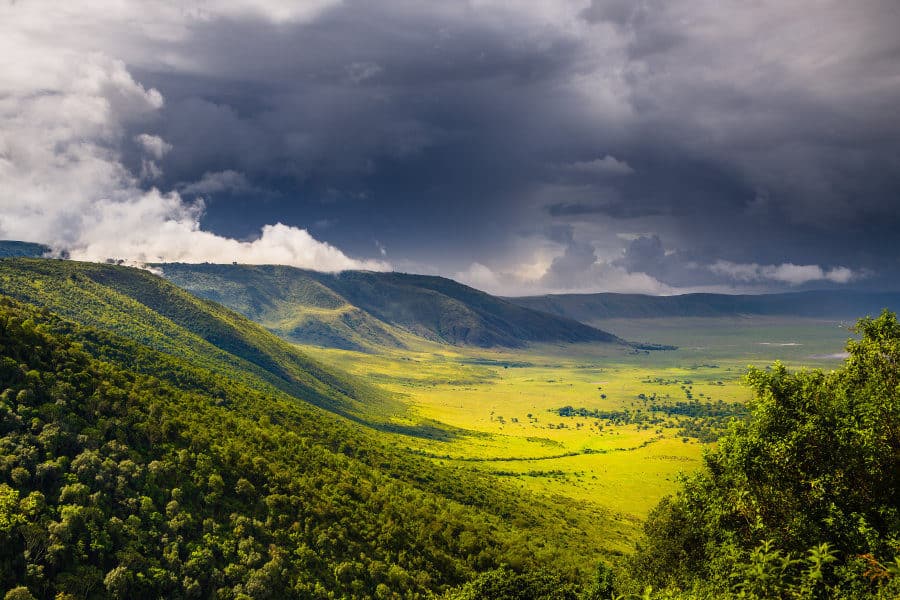
The Ngorongoro ecosystem is globally recognized as a Ngorongoro UNESCO site, attracting thousands of visitors annually and forming a key pillar of Ngorongoro tourism Tanzania within the northern safari circuit.

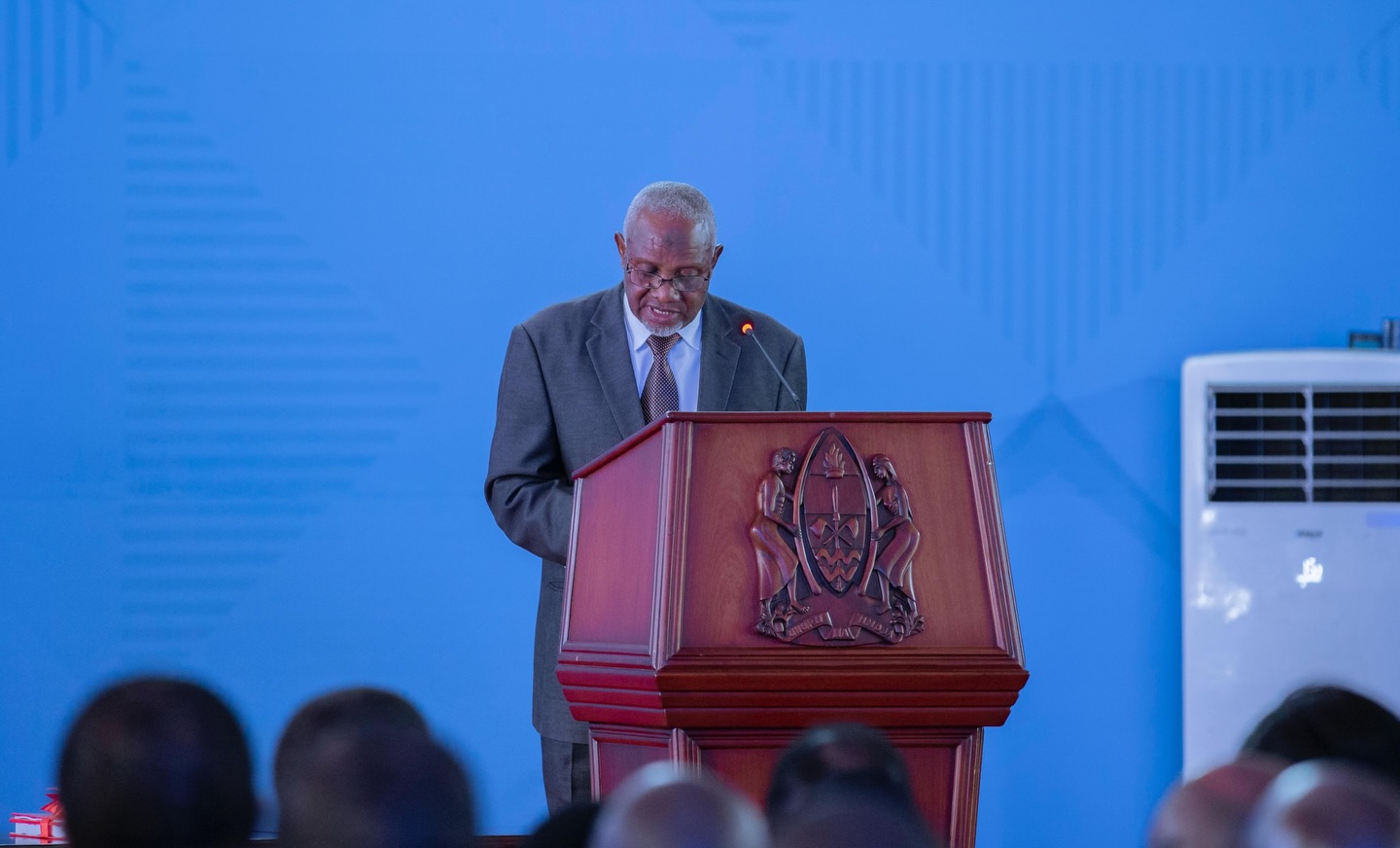
The commission was chaired by Court of Appeal Judge Dr. Gerard Ndika and established in December 2024 to assess land-use conflicts in the conservation area.
Population Growth Poses Challenges for Conservation
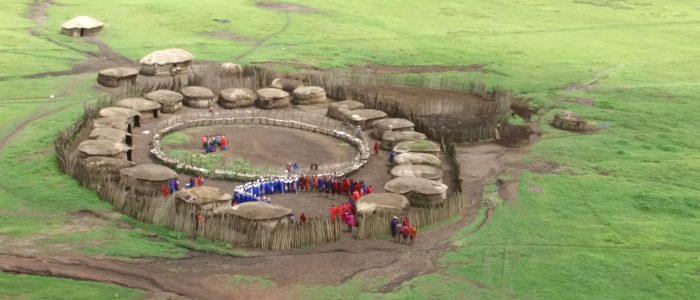
One of the most critical findings in the Ngorongoro conservation news report concerns the rapid population growth within the conservation area.
When the Ngorongoro Conservation Area was established in 1959, only about 8,000 residents lived within its boundaries.
By 2022, the population had reached 117,930 people, and projections suggest it could grow to 276,651 residents by 2050, representing an annual growth rate of 3.6 percent.
This increasing population places pressure on land resources, grazing areas, and wildlife habitats.
Expansion of Livestock Grazing
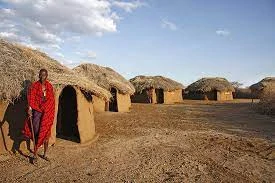
Livestock populations have increased significantly in the Ngorongoro ecosystem.
In 1960, the area had about 261,723 livestock animals, while by 2022 the number had grown to approximately 715,466 animals.
These include:
-
274,943 cattle
-
193,800 goats
-
26,553 sheep
-
1,132 donkeys
According to the commission, livestock grazing required 4,579 square kilometres in 2022, representing 56.4 percent of the conservation area.
By 2050, grazing demand could exceed the total size of the Ngorongoro ecosystem.
Declining Wildlife Populations in Ngorongoro
The commission also highlighted declining wildlife populations inside the Ngorongoro ecosystem.
Some species—including Oryx, Eland, and Gerenuk—have disappeared from the crater ecosystem.
Other species have declined significantly over the years:
-
Thomson’s gazelle: from about 5,000 in 1965 to 1,500 in 2019
-
Grant’s gazelle: from 17,000 in 1965 to about 400 in 2019
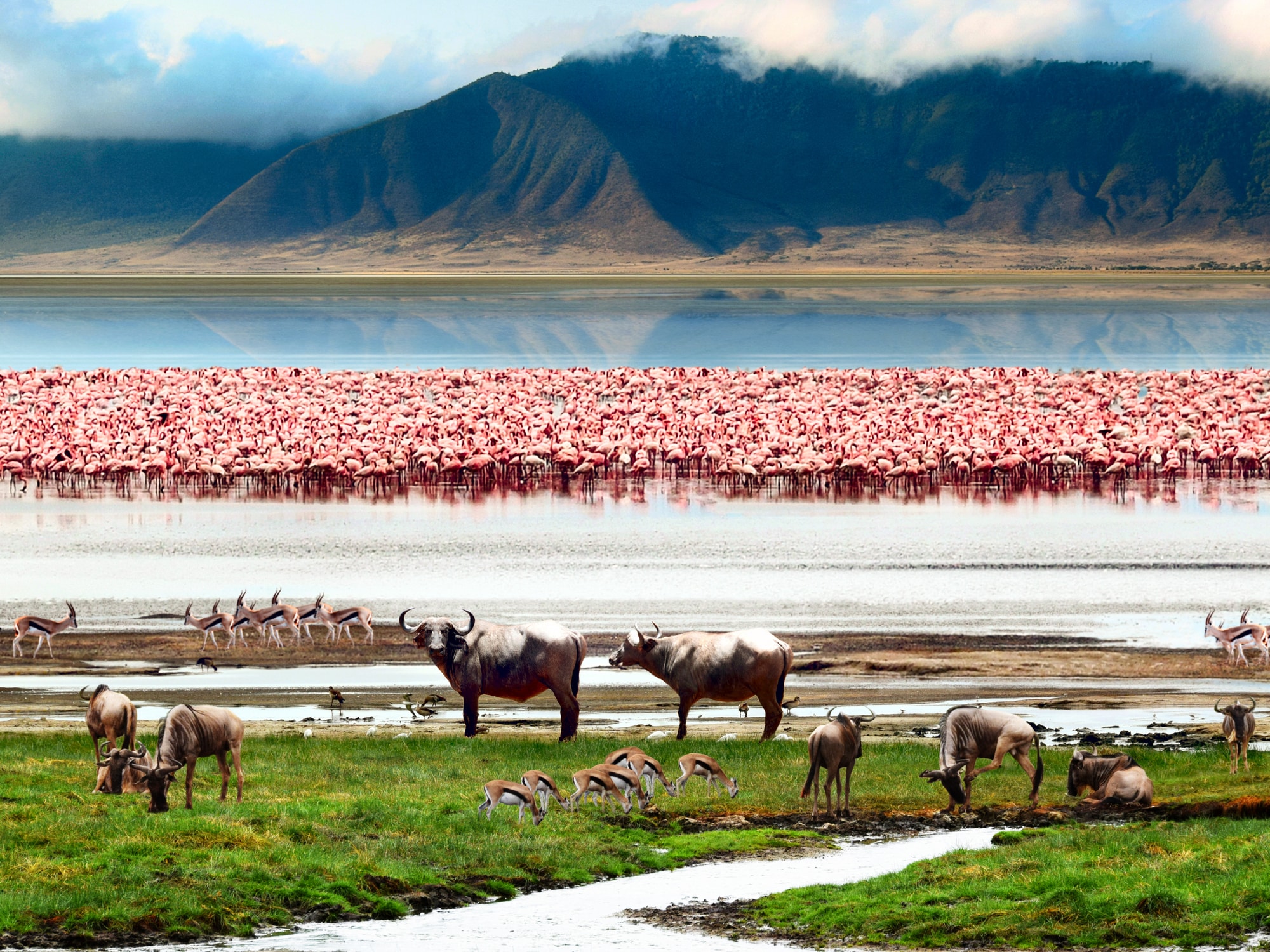
These trends are linked to habitat pressure, increased livestock grazing, and climate change impacts.
Importance for Ngorongoro Tourism Tanzania
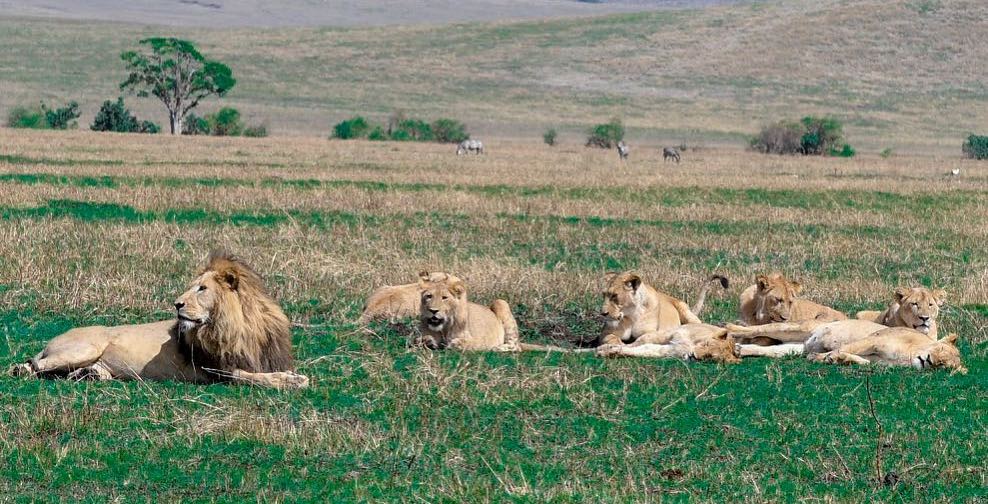
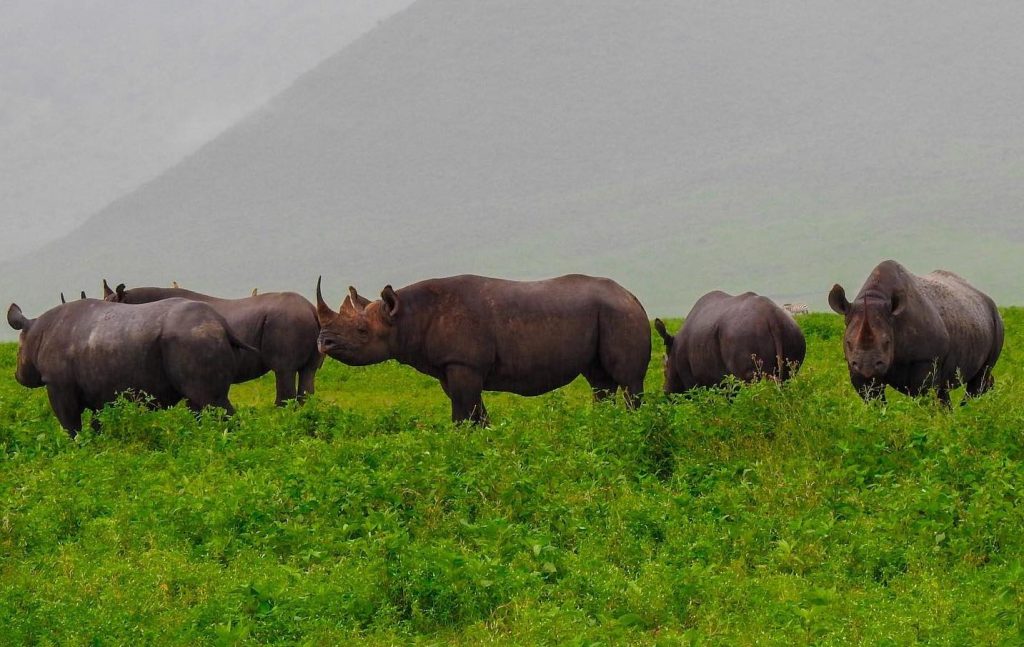
Ngorongoro remains one of the most important destinations for Ngorongoro tourism Tanzania, attracting visitors from around the world who come to experience its wildlife, landscapes, and cultural heritage.
As a Ngorongoro UNESCO site, the conservation area plays a critical role in Tanzania’s tourism economy and biodiversity protection.
Preserving the ecological balance of Ngorongoro is essential to ensure the long-term sustainability of both wildlife conservation and tourism.

Looking Ahead
Following the submission of the report, the government is expected to review the commission’s recommendations and determine future strategies for managing the Ngorongoro ecosystem.
The outcome will be important for conservation efforts, local communities, and the continued growth of Ngorongoro tourism Tanzania.
Click Here: For Ngorongoro Unforgettable Safari
