
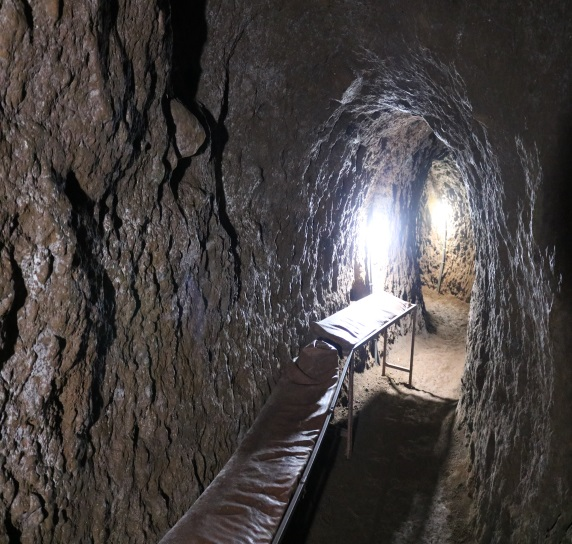
Tanzania has introduced a remarkable new cultural tourism attraction in northern Tanzania — a historic 700-meter tunnel located at Mweka College of African Wildlife Management, near the slopes of Mount Kilimanjaro National Park.
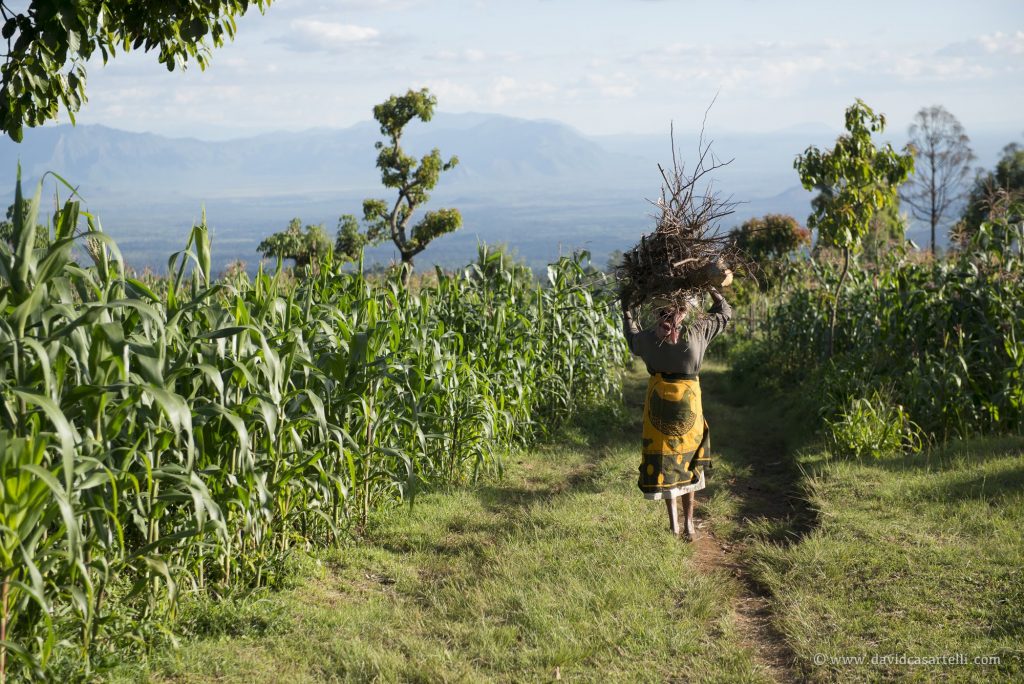
The tunnel has now been officially registered as a tourism attraction, marking a significant milestone in the country’s efforts to expand cultural and heritage tourism alongside its globally recognized wildlife safaris.
The Tanzanian government has already allocated over TSh120 million to improve the site, including installing lighting systems, improving visitor access, and strengthening safety infrastructure to ensure a comfortable and educational experience for tourists.
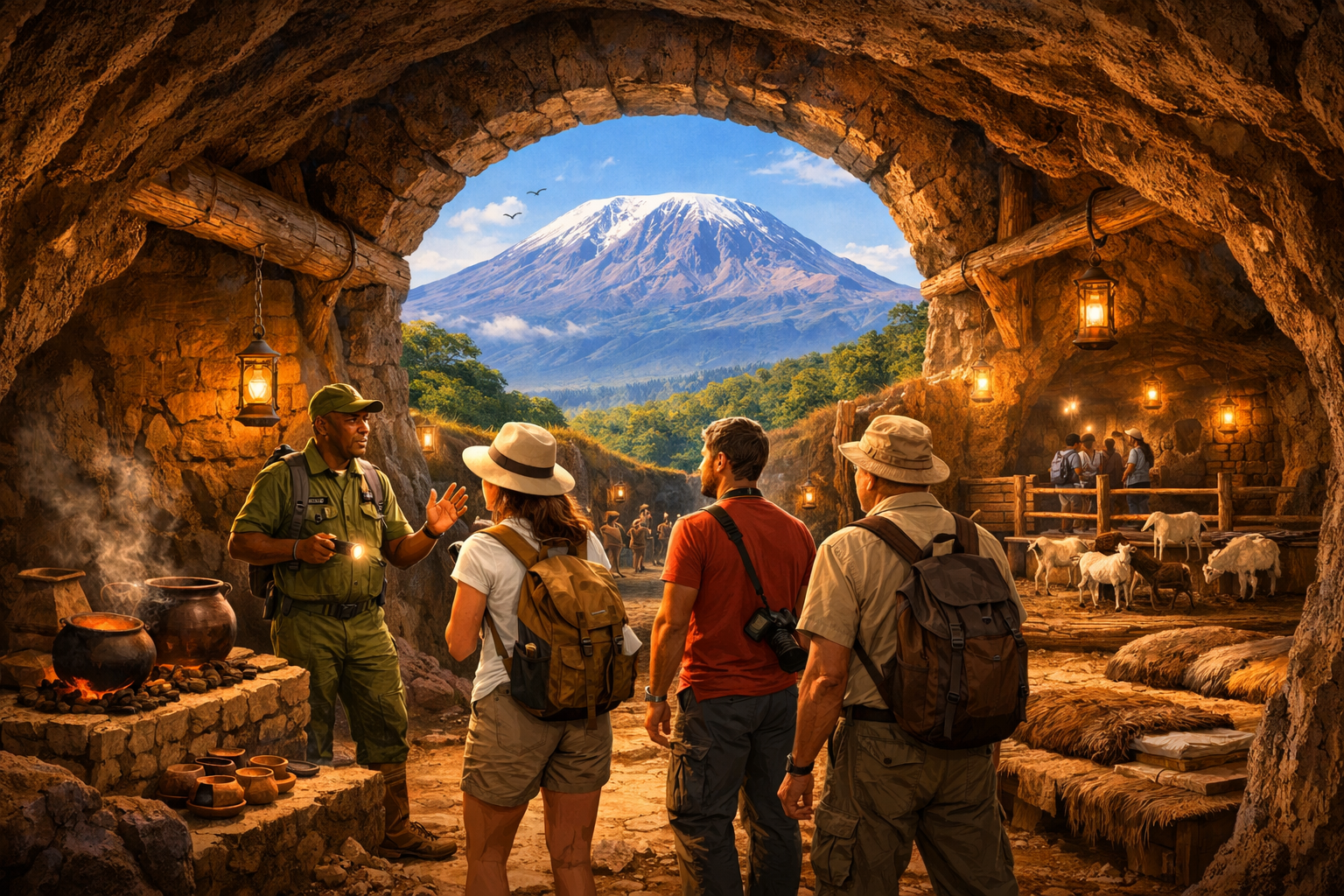
A Piece of Tanzanian History Reimagined for Tourism
The tunnel dates back to 1918, when it was constructed by the Chagga community during a period of conflict with the Maasai.
Carved through solid rock, the underground structure served as a protective refuge for families, livestock, and essential supplies during times of insecurity.
The tunnel’s interior includes several compartments such as:
-
Sleeping areas
-
Cooking sections
-
Storage rooms
-
Livestock spaces
These underground chambers enabled families to hide and survive for extended periods, reflecting the ingenuity and resilience of the Chagga people.
Today, the tunnel is being preserved and transformed into an educational heritage site, allowing visitors to experience an important chapter of Tanzania’s cultural history.
Parliamentary Committee Endorses the Tourism Development
The recognition of the tunnel as a tourism attraction gained national attention following a visit by the Parliamentary Standing Committee on Lands, Natural Resources and Tourism.
Members of the committee toured the site while assessing opportunities to expand tourism products within the Kilimanjaro region.
Officials commended the initiative, noting that the tunnel represents a unique cultural asset capable of enriching Tanzania’s tourism experiences beyond wildlife safaris and mountain climbing.
The committee also emphasized the need to preserve the site as both:
-
A tourism attraction
-
A protected cultural heritage monument
Mweka College Emerging as a Cultural Tourism Hub
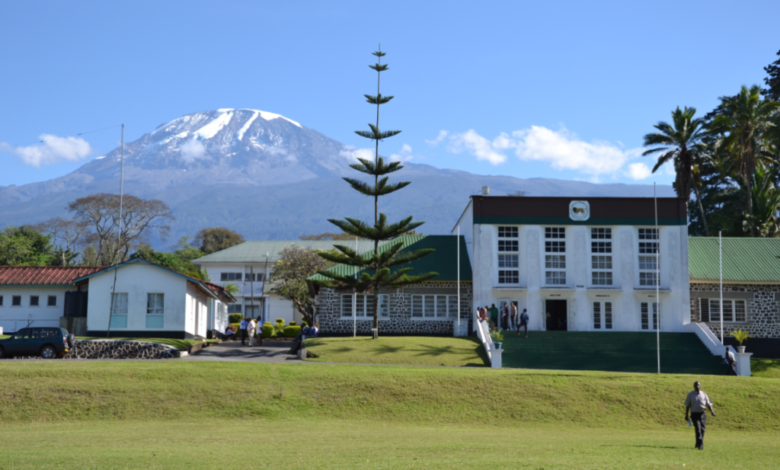
Located at the foot of Mount Kilimanjaro, Mweka College of African Wildlife Management is already internationally recognized for wildlife conservation training.
With the addition of the historic tunnel, the institution is expected to become a new hub for cultural, educational, and eco-tourism experiences.
The site’s proximity to Mount Kilimanjaro National Park, one of Africa’s most visited destinations, gives it strong potential to attract both domestic and international travelers.
Expanding Tourism Opportunities in Moshi
Moshi and the surrounding Kilimanjaro region have long been known as the gateway for climbers attempting to summit Mount Kilimanjaro, Africa’s highest peak.
The newly opened tunnel introduces a new dimension of tourism by offering visitors:
-
Cultural heritage experiences
-
Historical exploration
-
Educational tourism
-
Adventure-style underground tours
By diversifying attractions in the region, tourism stakeholders expect the tunnel to increase visitor numbers and encourage longer stays in the Kilimanjaro area.

Local Communities Set to Benefit
The development of the tunnel as a tourism attraction is also expected to bring economic opportunities to local communities.
Potential benefits include:
-
Employment for tour guides
-
Cultural storytelling experiences
-
Expansion of hospitality services
-
Growth in local craft and souvenir markets
With more attractions available beyond the mountain climb, the region could see increased business activity for hotels, restaurants, transport operators, and tour companies.
Preserving Tanzania’s Cultural Heritage
During the official visit, leaders from Mweka College of African Wildlife Management emphasized the importance of preserving the tunnel as a historical landmark.
The Deputy Principal, Alex Kisingo, highlighted that the tunnel is not only an attraction but also a symbol of Tanzania’s cultural resilience and traditional ingenuity.
Government officials and parliamentarians agreed that protecting such historical structures is essential for educating future generations and strengthening national identity.
A Growing Future for Cultural Tourism in Tanzania
Tanzania continues to expand its tourism offerings by combining wildlife safaris, cultural heritage sites, and adventure tourism experiences.
Alongside world-renowned destinations such as:
-
Serengeti National Park
-
Ngorongoro Conservation Area
-
Mount Kilimanjaro National Park
Tourism stakeholders believe the project demonstrates how heritage preservation and tourism development can work together to create sustainable economic opportunities while protecting history and culture.