
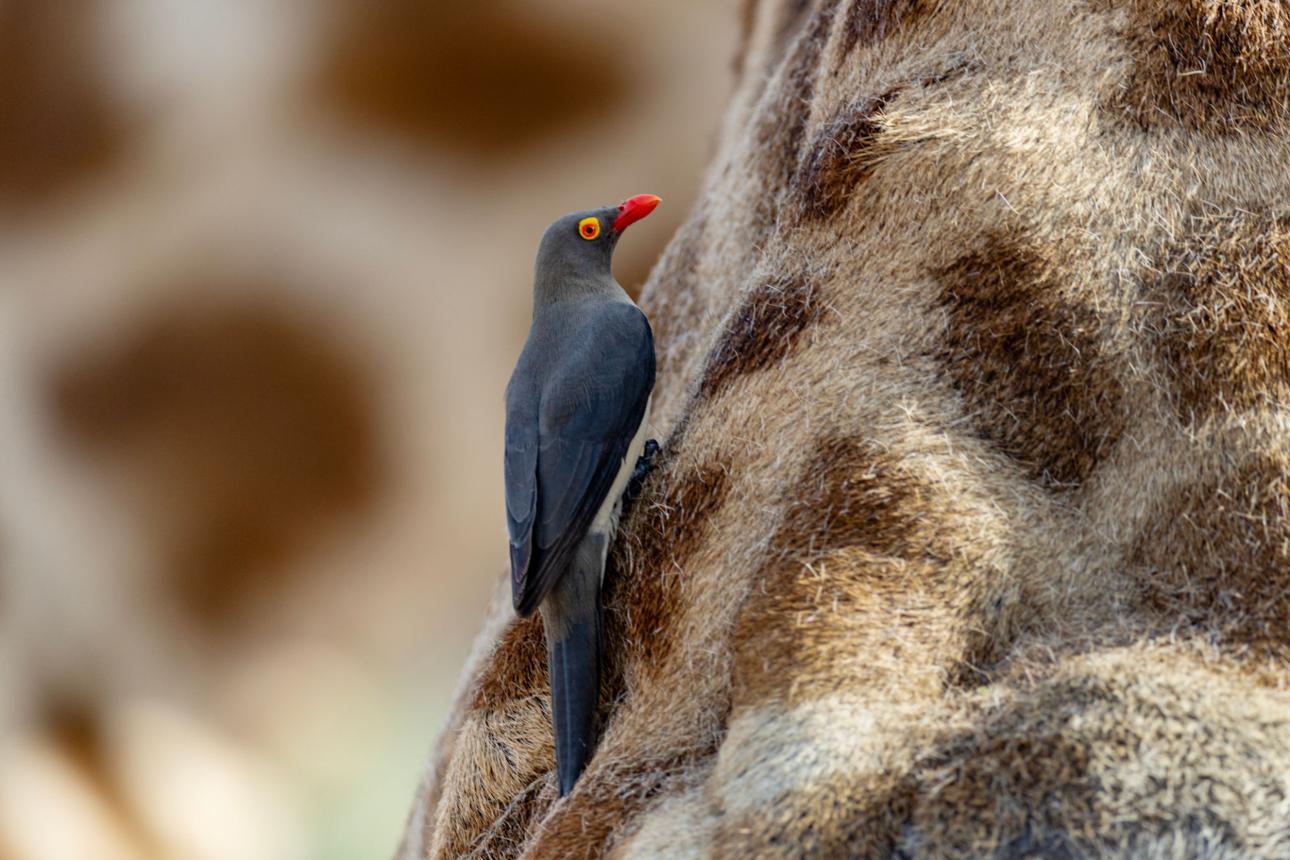
How Oxpeckers Protect Tanzania’s Wildlife
Across Tanzania’s vast wilderness—from the plains of the Serengeti National Park to the rich ecosystems of the Ngorongoro Conservation Area—a small bird plays a powerful role in maintaining the health of some of Africa’s most iconic animals.
🐦 The Oxpecker in Action
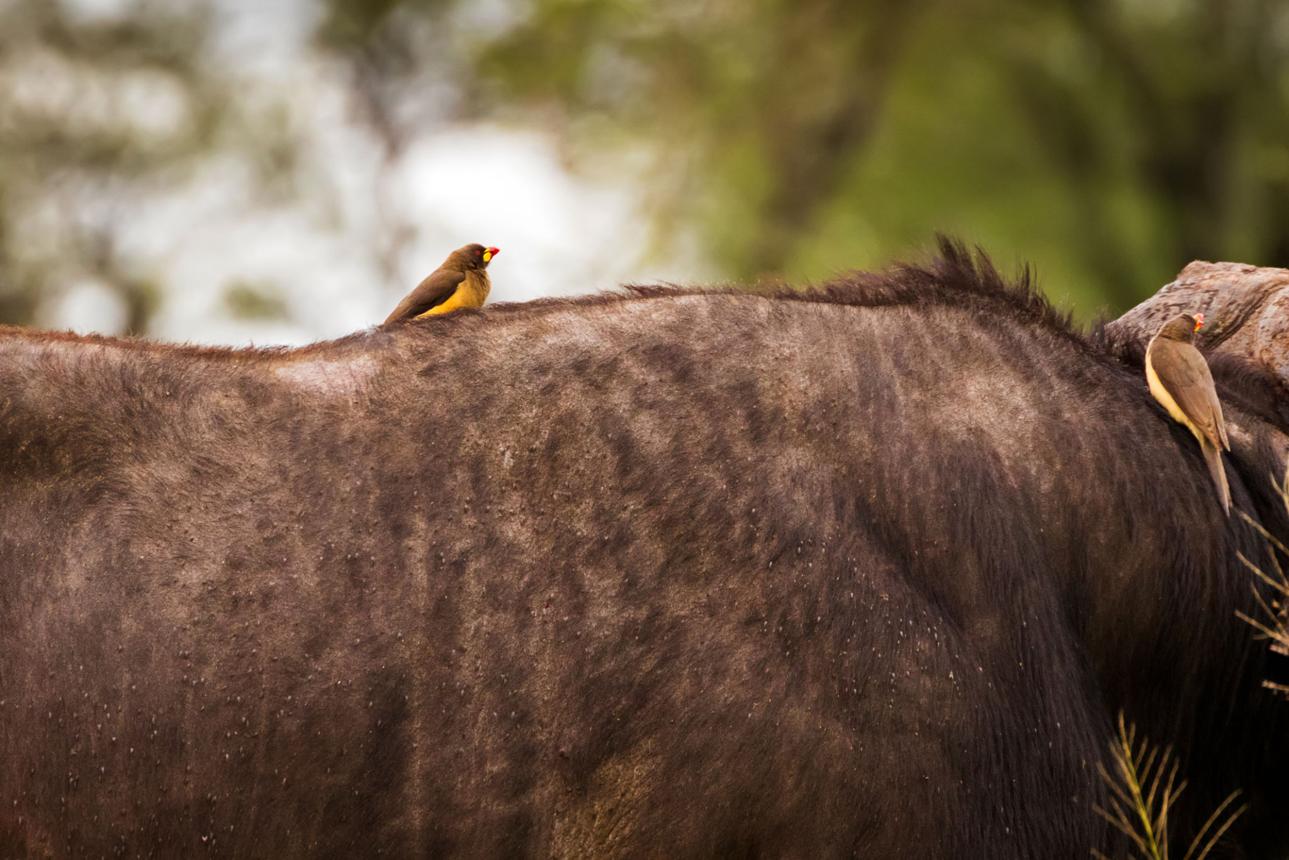
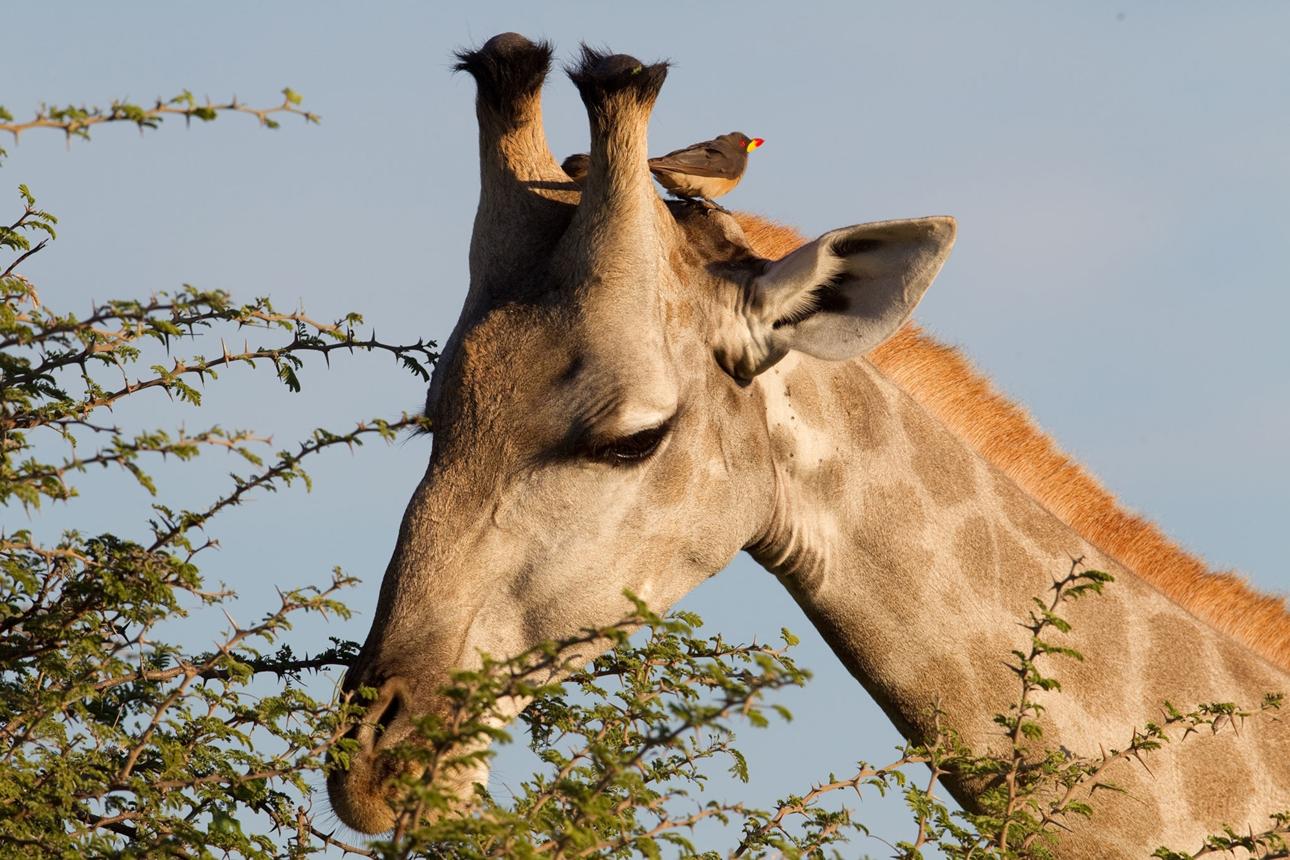
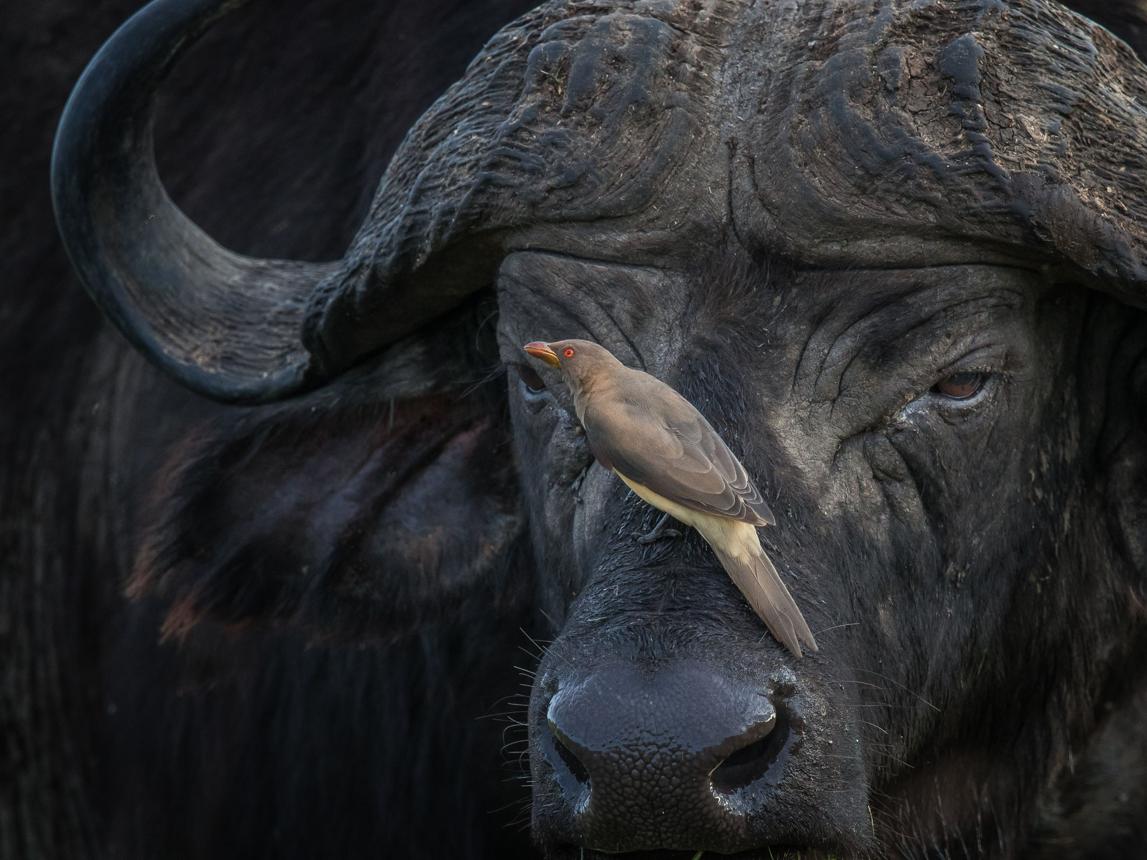
The oxpecker, often seen perched on large mammals such as rhinos, giraffes, buffalo, and even hippos, shares one of nature’s most fascinating relationships with wildlife.
These birds feed on ticks, parasites, and insects found on the animals’ skin. By doing so, they:
- Relieve animals from irritation and discomfort
- Help prevent infections and disease
- Act as a natural “cleaning system” within the ecosystem
🤝 A Perfect Example of Mutualism
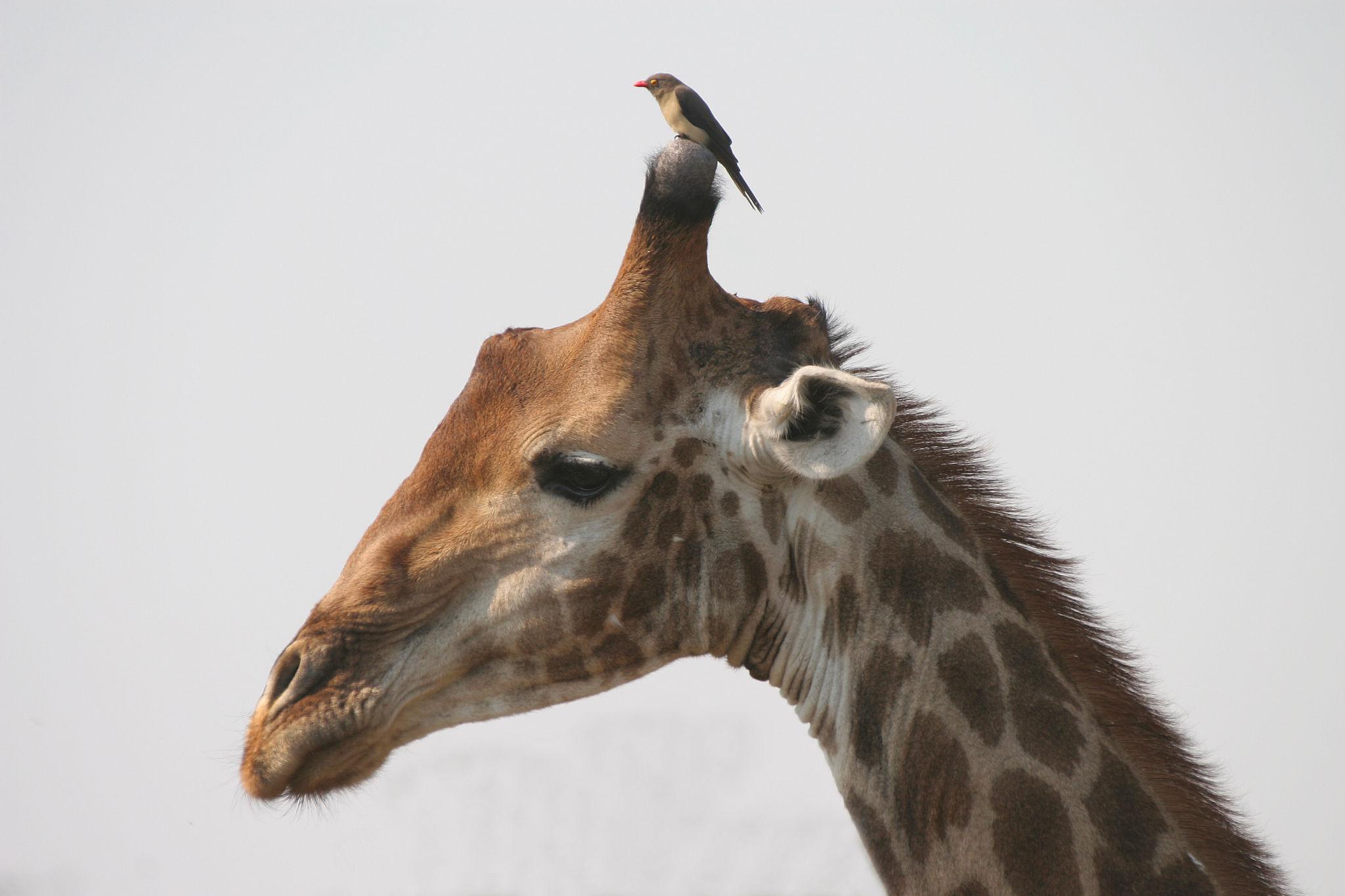
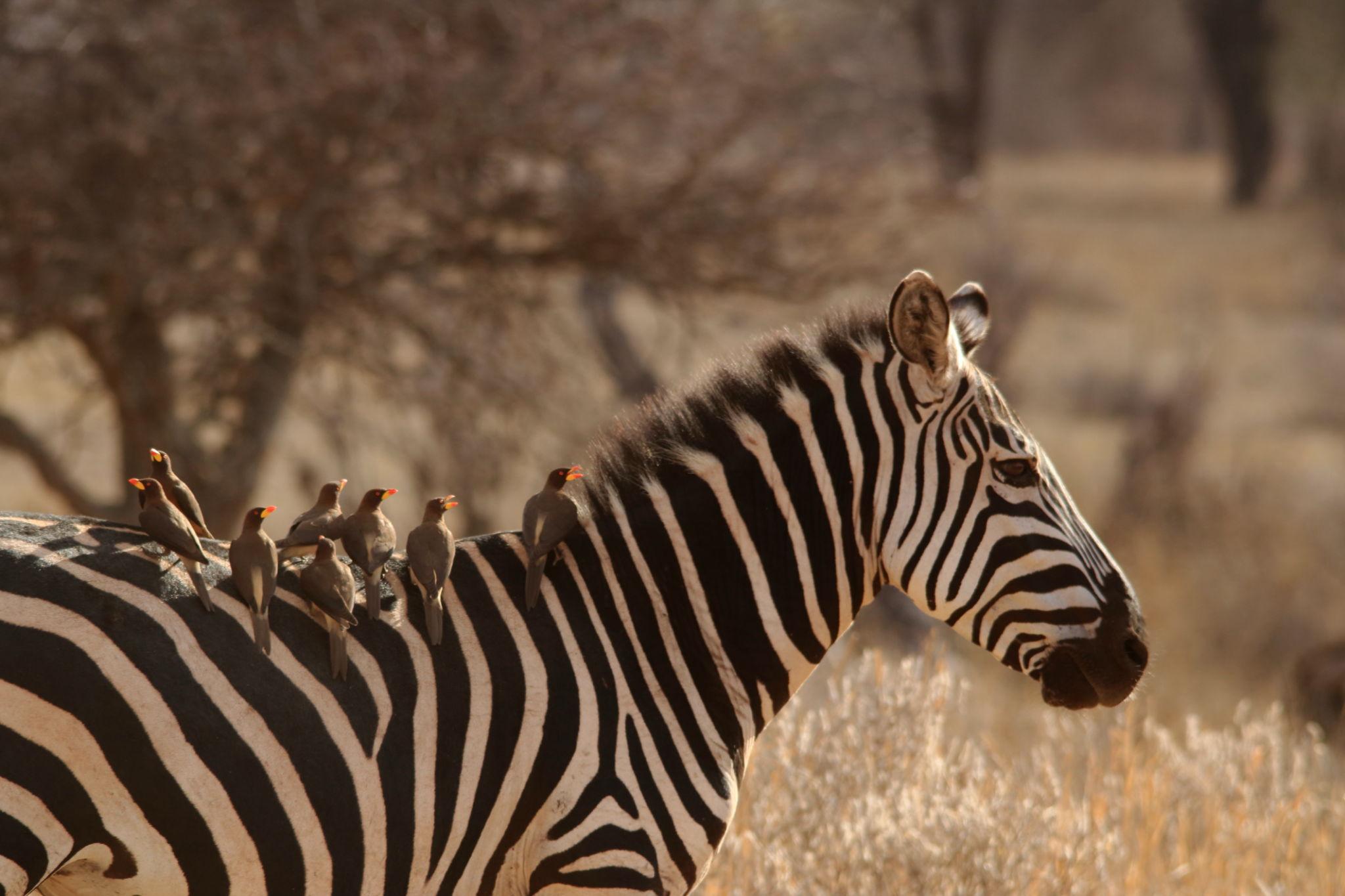
This unique interaction is scientifically known as Mutualism—a relationship where both species benefit.
- Oxpeckers gain food from parasites
- Animals gain protection from harmful pests
In some cases, oxpeckers even act as an early warning system—making noise when predators approach, alerting their hosts to danger.
🌍 Why This Matters for Tanzania Tourism
For visitors exploring Tanzania’s wildlife parks, witnessing this natural partnership is a highlight of the safari experience.
It showcases:
- The delicate balance of ecosystems
- The interconnectedness of species
- The authentic beauty of Tanzania’s biodiversity
Tourists on game drives often spot oxpeckers riding atop their hosts—offering incredible photography and unforgettable learning moments.
📌 Experience It Yourself
Whether you're planning a safari in the Serengeti or exploring the Ngorongoro Crater, keep an eye out for this remarkable partnership in action.
👉 Click here to explore unforgettable Tanzania safari experiences on GoTanzania