
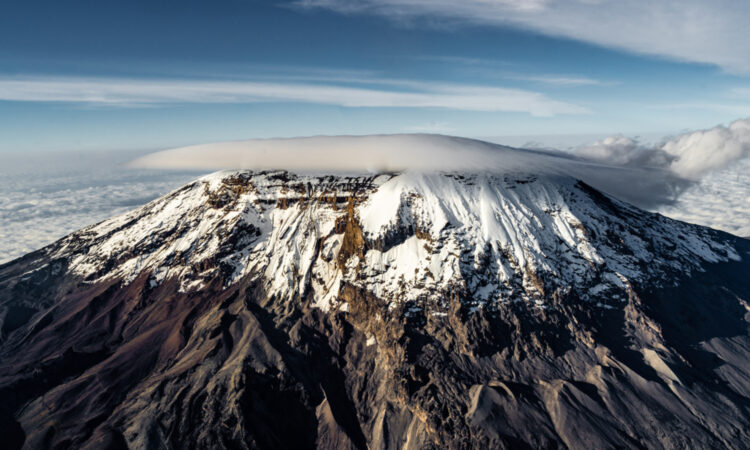
Rising above the plains of northern Tanzania, Mount Kilimanjaro stands as the highest mountain in Africa and one of the world’s most iconic natural landmarks. At 5,895 meters above sea level, this snow-capped peak attracts thousands of climbers and adventure seekers each year.
Located near the town of Moshi, Kilimanjaro is a free-standing volcanic mountain composed of three cones: Kibo, Mawenzi, and Shira. Its Uhuru Peak, situated on Kibo, marks the summit and offers breathtaking panoramic views across Tanzania and neighboring Kenya.
Unlike many of the world’s highest mountains, Kilimanjaro does not require technical climbing skills. Several established routes, including Marangu, Machame, Lemosho, and Rongai, allow trekkers of varying experience levels to reach the summit with proper preparation and guidance.
Why Visit Mount Kilimanjaro?
-
🏔 Africa’s highest peak
-
🌍 One of the Seven Summits
-
🌿 Diverse ecological zones (rainforest to alpine desert)
-
📸 Spectacular sunrise views at Uhuru Peak
-
🧗 Accessible trekking routes
The mountain is protected within Kilimanjaro National Park, a UNESCO World Heritage Site known for its biodiversity and scenic beauty. Climbers pass through lush rainforest, moorland, alpine desert, and arctic summit conditions — all within a single journey.
The best time to climb is during the dry seasons: January to March and June to October, when weather conditions are more stable and visibility is clear.
Mount Kilimanjaro is more than a mountain — it is a symbol of Tanzania’s natural pride and adventure tourism. Whether standing at its base or reaching its summit, the experience remains unforgettable
Picture by Tanzania Tourism Board (TTB)