
How Wildlife in Tanzania Shows Grief and Emotion
TANZANIA | GoTanzania Special Feature — Beyond the breathtaking landscapes and iconic wildlife, Tanzania’s wilderness holds a deeper, often overlooked truth: animals feel loss—and they mourn.
From the vast plains of Serengeti National Park to the dramatic ecosystems of the Ngorongoro Conservation Area, scientists and safari experts have long observed emotional behaviors among wildlife that mirror human grief.
The Hidden Language of Grief in the Wild
In the animal kingdom, death is not always met with indifference. Instead, it often triggers powerful emotional responses:
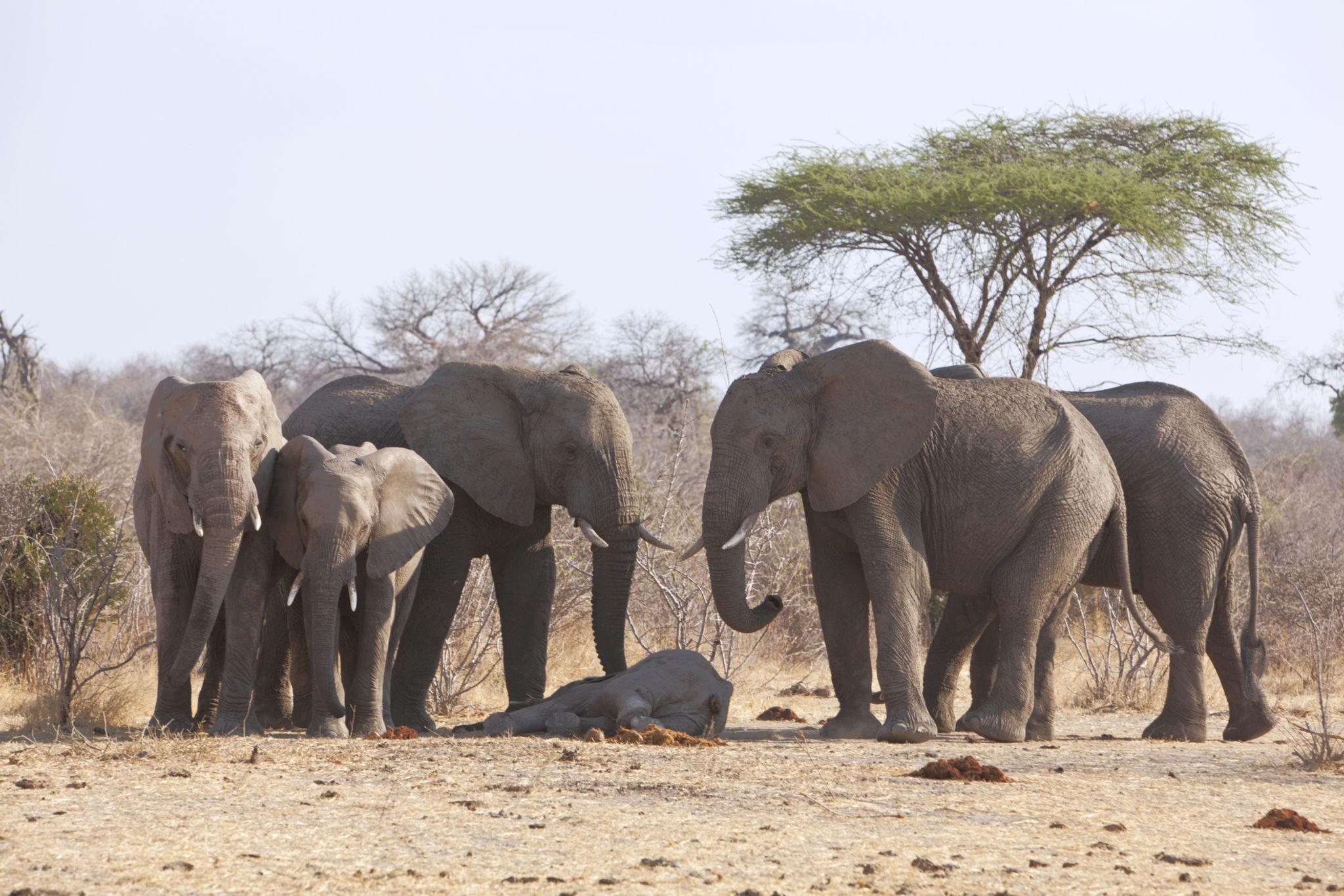
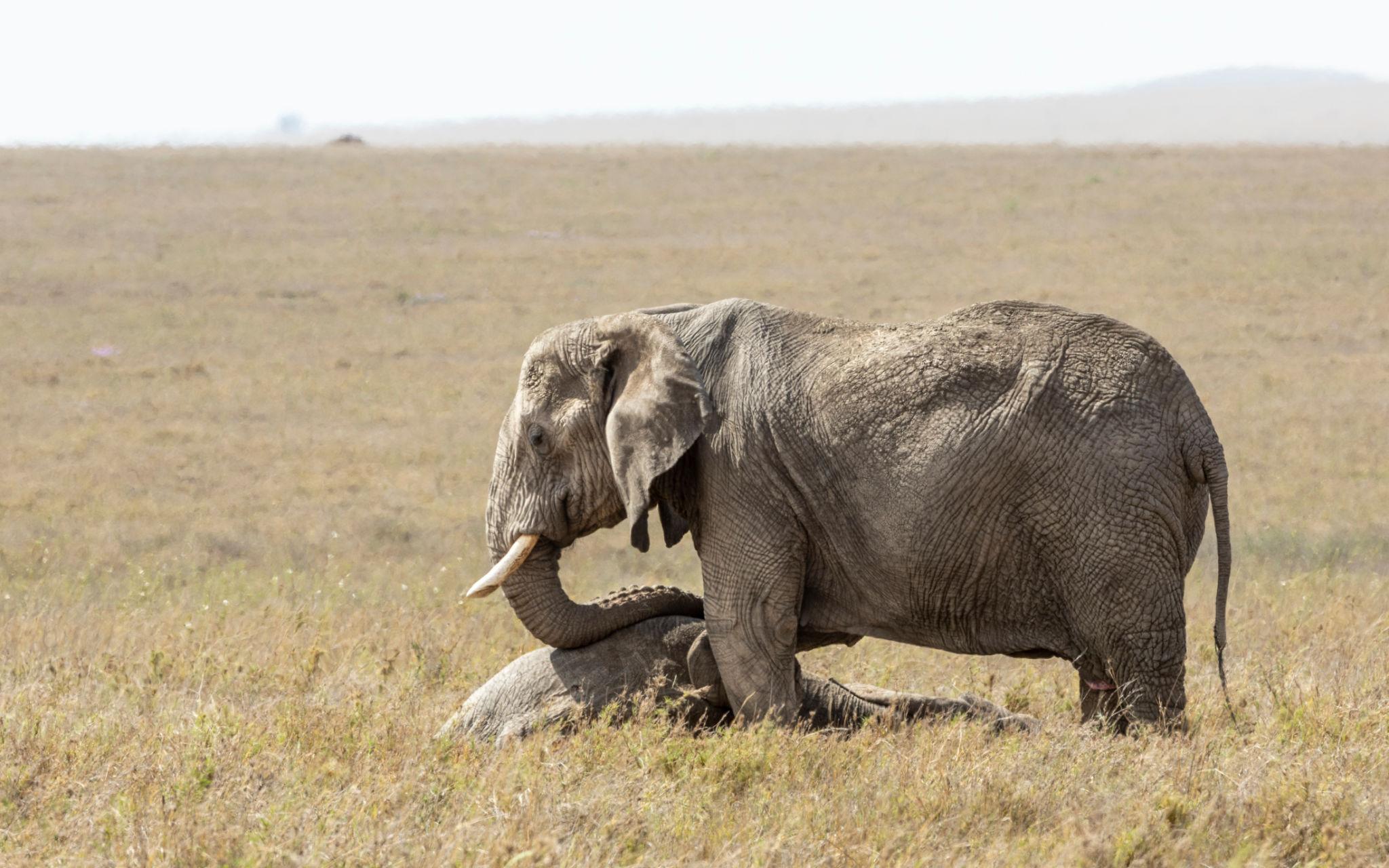
- Elephants have been seen lingering around the bones or bodies of their deceased, gently touching them with their trunks and standing in silence
- Giraffes may remain close to fallen members of their group, appearing withdrawn and unusually still
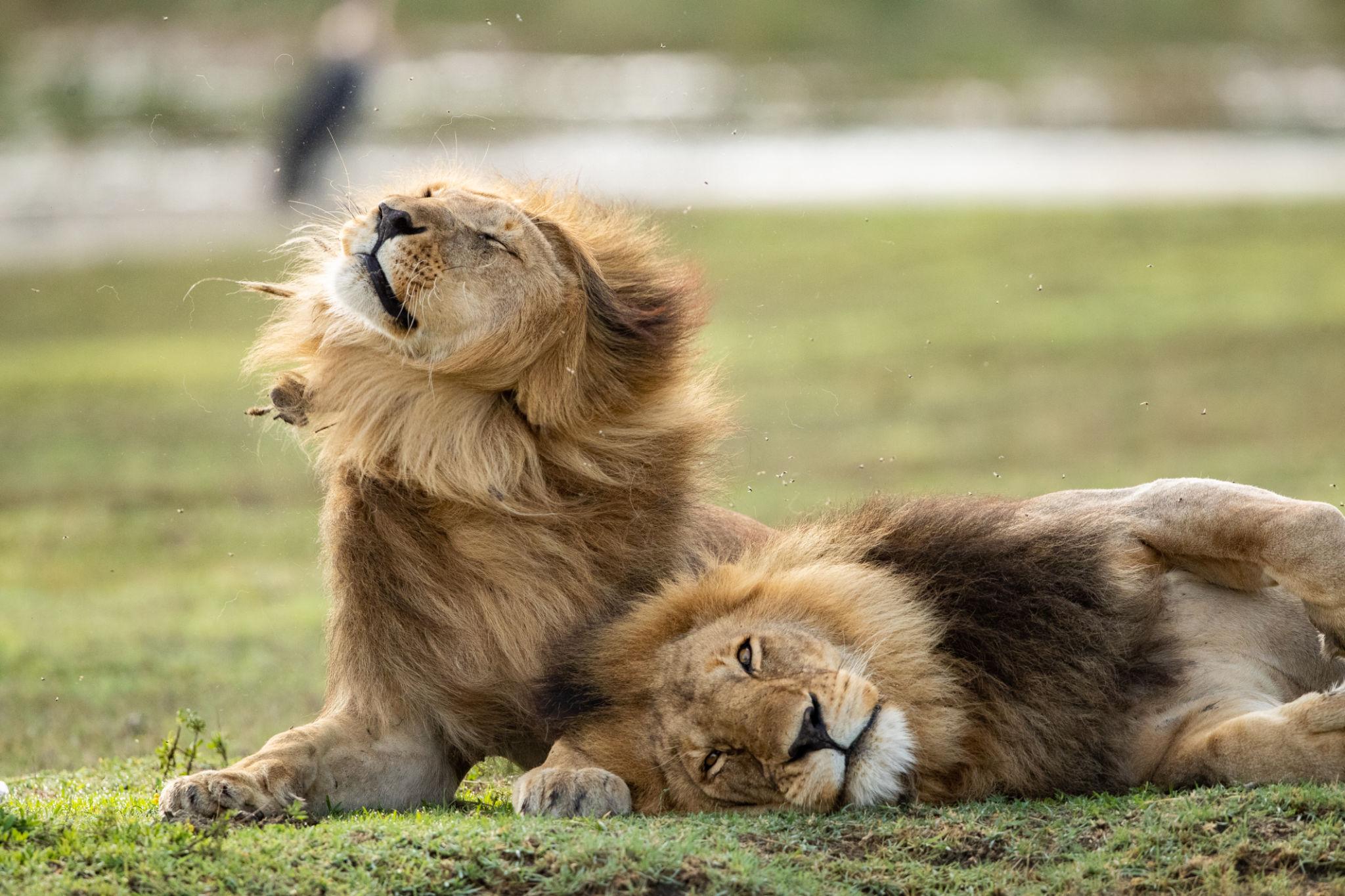
- Lions, despite their dominance, have shown signs of distress when a pride member dies—roaring less, isolating, or staying near the body
- Rhinos and other herd animals display similar behaviors, staying close as if in vigil
These moments reflect something profound:
A shared emotional bond that extends beyond survival—into connection, memory, and loss.
Science Meets Nature: Emotional Intelligence in Wildlife
Modern research increasingly supports what guides and local communities have always known—animals possess emotional intelligence.
The observed behaviors—stillness, protective presence, and prolonged attention to the deceased—suggest:
- Recognition of death
- Attachment to group members
- Collective response to loss
This challenges the outdated belief that grief is uniquely human.
Tanzania: Where Nature Reveals Its Deepest Truths
Tanzania offers one of the most authentic environments to witness these rare emotional dynamics in the wild.
In places like:
- Serengeti National Park — where vast herds live, migrate, and experience life cycles together
- Ngorongoro Conservation Area — where dense wildlife populations create strong social bonds
Visitors don’t just see animals—they experience stories of life, connection, and loss unfolding in real time
⚠️ A Message for Humanity: Protect, Don’t Harm
As powerful as these scenes are, they also carry a serious message.
Wild animals are not just part of tourism—they are living communities with emotional depth. When they lose one of their own—whether through natural causes or human actions—the impact is real and visible.
Human activity must never become the source of unnecessary grief in the wild.
Protecting wildlife means:
- Preventing poaching and illegal hunting
- Preserving habitats
- Promoting responsible tourism
More Than a Safari
This is not just a story about animals.
It is a reminder that life in the wild is deeply connected—just like ours.
When you visit Tanzania, you are not only witnessing nature’s beauty—you are stepping into a world where:
- Bonds matter
- Loss is felt
- And every creature plays a role in a shared existence