
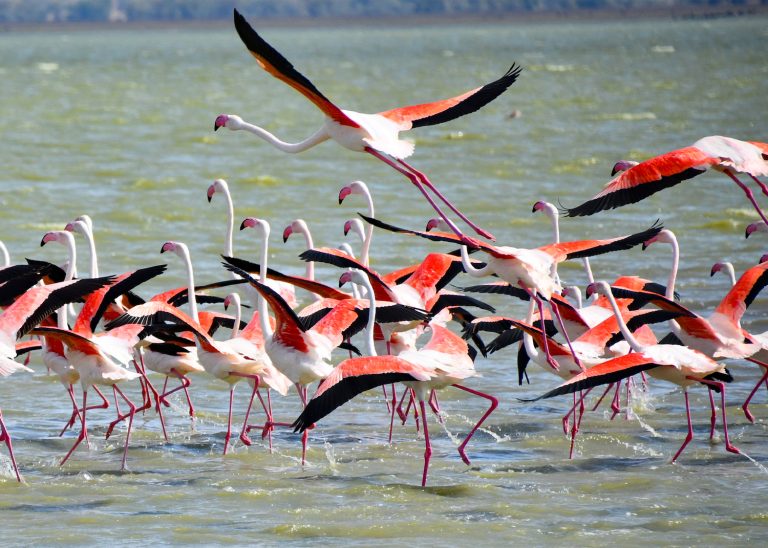
Tanzania is once again welcoming thousands of migratory birds as the spectacular Bird Migration Season begins across the country’s national parks, wetlands, and coastal ecosystems. From November to April, bird lovers, photographers, and safari enthusiasts can witness one of nature’s most colorful and fascinating spectacles.
Every year, migratory birds travel thousands of kilometers from Europe, Asia, and other parts of Africa to find warmer climates, abundant food, and ideal breeding grounds in Tanzania. This seasonal movement transforms the country into a paradise for birdwatchers.
Why Tanzania is a Top Birding Destination
With over 1,100 recorded bird species, Tanzania is considered one of Africa’s leading birdwatching destinations. The country offers diverse habitats including savannah plains, alkaline lakes, mountain forests, wetlands, and coastal areas — all supporting both resident and migratory bird species.
During the migration season, visitors can spot:
-
Greater and Lesser Flamingos
-
European Bee-eaters
-
White Storks
-
Yellow Wagtails
-
Various species of Eagles and Raptors
The arrival of migratory birds adds vibrant colors and dynamic activity to Tanzania’s landscapes, making this period ideal for wildlife photography and eco-tourism.
Top Places to Experience Bird Migration in Tanzania
1. Lake Manyara National Park
Famous for its tree-climbing lions and scenic beauty, Lake Manyara becomes a birdwatcher’s paradise during migration season. Flamingos, pelicans, and numerous water birds gather along the alkaline lake.
2. Serengeti National Park
Beyond the Great Wildebeest Migration, the Serengeti hosts a wide range of migratory species. Raptors, storks, and colorful bee-eaters are commonly spotted across the vast plains.
3. Tarangire National Park
Tarangire is known for its large elephant herds and baobab trees, but it also boasts over 500 bird species. The wetlands attract many migratory birds, making it a hidden gem for bird enthusiasts.
4. Selous Game Reserve (Part of Nyerere National Park)
The Rufiji River ecosystem supports a rich variety of water birds, fish eagles, and migratory species, especially during the rainy season.